In 1998, I traveled 26 hours by train from Ulaanbaatar, Mongolia, to Beijing, China. As my train crossed the Gobi Desert, I read through the book of Acts. God used that train ride to speak to me about the direction of my life and ministry.
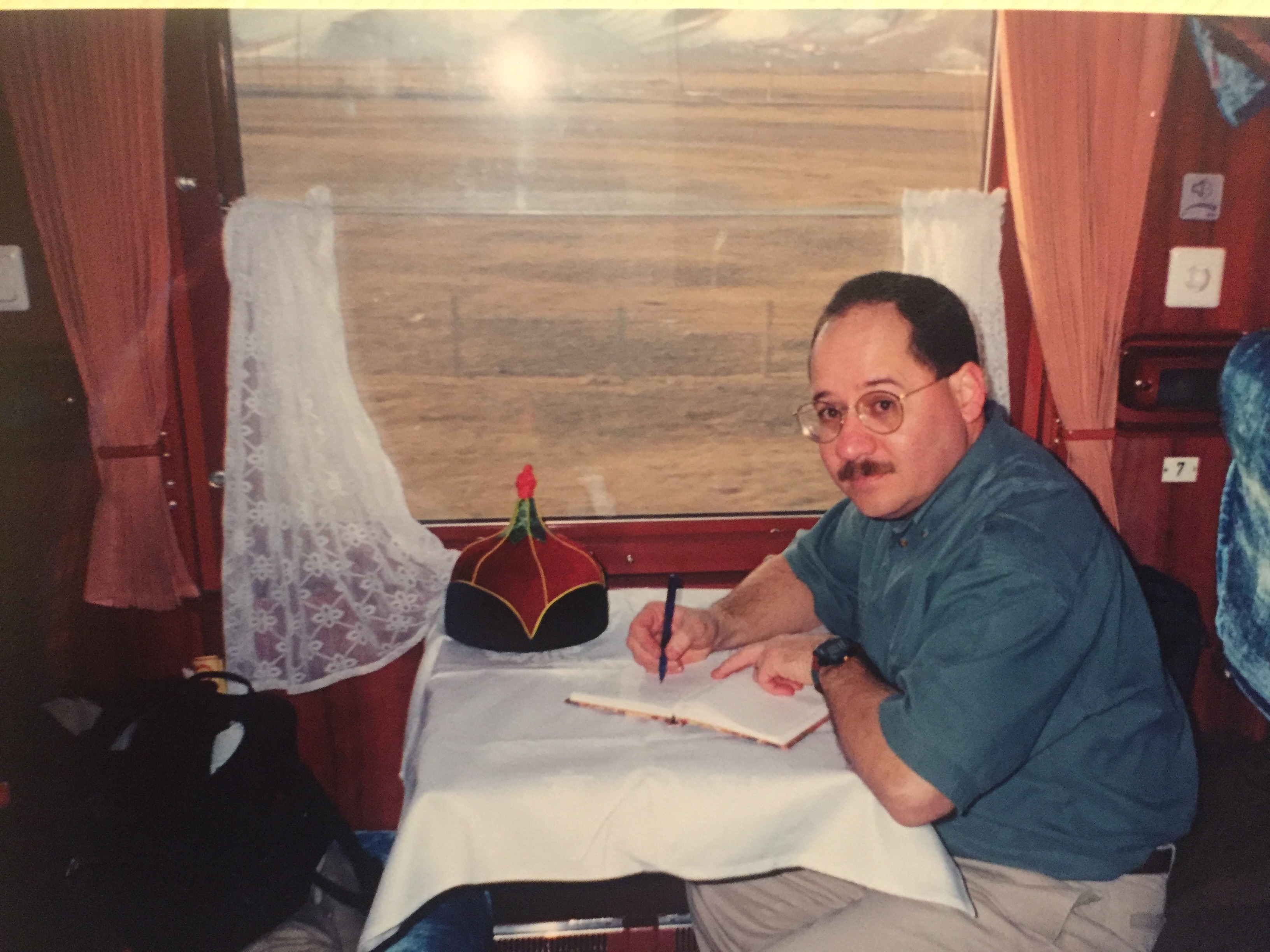
On that journey, God convicted me about the plight of the world’s remaining unreached people groups. I knew I had to learn more about these peoples and how God might use me to move in their direction.
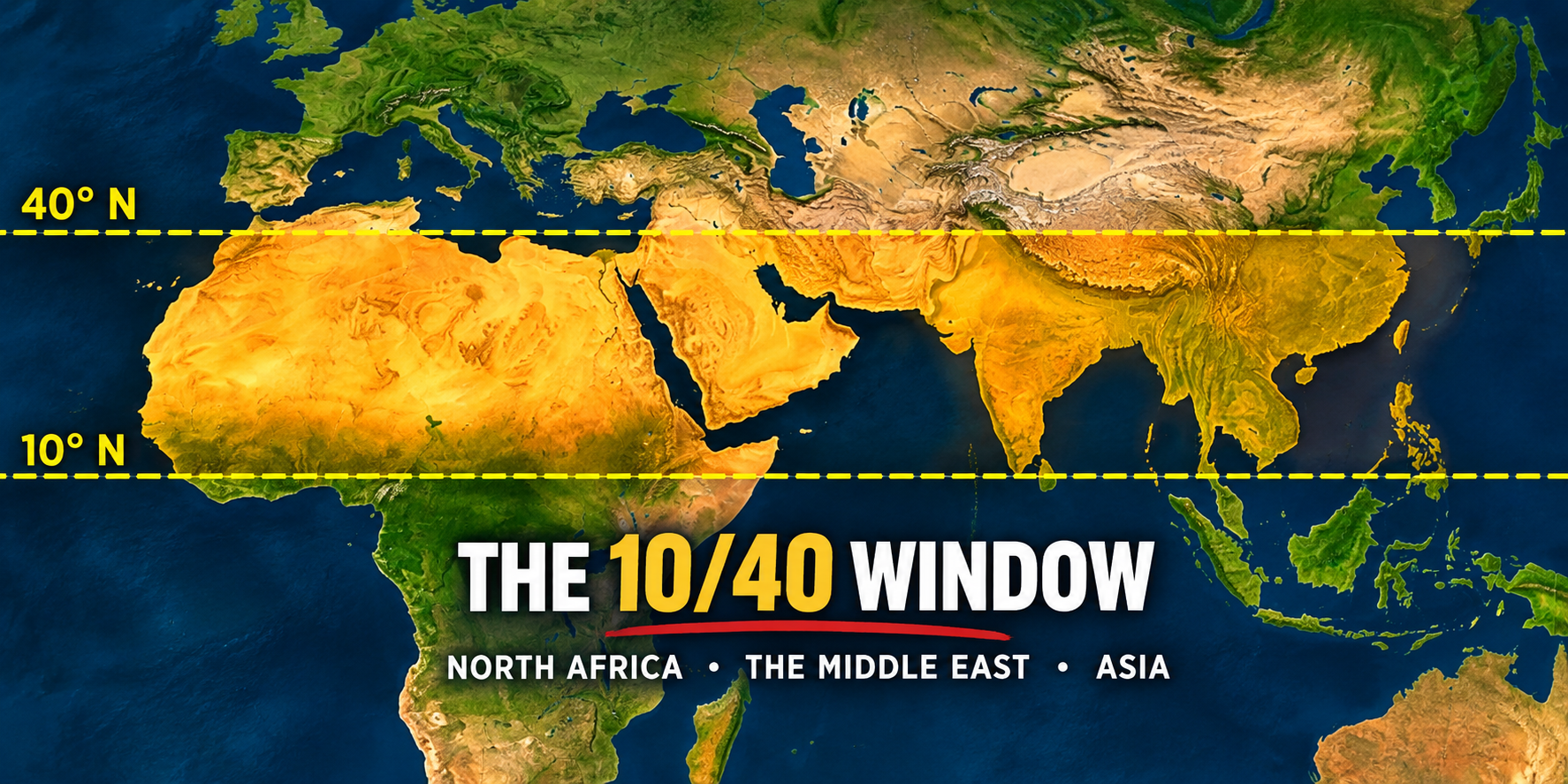
I discovered that most of the world’s unreached peoples live in a region missiologists call the 10/40 Window. This region is defined by 10 and 40 degrees north latitude, stretching from North Africa to East Asia.
The more I learned, the more convinced I became that I should invest as much of my life and energy as possible in raising awareness, raising funds, and mobilizing teams to come alongside those serving among the unreached in that region. I have done that and continue to do so.
I posted a blog about the 10/40 Window in June 2009. However, the world has changed a lot since then, so I felt the need to update the stats and information about this strategic region and why it is a key part of our missions strategy at Kingsland.
ACCESS
An estimated 3.64 billion people worldwide belong to the world’s remaining 7,000-plus unreached people groups. But here is the part we should not miss. Approximately 3.52 billion of those people live in the 10/40 Window. That’s a staggering 97 percent of the world’s unreached population. Worse, these people have little or no access to the gospel.
If we are serious about fulfilling the Great Commission, we cannot afford to overlook the region where the greatest concentration of unreached peoples lives.
POVERTY
Those who live in the 10/40 Window face enormous human needs. Many communities throughout the region are extremely poor. In addition, they often have limited access to clean water, nutritious food, adequate healthcare, and educational opportunities. Many struggle to provide for their families on the equivalent of just a few hard-earned dollars a day.
That means our strategy to reach them must be two-fold: share the good news and show the love of God in practical, compassionate ways. We must care for both the spiritual and physical needs of those who live in this region.
BARRIERS
Many places in the 10/40 Window are hard to reach. Some countries restrict religious conversion. In some places, converting to Christianity is actually a punishable offense. Governments hostile to the gospel often restrict missionary visas and have laws that make evangelism and church planting difficult.
However, restricted access does not have to stop us from sharing the good news with people living in hard places. We can do that by forming strategic partnerships with local believers who can open doors for the gospel. Leading diaspora peoples from restricted countries to faith in Christ is yet another way for the gospel to reach family members still living in hard places.
These challenges should make us more determined to remain prayerful and look for creative and strategic ways to fulfill the Great Commission.
WORLDVIEWS
The 10/40 Window is home to major religious traditions, including Islam, Hinduism, Buddhism, and Sikhism, as well as traditional religious beliefs and secular worldviews.
To reach those who live in the Window, we must be prepared to communicate the gospel with clarity, compassion, and conviction. And we must do so with a healthy understanding of the worldviews of those we seek to reach.
This means we must be willing to listen, learn, and build meaningful relationships with people whose beliefs and cultural backgrounds differ from our own. This will help us understand how to communicate the gospel in ways that make cultural sense.
PRIORITIES
The Joshua Project estimates that about 3 percent of missionaries serve within the 10/40 Window—the region home to the overwhelming majority of the world’s unreached peoples.
Reaching these people and completing the task of global evangelization will require us to direct our missions giving and missionary efforts more intentionally toward places where people have little or no access to the gospel.
This does not mean abandoning the good work already being done elsewhere in the world. It does, however, mean giving strategic priority to those places where the gospel has yet to take root. It means we must align our missions priorities to reach those with the least access to the gospel.
DIASPORA
We must also embrace and reach out to the diaspora among us. The global diaspora represents one of the greatest missiological opportunities of our time.
The nations, including those from countries in the 10/40 Window, are coming to us. They are coming as international students, refugees, business professionals, and immigrants. Many come from places where traditional missionary efforts are restricted and access to the gospel is limited.
By extending hospitality, building meaningful relationships, and sharing the gospel with those who come to us, we can impact places we might otherwise never reach. Those who come to faith in Christ can, in turn, share the gospel with family members and friends who still live in some of the most difficult-to-reach places in the 10/40 Window.
As we work to take the gospel to the nations, we must not overlook the nations God has brought to our doorstep.
MANDATE
We should not see the 10/40 Window as merely a region on a map. It is home to billions of people made in the image of God, including many who live in places where the gospel is viewed as a threat to the prevailing religious or secular worldview.
Our mandate is to make disciples of all nations (Matthew 28:19–20). That command is still operative. It has not been repealed or revised. To complete the task of global evangelization, we must work strategically to ensure that those with little or no access to the gospel have a meaningful opportunity to hear the good news of Jesus Christ.
At Kingsland, we are committed to taking the gospel to those with the least access while also reaching diaspora communities in our own backyard. We work strategically with our global partners to take the gospel to places where Christ is not known (Romans 15:20).
We believe that our strategy matters because it considers those who live farthest from the gospel bakery. We cannot be content to keep distributing bread where it is already plentiful while billions have yet to taste the Bread of Life. That’s why moving in the direction of the unreached is important to us.


Leave a Reply