For the past several years, I have had the privilege of leading, along with Lori Tally, Kingsland’s graduating seniors on worldview study tours to Israel and Türkiye, ancient Asia Minor. These trips are designed to help our students gain insight by being on-site in the places where our biblical worldview was formed and unfolded. This week, we are joined by Ryan Rush, Kingsland’s senior pastor, and a veteran of travel to ancient biblical sites.
Kingsland’s seniors spend the last year in their Life Groups focusing on apologetics and worldview considerations. This is key as they prepare to depart for college, where they are likely to encounter strong, vocal opposition to their beliefs. We want each of our students to always be prepared to respectfully defend the hope that is in them to anyone who asks for a reason (1 Peter 3:15).
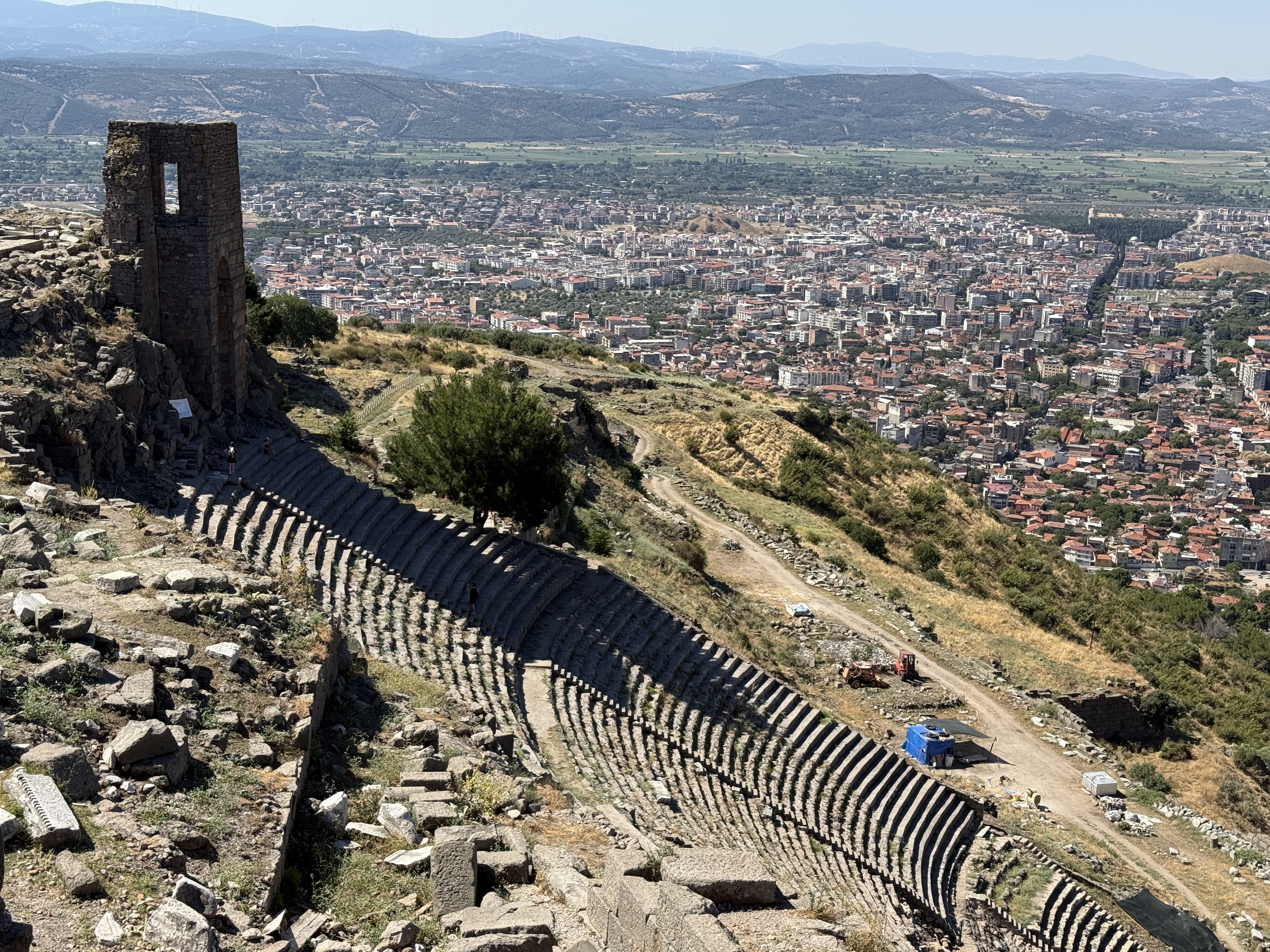
To that end, visiting ancient ruins plays a key role in developing their understanding of what they believe and why. This week, our students will visit the sites of the seven churches of Revelation. Walking among these ancient ruins is helpful for several reasons.

First, ruins are the visible remains of a once-great city, building, or culture that existed for a season in a specific geographical location at a specific point in time. They tell us something about those who lived there and how they used their opportunity to serve God’s purpose in their generation.
Second, walking among ancient ruins helps us to better understand the people, culture, and world of the Bible. The Bible was not written in a vacuum. Every book of the Bible was written in a geographical, historical, and cultural context that helps us to understand what each word meant to the first readers.

Third, walking among ancient ruins is important because sometimes the best insights are gained on-site. Archaeological sites provide valuable insight into the history of a people and into what happened as the gospel arrived through traveling missionaries such as Paul, Barnabas, and Saul.
Fourth, walking among ruins is important because it provides visitors with a unique opportunity to notice details — streets, temples, theaters, and homes — that bring the biblical account to life.
Finally, every ruin tells a story of human achievement, advancement, and decline in the places where God’s redemptive plan unfolded and made a difference. Ruins remind us that the cities we build and the kingdoms that rule them are temporary. The rise and fall of cities, churches, and cultures remind us that God rules over history.
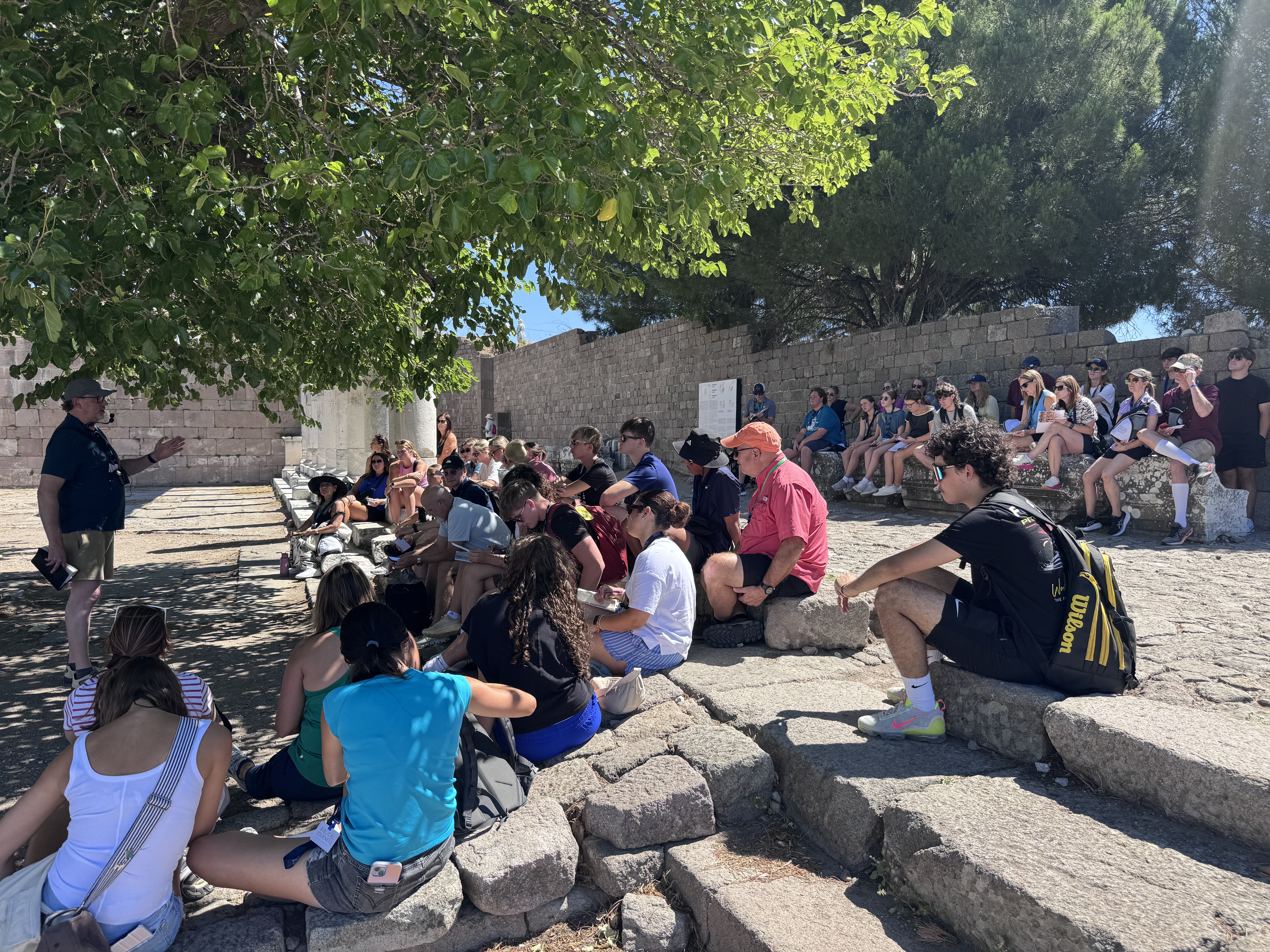
I’m looking forward to the week ahead as we walk among ancient ruins and learn more about the journey that the gospel took from the first century to reach us. Over those centuries, the good news of Jesus Christ passed through the locations we will visit, facing persecution, opposition, and many challenges before reaching us,
As we visit these historic places, we want to look beyond the stones and ruins to remember those who walked in these places—the men and women who shared Christ’s message from one generation to the next. Their dedication is part of our spiritual heritage and reminds us of our responsibility to share the gospel with those who come after us.


Leave a comment