Lessons from the ruins of Smyrna, Sardis, and Philadelphia.
Yesterday we walked among the magnificent ruins of Pergamum and Thyatira. Today, we explored three more of the seven churches of Revelation—Smyrna, Sardis, and Philadelphia. The one thing all the sites we are visiting have in common is that they are remnants of what was once thriving and pulsing with life.

Each stone has a story from the past. Columns that once stood tall over busy streets now lie broken on the ground. Earthquakes and time have shifted huge stones out of place. Beautiful mosaics and other treasures remained hidden beneath the soil for centuries until archaeologists discovered them. Broken statues stand quietly, their faces worn down by the steady winds and rains of the passing centuries.
These ruins are fascinating, but they show us that everything people build is temporary. The once proud cities of Asia Minor were full of business, culture, wealth, and influence. Now, they are quiet places where visitors walk and reflect on what is left of their past glory.

Walking through the ruins of these once-busy cities, I realized that every civilization faces the same fate. The reality is that palaces will fall apart. Temples will break down. Marketplaces will become quiet. What was once full of life eventually will become something for archaeologists to study.
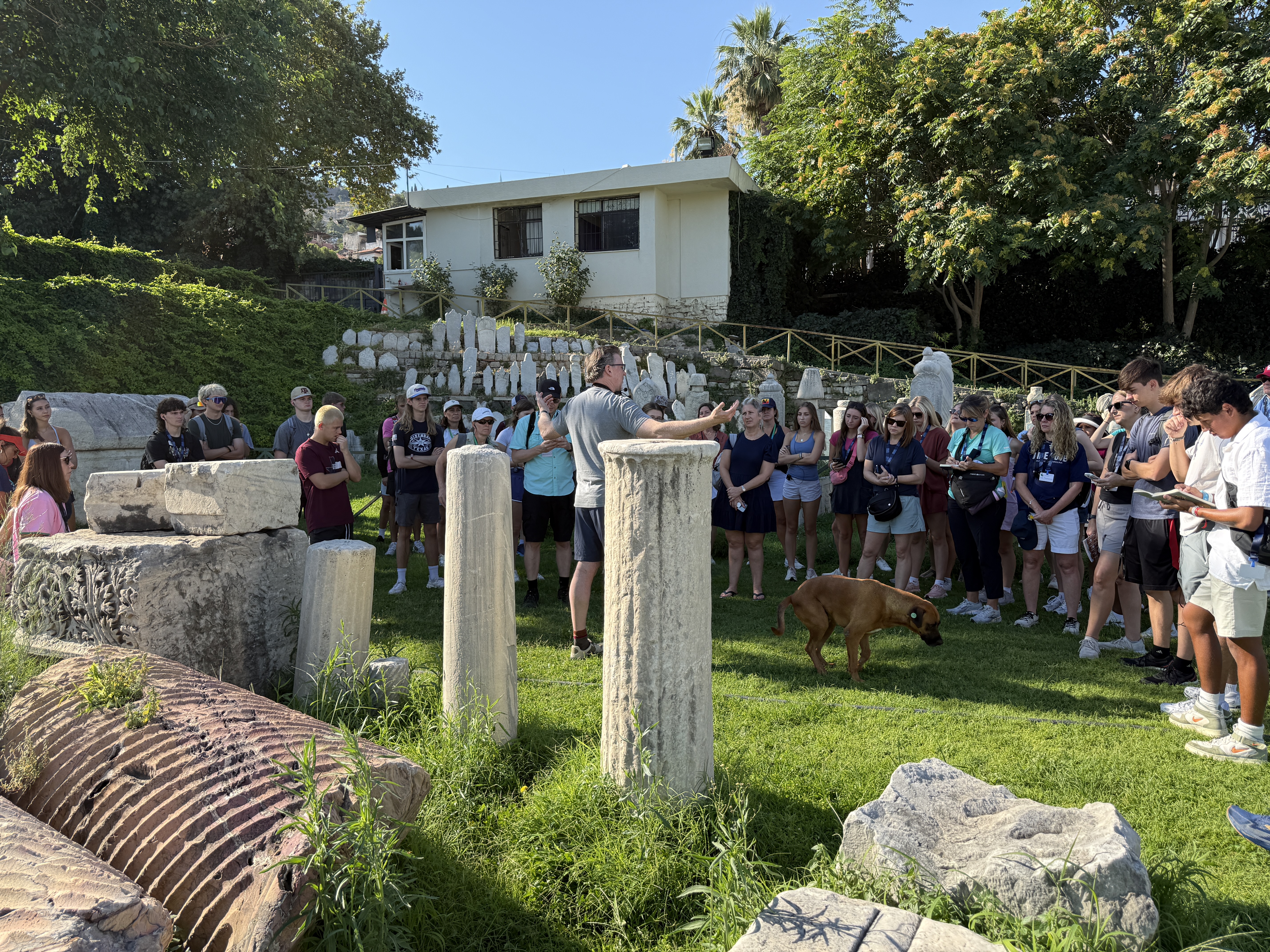
As we visit the sites of the seven churches of Revelation, Pastor Ryan Rush has challenged our students to look beyond the ruins and see more than just old stones and broken columns. He has encouraged us to picture the people who once lived here, raised families, worked in the markets, and gathered with others to worship Jesus.
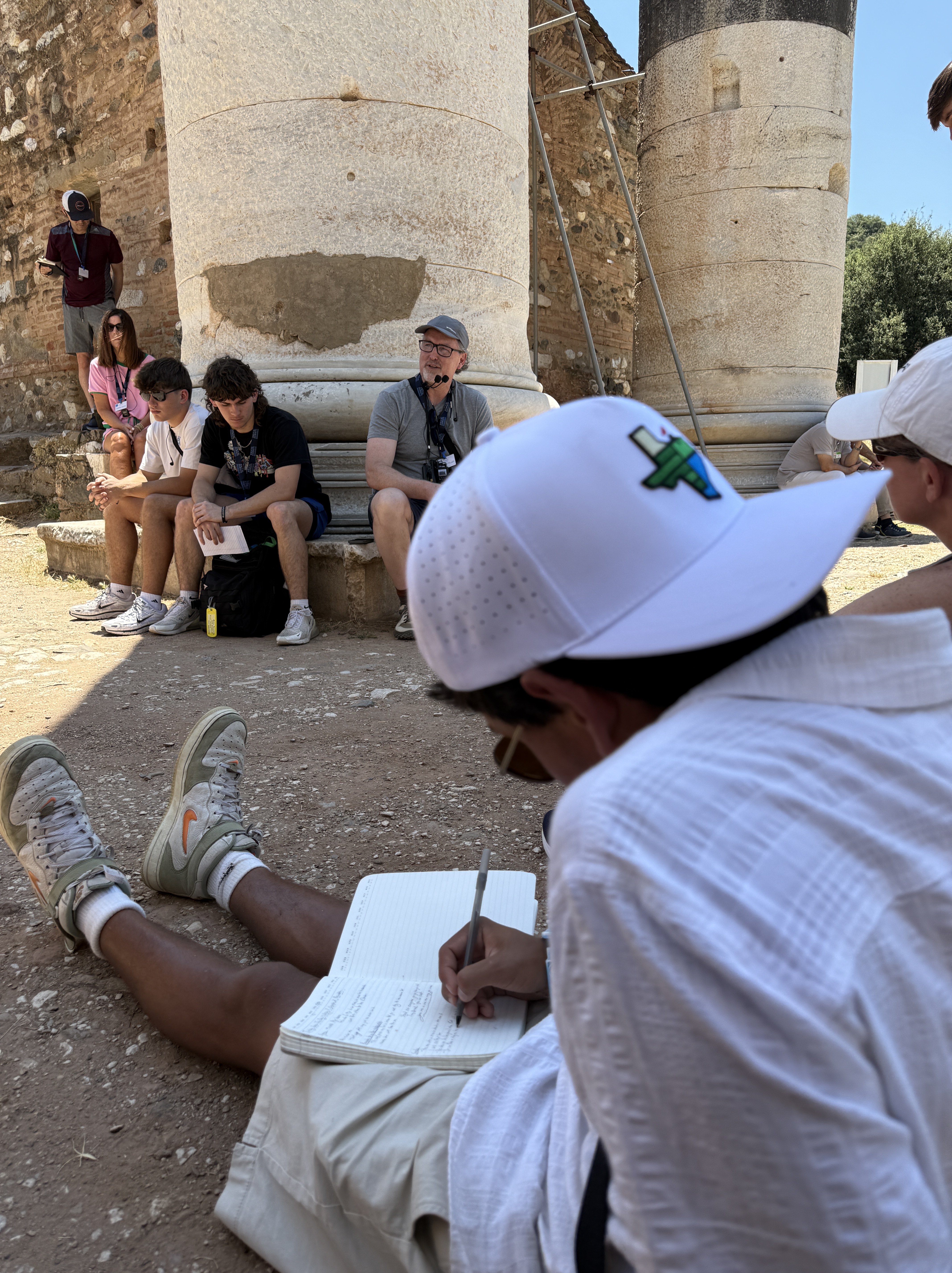
These were real people who faced the same struggles and challenges that we do. They dealt with temptation, persecution, disappointment, and uncertainty. They had jobs, families, and choices to make. Like us, they lived one day at a time, not knowing their lives would one day be part of history.
Each of them was given the same opportunity we have today: to serve God’s purpose in their generation.
Some did. Others did not.
The churches of Smyrna, Sardis, and Philadelphia show us that God judges each generation by its faithfulness, not by wealth, influence, or achievements. Smyrna remained faithful under persecution, Sardis seemed full of life, but Christ saw spiritual emptiness, and Philadelphia was weak yet received Christ’s commendation for its steadfast obedience.

When you stand among these ancient ruins, you can’t help but reflect that one day, people will remember our generation only through history books. Others will tell our story. They will see what we built, what we cared about, and what we left behind. What will they conclude about us?

The real question isn’t if our generation will pass away—it will. The real question is whether we, like David, will “serve the purpose of God” in our time before we are gone (Acts 13:36). Gleaning lessons from the lives of those who once inhabited the sites we are visiting, Pastor Ryan has challenged us to think deeply about how we are living our own lives and the legacy that we will leave behind.

This is the challenge these ancient cities still give us. The stones show us that life does not last forever. The words of Jesus remind us that faithfulness lasts forever. The choice is ours: whether we will serve God’s purpose and allow Him to use us to leave a spiritual legacy—one that impacts those who come after us and walk among the places we once called home.


Thank you Omar for sharing this as you go. We at home can experience the Biblical truths being taught and pray for our young people.
By: Joe Davis on July 13, 2026
at 3:24 PM
Excellent observation, thank you.
Immersed in His Grace, Gil Gray gilpengray@gmail.com gilpengray@gmail.com
By: gilpengray on July 14, 2026
at 6:04 AM