Posted by: Omar C. Garcia | March 30, 2021

In His Own Words

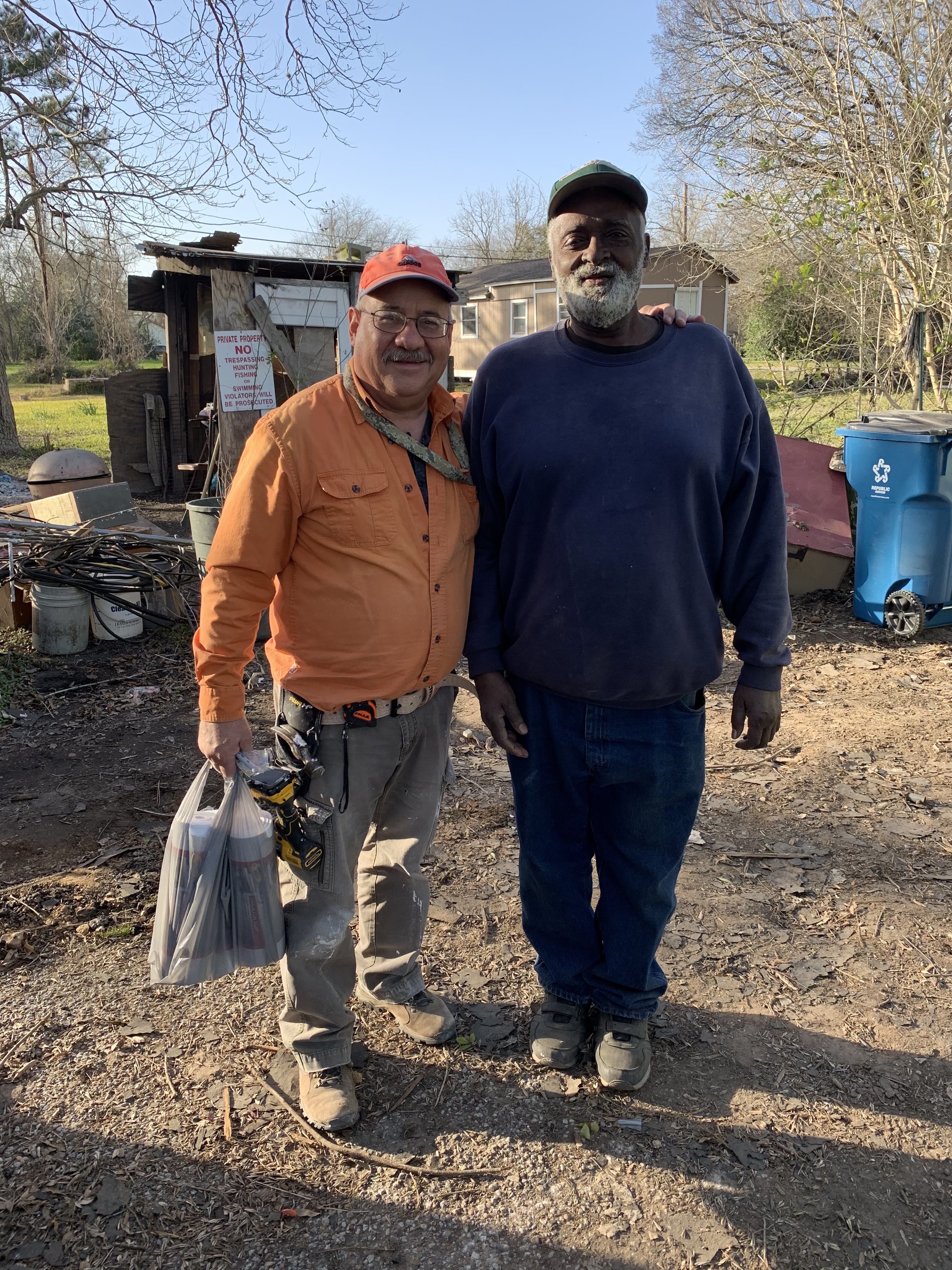
One of the best things about serving others is making new friends. In December of last year, I learned about Mr. Henderson, an elderly man in Brookshire whose home had fallen into horrible disrepair. I had to see things for myself — and that meant closing the distance between myself and Mr. Henderson.

When I moved in Mr. Henderson’s direction and met him, I learned just how challenging his situation was. There was no way I could look the other way. I knew that I had to act — to mobilize volunteers to answer Mr. Henderson’s prayers. Working with our friends at The Hangar Unity Center in Brookshire, a ministry of Eyes On Me, we hammered out a game plan to bless Mr. Henderson.

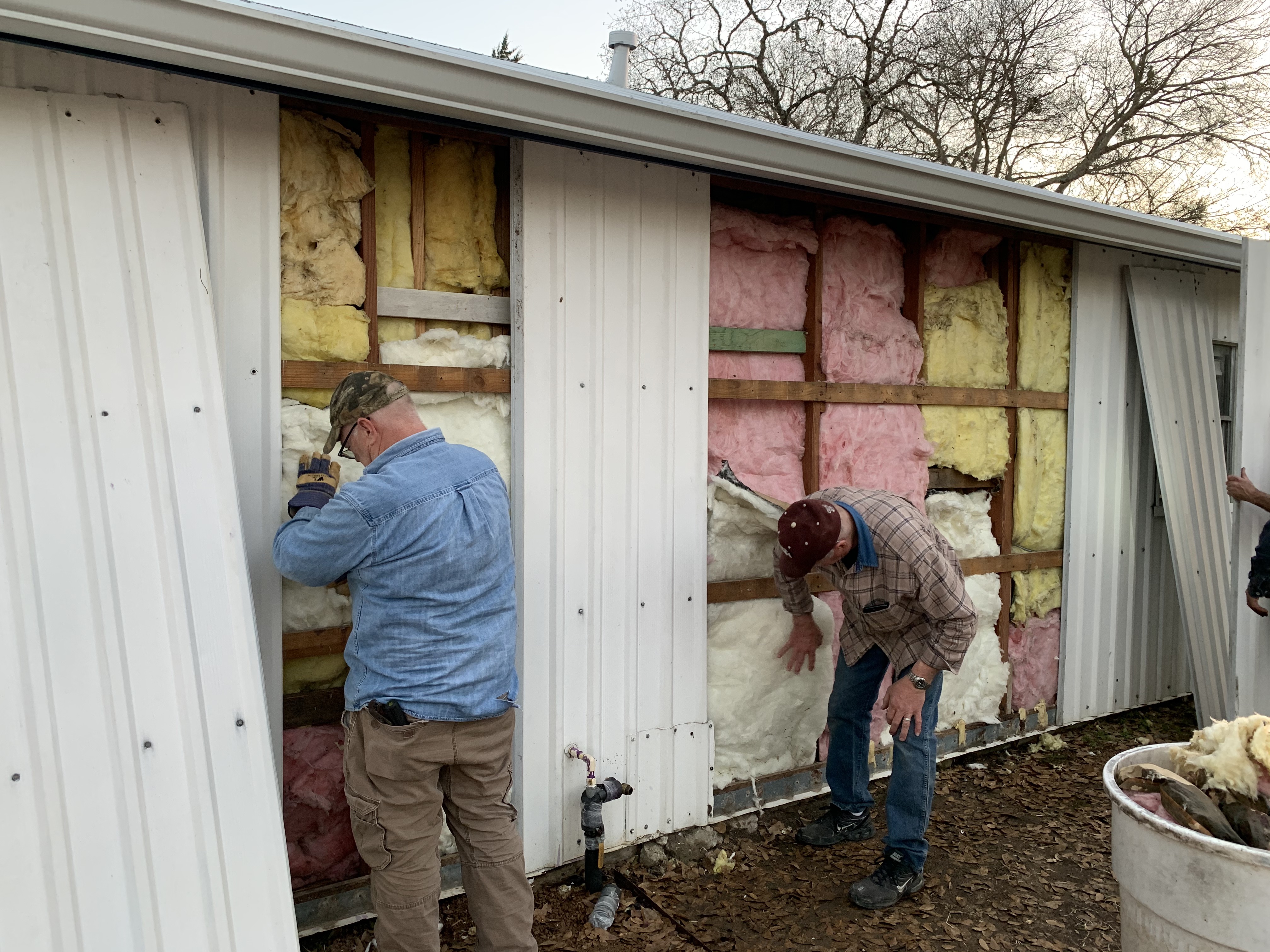
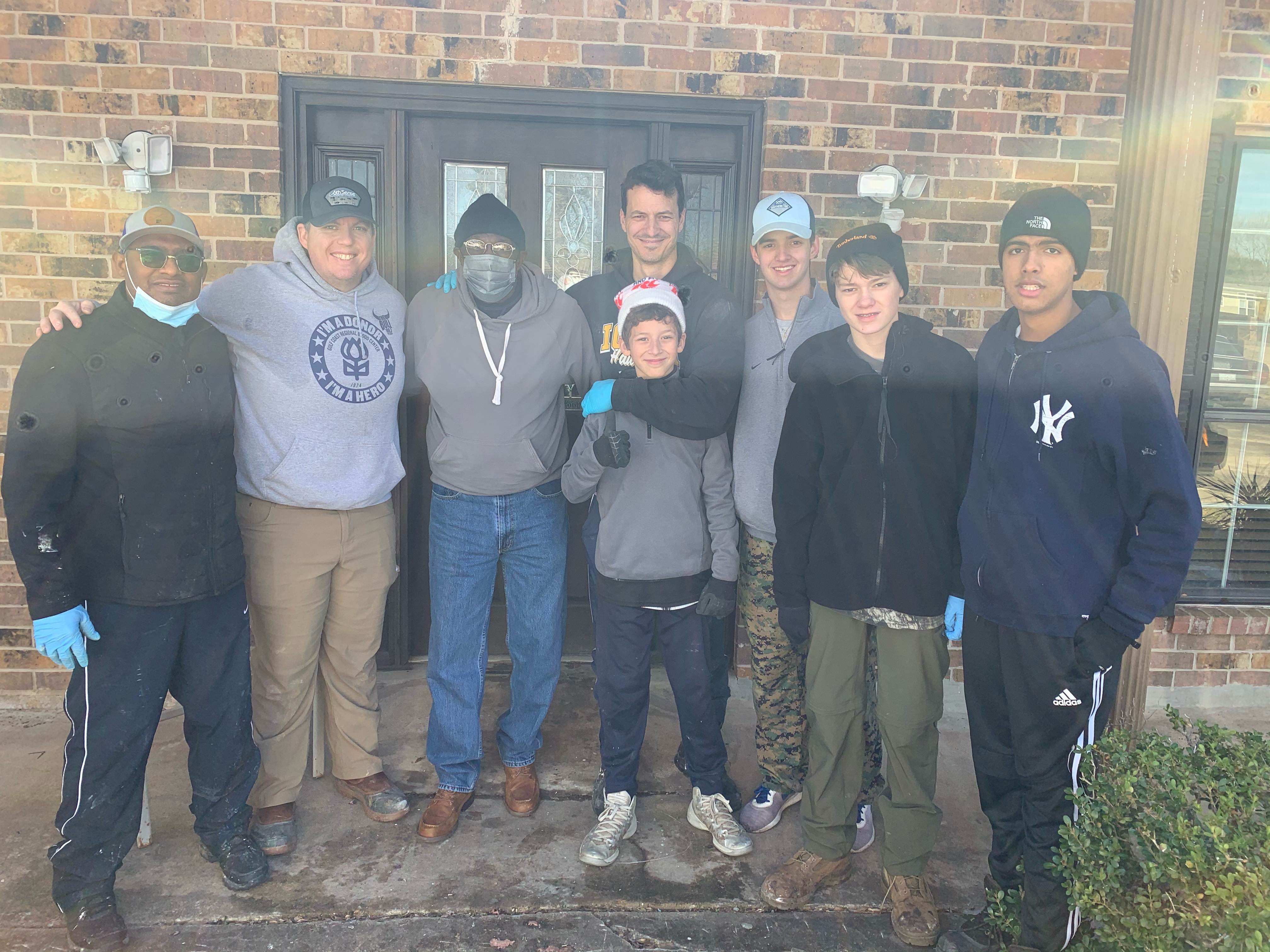
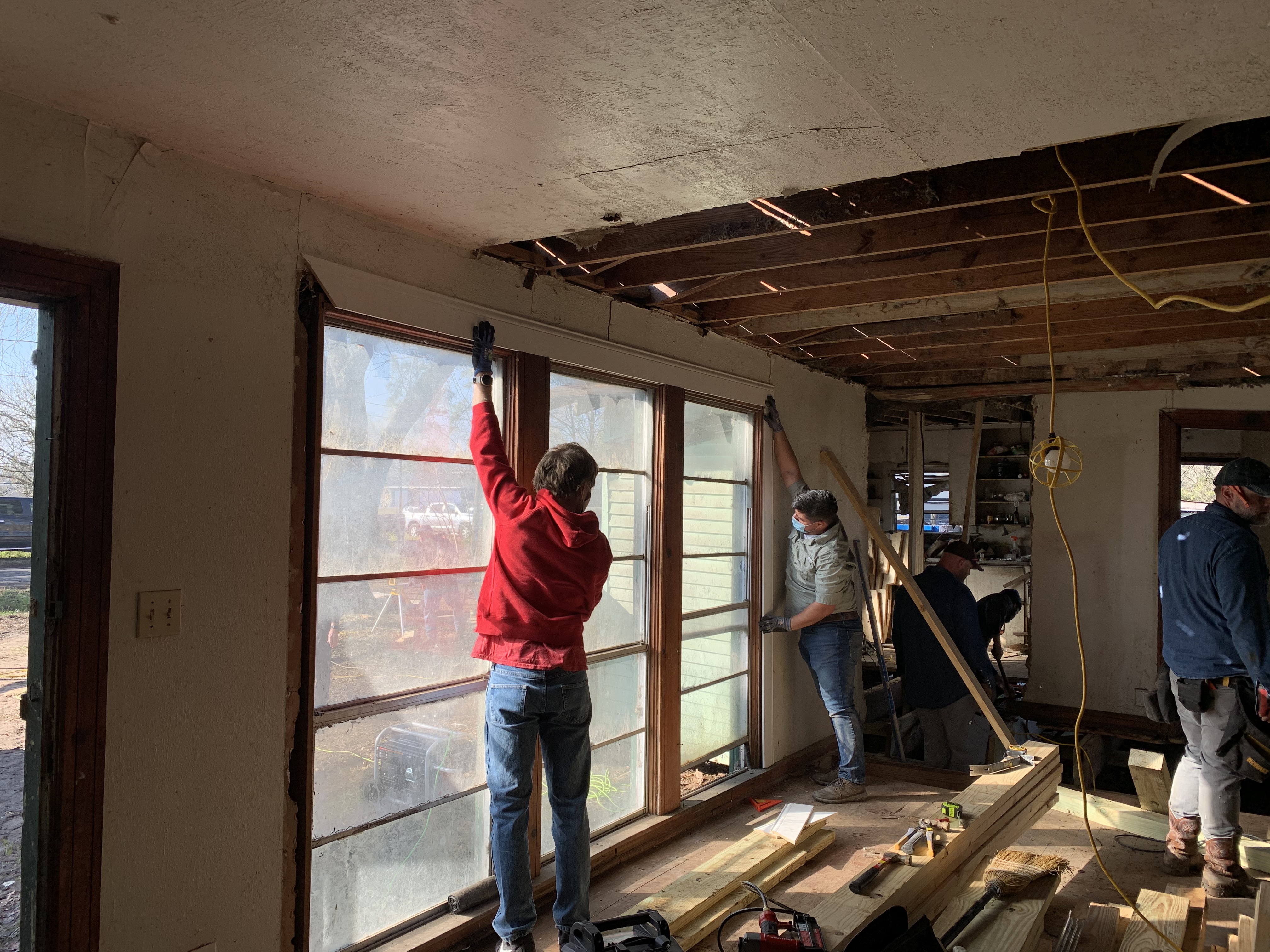
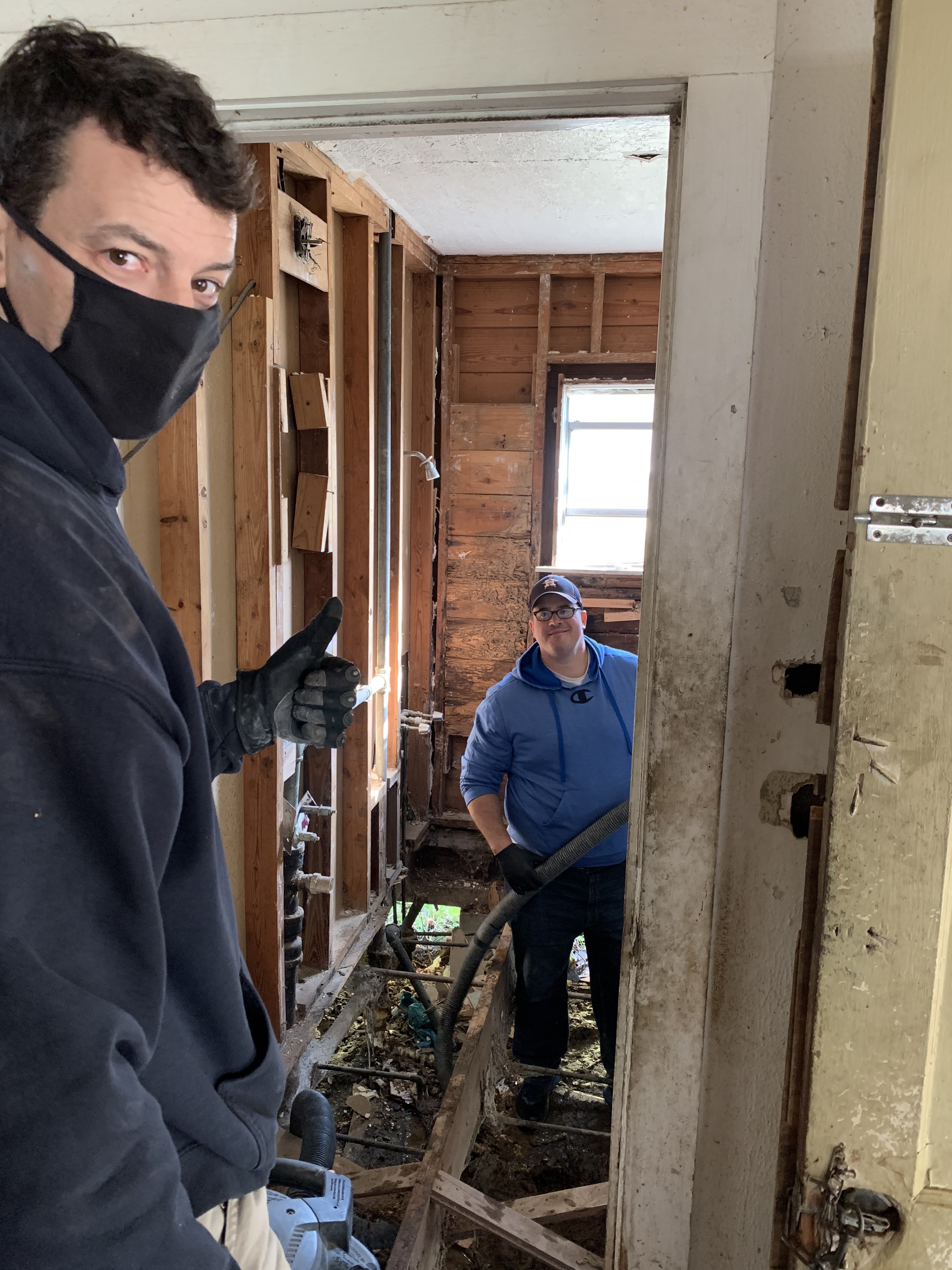
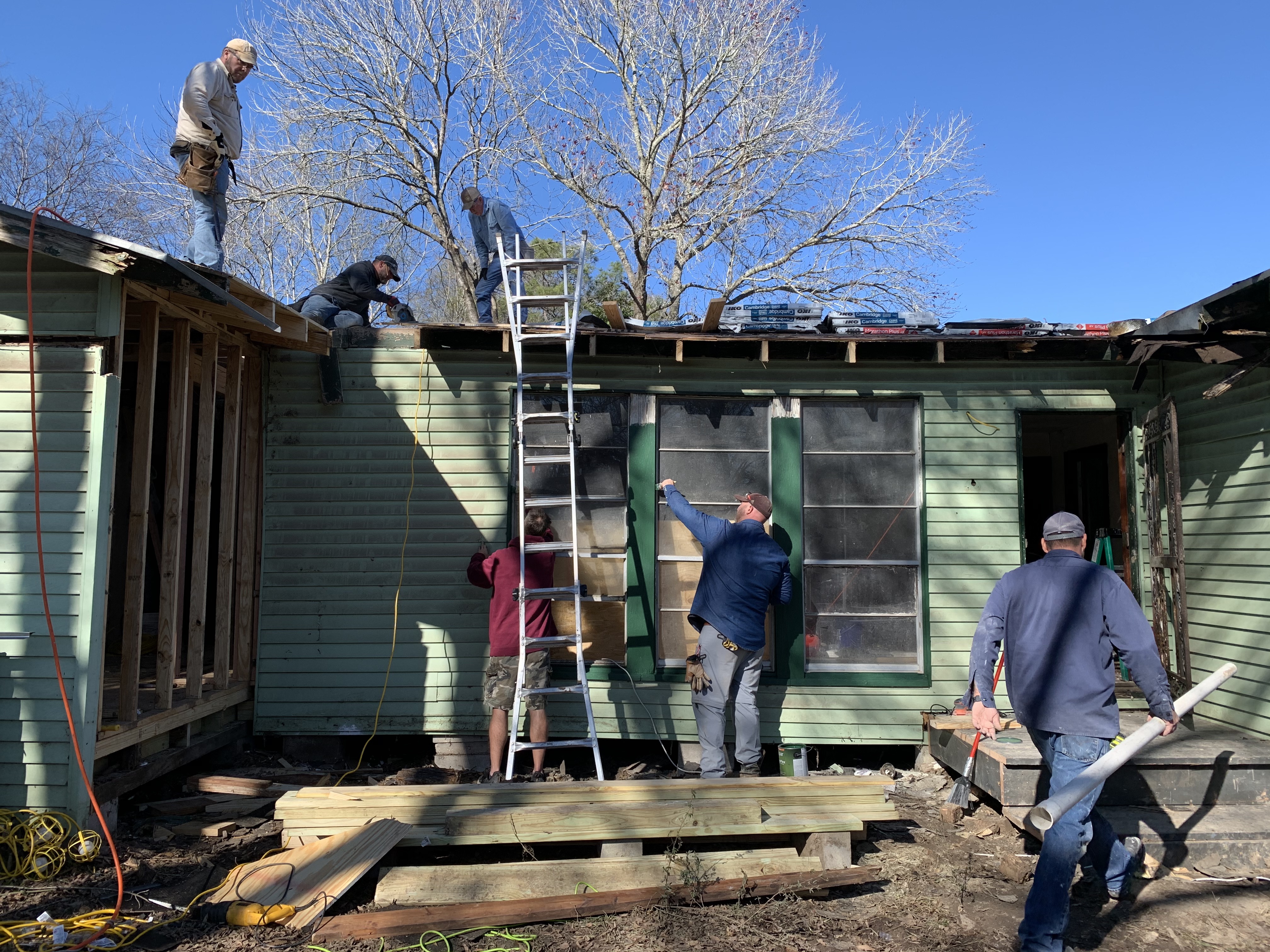
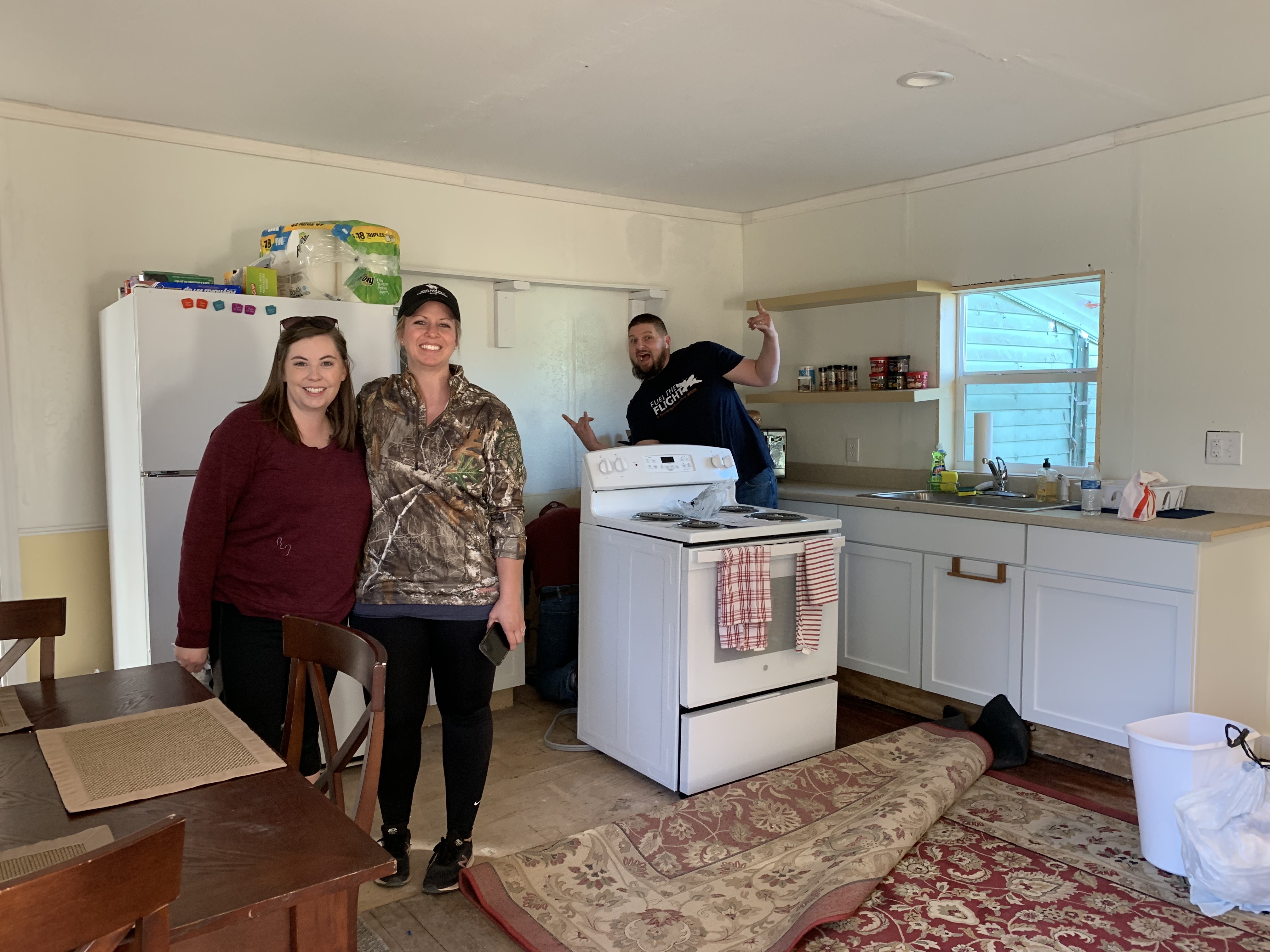
In the span of one week in January, an army of volunteers blessed Mr. Henderson with a home makeover. For the first time in eleven years, Mr. Henderson had running water, a stable roof over his head, and a secure place to live.

Chad Swiggart, videographer for Eyes On Me, prepared a great video about the week we spent blessing Mr. Henderson. I love what we were able to do for this kind gentleman - but the best part of it all for me was making a new friend in Mr. Henderson. I hope you will take a moment to watch the video and listen to Mr. Henderson tell the story in his own words.

Posted by: Omar C. Garcia | March 8, 2021

2021 International Women’s Day


Today is International Women’s Day.

The theme of this year’s International Women’s Day is “Choose to Challenge” because a challenged world is an alert world — and from challenge comes change. This theme also acknowledges the reality that we are most in danger when we are not alert. Bad things can happen to us and to others when we are not alert and fail to understand the times — the historical, political, and spiritual context in which we live.

As the church we must choose to challenge — to call out the many ways in which women in their respective contexts around the world are abused, marginalized, neglected, disrespected, and treated with less than the dignity bestowed on them by God.

In order for us to engage we must first understand what is happening. And in order to understand what is happening we must see clearly. In the words of the American essayist and philosopher Henry David Thoreau, “It’s not what you look at that matters. It’s what you see.”

The parable of the Good Samaritan recorded in the Gospel of Luke (10:25-37) illustrates the difference between looking at something and actually seeing. In this story, a man on a journey was robbed, beaten, and left for dead on the side of the road.

A priest and later a Levite walked down that road and “saw” the poor fellow who had been beaten and left for dead. Sadly, both of them continued on their way. Neither of them stopped to render aid.

However, later in the day a man from Samaria walked by. The Scripture records that he also “saw” the man. However, when he saw him he felt compassion (Lk. 10:33) and that made all the difference. What he saw prompted him to move in the direction of a man in desperate need.

The Samaritan was willing to stop, alter his schedule, and spend his personal resources in order to help another. He displayed what the great American civil rights leader Martin Luther King, Jr. called “a dangerous unselfishness.”

King suggested that the priest and the Levite likely thought, “If I stop to help this man, what will happen to me?” But the Good Samaritan reversed the question: “If I do not stop to help this man, what will happen to him?”

And, that’s the question before each of us!

The Gospel of Mark records an account of the only miracle that Jesus performed in two stages (Mark 8:22-26).

A blind man was brought to Jesus at Bethsaida. Jesus took the man aside, put spit on his eyes and laid hands on him, and then asked him if he could see anything. The man replied that he could see men, but they looked like trees walking about — an indication that his sight was blurry.

Jesus laid His hands on the man’s eyes a second time and, as a result, the man could finally see others clearly. Jesus could have healed the blind man with one touch but chose instead to touch the man’s eyes a second time. Perhaps He did so to remind us that insight often comes slowly.

If we are to understand the times and choose to challenge, then we must ask Jesus to touch our eyes a second time so that we too can see clearly.
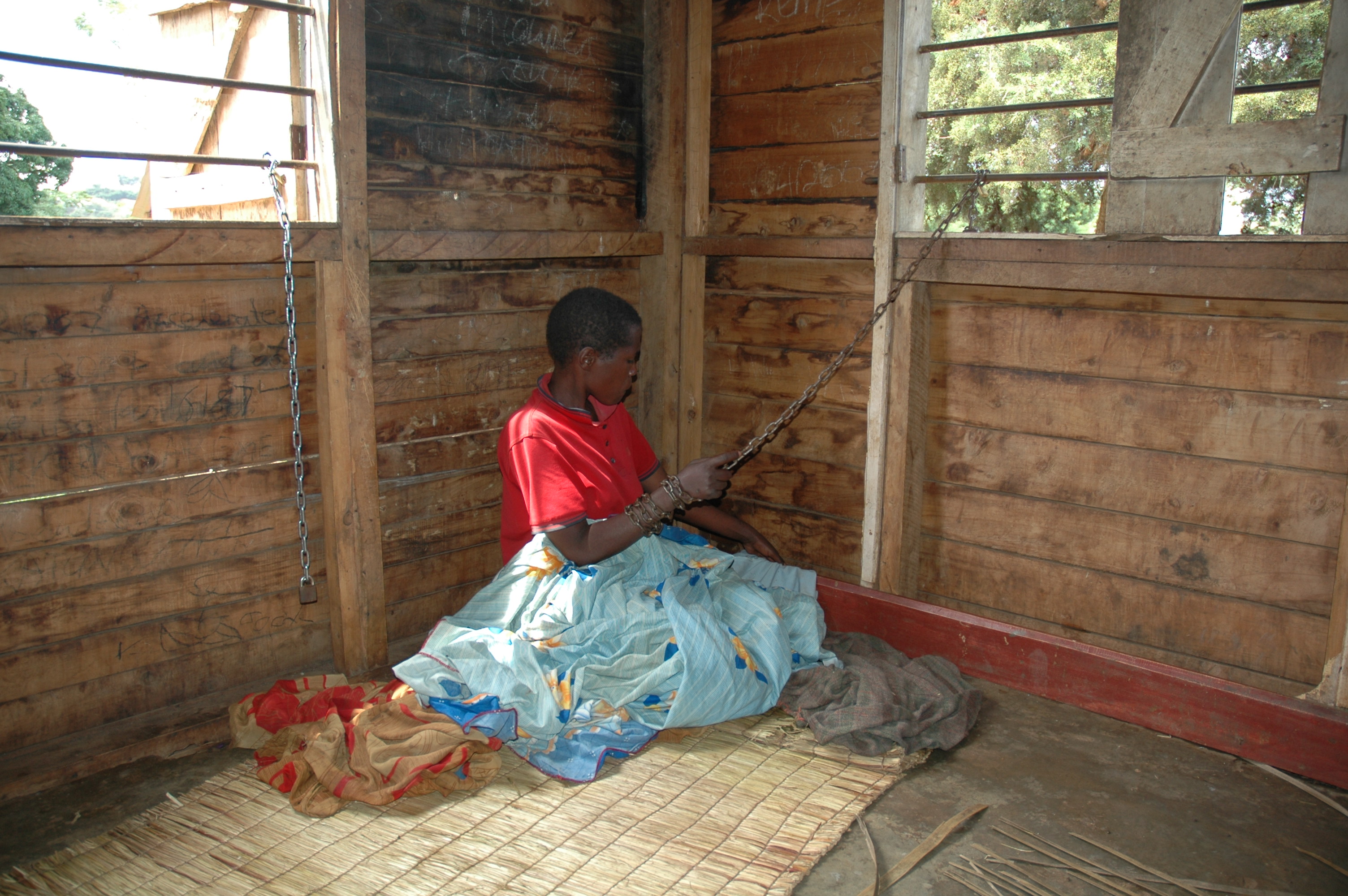

Hurt and abuse most often happen out of our sight. That’s why we need that second touch that can give us greater vision and insight into the things that happen in the shadows. We must slow down enough to look to our left and to our right in order to develop peripheral compassion — the kind of benevolence that is born out of awareness of what is happening in the periphery of our vision.

Ten years ago I came across a heartbreaking story about a woman named Marie Joseph — a 36-year old mother of five children who went to the community swimming pool to get a little relief from the summer heat.

The swimming pool was packed with people. At some point, a 9 year-old boy saw Marie going down a slide and into the water — but he never saw her resurface. So, the little boy told one of the six life-guards on duty but the life-guards failed to act.

The following day the pool was once again packed with swimmers splashing about and enjoying the water. Then, late Tuesday night after the pool was closed, Marie Joseph’s body floated to the surface at the deep end of the pool.

It’s hard to imagine how a woman could drown in a public swimming pool packed with swimmers and go unnoticed for two days. Six trained life-guards on duty, two teams of pool inspectors, and hundreds of swimmers failed to see Marie Joseph’s lifeless body lying at the bottom of the pool.

Perhaps if the life-guard had acted on the word of the little boy who promptly reported his concern this story might have had a different ending. It appears that a combination of unfortunate factors and distractions converged to keep numerous people from noticing Marie Joseph. She died in plain sight and nobody noticed.

Marie Joseph’s story illustrates the plight of many women today. So many young girls and women are drowning in pools of abuse, in filthy brothels where human traffickers have enslaved them, in cultures where they are victims of violent gang rapes or honor killings, and in marriages where they suffer abuse at the hands of misogynistic husbands.


Girls and women are the most common victims of gendercide which is expressed in three forms: feticide, or sex-selective abortion, infanticide, and gender-based violence.

In countries like India, for example, the three most dangerous words are “It’s a girl.” In 2007, UNICEF estimated that as many as 7,000 girls are aborted in India every single day. Those numbers are likely higher today. And every single day any newspaper in India will include stories of infanticide and gender-based violence against women.

In 2008 while visiting our pregnancy help center in Uganda, I was introduced to the terrible truth about how very young girls are seduced and abused by sex traffickers. What I learned made me angry. How could one human being so abuse another and rob young girls of innocence they would never regain? This was yet another ugly expression of the violation of the sanctity of human life.

After my visit to the aftercare home that cared for young girls rescued from human trafficking in Uganda, I thought about the words of abolitionist William Wilberforce who said, “You may choose to look the other away but you can never say again that you did not know.” I could not look the other way. I knew I had to act.

A friend asked me what I intended to do. “I will challenge the women of my church,” I said. “This injustice against young girls will make them angry and they will become champions for these young girls and others like them.” And that is exactly what happened.

Over the past ten years, Kingsland has invested hundreds of thousands of dollars in championing the rights of young girls trapped in the unspeakable hell of being raped daily for the profit of sex traffickers. We mobilize women’s teams to travel internationally to work with our partners in the fight against human trafficking.

Our engagement in this arena began with seeing something horrible that in turn triggered compassion that led to a challenge that resulted in a response that has changed the world for young girls and women in several countries. We are more alert than ever to this horrible reality.

As Christ-followers, our response to what we see reveals much about us and whether we truly embrace the teaching of a biblical worldview that affirms the worth and dignity of others and calls us to move in the direction of people in need in order to make difference.

What are you looking at — or more importantly, what have you seen that has broken your heart?

What will you do to offer the kind of life-saving aid that the Good Samaritan offered?

How is God stirring you to become a champion for those in need?

And when you look back on it all in years to come, what will you be able to say about how you responded when your life intersected with something that broke your heart?

Ask Jesus to touch your eyes a second time and to make you alert to what is happening around you. Determine to act on behalf of the weak. Support initiatives that acknowledge the worth of women and restore dignity to girls and women around the world. Choose to challenge and do your part to change the world.

Posted by: Omar C. Garcia | March 7, 2021

Caring for Katy 2021

For the thirteenth year in a row, we closed the doors to the church on a Sunday to go out into the community to be the church. On the last Sunday in February, the people of Kingsland did not come to our campuses to hear a sermon. Instead, they ventured beyond our campuses to be the sermon!

Caring for Katy is one of my favorite days of the year. On this special day we corporately do on a single day what many of our small groups do throughout the year — we move in the direction of people in need.

To add insult to injury, Winter Storm Uri sucker punched folks already hurting from everything pandemic related. There was no better time for us to leave the building to address needs than now.

More than 50 of our small groups engaged in serving others throughout the Katy and Brookshire communities. As a result, needs were met, prayers were answered, and hope was restored to people drowning in desperation.

I am grateful for the Kingsland family for providing both the human and financial resources for us to selflessly serve others in these days of great need. In addition to meeting needs, I love that Caring for Katy provides families with an opportunity to make memories of serving others together. We believe that serving others is a key component in the spiritual formation of the next generation.

Special thanks to every volunteer, young and old, who donned a green shirt and spent the day being the hands and feet of Jesus. Our media team put together a short video that is representative of what Caring for Katy is all about. Enjoy.

Posted by: Omar C. Garcia | February 22, 2021

In the Service of Others

As if to add insult to injury, the great state of Texas was slammed by a winter storm that left us all shivering — inside our homes as well as outside.

The snow that covered the greater Houston area transformed our landscapes into winter wonderlands and the unexpected power outages turned our homes into freezers. Families huddled around gas ovens, or gas fireplaces meant more for ambiance than heat, in an effort to stay warm.


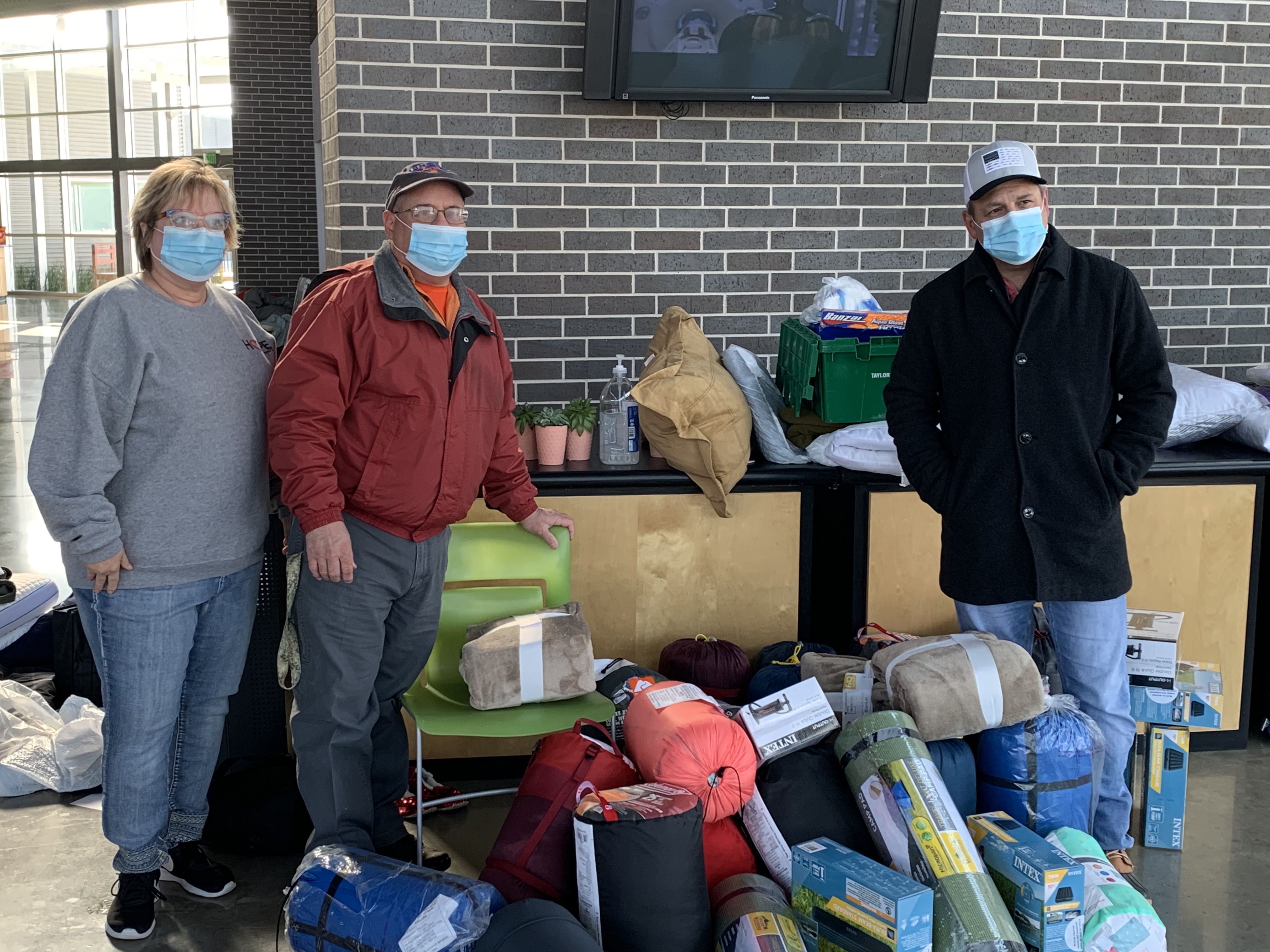
In our suburban community, our good friends at Hope Impacts gathered up the homeless and brought them into a warming center hosted by CrossPoint Community Church. So many came to the center that we had to brave the snow covered streets to find more sleeping bags, air mattresses, blankets, and food to deliver to the center.


The cold, we discovered, is no respecter of persons. The power outages and lack of heat put household plumbing under too much stress — so much, in fact, that pipes in homes great and humble broke apart and flooded already frozen homes with cold water. Ceilings gave way under the weight of wet insulation and came crashing down.

Many folks without heat found themselves without water. The cold became even more unbearable and the situation even more miserable. So, our missions ministry sprang into action. This was no time to play it safe or wait until the weather warmed up. Too much was at stake for too many.


All of this brings me to say how grateful I am for the men with whom I serve and for the men of Kingsland who gladly moved in the direction of people in need in spite of the cold.


Over a period of four days we addressed the needs of more than 30 families in desperate need. We gave priority to widows and the elderly and then others in need, including several ministry partners.


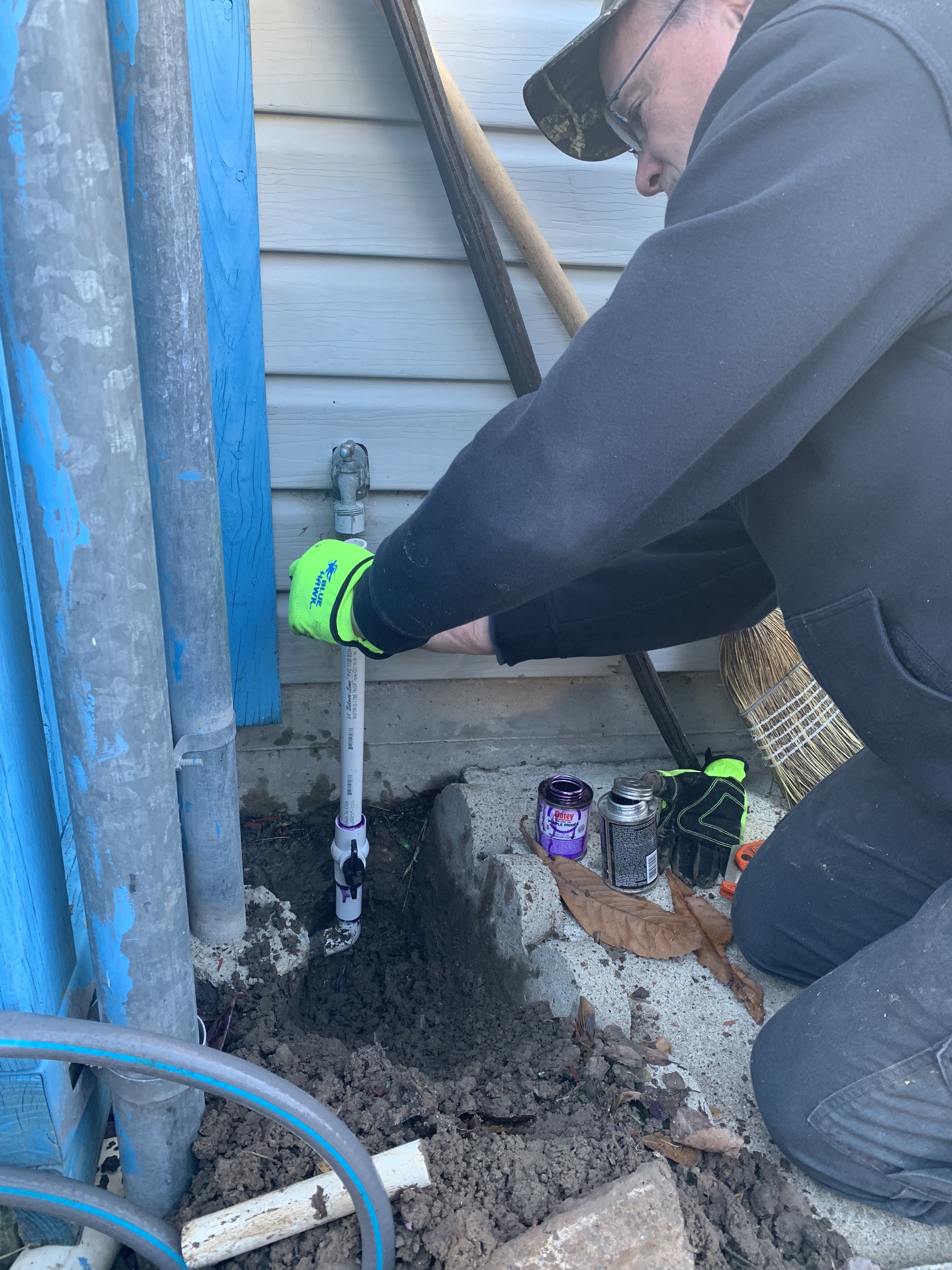
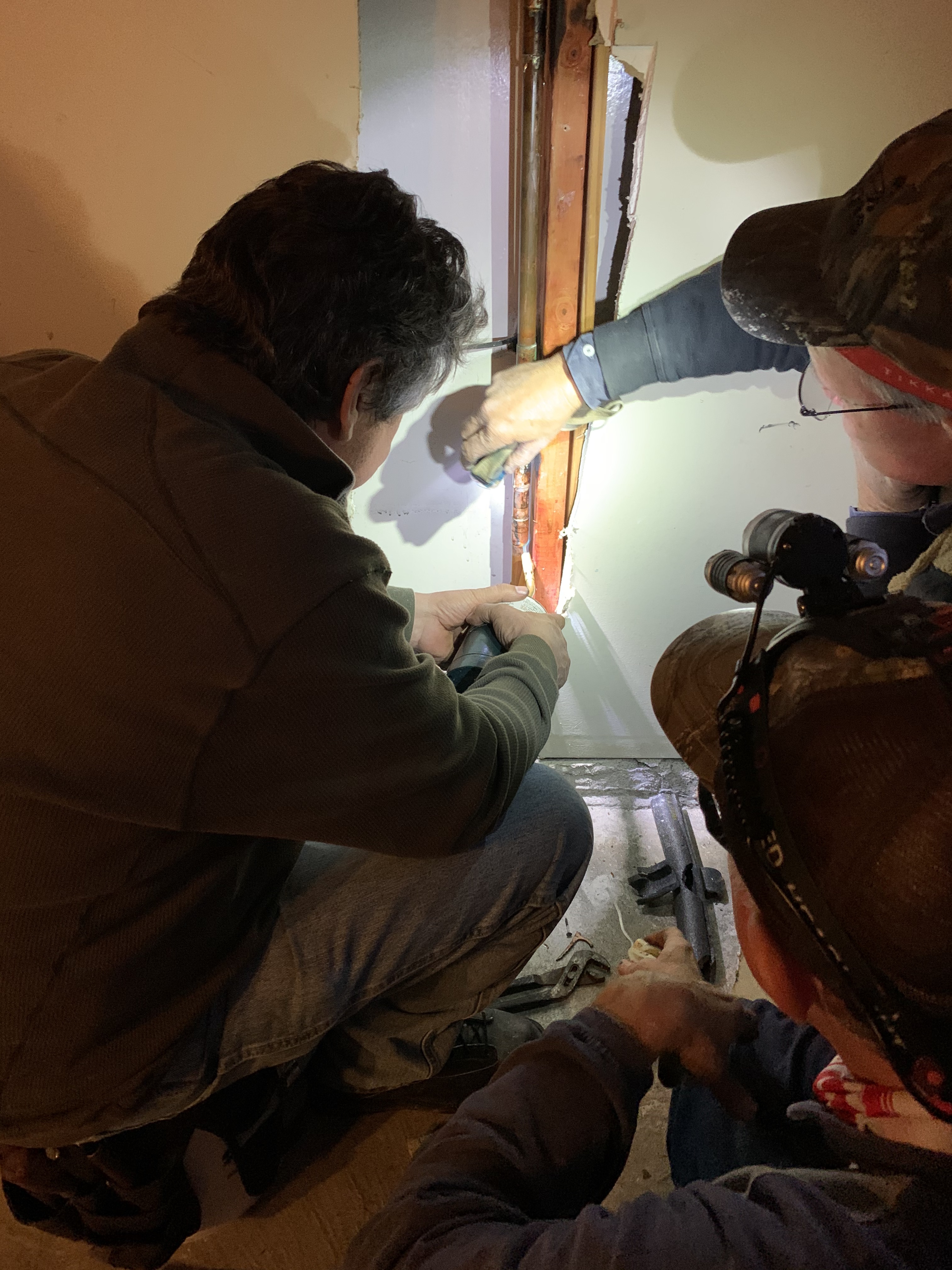
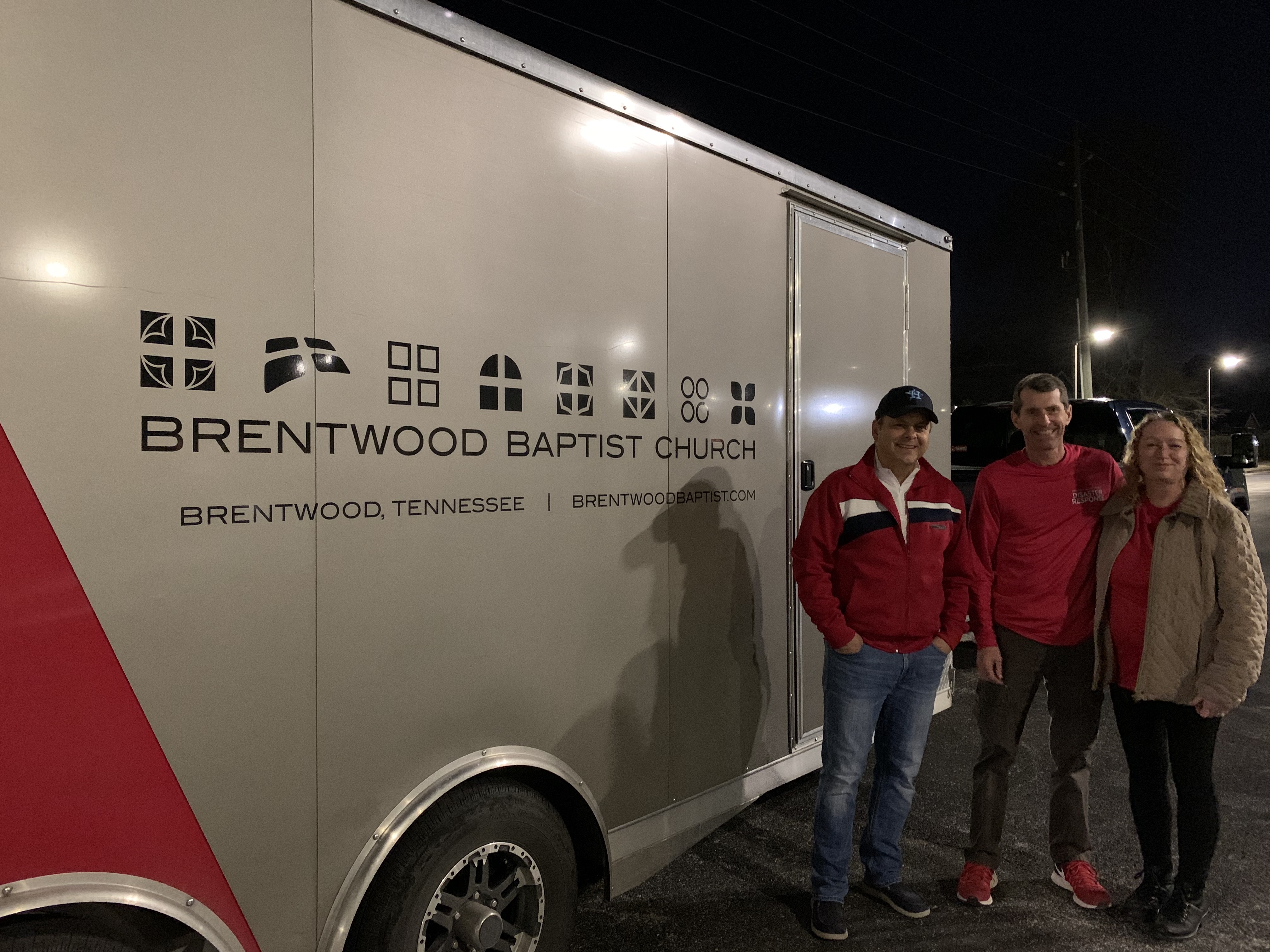
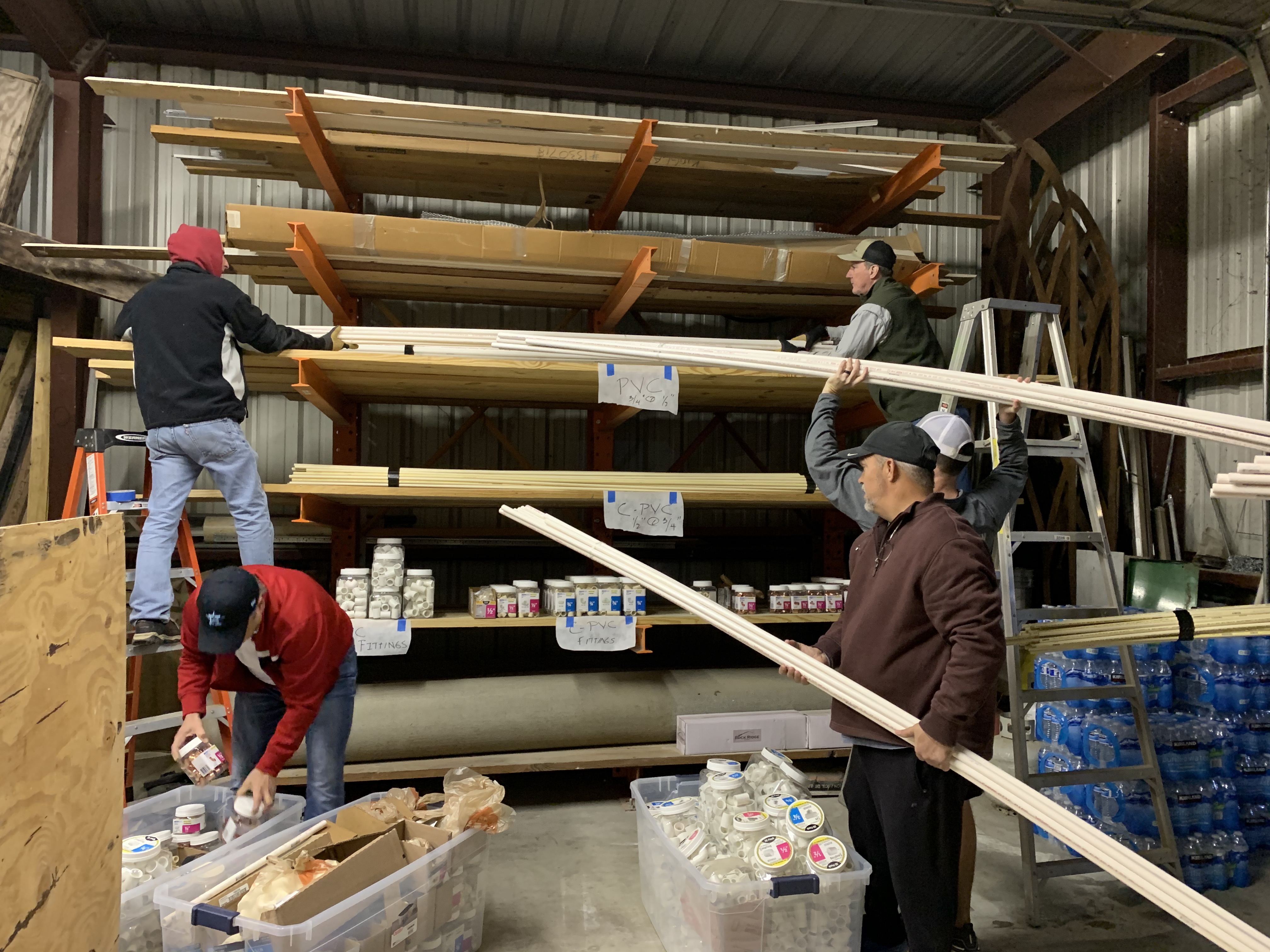
We repaired broken plumbing, removed wet carpeting, cleaned up fallen ceilings and shoveled out loads of heavy, wet insulation. We crawled into cold attics and under houses to repair leaks. With plumbing supplies running scarce, we scavenged through our personal inventories to find enough parts to continue helping while awaiting a shipment of plumbing supplies from Tennessee arranged by Todd Pendergrass, our Executive Pastor.


We prayed with and encouraged widows and families and ministry partners. Our presence in a time of desperation brought hope to folks feeling the overwhelming weight of despair. We made a difference because we moved in the direction of people in need.


At the start of the pandemic I asked myself, “What do you want to say when you look back on these days? Will you be able to say that you glorified God by loving and serving others?” I asked myself the same question during the winter storm.

The reality is that many needs go unmet if we only help others when it is safe or convenient to do so. Choosing to play it safe often leaves others in danger. Inconvenience and risk are at the heart of making a difference.

The winter storm presented us with an opportunity to heed the words of the old hymn:
Rise Up, O Men of God
Have done with lesser things;
Give heart and soul and mind and strength
To serve the King of kings.


As I worked alongside the men on our staff and their sons, my Band of Fathers group, and the men of Kingsland, I thought about my favorite line from the remake of The Magnificent Seven: “To be in the service of others, with men I respect, like you all, I shouldn’t have to ask for more than that.”

Posted by: Omar C. Garcia | February 11, 2021

Lessons From Failed Adventures

I love adventure.

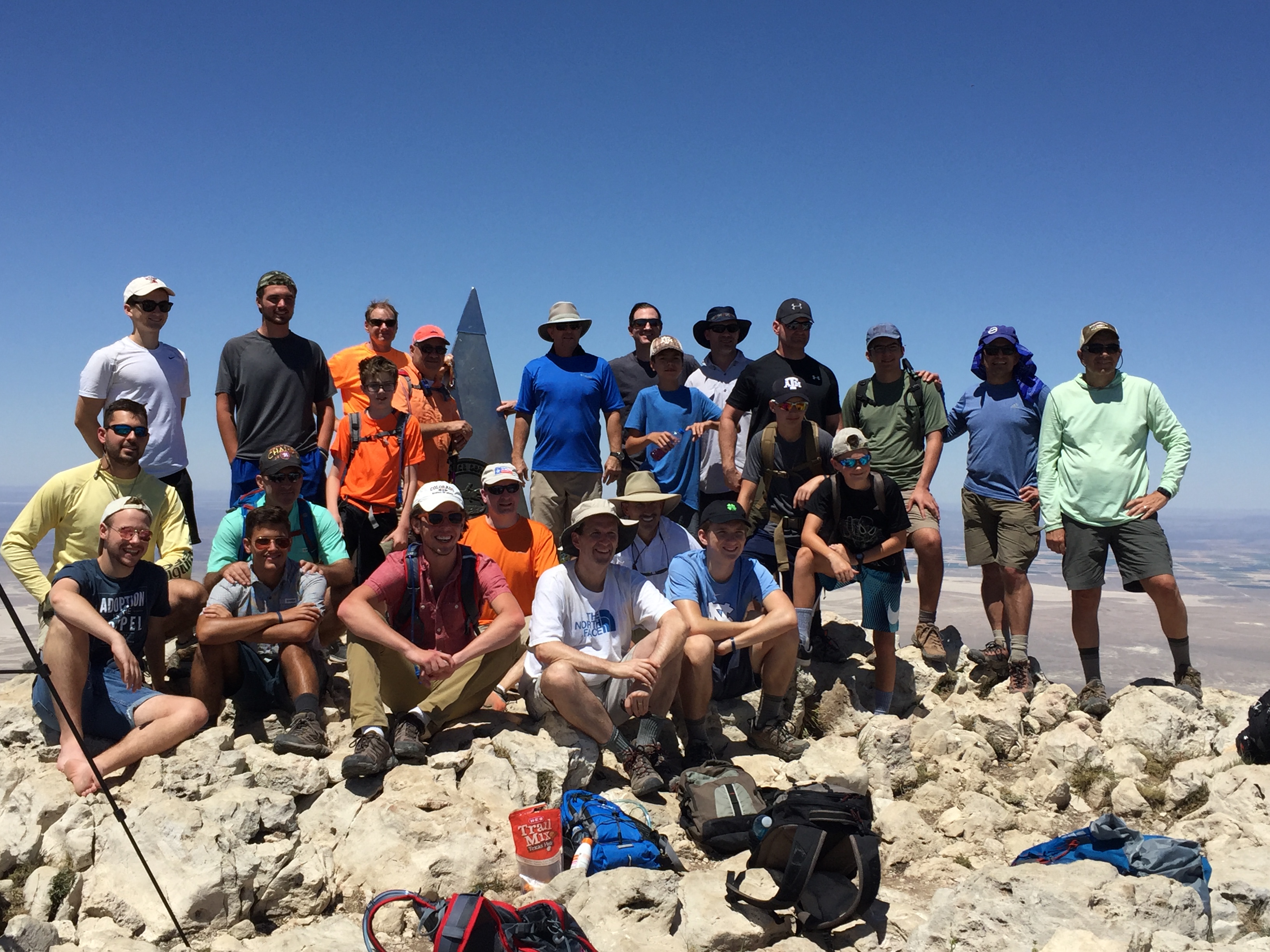
Over the years, I have participated in amazing adventures from the Lone Star State to the ends of the earth. I not only enjoy adventures that make my heart race, I also like everything about researching, planning, making lists, packing gear, and every little thing associated with preparing for a grand adventure.

I also love shared adventure.

For the past several years I have met with a small group of men dedicated to embracing God’s vision for biblical manhood. We call ourselves Band of Fathers. In addition to meeting weekly to study together, we also enjoy serving others together and sharing adventures.


We consume lots of books about fatherhood and manhood written from a biblical worldview. We also read and discuss books about explorers and adventures.

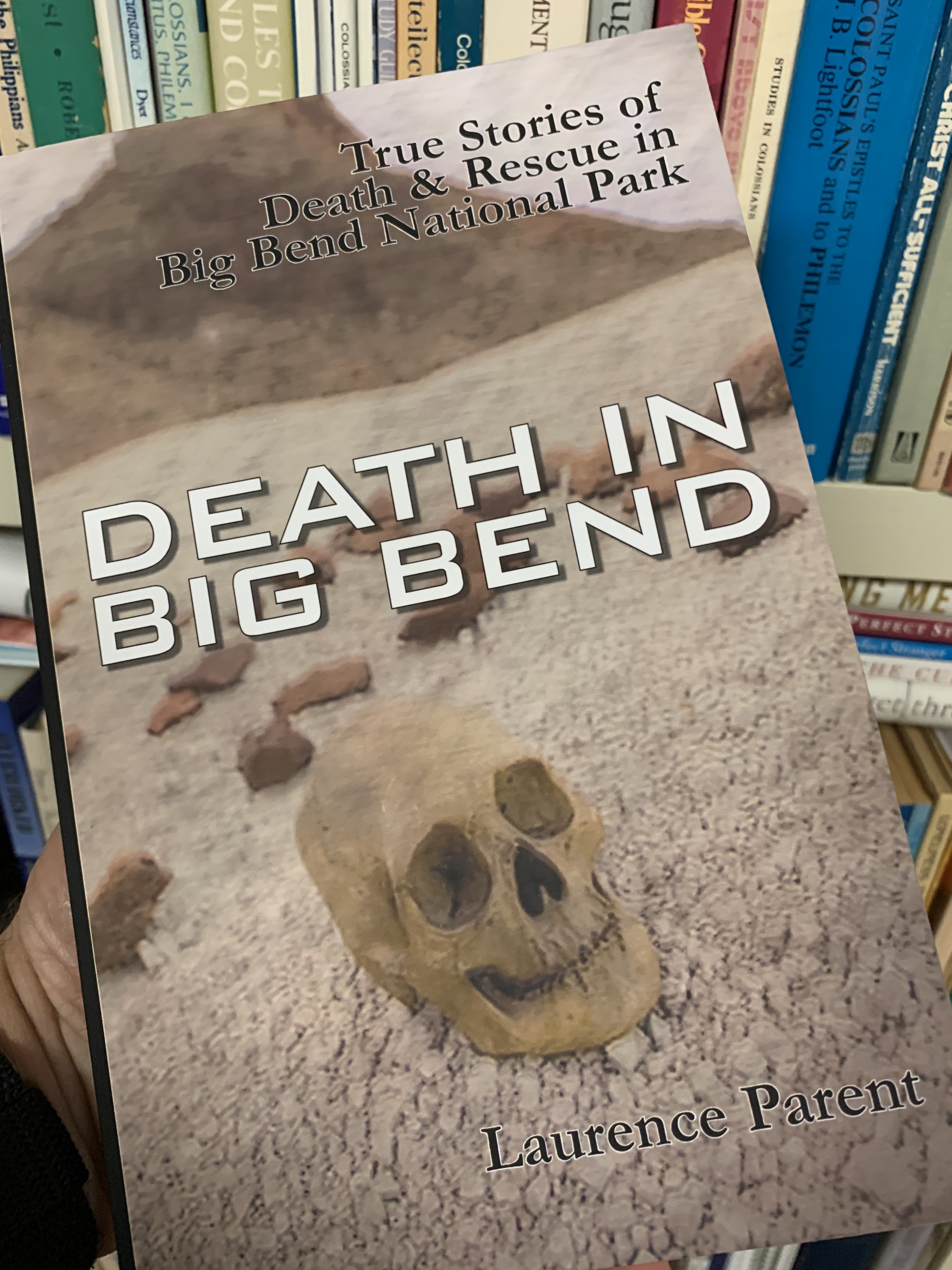
We recently completed a sobering book entitled “Death in Big Bend: True Stories of Death and Rescue in Big Bend National Park.” In reality, only two of the stories are about guys who survived their respective adventures gone awry. The rest were not so fortunate.


Our purpose in reading this particular book was to glean lessons about the things that can get men into trouble — deep and often deadly trouble. The outdoor stories recorded in this book serve as metaphors for how men fail, fumble, or fall in their everyday lives.

What follows are lessons we gleaned from these stories. Heeding these simple lessons can help men survive and even thrive when things take a turn for the worse.

Alone is dangerous.

I confess that I have adventured alone, many times. Adventuring alone, however, can be dangerous. Doing life alone can also be dangerous. An old pilgrim writer cautioned that Satan is a pirate looking for a vessel without a fleet.

Adventuring alone is the most common reason the men in the stories got into trouble. With only a few exceptions, all of those who died ventured out alone. They made decisions without anyone to offer an alternative suggestion or to push back on what they were thinking — and when things subsequently started to unravel, these adventurers were vulnerable because they had no one to help them in their time of trouble.

Pride is deadly.
More than one person in the stories got into trouble because they were too proud to accept that they were in deep weeds. As a result, they made choices that led them deeper into trouble rather than considering options that could have saved their lives.

Don’t overestimate your abilities.
The vast majority of the adventurers who died or had to be rescued were physically fit. Many had a good track record of outdoor accomplishments. However, they put too much confidence in their physical abilities. As a result they failed to adequately prepare for possible factors that might compromise their safety or sap them of physical strength.

Don’t underestimate the environment.
The other side of the overestimating-your-abilities-coin is underestimating the environment. Big Bend National Park is situated in the Chihuahuan Desert — a hard and unforgiving place that can quickly bring the most seasoned adventurers to their knees, or worse. When things turn bad nature most often wins, defeating even the toughest guys.

Listen to those with more experience.
Some of the saddest stories in the book are about guys who failed to consult or to take the advice of those with far more experience. Whether failing to listen to those with greater experience about gear or the terrain or other factors, the failure to listen cost more than one of these weekend adventurers their lives.

Be prepared.
Many of the men in the stories died because they failed to follow the old Boy Scout adage to be prepared. Several ventured out without adequate provisions or any kind of contingency supplies for emergencies. Something as simple as a ninety-nine cent space blanket could have saved more than one of the guys who met an untimely end.

Think clearly.
Failing to think clearly resulted in the deaths of several in the book. Many who found themselves in trouble made wrong choices that resulted in things unraveling just a bit more — which led them to make another wrong choice until this cycle resulted in their death.

Live to adventure another day.
This should be the mantra of every adventurer. Sometimes you have to make the hard choice to turn around short of your goal and go back home — and then return to try another day.

In 1908, Antarctic explorer Sir Ernest Shackelton made the hard call to turn back when he was within reach of the South Pole. After assessing his situation, he determined that if he pressed on he and his men would run out of food and die on the way back. He later wrote to his wife, “I thought you’d rather have a live donkey than a dead lion.”

Whether your adventures take you to Big Bend or other locations, I recommend reading this book. If nothing else, the stories will cause you to reevaluate your planning and to take a second look at your gear, your route, and your preparedness. I remain committed to careful planning lest I become the next story of death or rescue in Big Bend or elsewhere.

Posted by: Omar C. Garcia | January 17, 2021

Blessing Mr. Henderson


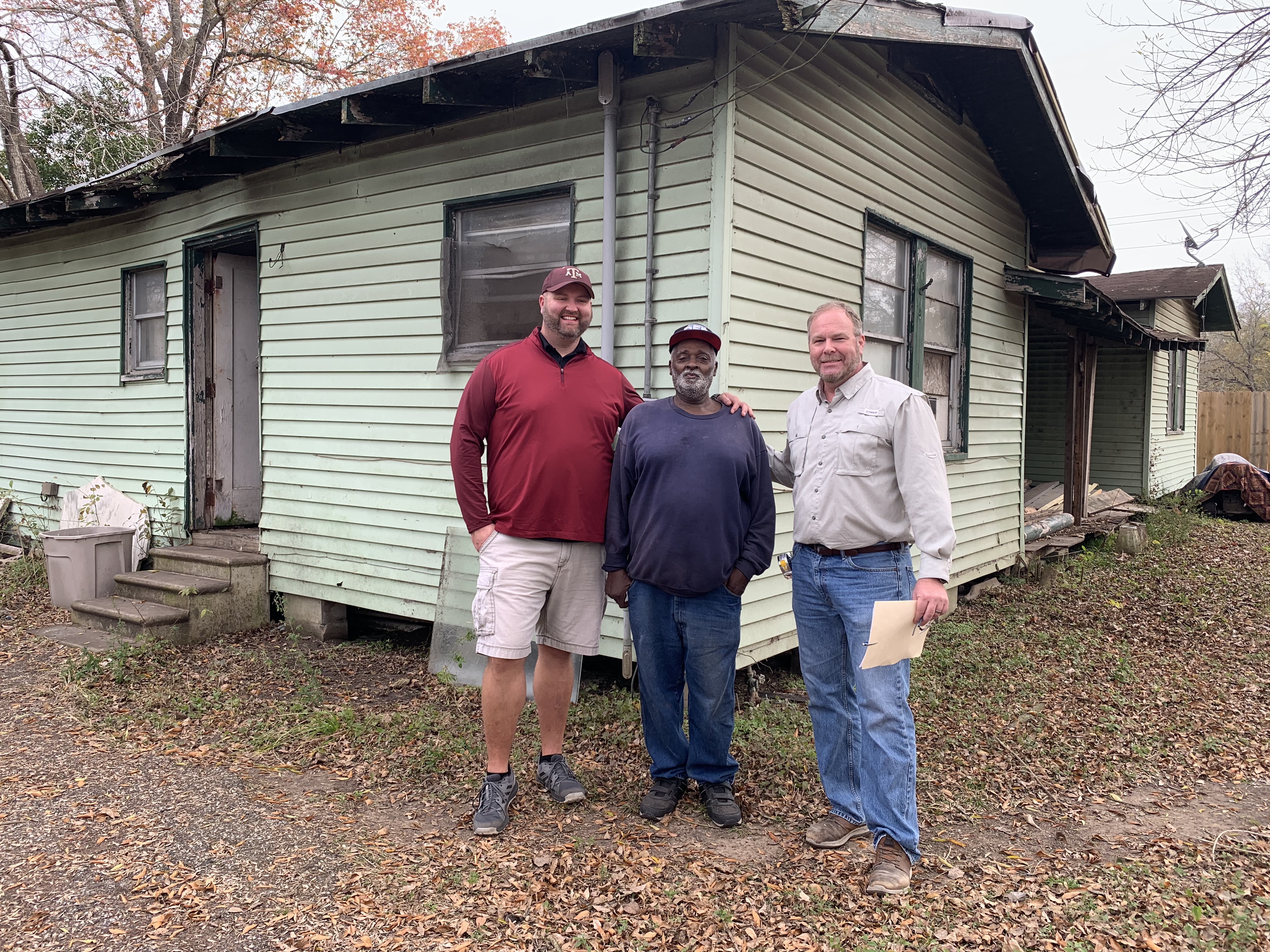
A few weeks ago I learned about the plight of Mr. Henderson, an elderly gentleman who lives in Brookshire. My friends Ryan Orbin and Dr. Maria Sobarzo both told me about him within hours of each other.


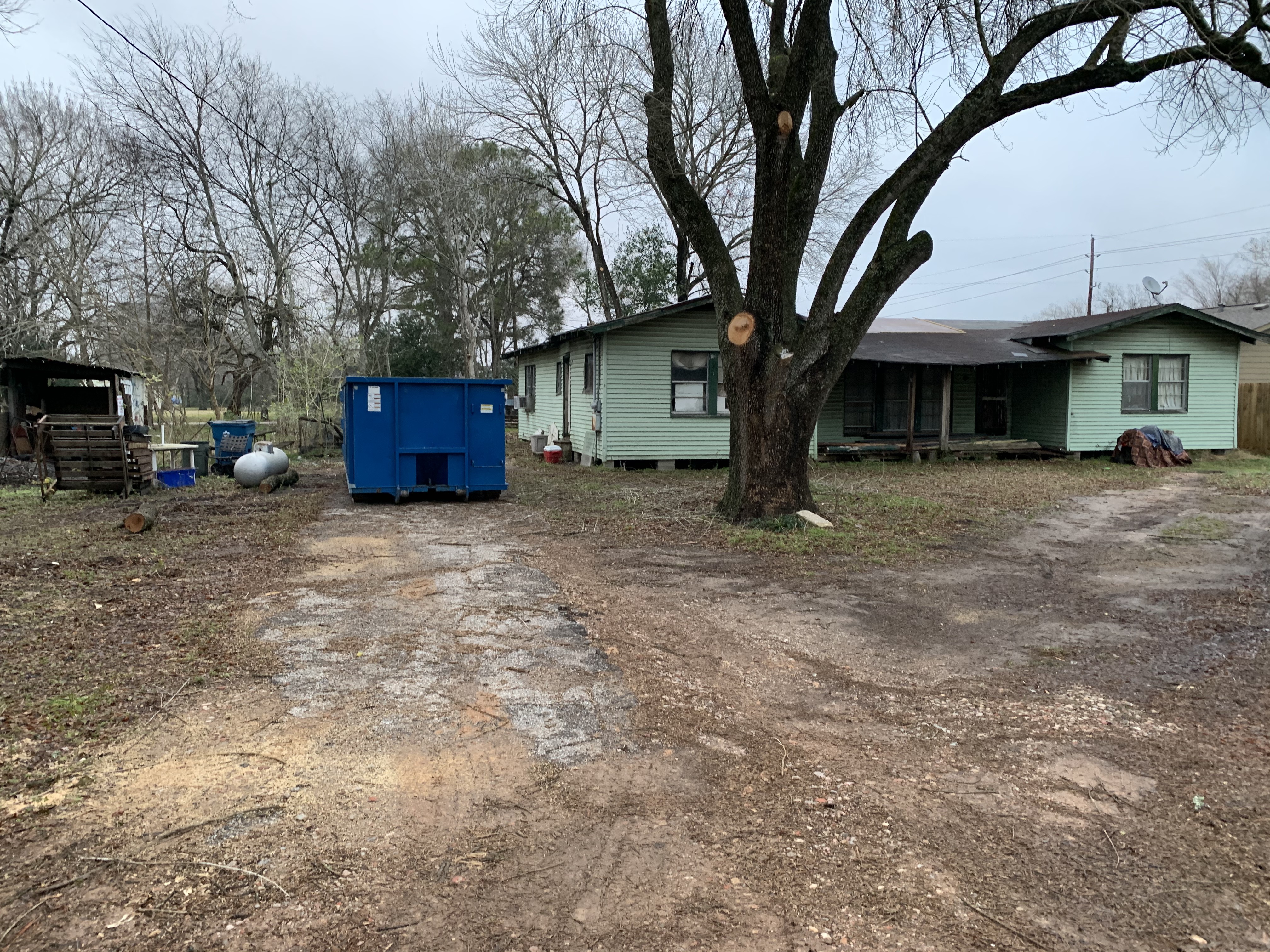
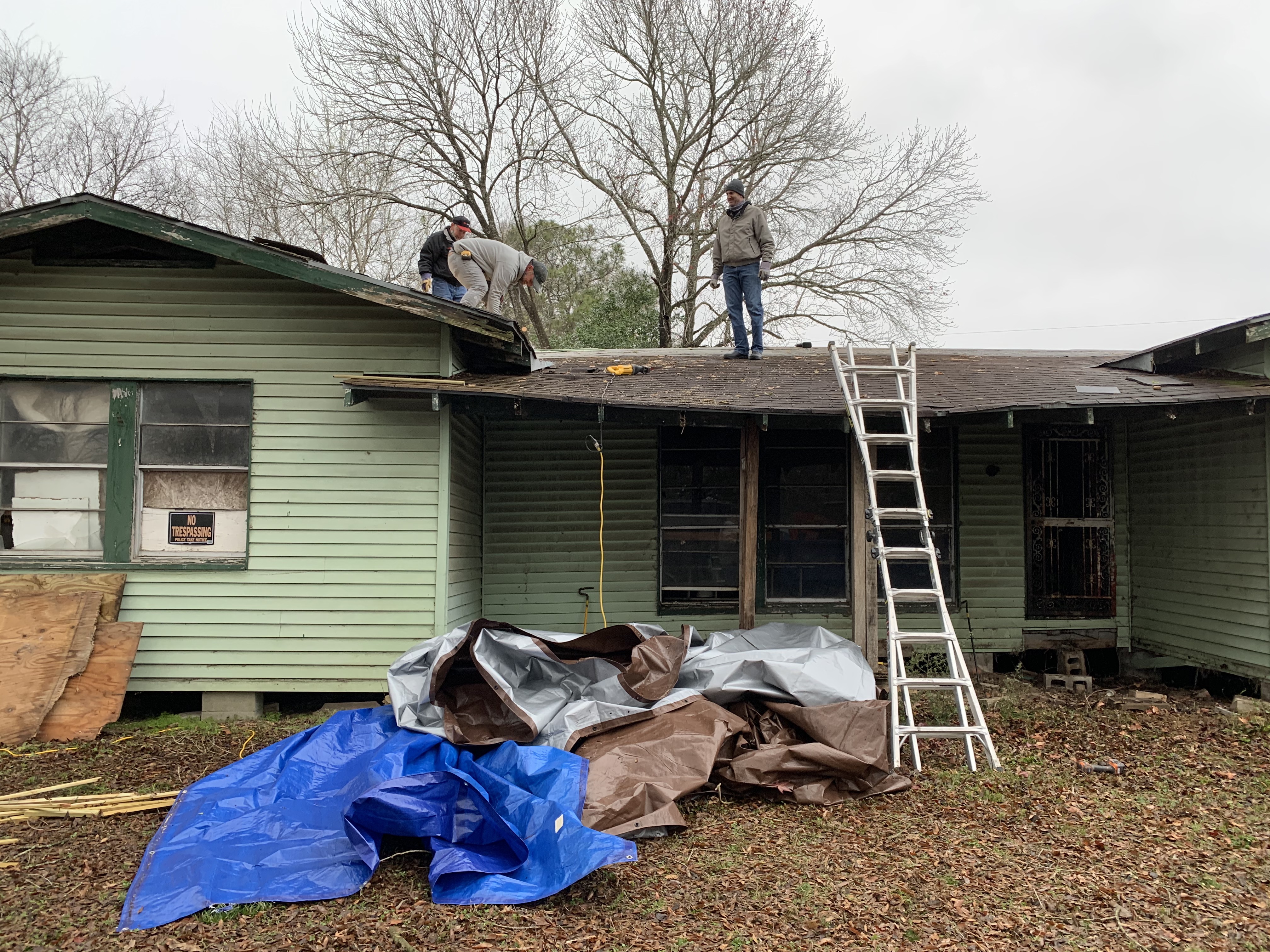
Mr. Henderson, I learned, was living in an old home that had sustained damage during Hurricane Harvey in addition to heavy wear and tear that had compromised the integrity of the house. He had been living without running water for 11 years — and without hot water.

Mr. Henderson learned to live with inconvenience.

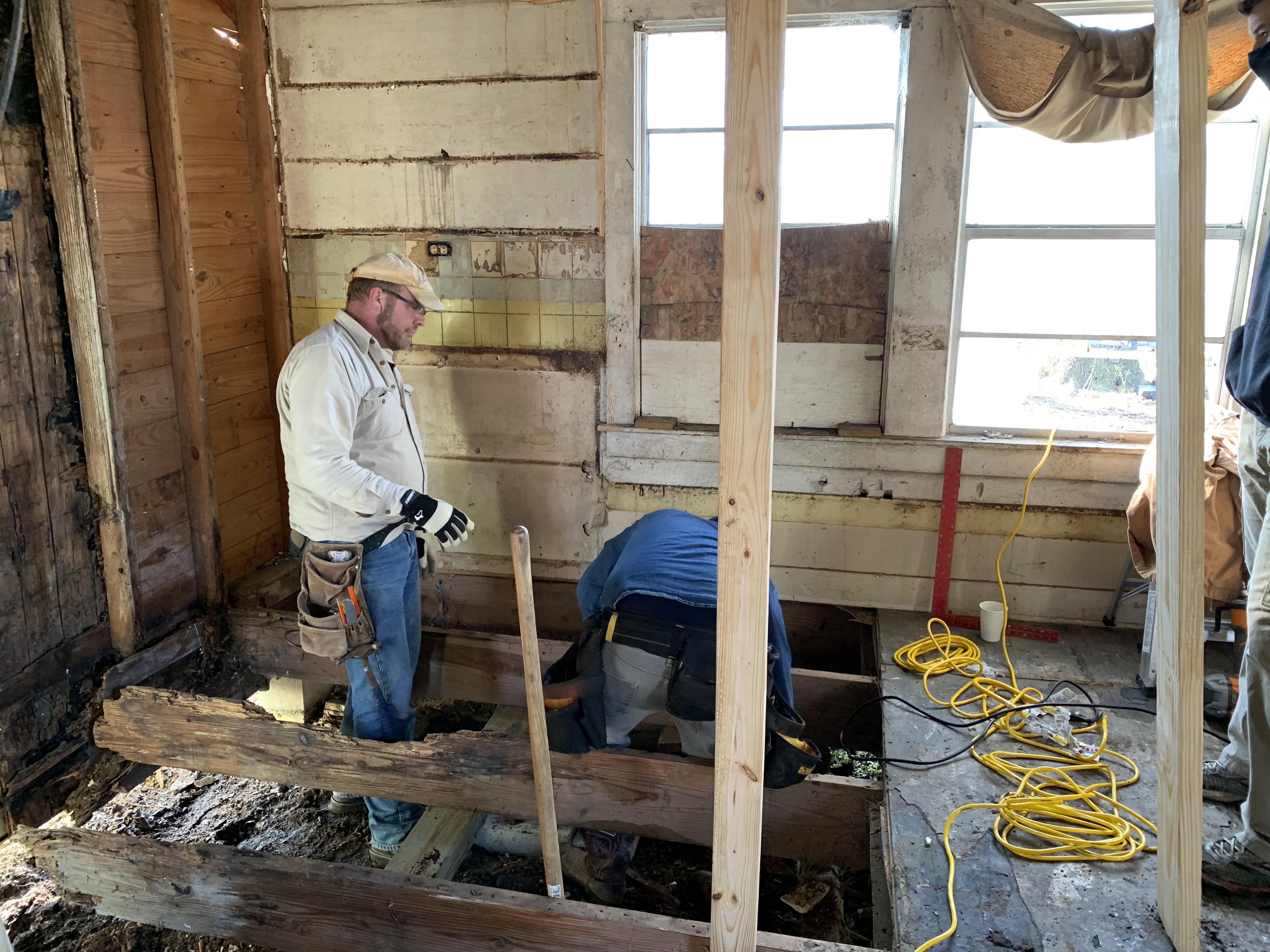
The roof of his house leaked like a sieve every time it rained. Over time, the water damaged and rotted roof rafters, walls, flooring, and floor joists. Over time the plumbing in his home developed so many leaks that he had to turn off the water at the meter.

Once a day, Mr. Henderson turned the water on at the water meter, quickly filled two 5-gallon buckets, and then turned off the water. He boiled water in order to sponge bathe and also used the water in the buckets to flush his toilet — every day for the past 11 years.

When I met Mr. Henderson and looked at his home, my heart sank. The only thing worse than the damage was anyone having to live in those conditions. We had to act.

My initial thought was to mobilize volunteers to repair his home on Saturdays over the span of two months. After more thought, I called Ryan and proposed doing all of the work in one week. This would be a big project, for sure. And everything would have to work perfectly in order to get things done in that time period.


I invited my friends Allen Griffin of Gryphon Builders, and Charles Leftwich, a Kingsland Community Group Leader, to meet me and Ryan at Mr. Griffin’s home. Allen is a master builder and Charles agreed to take a week of vacation to help with the remodeling initiative.


Before we could even start we had to address tree-trimming in order to get dumpsters delivered to the work site. Marcell Hunt and our disaster response chain saw crew took care of the tree trimming. Phil Clausen, also with our disaster response team, did mold remediation in the house prior to our start date of January 11.

Allen assessed all of the damage and put together the work flow for the week plus materials list. Charles helped me with volunteer mobilization and work assignments for volunteers.

Allen’s was the most frequently spoken name through the week. He guided us through the difficult process of rebuilding the home’s infrastructure and raising the damaged side of the house.


Repairing Mr. Henderson’s home was a lot like eating an elephant. This project was certainly a big bite. And the more we got into it the more gristle we found, making it even tougher to chew.


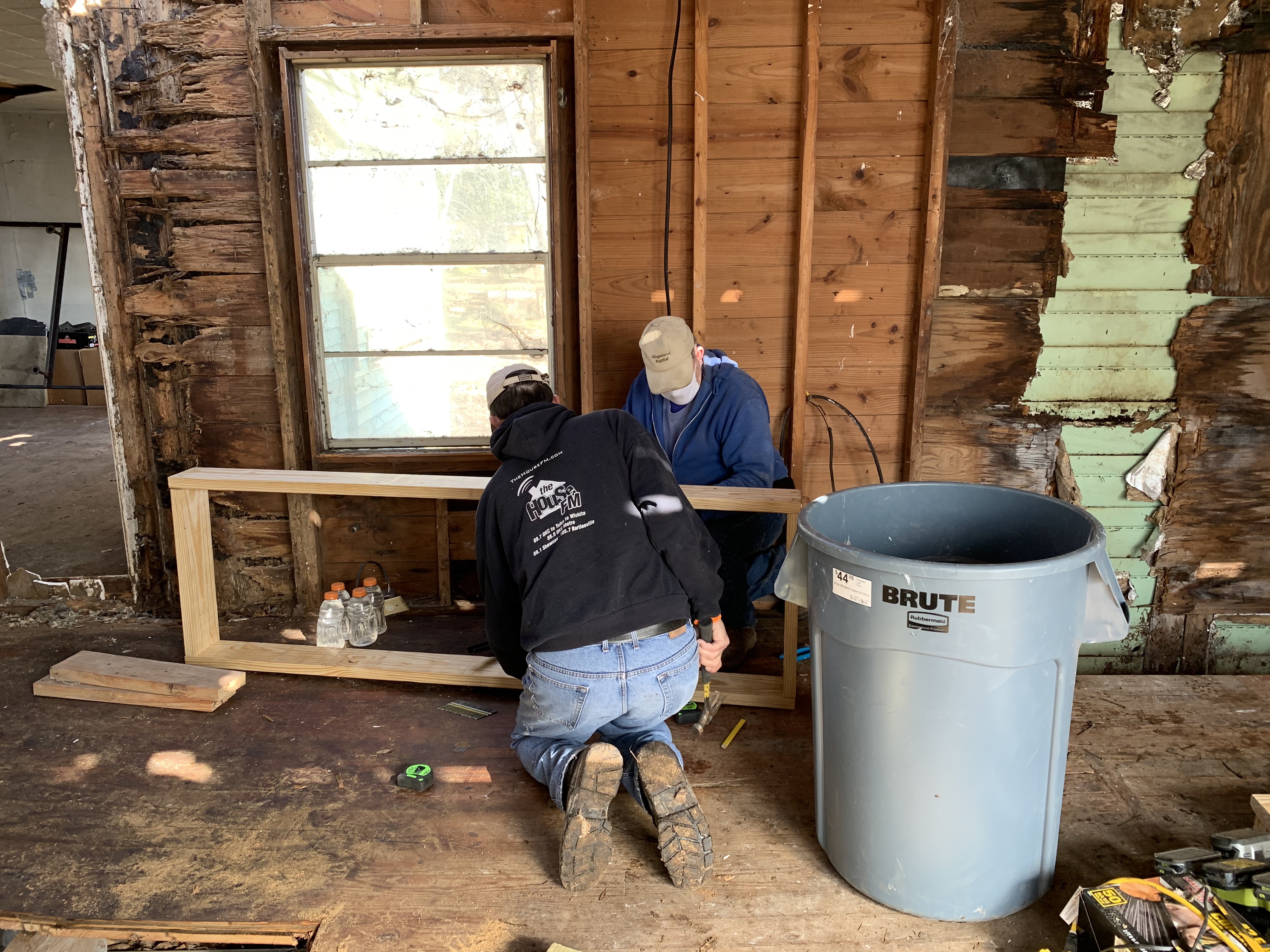
But, thanks to the tireless work of so many volunteers who worked long hours on very cold days, we pressed on. Every work crew took ownership of their slice of the work and little by little things began to take a turn for the better.


The roof was a major concern. Ian Norman of Gryphon Builders led a crew to replace the damaged rafters and the rotted roof decking. On Thursday, a team of professional roofers arrived and completed the roof in one day. In addition, electricians, plumbers, and window guys all arrived on schedule to do their work.


Of course, an army of volunteers needs fuel in order to keep working. Gene Garrison and our disaster response cooking crew took care of providing the fuel. We enjoyed delicious meals every day of the project.


While our crews were working at the site, my friends and Kingsland members Kara Potts and Kelly McCurry worked together to arrange for furniture donations and all of the things Mr. Henderson would need in his kitchen, bathroom, and bedroom. They recruited additional volunteers to help with the task of furnishing the house.


Mr. Henderson was especially excited about his new shower and flushing toilet. On Saturday, he took his first hot shower in 11 years. No more boiling water to sponge bathe. And no more buckets of water to flush his toilet.


The best part of the week was becoming friends with Mr. Henderson. He is an absolutely nice gentleman who overflowed with gratitude every day of the remodel. He told me more than once how long he had been praying for help. “God heard your prayers,” I told Him, “and He sent us to bless you.”

In a way, we were all sad to see the project come to an end because we enjoyed our time with Mr. Henderson every day. But, we are all sleeping better knowing that our new friend has a safer and more comfortable home to live out the rest of his days.

I am deeply grateful for every volunteer who spent so many hours to make this home makeover a reality. They modeled what Jesus did best — moving in the direction of people in need and making a difference. And we all made a new friend who deeply touched our hearts. Thank you all for blessing Mr. Henderson.

Posted by: Omar C. Garcia | December 7, 2020

Missions Beyond the Pandemic


Our missions ministry welcomed the year 2020 with great expectations. The first two months of the year were busy as Kingsland teams served in Cambodia, Guatemala, India, and Egypt. Beyond these trips we had a full and busy year of travel scheduled.

I was especially excited to lead a team of men to Nepal in March to conduct the first of four global Men of Courage Summits designed to call men to embrace God’s vision for biblical manhood. Our partners were hard at work enlisting hundreds of men to participate in each of these strategic summits.

And then a novel coronavirus came along and changed everything. As the pandemic swept across the globe leaving devastation in its wake, it became apparent that we would have to cancel all international travel for the foreseeable future.

Our missions ministry immediately pivoted to begin meeting pandemic-related needs in our community and among the nations. As I often remind those who travel with us — you must be more than flexible because flexibility is still too stiff. You must instead be fluid and ready to adapt to whatever challenges come across our path.

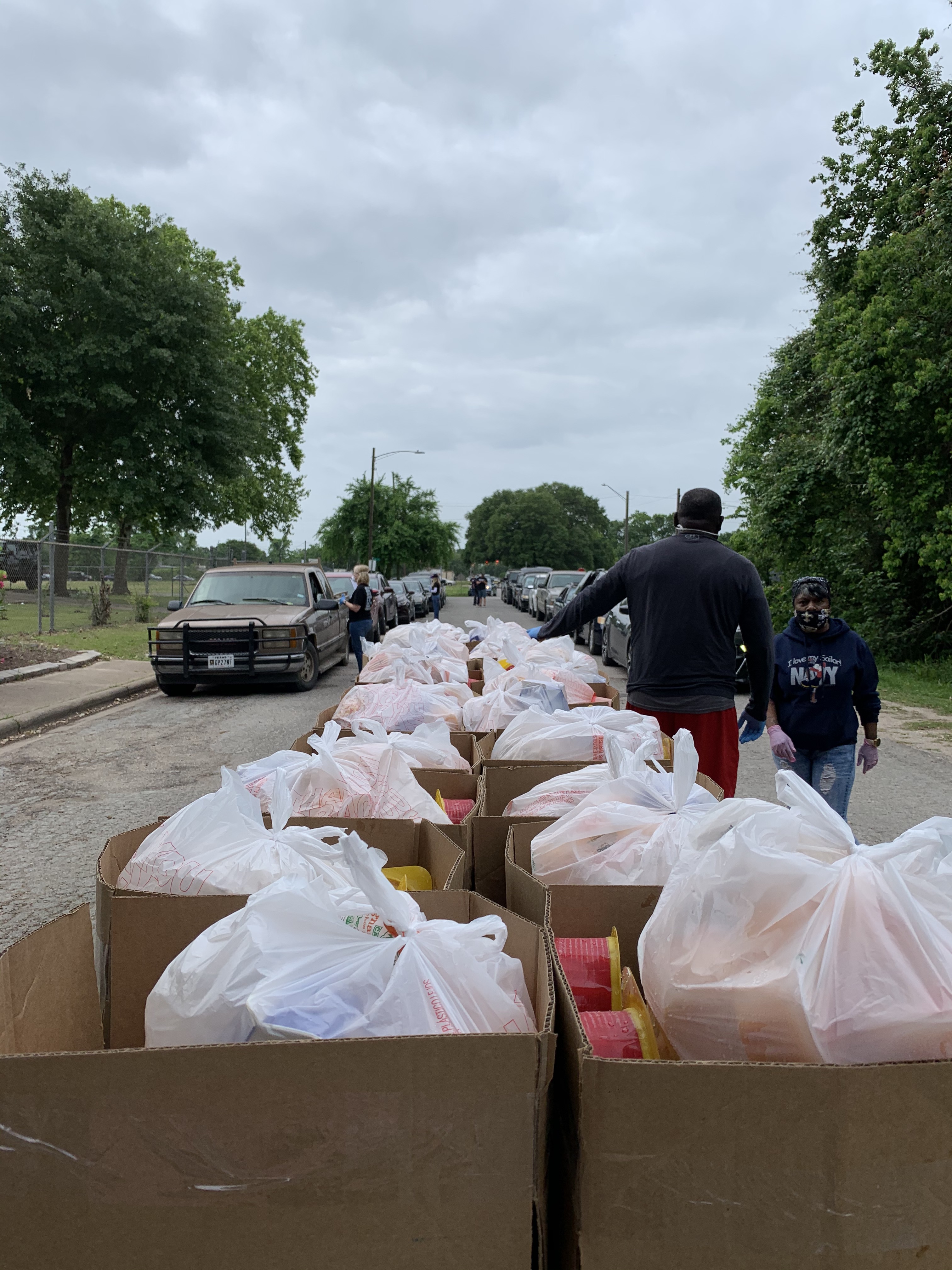
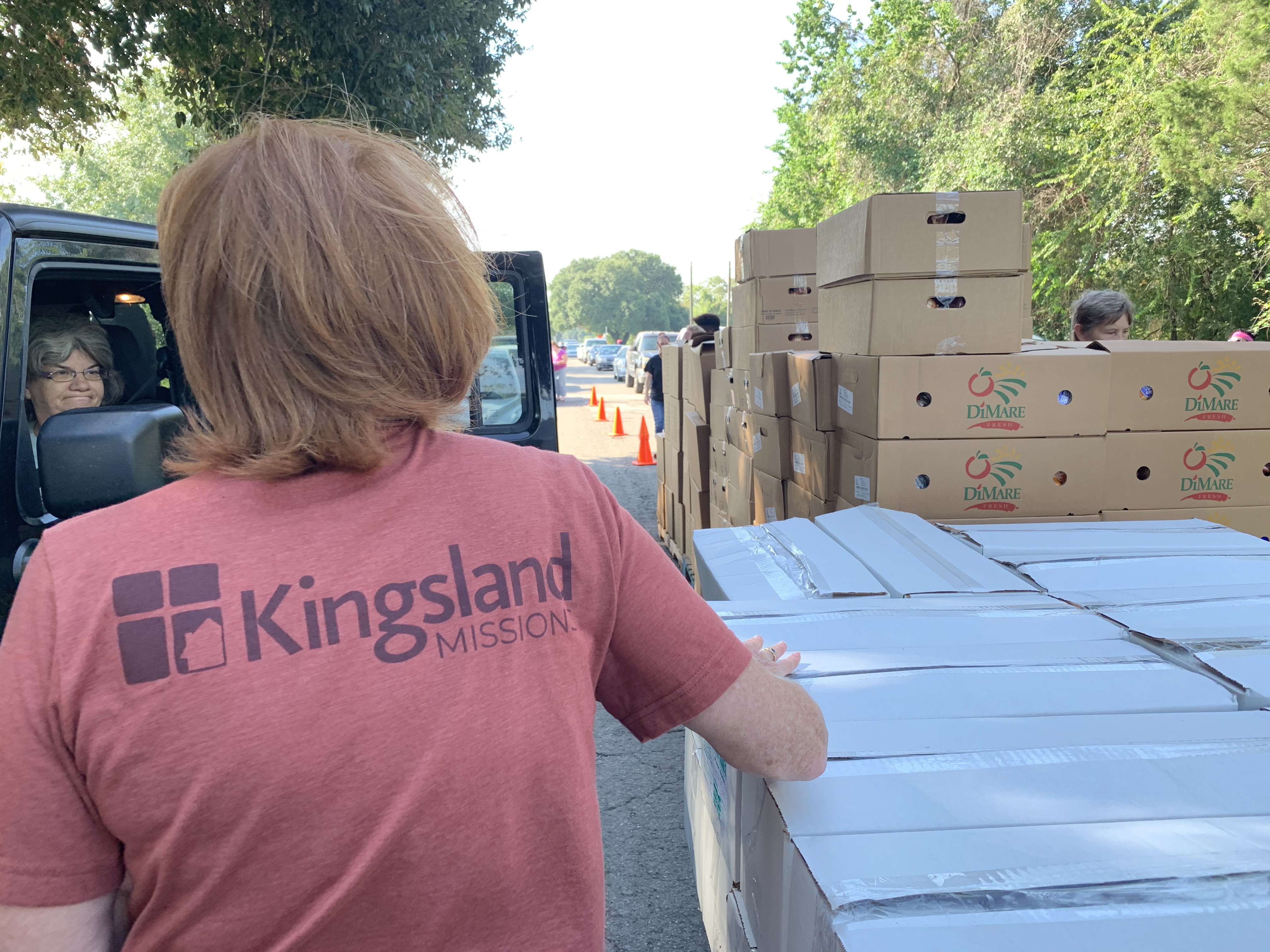
One of the most significant initiatives we engaged in on the local front was to work with local partners to address food insecurity in the community of Brookshire. From March to November we helped to underwrite and staff 19 food distributions that blessed more than 450 families per distribution.

On the international front, we worked with our partners in India, Bangladesh, Guatemala, and Egypt to underwrite food distributions and provide personal protective equipment for the poor. And, we never missed a beat in regard to caring for those with whom we partner to engage with our sixteen adopted unreached people groups.

I could write much more about many other meaningful initiatives that we engaged in to care for people in need through this incredibly challenging year. Suffice it to say that I am thankful for the generosity of our Kingsland family whose gifts have enabled us to consistently move in the direction of people in need throughout 2020.

As we look to 2021, we are hopeful. We know that the coronavirus cannot infect our prayers for our international and domestic partnerships. Nor can it stop us from underwriting initiatives that enable our partners to care for people in need in their respective missional contexts. The coronavirus cannot kept the Word of God from bringing the spiritual healing and hope that many long for.


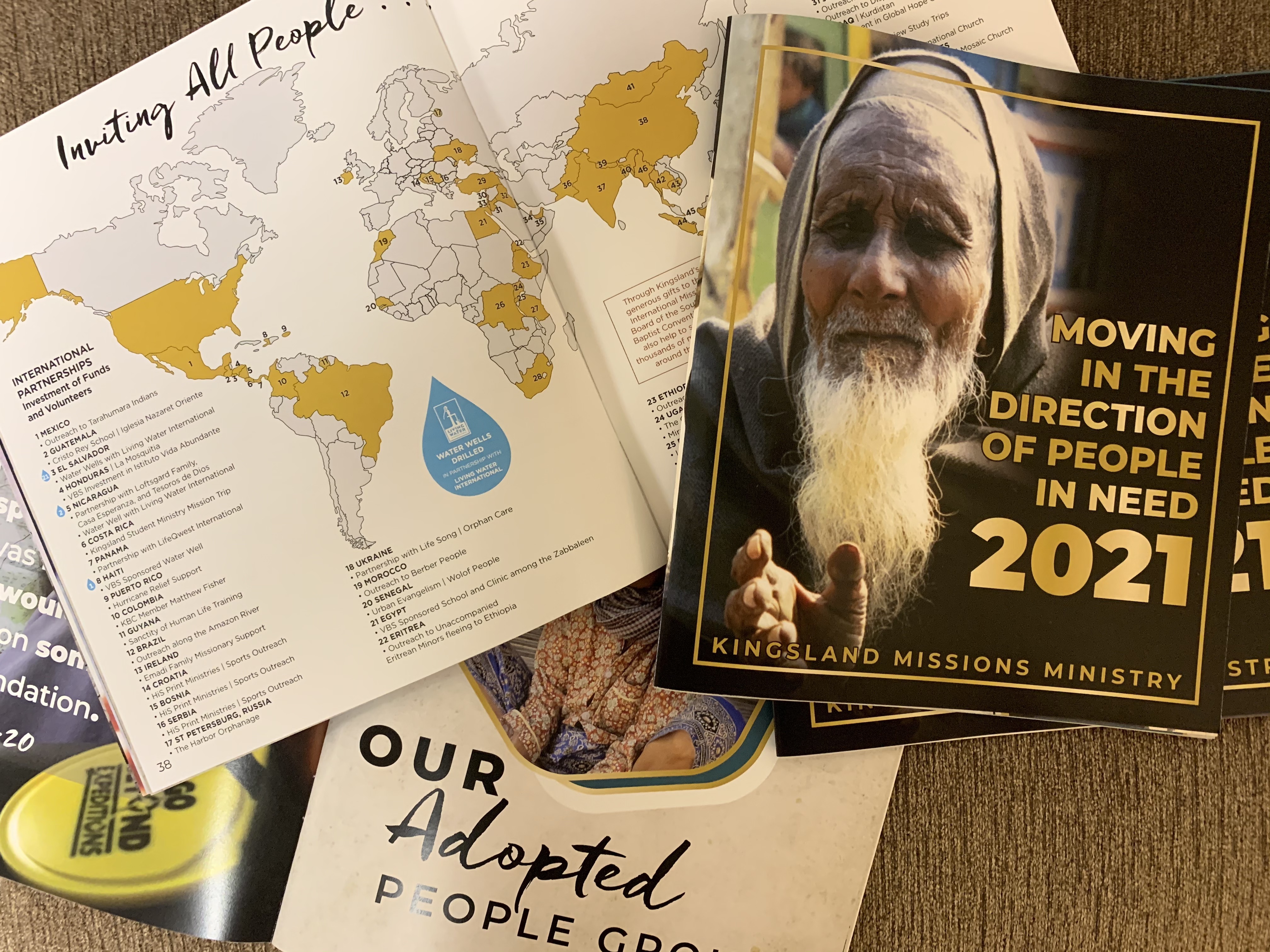
This week, Kingsland members will receive a copy of our 2021 missions ministry update in the mail. In the past this update has focused on our international work. This year we have included an overview of the domestic partnerships that enable us to move in the direction of people in need throughout the greater Houston area.

I encourage you to read and to use this report to fuel your prayers, inspire greater generosity, and spur you to love and serve others. Determine to live in such a way that when you look back on this difficult chapter of history you will rejoice that God used you to glorify Him by moving in the direction of people in need.

Posted by: Omar C. Garcia | October 19, 2020

Addressing Food Insecurity

When shelter-in-place directives went into effect earlier this year, life took an unexpected turn for many families around the nation. Hourly wage earners who could not work, two-income families whose earning capacity was compromised, parents who now had to care for children not attending school are just some of the scenarios that added stress to households.


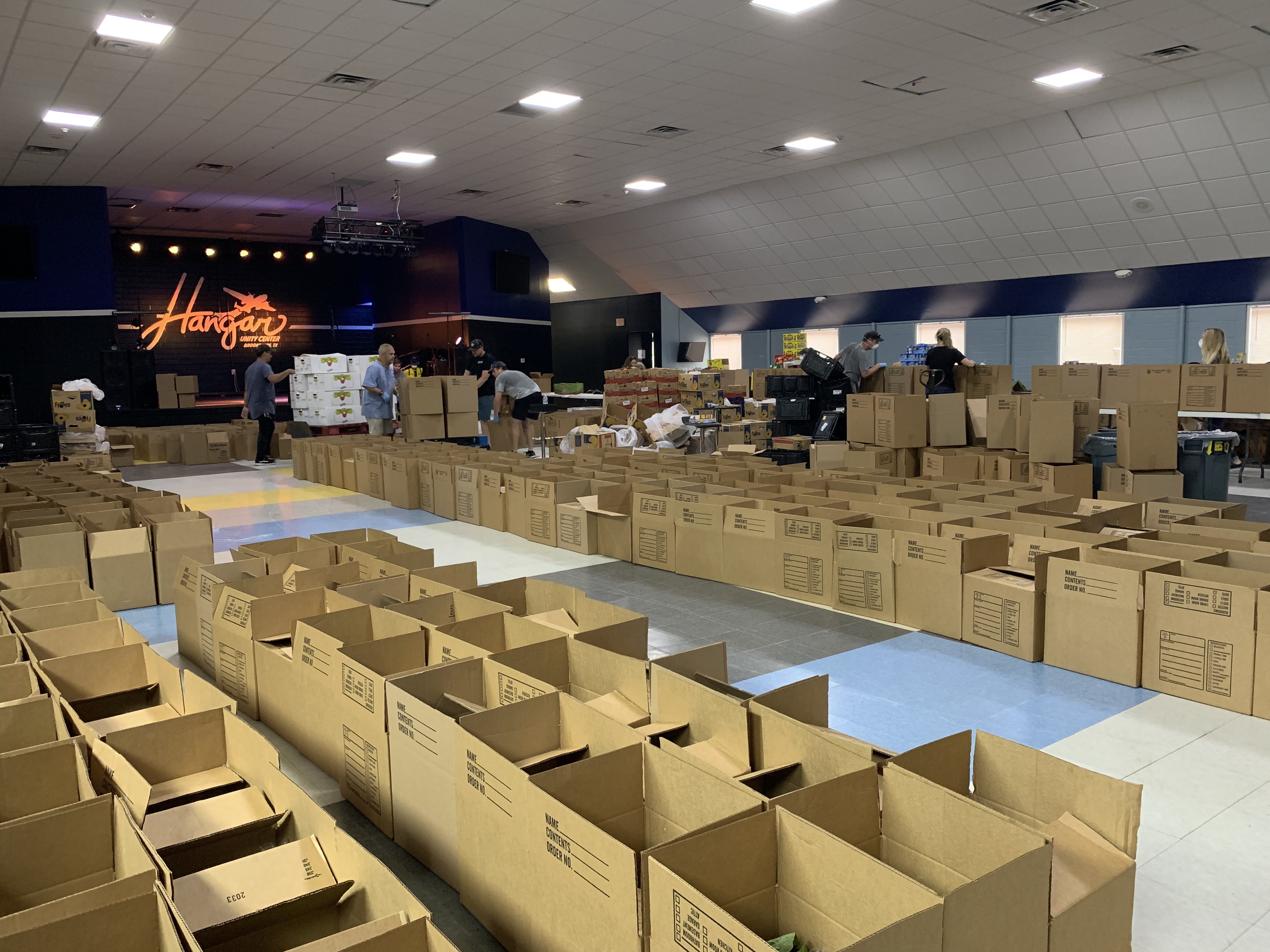
Understanding the impact shelter-in-place would have on families, our missions ministry wasted no time in forming a strategic partnership with Eyes On Me to address anticipated food insecurity concerns. Eyes On Me has several ministry locations around the greater Houston area, including The Hangar Unity Center in Brookshire. We chose to serve neighborhoods with a disproportionate number of one-parent households in the vicinity of The Hangar because the majority of these families live in poverty.


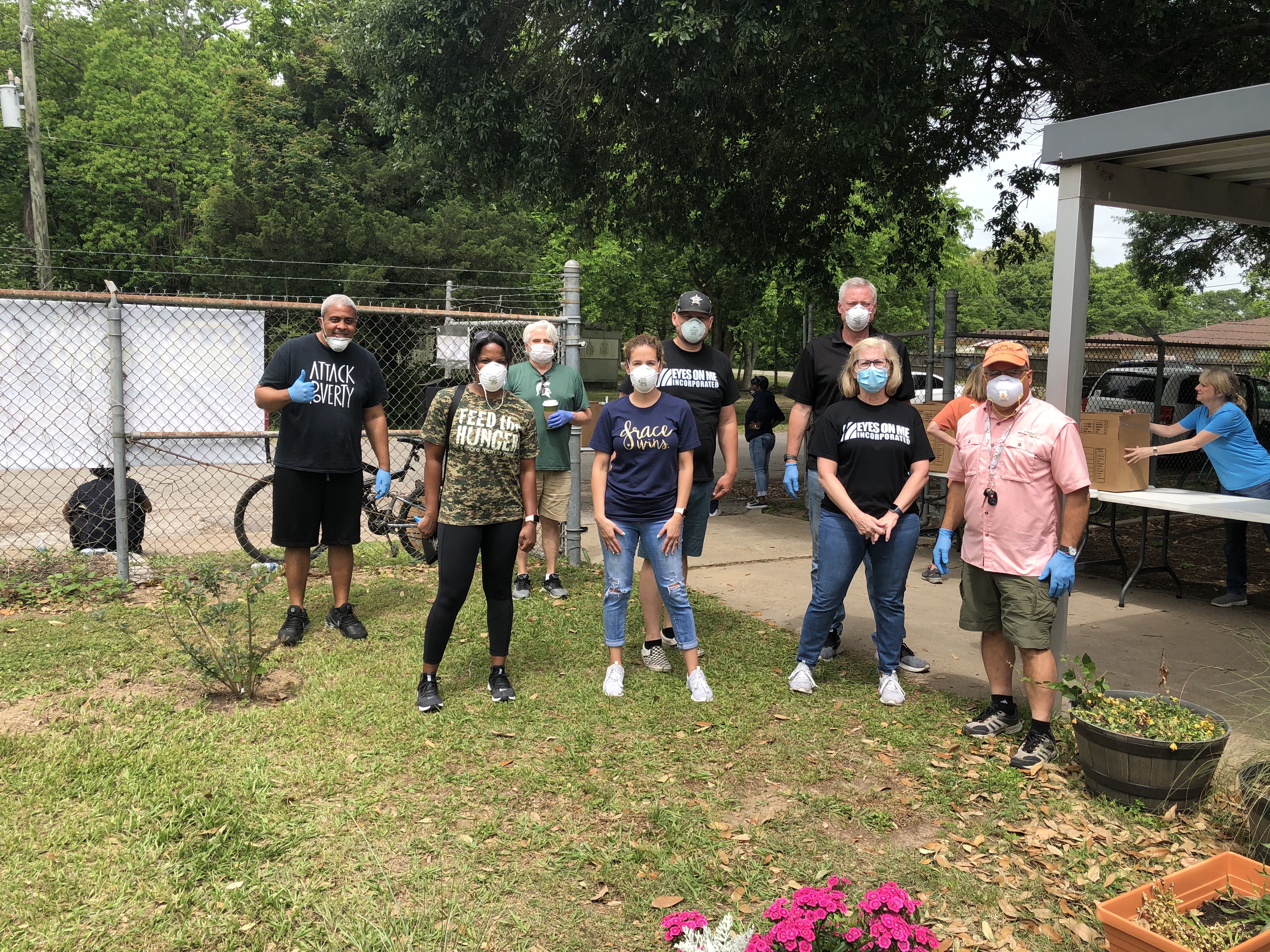
Our friends at Grace Fellowship and The Fellowship (two Katy area churches) along with key non-profit partners joined the team. We quickly discovered that purchasing food in large quantities turned out to be a challenge. Places like Sam’s and Costco and local grocery stores had strict limits on quantities. In spite of the challenges, we managed to purchase enough food to get started.


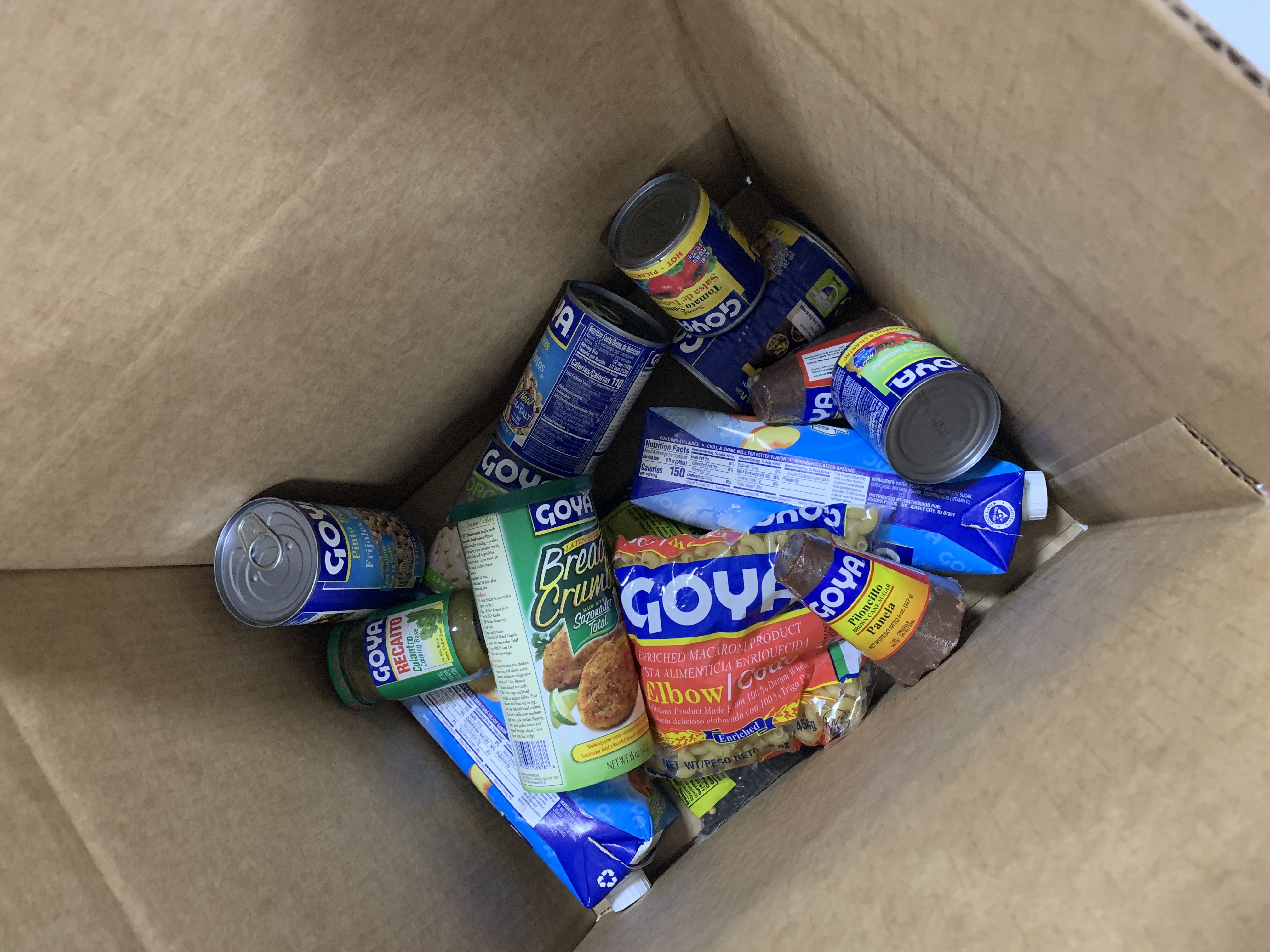
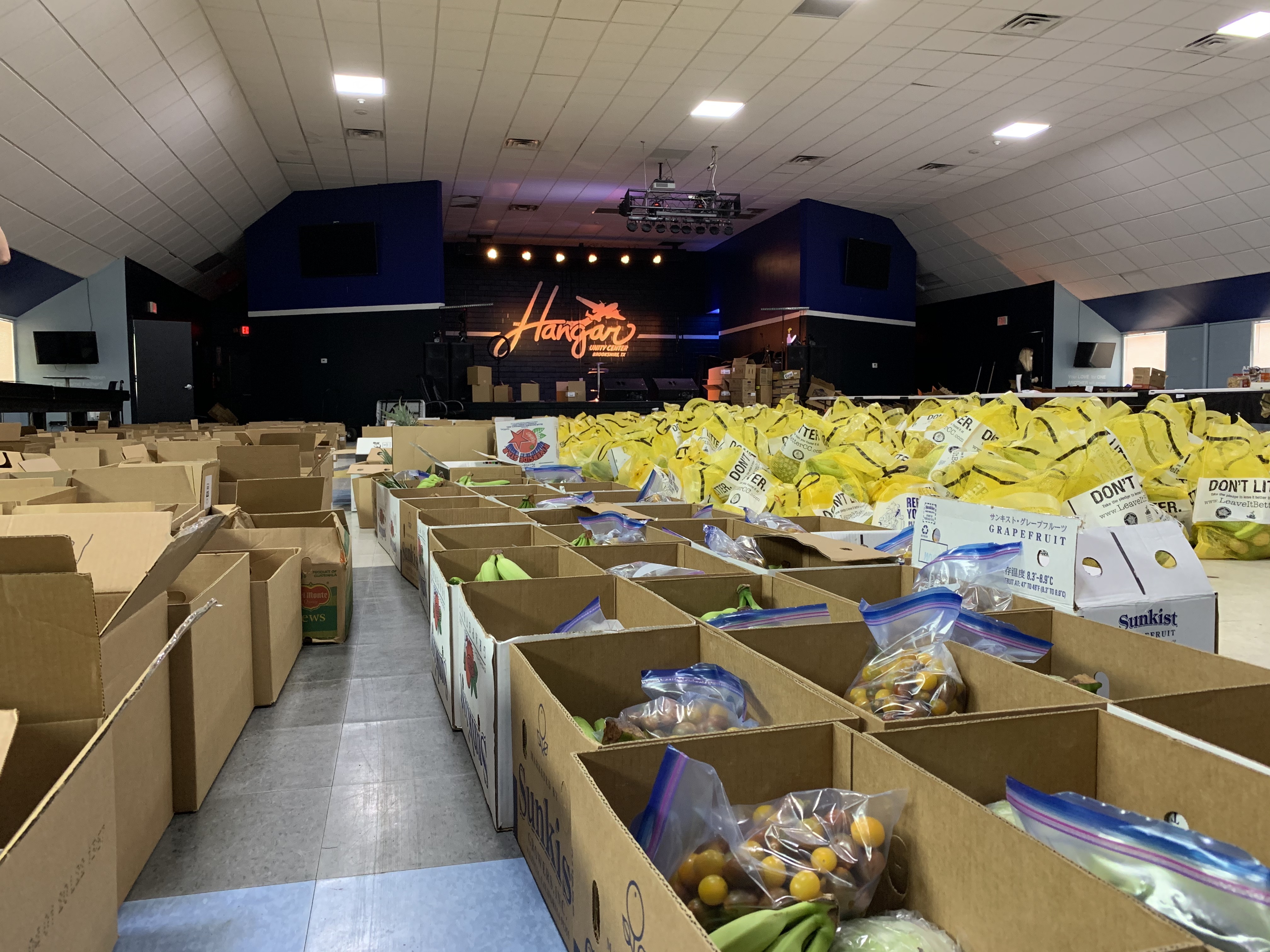
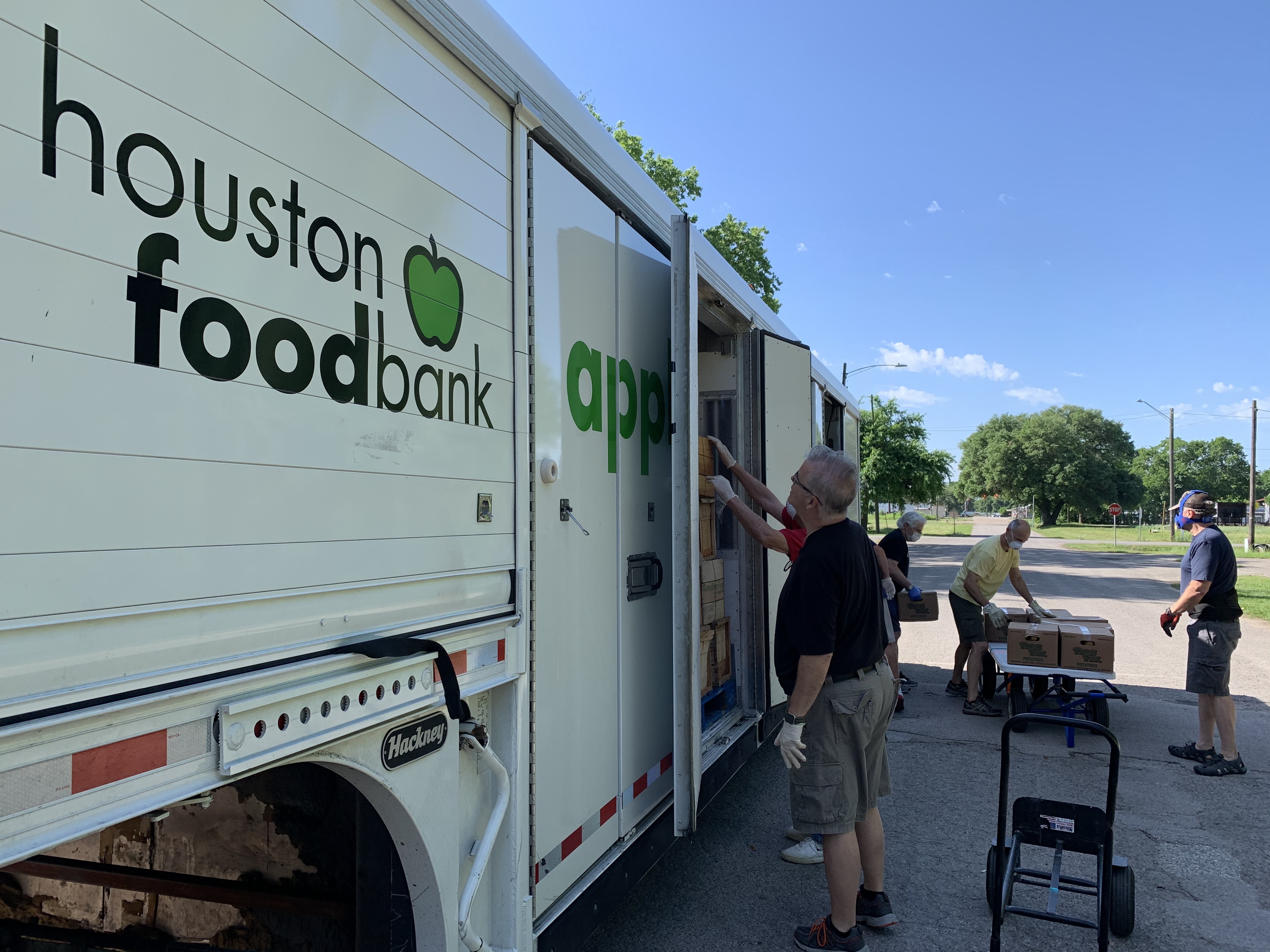
In the weeks that followed, we received food from several sources. The Houston Food Bank, Food Town, and Goya Foods consistently donated thousands of pounds of food. We also received fresh produce from the federal Farmers to Families initiative.


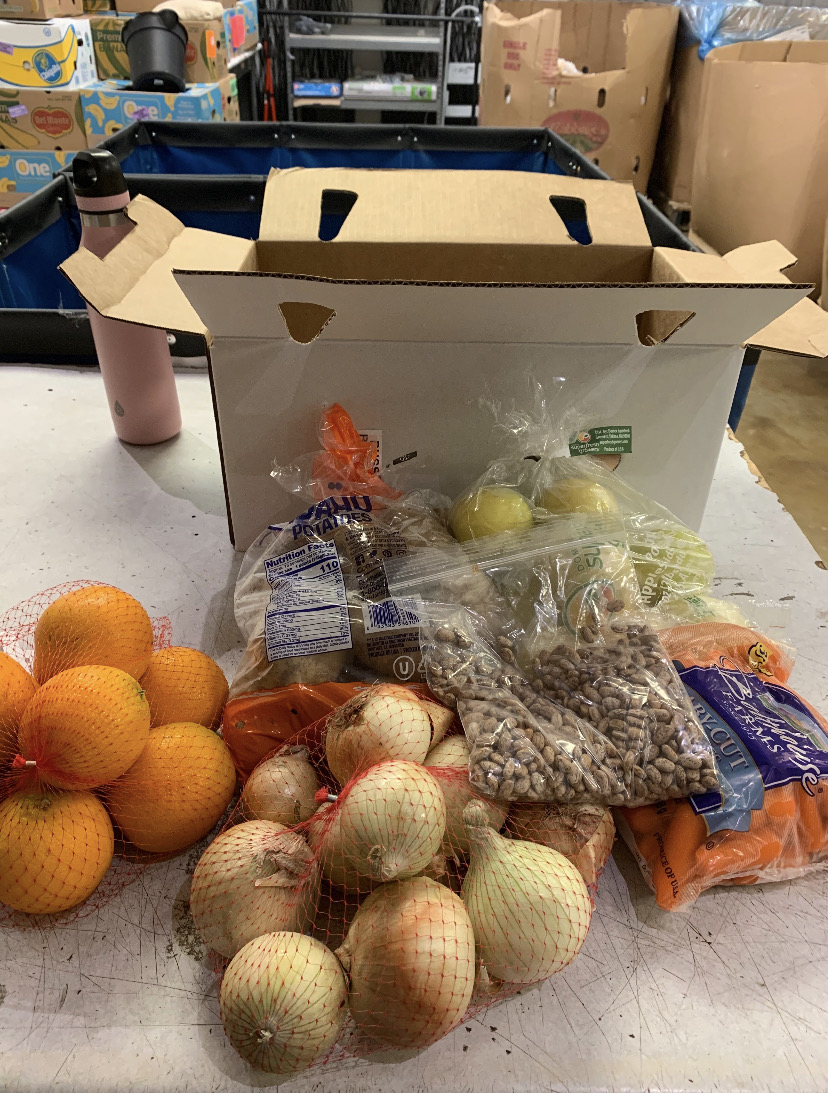
Over the past several months, hundreds of folks have volunteered to help pack and prep food boxes on Thursdays. This process generally takes about three to four hours. The actual food distributions start at 10:00 AM on designated Fridays at The Hangar with the line of cars well over a mile long before the start time.


The only stipulation for receiving food is that recipients show proof of residency in Brookshire. Each family receives a box of non-perishable food and a box of produce and meat. We strive to make sure that the boxes have a high volume of healthy food.


Since starting this food distribution initiative, we have served an average of 400 families per distribution. This month we will have our 18th food distribution. One of the best things about these distributions is the feedback we receive from families in need. So many have expressed gratitude and told us what a difference the food has made for them at a time when they are dealing with so many pandemic-related challenges.

I am grateful for the generosity of Kingsland and our partnership with Eyes On Me. By working together, we continue to meet urgent needs among families who are struggling to make ends meet. We remain committed to working with our partners to move in the direction of people in need and making a difference through the pandemic and beyond.

Posted by: Omar C. Garcia | September 17, 2020

The Death of Civility

Over the span of the past few months, life in America has deteriorated into something nightmarish. With tensions already running high because of the pandemic, the death of George Floyd earlier this year ignited off-the-charts outrage. The ripples of that outrage continue to trouble the waters to this day.

What started as peaceful protests in the wake of Floyd’s death quickly morphed into something less than peaceful or civil. Rioters and looters destroyed private property and robbed businesses with impunity — and continue to do so. Worse than the property damage are the number of people who have been injured or lost their lives.

The latest victims of the current cultural unrest are two Los Angeles County Sheriff’s Department deputies who were ambushed while sitting in their patrol vehicle outside the MLK Transit Center in Compton. Video surveillance footage shows a man approaching the police car, firing his gun multiple times at close range, and then running away.

Both deputies suffered multiple gunshots. Deputy Claudia Apolinar, a 31 year-old mother who was shot in the face and upper torso several times, was able to call for help while assisting her 24 year-old partner. Amazing! Sadly, not a single onlooker stepped forward to help the critically wounded officers.

Thankfully, help arrived and the injured deputies were taken to St. Francis Medical Center where they underwent emergency surgery. Apolinar and her partner miraculously survived and now face a long road to recovery.

Later, demonstrators assembled outside the hospital, blocking the entrance to the emergency room. Referring to the wounded officers, one protestor yelled “I hope they (expletive) die.” Another brazenly told police: “Y’all gonna die one by one. This ain’t gonna stop.” Others were yelling, “We hope they die.”

The ambush of the deputies and hateful rhetoric of protesters outside the hospital are among the latest expressions of cowardice, hatred, and violence — essentially of depravity on display. These senseless acts, regardless of who commits them, reveal the desperately sick condition the human heart and the death of civility.

If a society is to function for the benefit of all, then civility must be safeguarded.

The earliest use of the word civility denoted the state of being a citizen and hence good citizenship or orderly behavior — or as Mr. Rogers would say, being a good neighbor. Recent months have given us frightening glimpses into what disorderly behavior looks like and how such conduct hurts others.

One thing is certain, the solution to the madness goes much deeper than anything legislation or laws can reach. The late President Ronald Reagan understood that. In a speech he gave on March 8, 1983, Reagan observed:

“But we must never forget that no government schemes are going to perfect man. We know that living in this world means dealing with what philosophers would call the phenomenology of evil or, as theologians would put it, the doctrine of sin. There is sin and evil in the world, and we’re enjoined by Scripture and the Lord Jesus to oppose it with all our might.”

We must all do our part to oppose evil and to safeguard civility. Civility is the guardian of kindness, selflessness, and the capacity to give greater consideration to the welfare of others. If we allow civility to die then we will lose much more as a consequence, including the capacity to engage in the kind of dialogue that can lead to meaningful change.

The madness has got to stop.

Each of us must aspire to something greater than the anger that divides us and destroys decency. We must intentionally and purposefully practice civility toward one another. We must regain the ability to disagree without being disagreeable. The health of our democracy depends on our ability to disagree about important things while remaining friends.

Dr. Martin Luther King, Jr. preached his final sermon on April 3, 1968 in Memphis, Tennessee. His message was entitled “I’ve Been to the Mountaintop.” He challenged his listeners to “develop a kind of dangerous unselfishness” — like that demonstrated by the Good Samaritan.

In this parable told by Jesus, the despised Samaritan demonstrated what civility looks like — what it means to be a good neighbor. King observed that the Levite in the story worried, “If I stop to help this man, what will happen to me?” But the Good Samaritan reversed the question: ‘If I do not stop to help this man, what will happen to him?’ That’s the question before you tonight.”

And that is the question before us today. It becomes easier to ignore others, walk past people in need, speak ill of others, wish others harm, or treat others badly when we don’t consider them people or we demonize them in some way. How sad to even utter the words, “We hope they die.” Dr. King, and Mr. Rogers, would have found such rhetoric repulsive.

May each of us do our part to safeguard what it means to be a good citizen and a good neighbor. Like Jesus, may we move in the direction of others in order to help them rather than harm them. If we fall short, as we likely will from time to time, then let’s adjust our behavior toward the better while keeping the standard high. The health of our society depends on it.

Posted by: Omar C. Garcia | September 9, 2020

The Death of Common Sense

Jacob Blake’s name is the latest to be added to a roster of names associated with police shootings of black men. Every one of these shootings happened in a context of time, place, and palpable cultural tensions. All of these have contributed to some degree to the civil unrest that has gripped our nation over the past several months.

I have previously written about what I believe to be the unjust deaths of Ahmaud Arbery and George Floyd. I am however, troubled in particular by the context of the Blake shooting. And I am troubled by the rush to make Blake a victim or a role model or someone with altruistic intentions on the day of the shooting.

According to the Wisconsin Department of Justice Division of Criminal Investigation, police arrived on the scene in Kenosha in response to a phone call from a woman who said Blake was not supposed to be on her premises. These officers learned that Blake had an outstanding warrant for his arrest for allegedly sexually assaulting a woman in May. Officers on the scene tried to execute that arrest warrant.

According to reports, Blake resisted arrest. This action prompted officers to use a Taser not once but twice in an attempt to subdue him. Video then shows Blake defiantly walking away from police officers with weapons drawn. Minutes later, as Blake leaned into his car, a police officer shot him seven times in the back. Blake survived and, according to investigators, later admitted to having a knife in his possession.

I am troubled by the fact that Blake was shot seven times in the back. This is the kind of action that has prompted calls for everything from reforms in police rules of engagement to calls for defunding the police. I wish Blake had cooperated and that cooler heads had prevailed on all sides but alas tensions escalated quickly.

The actual casualty of this particular shooting was common sense.

Blake does not get a free pass on being complicit in the murder of common sense by virtue of his race or any other reason — and neither does the police officer who fired seven rounds. Both are guilty of contributing to the death of common sense.

In regard to Blake, he should have had the sense to know that things generally do not end well when you try to settle maters with police on the street. Better to cooperate and settle things at the police station. It’s just as easy to call a lawyer from there than to have to hire one after an incident gone south. Blake may never walk again as a result of choosing to resist arrest.

I am also troubled that this incident happened in front of Blake’s children. Common sense should have prevailed there as well. A father has a responsibility to set an example for his children of how to intelligently deal with life’s troubling issues. However, by resisting arrest, Blake unwittingly communicated to his children that it is ok to disregard the police. Common sense sustained another gut-punch in those moments of resisting arrest.

As for the police officer who shot Blake in the back, I wish that he had shown some sense and restraint as well. Seven shots is a lot by any measure, and certainly more than sufficient to neutralize a threat. In light of all of the concern and debate and protest about the conduct of police, a cooler head should have prevailed. At this time in history, this shooting just added more fuel to a fire already burning out of control.


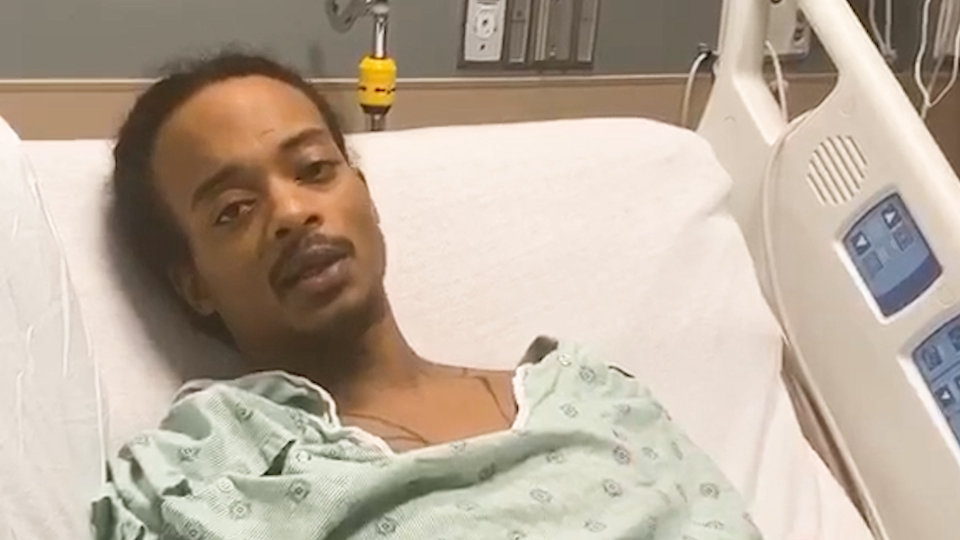
From his hospital bed, Blake has pleaded not guilty to the charges filed against him. He will have his day in court as will the woman who has accused him of sexual assault. The police officer and others at the scene of the shooting will also have their day in court. Hopefully, our justice system can administer CPR to common sense and somehow revive it before the madness continues to spread like wildfire, consuming all in its path.

Because I believe in the sanctity of human life, I believe that all lives matter regardless of pigmentation, orientation, or station in life. But I also believe that brains matter. It is incumbent on each of us, regardless of the color of our skin, to use the brain that God gave us to make good choices. Had everyone involved in the Kenosha incident used even an ounce of common sense, things would have turned out a lot different.

« Newer Posts - Older Posts »

Categories