Posted by: Omar C. Garcia | January 23, 2012

A Call to Go Beyond

Houston, Texas en route to Cartagena, Colombia

Over the past few months I have had conversations with several people who are wrestling with whether God is calling them to some type of full-time vocational ministry. These conversations have centered around what characterizes a call to ministry. I have offered the same feedback and advice to each of these individuals, some of whom are college students, who are earnestly seeking God’s leadership concerning the future. While in transit in Miami today, I received an email from yet another individual who wants to chat about God’s call and where God might be leading him to serve.

The Scriptures are the best source for understanding the nature of God’s call to ministry. From the call of Abraham in the book of Genesis to the call of the disciples and the Apostle Paul in the New Testament, a call from God is a call to go beyond — to be willing to leave behind everything that is familiar and comfortable in order to serve His purposes wherever He may lead.

When Jesus called Peter, Andrew, James, and John He said, “Follow Me” (Matt. 4:19). The word “follow” implies movement away from something or someplace. To follow means to move behind someone in the same direction. In the case of these fishermen, to follow Jesus meant leaving what was most familiar to them in order to venture toward new horizons. Jesus knew that in order for these men to reach their highest potential in life and to make their greatest contributions to the kingdom of God they would have to leave the context of the Sea of Galilee.

Being willing to leave the context of familiar places is imperative to anyone who answers a divine call. We must have the attitude expressed by the words of the old hymn, “Wherever He leads I’ll go … I’ll follow my Christ who loves me so, wherever He leads I’ll go.” I have had to remind myself more than once through the years that the words of that hymn are not “Wherever I’m comfortable I’ll stay.” As A.W. Tozer once said, the kingdom of God does not advance at our convenience but at our inconvenience. He was right. Yet, in some cases the call to go beyond is indeed a call to stay where you are — but to live in a radically new way for the kingdom of God.

The Gospel of Mark records the account of Jesus healing a demon-possessed man. This man was so grateful for what Jesus had done for him that he asked to follow Jesus. He was willing to go beyond. However, in this case, Jesus told the man, “Go home to your friends and tell them how much the Lord has done for you, and how he has had mercy on you” (Mk. 5:19). Before being told to stay at home this man had expressed a willingness to go — to follow Jesus. It was only after he had expressed his willingness to go that Jesus instructed him to stay and then charged him with a new responsibility — to tell others “how much Jesus had done for him” (Mk. 5:12). This man left the choice with Jesus. We must do the same.

Regardless of whether you are wrestling with a call to vocational ministry, each of us must be willing to follow Jesus, to go beyond. The last command of Christ was a command to go and tell — a command that each of us must obey. For some, this means actually leaving home to go to another city or another nation. One of my mentors often reminded me that we are called to follow and commanded to go but never assured that we will return — and that’s ok. Over the past thirty-three years that I have served in full-time ministry, the places where I have felt most at home are the places where He has led me. And, I have learned to not hold on to places or things too tightly so that I can continue to go where He leads. There is no better place to be.

As I look back over the years, I am grateful for how God has faithfully led me to places where I had to depend on Him and where He allowed me to serve His purposes in new and exciting ways. Living adventurously for God is all about allowing Him to place us in new and unfamiliar contexts or to give us new assignments in our present context — to put us in a position where we have to depend on Him, where He can use us to advance His interests, and where we can bring greater glory to Him. I can honestly say that I have no regrets about answering His call and following Him. I believe that life’s greatest adventures are reserved for those who have the courage to heed God’s call and to go beyond.
Posted by: Omar C. Garcia | January 22, 2012

Raising Servants

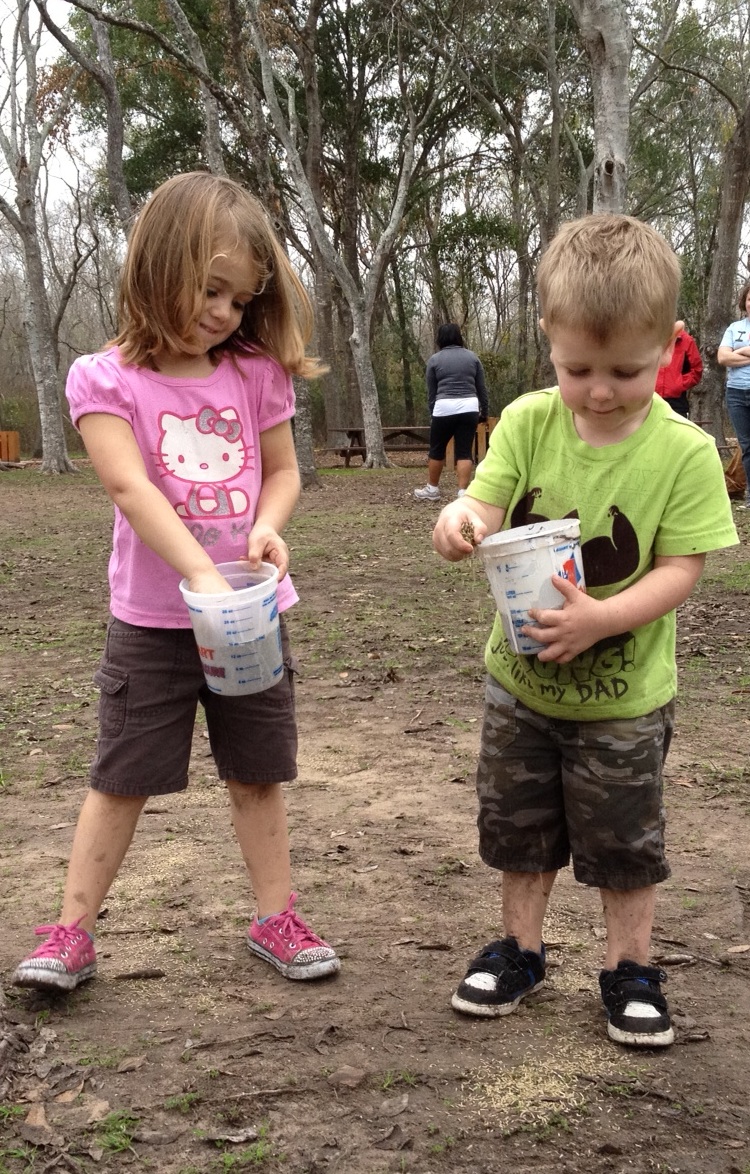
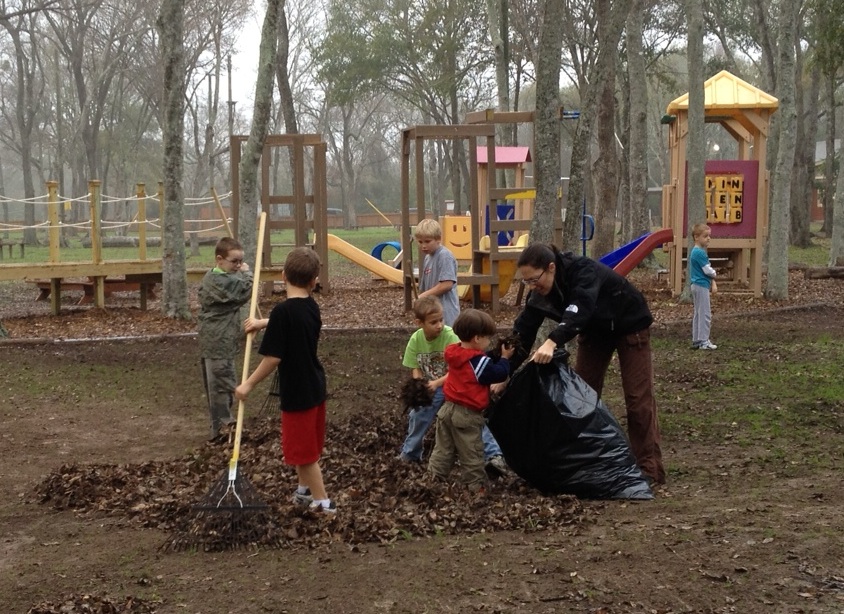
“This is hard work,” said one boy as he raked leaves onto a pile. “But I like it because we are helping others and it makes you strong.” Wise words from a child. This past Saturday, two of our Adult Bible Fellowships joined forces to take part in one of our service initiatives. The best thing about the day was the number of parents and kids who showed up to work in spite of the misting rain. Jon Davis, our Missions Associate, planned several projects for us at the local YMCA Day Camp. While Jon led our adults, he asked me to lead our kids in raking leaves and sowing grass seed around the playground at the camp. I loved spending the morning with our kids and a few of the moms and dads who helped supervise the group. The morning offered good opportunities to talk with our kids about the importance of serving.

Among other things, we talked about the importance of working together to do a big job. It would have taken an adult all day to do what our kids were able to complete in a couple of hours. After raking the leaves our kids worked together to bag the leaves.They quickly learned that things worked best if someone held the bag open while others tossed in small handfuls of leaves, but they got it all done. And then they worked together to wrestle the bags into the wheelbarrows to transport them to the burn pile. Because the leaves were wet, the bags were really heavy, even for adults, but the kids insisted on doing it themselves. When it was all done they felt a real sense of accomplishment.

After raking the leaves we prepared to sow grass seed on the bare wet ground. However, before doing so I shared the parable of the soils from Matthew 13 and we talked for a few minutes about the meaning of this story that Jesus had shared with His disciples. And then we sowed grass seed. The kids absolutely loved it. Even the very youngest felt that they were doing something very important to help others. At the end of the day we did more than rake leaves and sow grass seed, we gave parents and kids an opportunity to make some wonderful memories of serving together. Days like Saturday are an important part of teaching kids how to serve and how to make serving others a part of who they are. Experiences like those we shared at the YMCA Day Camp are about raising servants — and fulfilling an important part of Kingsland’s purpose statement of “equipping the generations one home at a time.” Just another reason why I love what I do!

Posted by: Omar C. Garcia | January 20, 2012

To Do a Schettino

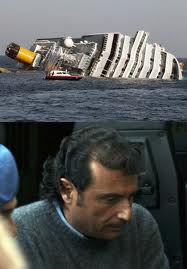
The sinking of the Costa Concordia cruise ship continues to make headlines, especially the actions of the ship’s captain, Francesco Schettino. The 52-year-old captain admitted during interrogations that he took the ship off course to salute a former colleague. This course change took the ship dangerously close to the Tuscan island of Giglio where the ship, twice the size of the Titanic, struck the rocks and began to take on water. However, Schettino failed to take immediate action. Records show that he ordered dinner and delayed implementing any evacuation measures. However, when the ship began to list to one side, Schettino was among the passengers in a lifeboat. Of course, he told authorities that he slipped and fell into the lifeboat. Really? Perhaps the most damning evidence are the recorded exchanges between Schettino and the Italian Coast Guard official who told him, in no uncertain terms, to get back on board the ship to coordinate evacuation and rescue efforts.

So much for the maritime maxim, “The captain goes down with the ship!” Schettino’s shameful behavior is accentuated by stories of other crew members who acted bravely in the face of danger. The drummer of the ship’s band gave up his seat on a lifeboat to a young boy. That drummer is among the 21 missing or may be added to the roster of the 11 dead. Another officer is reported to have helped several passengers before he broke his leg. And, a Bulgarian crew member is credited with having rescued as many as 500 passengers. All of this while the captain was absent from the vessel under his command and the 4,000 passengers under his care. Schettino could have possibly redeemed himself had he stayed aboard the ship, coordinated the evacuation and rescue efforts, and been the last man off the ship. Instead, because of his selfish actions, he is now regarded as a national embarrassment in his own country. And, his name is already showing signs of becoming a by-word for shameful and stupid behavior — “To do a Schettino.”

Life’s unexpected crises have a way of revealing what we are made of. And, for better or for worse, our responses during those crises have a way of defining who we are. Schettino will spend a lifetime living with the painful specter of his actions. This mariner was apparently driven by a strong sense of self-preservation, so strong that it trumped his concern for the welfare of the passengers entrusted into his care. Excuses and rationalizations will not change what happened or how he responded. He made choices that endangered the lives of his passengers, cast him in a bad light, and will consign him to years of humiliation. Being the captain of a ship is a big responsibility and one that calls for counting the cost. Jesus said, “Greater love has no one than this, that someone lay down his life for his friends” (Jn. 15:13). It’s possible that somewhere in the waters around the island of Giglio is the body of a man who did just that, a guy who played the drums in the band but who put the welfare of a little boy above his own. Thankfully for that little boy, the drummer of the band acted more nobly than the captain. He did not do a Schettino.

Posted by: Omar C. Garcia | January 17, 2012

The Rough Riders

Tough challenges have a way of breeding tough people. The challenges of the Spanish-American War set the stage for the formation of the Rough Riders — the first United States Volunteer Cavalry Regiment organized by Theodore Roosevelt and Leonard Wood in 1898. Over 1,250 men — rugged individuals who could ride and shoot — from all over the United States volunteered to serve. Shortly after they assembled and were trained in San Antonio, the Rough Riders set off for Cuba where they played a key role in the outcome of the Spanish-American War. Teddy Roosevelt and his men earned a place in history because of their willingness to serve their country in extreme conditions.

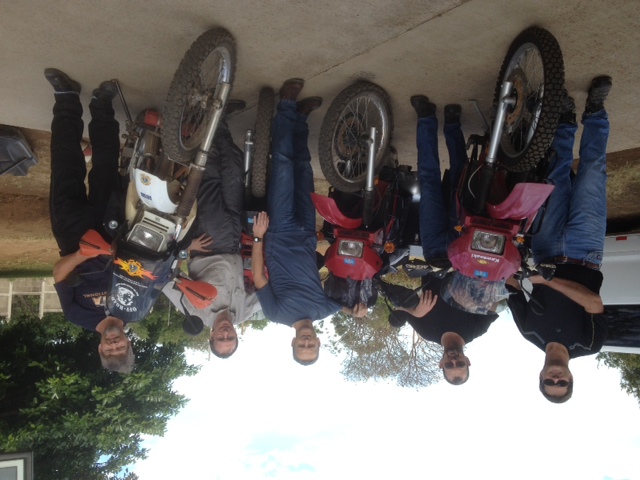
Kingsland's Rough Riders in Nicaragua.

A few days ago our missions ministry sent our own rough riders to serve in Nicaragua. Doyle Lowrey, our Executive Pastor, serves as our missions ministry’s point man for our partnership in Nicaragua. He was more than excited to accept the challenge of mobilizing a team to work with Eric Loftsgard, our partner in Nicaragua, to take the Jesus Film to some of the remotest parts of the country. Our team is traveling light on dual-sport motorcycles. They have already encountered lots of obstacles and challenges, including tough terrain and flat tires. But, the people of the remote villages they are visiting have welcomed them with open arms. Our own rough riders are playing a key role by serving God’s purposes in some tough places. Please keep Doyle and our team in your prayers as they continue their off-road journey this week to take the gospel to those who live off the beaten path.

Posted by: Omar C. Garcia | January 16, 2012

His Story Will Continue

Reflections as we lay my brother-in-law Craig Reynolds to rest.

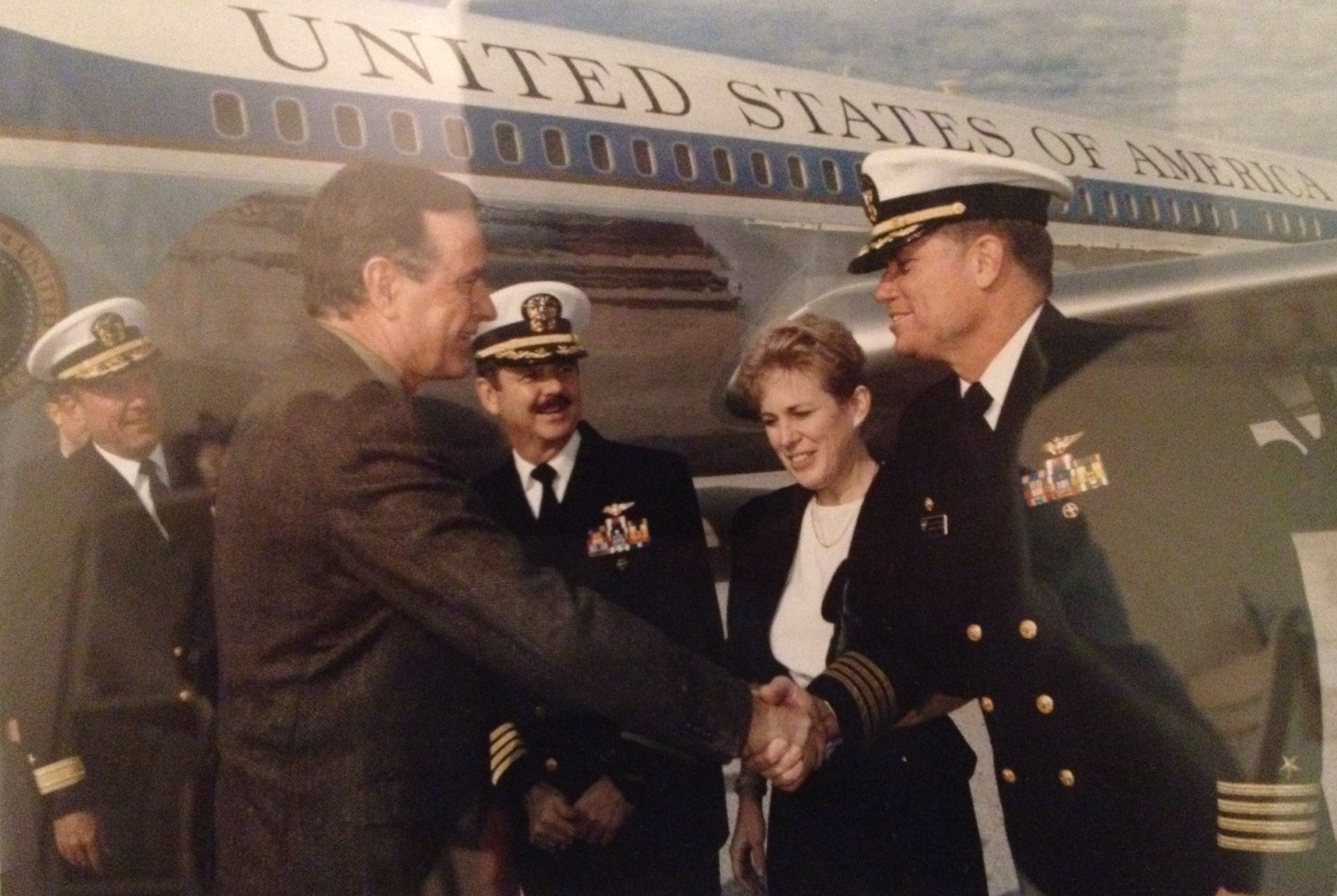
One of the things I enjoy most is listening to stories. We all have stories — those narratives that define and give context to our lives, that give the listener clues about our existence, frustrations, hopes, and aspirations. I’m the guy who will look at the pictures in your home and ask you to share a story about a particular one. Last month I visited with Craig and listened to more of his stories. I am thankful for that opportunity because I learned a little more about Craig and the experiences that shaped him from his childhood all the way through his military career. Among other things, I asked him to tell me the story behind the photo of him shaking hands with President Bush with Air Force One in the background. That story prompted a discussion about God’s plans and purposes among the nations, something that Craig and I often talked about on the occasions when we were able to see each other. Over the years I was privileged to hear many of Craig’s fascinating stories.

Craig was also interested in the stories of other people. He cared deeply about the men and women under his command in the Navy and also those with whom he worked in these last years of his life. Because Craig was interested in people he was also interested in listening to their stories — stories about their families as well as about their struggles, challenges, dreams, and aspirations. The insight he gleaned from listening to those stories made him a more compassionate individual who understood the value of sharing a little bit of balm or a little bit of honey with others. Balm to heal and honey to encourage.

In medias res is a Latin literary expression that means “in the middle of a story.” When you think about it, we all die in medias res — in the middle of a story, of many stories. A couple of days ago I read the last anniversary card that Craig had given to Cindie. In that card, he had written a beautiful inscription in which he expressed his gratitude for the time he had been privileged to share with Cindie. Craig’s heartfelt inscription was a summary of his love story with Cindie, what he described as the best years of his life. Craig was never unrealistic about the fact that he was going to die in the middle of his love story. In the final weeks of life every day was like a year and every hour like a day to Craig and Cindie. They cherished every moment. And as his body grew progressively weaker, Craig’s love and concern for Cindie’s welfare grew increasingly stronger. With the help of family and friends, Craig arranged for some things to be done around the house that he felt would make things a little easier for Cindie after his death. These practical expressions of his concern were among the final entries in Craig’s love story. And, just as he had hoped, Cindie was at his bedside when he drew his final breath. But although Craig died in the middle of a story, of many stories, his death does not mark the end of his story.

Knowing that something hard or difficult is going to happen, that it’s imminent, does not necessarily make it easier to accept when it finally does happen. We have known for months that Craig was in the fight of his life against cancer, and now that he is gone we feel a measure of relief that he is no longer suffering but a great deal of sadness that we will never again see him on this side of heaven. Over the past year we have done more than watch Craig battle cancer, we have been inspired by him. As the cancer advanced and gained ground, it ultimately fell short of breaching the citadel of Craig’s faith. Craig refused to surrender hope or to allow it to be taken captive by despair. Every day of the battle, the flag of Craig’s faith was still there, defiantly flapping in the breeze above the fray. Craig did not lose his battle against cancer because cancer never captured the flag. Cancer may have destroyed his health but it unwittingly strengthened his faith and revealed the depth of his commitment to Christ. This too is a part of Craig’s story and legacy of faith.

When writing to the church at Corinth, the Apostle Paul reminded them, “You yourselves are our letters of recommendation … written not with ink but with the Spirit of the living God, not on tablets of stone but on tablets of human hearts” (2 Cor. 3:2-3). I am among those who are a part of Craig’s story. Some of those who knew Craig have a few sentences and others a few chapters written on the tablets of their hearts as a result of their association with him. I believe that I am a better person for having known him. One day every one of us will die in medias res. When that day comes may it not mark the end of our stories, but like Craig, may we live in such a way that even our dust will continue to praise God and tell the world of His faithfulness (Ps. 30:9). And may we also leave a narrative of love and concern written on the hearts of others that will continue to be read and that will inspire others for years after we die. I will miss Craig and our conversations, but I am thankful that his story will continue to encourage and inspire those who hear it.

Posted by: Omar C. Garcia | January 13, 2012

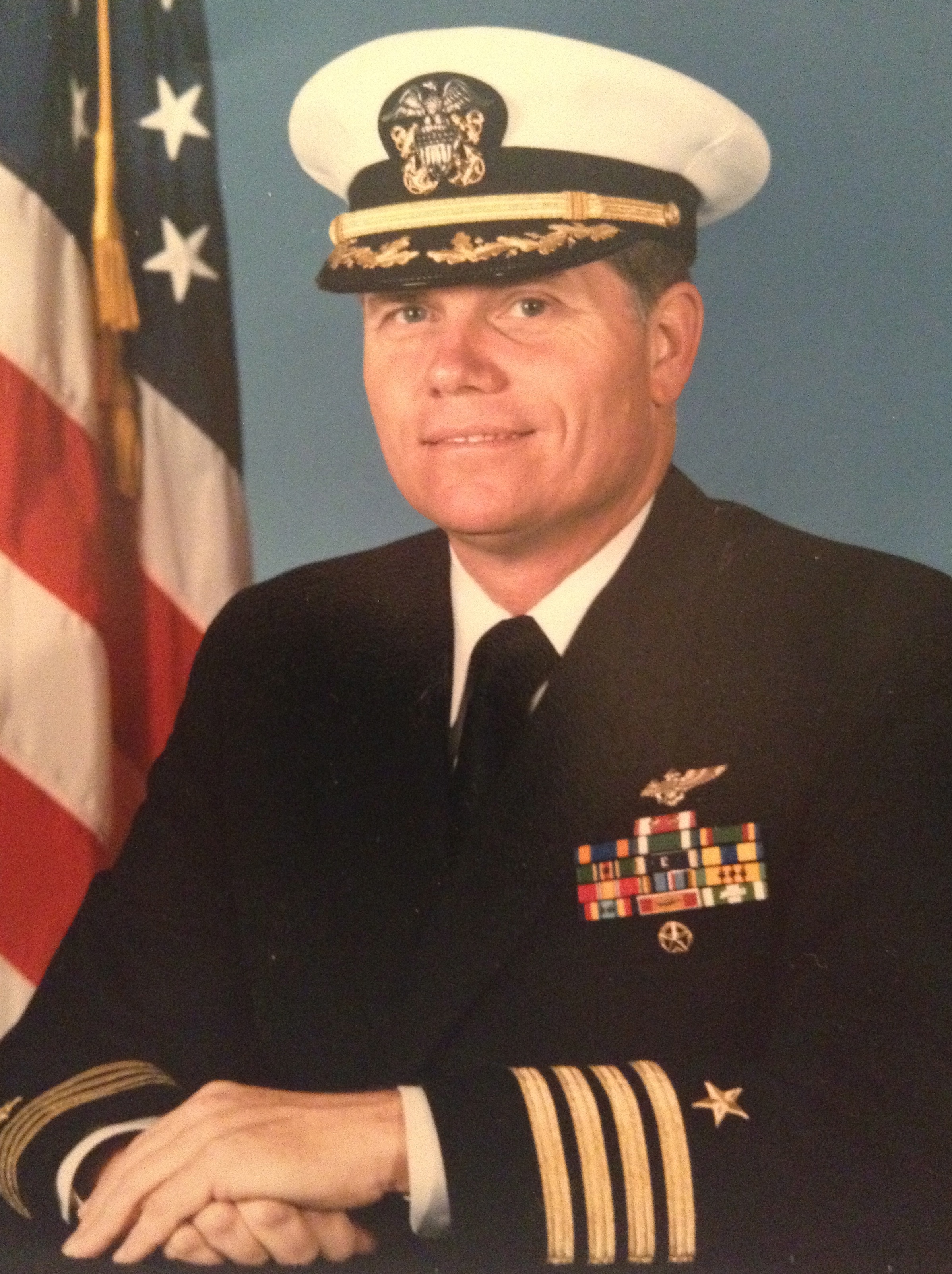
Two Military Men

Although the news was not unexpected, it was nevertheless painful to hear. Yesterday evening we received word that Craig Reynolds, my brother-in-law, had passed away.

The past several months have been incredibly difficult as the cancer in Craig’s body spread and began to systematically eat away at his strong frame, reducing him to half his body weight.

A few weeks ago Craig lost the ability to eat and had to begin a feeding regimen through a tube inserted in his abdomen. On our last visit, Craig told me, “I can’t eat anymore — one of the few things that you can still enjoy as death nears. But I can breathe!”

Craig never complained but instead tried to see the upside of things. At one of the last meals that Cheryl and I shared at his home, he even took the time to come into the kitchen to help prepare for us what he could not enjoy himself. Craig continued to find small ways to serve others to the end.

I marveled at how Craig could stand the intense pain he suffered in the final weeks of his life. I was even more surprised when he insisted that his pain medication be regulated so that he could still feel a bit of pain. He did not want to be entirely numbed or sedated. Craig said that he still wanted to feel a little bit of pain because even a slender thread of pain kept him tethered to what it feels like to be alive and aware of your surroundings.

Perhaps it was a combination of his strong faith and his military training, but Craig continued to bear as much of the responsibility for his own care as he could until the very end when he was in and out of consciousness. I think that this was also his way of easing the burden of care on Cindie, his wife. He understood how hard she was working to manage the household and everything associated with his care. Watching how Craig faced death gave new meaning to “Rock” — the nickname given to him by the men in his Bible study group.

For those of us who knew him, Craig was indeed a rock-solid man. His faith in Christ was unwavering, even throughout the years he served in the military and flew search and rescue missions in Vietnam.

And his commitment to his family was rock-solid as well. Craig was a source of godly counsel and sound advice shaped by a lifetime of having developed a strong Biblical worldview. And it was his Biblical worldview that ultimately prepared him to face death with confidence.

In the past months Craig often quoted 2 Corinthians 5:8, “We are confident, I say, and would prefer to be away from the body and at home with the Lord.”

Craig faced death with the confident assurance that it would not be the end but instead an entrance into the very presence of the Lord whom he loved and had served for a lifetime. Craig was privileged to meet lots of important and renowned leaders throughout his military career, but all of this pales by comparison to what Craig experienced the moment he took his final breath — meeting Jesus face to face.

This morning, as I reflected on Craig’s life as a military man, I thought about the centurion who approached Jesus in Capernaum.

This military man asked Jesus to heal his servant who was lying paralyzed at home. When Jesus agreed to go to the man’s home to heal his servant, the centurion told Jesus that he was not worthy to have Him come under his roof but believed that Jesus could heal his servant by merely speaking a word.

That exchange prompted Jesus to say, ”Truly, I tell you, with no one in Israel have I found such faith” (Matt. 8:10). I think it’s interesting that the guy who expressed the kind of faith that got the attention of Jesus was a military man who understood what it is like to be in authority and under authority.

Maybe Jesus will introduce Craig to that centurion in heaven and these two military men who demonstrated great faith will reflect on how beautiful it was to trust in Jesus.

We will miss Craig and everything that his presence meant to our family but know that we will see him again. We grieve with hope. Fair winds and following seas, Captain Reynolds.

Posted by: Omar C. Garcia | January 11, 2012

Wordless Wednesday

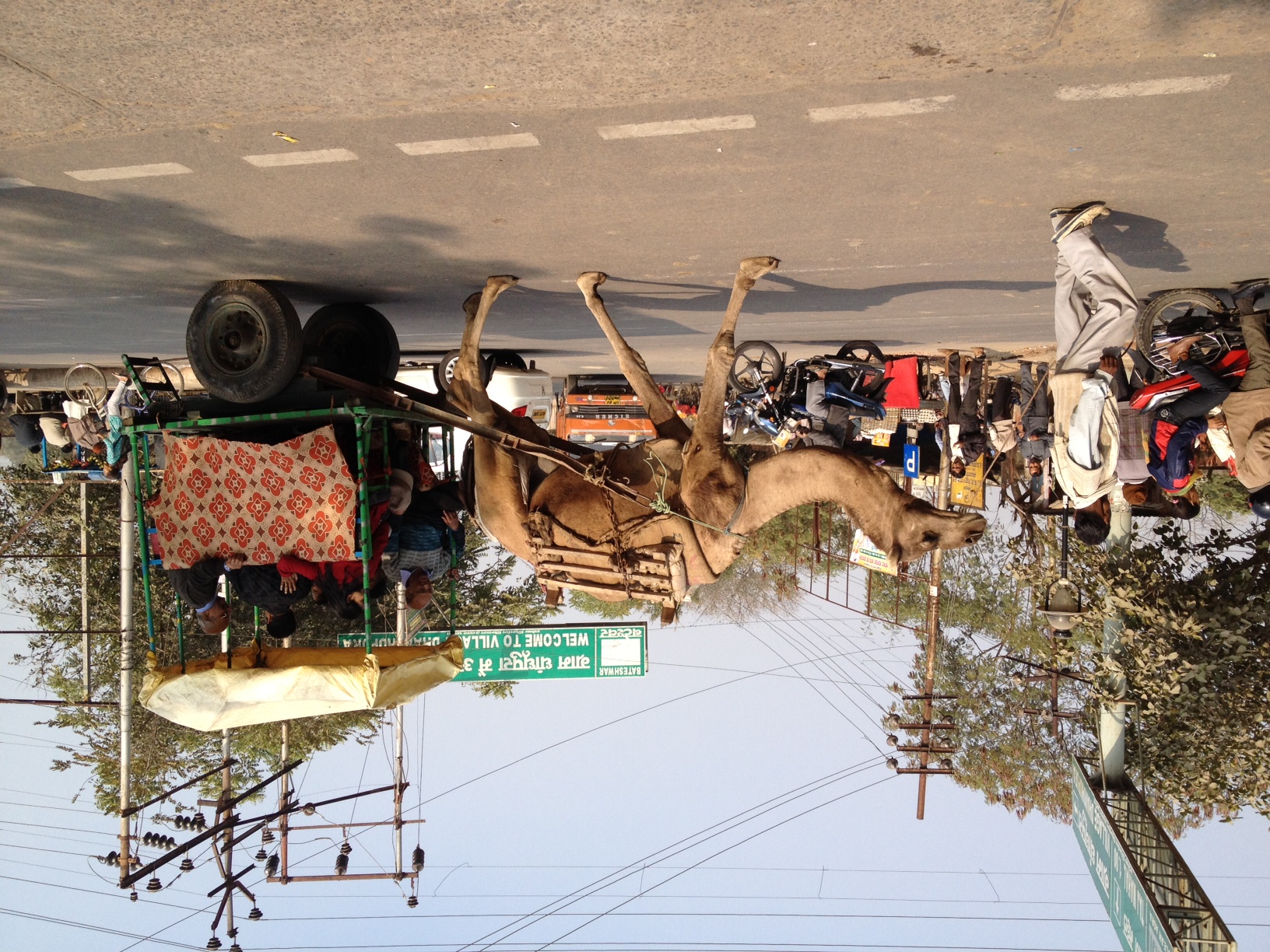
Just another form of public transportation. | 2012 | Agra, India

Posted by: Omar C. Garcia | January 10, 2012

Serving in Obscurity

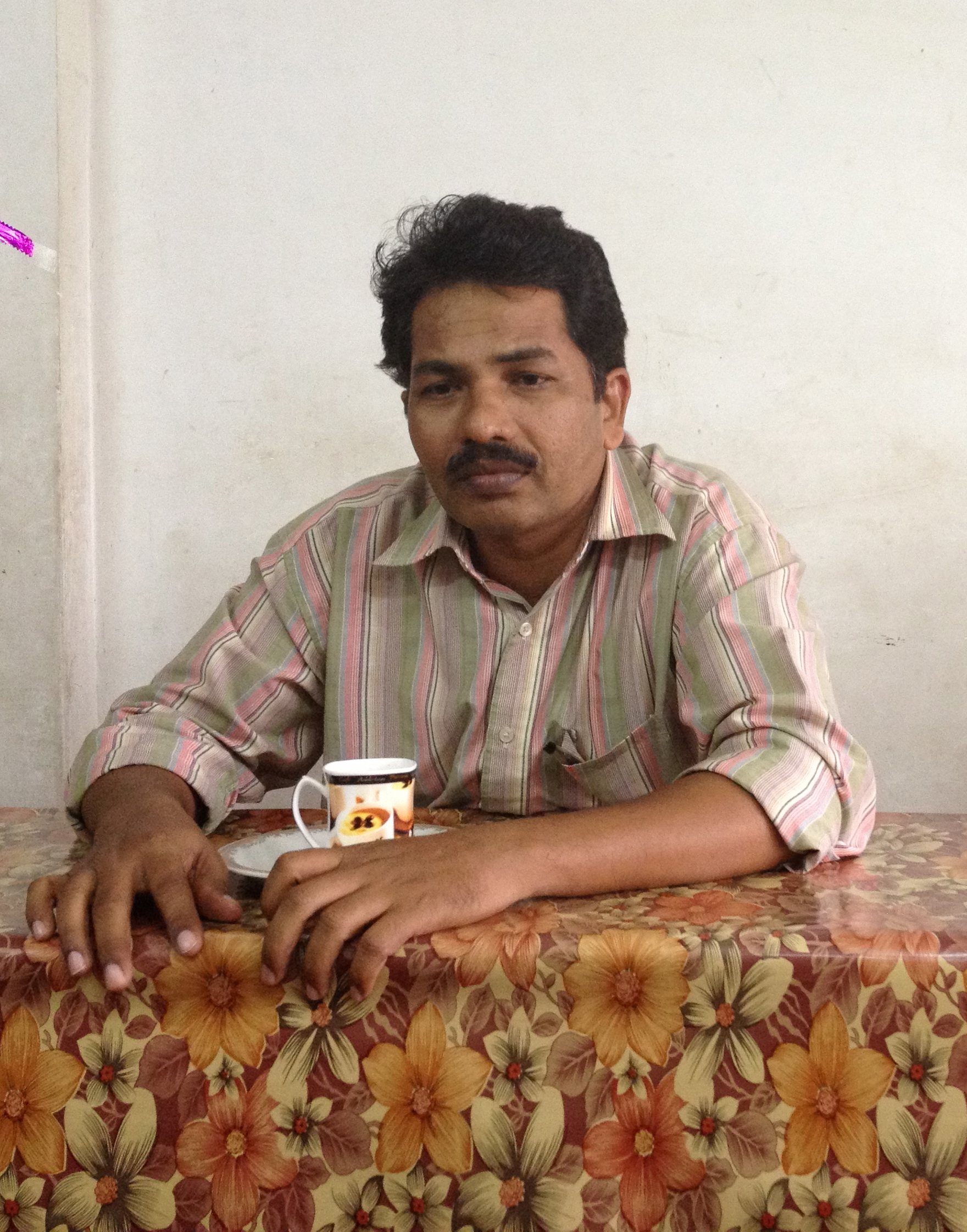
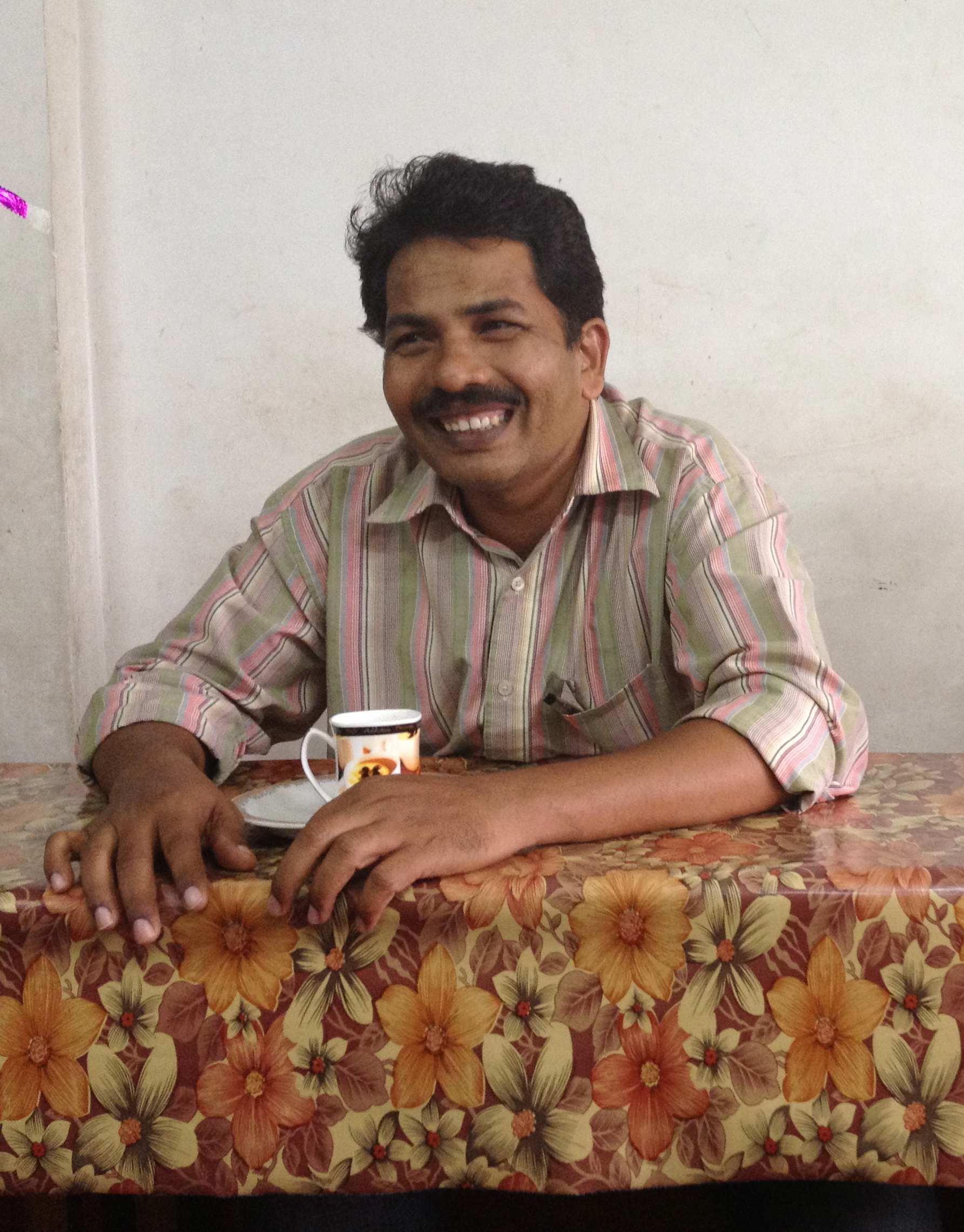
Most of my heroes are ordinary people who live in relative obscurity — the kind of folks who are not seeking any kind of recognition but whose greatest joy is serving God’s purposes beyond the scope of any limelight. A few months ago I learned about a man and his wife in Kolkata who are doing just that, faithfully serving God’s purposes in a hard place — Kolkata’s railway stations. While in Kolkata last week, I had an opportunity to meet Navin. My friend Don drove me to Navin’s home, a humble place located across from a mosquito-breeding marsh. Navin invited us in and offered us a cup of hot chai. And then, he shared the story of how God led him and his wife to take ownership of caring for kids who live a “Lord of the Flies kind of existence” in the shadows of Kolkata’s bustling railway stations which are among the busiest in the world.

I am always curious about why a man or a woman will forsake any prospects of comfort and a normal life in order to do something hard. When Navin and his wife became aware of the plight of the railway kids, they prayed and fasted as they sought God’s direction about what to do. Ignoring the problem was not an option. They felt they needed to act in order to make a difference in the lives of these kids. And, they did not allow the magnitude of the need to discourage them. They understood that they could not do everything but that they could do something. So, they decided to start by opening their own home to these kids who lived like animals, sniffed glue and paint thinner, ate from garbage bins, and picked pockets in order to survive.

The first year was the toughest. Navin said, “The kids would not sleep and constantly fought with one another.” But Navin and his wife continued to patiently love and work with these kids. I had an opportunity to meet several of the boys and a couple of the girls. They were polite and courteous and calm. Today, these kids attend a Christian school and have a hope for a brighter future. Since starting their work in 2006, Navin told me that they have been able to reunite three kids with their families. And at a recent church service, one of the boys asked for prayer for his mom and dad because he did not know where they were. Like others Navin and his wife have helped, this young boy became separated from his parents amid the hundreds of thousands of passengers that pass through the railway station every day. Perhaps one day he too will be reunited with his family. In the meantime, he has a safe place to live and will get a good education because one man and is wife could not ignore the plight of children like him.

My friend Don told me that although he has many needs, Navin never asks for anything. Instead he prays and trusts God daily to make provision for their rent, food, clothing, medicines, school tuition, and other needs. Navin and his wife can testify to God’s faithfulness in giving them their daily bread. After leaving Navin’s home, God impressed upon me to do something to help. So, on behalf of the people of Kingsland, I was able to purchase mattresses and a water heater for the kids. We had everything delivered the following day. Navin was overjoyed and filled with gratitude. I am thankful to have had the opportunity to meet Navin and look forward to seeing him again when I return to Kolkata. He and his wife are officially on my list of unsung heroes. They are making a difference.

Posted by: Omar C. Garcia | January 8, 2012

A Center of Love

Kolkata, India to Katy, Texas

I returned home from Kolkata yesterday after two long flights on Emirates Airlines. No matter what route you take to or from Kolkata, it’s a long trip — one that I’ve made several times. As usual, I not only had time to try to sleep a bit on the flight home, I also had lots of time to think and reflect on my most recent visit to the City of Joy. Part way into the trip home, I had a nice conversation with two of the flight attendants. One was from Nairobi and the other from, of all places, Kolkata! Needless to say, I had a long conversation with the young lady from Kolkata and learned new things about some of the older parts of the city. She smiled and nodded in agreement when I said that there is nothing boring about Kolkata. Whether you are a resident or a visitor, Kolkata offers a kaleidoscope of constantly changing scenes that will sadden and amuse you or that will provoke you to anger or action. The bottom line is that it is nearly impossible to be passive in Kolkata.

My life in Katy, Texas is so different from life in Kolkata. Suburban life is designed to protect our privacy, maximize our security, and in a way, isolate us from others. We can manage our exposure to other people in the suburbs. I hardly see any of my neighbors during the week. Most of them park their cars in their garage. So, they leave for work or school in the morning and return at the end of the day without ever having to use the front door of their homes. Our boulevards are clean and pleasant and the only time we see a homeless person is when we are closer to the interstate highway that bisects our community. And even then, we don’t have to interact with the folks holding their cardboard résumé that tell us they are homeless and hungry. We essentially live day in and day out with few things that challenge us to think deeply about our faith and its application. Not so in a place like Kolkata.

A typical Kolkata sidewalk.

One of the reasons I love Kolkata is that it puts me in direct contact with humanity. Like most people in the city, I have to depend on public transportation that forces me to get over any notions of personal space. Whether I board a bus or a trolley or get into a cab or climb into a rickshaw, I am face to face or shoulder to shoulder with others. And then there are the multitudes of beggars with filthy hands and longing eyes — mostly little children, women, or the elderly. It is absolutely impossible to avoid them. I also do a lot of walking from place to place while in Kolkata and get to see life on the streets in slower motion. No matter how you get around in Kolkata, you can’t avoid the people and you can’t avoid having to think about them and their spiritual and physical condition and how to live out your faith among them.

Traveling to places like Kolkata has challenged me to become more intentional about developing peripheral compassion in my own community. You develop peripheral compassion by slowing down a bit, taking the time to look to the right and to the left, looking for clues that lead you to discover need, noticing and talking to the people you encounter every day (including those behind the cash registers of the places where you eat and shop), and thinking deeply about how God can use you to develop relationships that will open doors to share your faith with others. We must look for ways to maximize our exposure to humanity in the places where we live. We must learn to feel the pulse and listen to the heartbeat of our community. Just because human needs and suffering are not as obvious here does not mean that they do not exist.

I recently read a story about a rich man from Holland who asked Mother Teresa if he should give up his big home and his big car. Mother Teresa replied, “No. But what I want you to do is to go back and see more of the lonely people who live in Holland. Then, every now and then I want you to bring a few of them at a time and entertain them. Bring them in that car of yours and let them enjoy a few hours in your beautiful house. Then your house will become a center of love — full of light, full of joy, full of life.” (from “Reaching Out in Love: Stories Told by Mother Teresa,” pages 151-152). That’s great advice for those of us blessed and privileged to live in comfortable and safe places. Purpose to make your home a center of love where God’s name will be glorified and made famous throughout this new year and beyond.

Posted by: Omar C. Garcia | January 5, 2012

The Beautiful Smile

Kolkata, India

According to statistics, 27 million people on the planet today live in some form of slavery or bondage. That’s a disturbing statistic, the kind of information that gives us insight into the magnitude of a global problem. However, it’s important to peel back those numbers to learn the stories of those who live or have lived in some form of slavery. Personal stories are powerful because they can give us insight into how a person becomes a part of disturbing statistics. And, because personal stories tend to touch our hearts they can also compel us to become a part of the solution — to act in a practical and measurable way to make a difference. It’s easy for us to shake our heads and dismiss disturbing statistics and exclaim, “What a shame!” But, it’s harder to dismiss the story of just one person who has experienced the horrors reflected by the statistics.

A little more than two years ago, I led our missions ministry to became engaged in the fight against human trafficking. We now have several justice partners with whom we work both at home and abroad. Among these is an aftercare home for young girls rescued from the forced commercial sex trade in the brothels of South Asia. Every time I visit this home I am reminded of why we must remain engaged in the fight against injustice. And every time I listen to a young girl tell her story, I understand a little better why God is concerned about the welfare of the victims of injustice and all who are destitute, poor, and needy. Those trapped in the world of slavery need for us to hear their cries, to speak and to act on their behalf, and to champion their cause. You cannot unlock the shackles of the enslaved with the dull keys of ignorance, silence, and inactivity. We must become increasingly knowledgeable, intentionally engaged, and strategically active in order to bring about change.

Yesterday, I met a thirteen year-old girl who lives in the aftercare home we support. She is new here since my last visit. She has a beautiful smile but lonely and longing eyes. She approached me and stared at me for a moment and then said, “You remind me of my father.” I asked, “When was the last time you saw your father?” And with that, her story began to unfold. This young lady is from a small village in a neighboring country. Almost a year ago, her family sent her to visit her aunt in a larger city. While there, a neighbor invited her to accompany her into the city to run some errands. That was the last time she saw her aunt. She remembered waking up in a room where her descent into hell began. For four months she was kept in a drug-induced stupor so that men could have their way with her. Then she remembers waking up in a police station where she was told that she had been unconscious for four days. The courts placed her in aftercare where she is recovering from her ordeal.

I asked her how she survived through her unimaginably dark days in captivity where she was forced to service the sexual whims of evil men. “God was with me. That’s why I am saved.” And then she told me how much she misses her parents and wishes that she could contact them and just talk with them. But, she can’t even remember where her village is located. She hopes that one day she can find her way back home to her family. In the meantime, she has a safe place to live and to recover. I encouraged her as much as I could and then, as we finished our conversation, told her that she had a beautiful smile. “If I don’t smile,” she said, “I won’t be able to live.” That is a beautiful testimony to her faith and resilient spirit. This sweet little girl with the beautiful smile has hope and I am confident that one day she will be reunited with her family. I can only imagine that there will be lots of beautiful smiles on that day.

« Newer Posts - Older Posts »

Categories