Posted by: Omar C. Garcia | June 28, 2010

Stirred but Not Changed

Criticism is a fact of life. Although not all criticism is bad, most people hate being criticized. People tend to value praise and kind words much more than criticism, even constructive criticism. While criticism is sometimes delivered in unpleasant packages, it may actually contain some positive and useful suggestions for learning, correction, or improvement. I recently read something that British philosopher John Stuart Mill said in 1859 about Christians. He observed that Christians seemed to have the ability to say wonderful things without actually believing them. According to Mill, Christians easily parroted the words of Christ — words like, blessed are the poor; it’s better to give than to receive; judge not, lest you be judged; love your neighbor as yourself. Mill concluded, “The sayings of Christ co-exist positively in their minds, producing hardly any effect beyond what is caused by mere listening to words so amiable and bland” (“On Liberty” essay). Ouch!

As I reflected on Mill’s stinging criticism, I remembered something that I had read in “Half the Sky.” Although authors Nicholas D. Kristoff and Sheryl WuDunn were not specifically addressing Christians, their words echoed Mill’s words. “As with sex trafficking in India today,” they wrote, “it was easy to cluck about the brutality of it all and then move on.” Whether Christian or not, it is indeed easier for people of every worldview to cluck about disturbing things in our world and then move on and never act to do something about those things. Over the years, I have observed that people from every walk of life are easily stirred but few are actually changed. People can be stirred to anger by the most egregious injustices — “and then move on.” It’s easy to be disturbed and horrified by accounts of injustice but it’s much harder to follow-through and to do something to make a difference.

If something truly disturbs and horrifies us, then how can we continue to live our lives with disregard for the welfare of those in danger? How is it possible to be so stirred and yet remain passive in our response to the reality of the horrors that define the daily existence of those suffering oppression? What does it matter if we are inspired by the beautiful words of Christ if we fail to make our lives available to Him? And, what would our lives look like if we truly believed His words? Indeed, what would our world look like?

Caring for children of women rescued from brothels.

We must understand that although we can’t do everything we can do something to help. In the words of Proverbs 31:8-9, “Open your mouth for the dumb, for the rights of all the unfortunate. Open your mouth, judge righteously, and defend the rights of the afflicted and needy.” As you consider the plight of those oppressed by the wicked and those who are hungry, homeless, and naked, remember the words of Isaiah 58:6-8 —  “Is not this the kind of fasting I have chosen: to loose the chains of injustice and untie the cords of the yoke, to set the oppressed free and break every yoke? Is it not to share your food with the hungry and to provide the poor wanderer with shelter — when you see the naked, to clothe him, and not to turn away from your own flesh and blood? Then your light will break forth like the dawn, and your healing will quickly appear; then your righteousness will go before you, and the glory of the LORD will be your rear guard.”

We can’t do everything — but we can do something. Look for opportunities to be the hands and feet of Jesus this week. Take a risk and help someone in need. Don’t drive by, look the other way, turn up the volume, or convince yourself that someone else will take care of the need. Do what Jesus would do. Get involved. Love without condition. Give your coat. Walk the second mile. Make a difference. Never let it be said of us that we were stirred but not changed by the words and example of Jesus.
Posted by: Omar C. Garcia | June 24, 2010

You’ve Been Served

Every summer, Kingsland students participate in “You’ve Been Served” local missions initiatives. In addition to summer camp and age-graded mission trips that our students participate in from Katy to Kolkata, we provide opportunities for our students to serve the people of our community. We do this because we are committed to “equipping the generations, one home at a time.” One way in which we equip the generations is by leading our children and students to love and serve others without conditions. In these difficult times when we hear so many stories of people who are committed to hate, violence, and destruction, we are teaching our students the value of loving and serving others. Something good happens when you put tools in the hands of students and teach them to build or to improve something. As my dear friend Paul Haas likes to say — when we work our muscles by serving others, God builds our hearts and teaches us to love others.

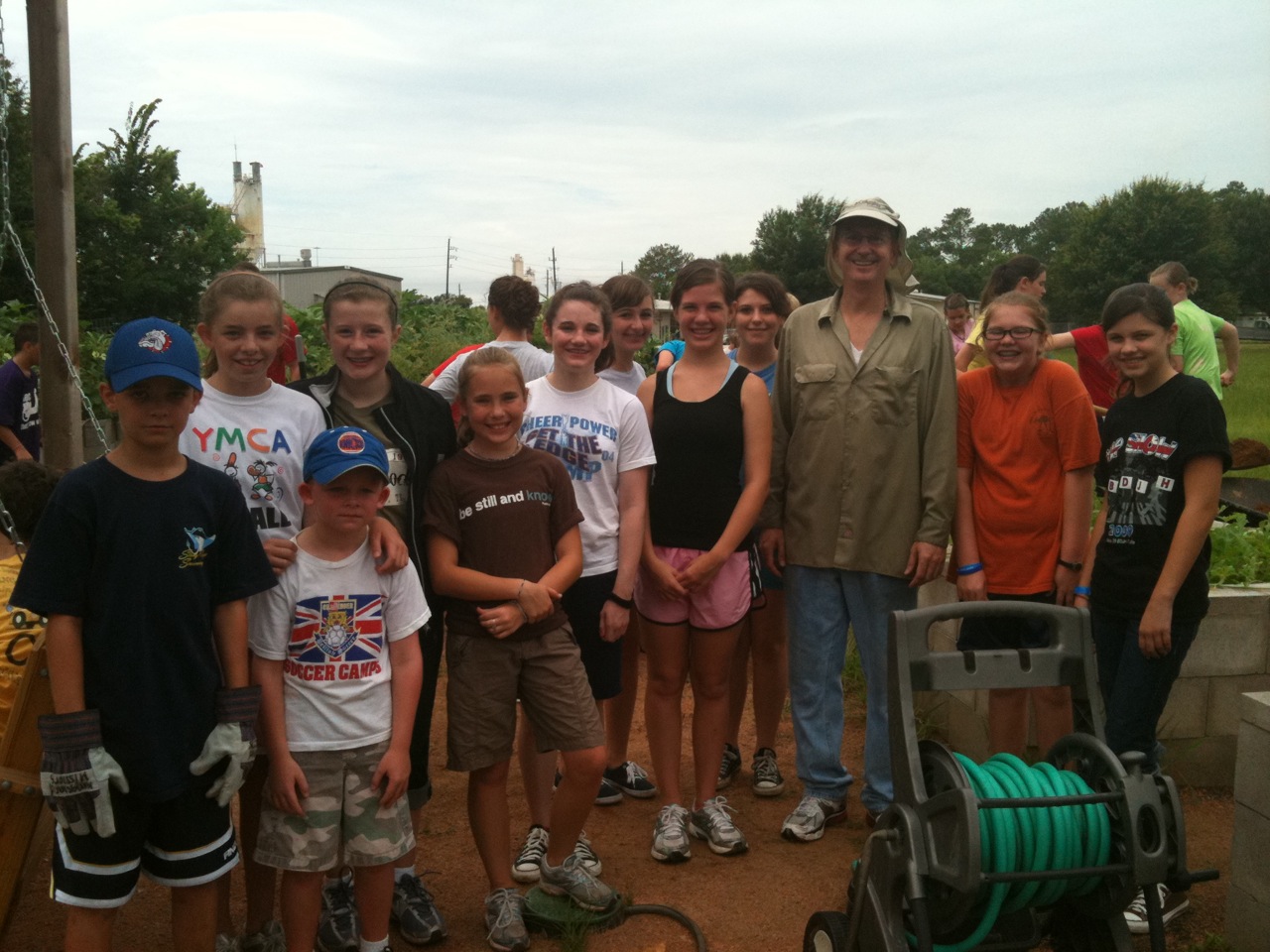
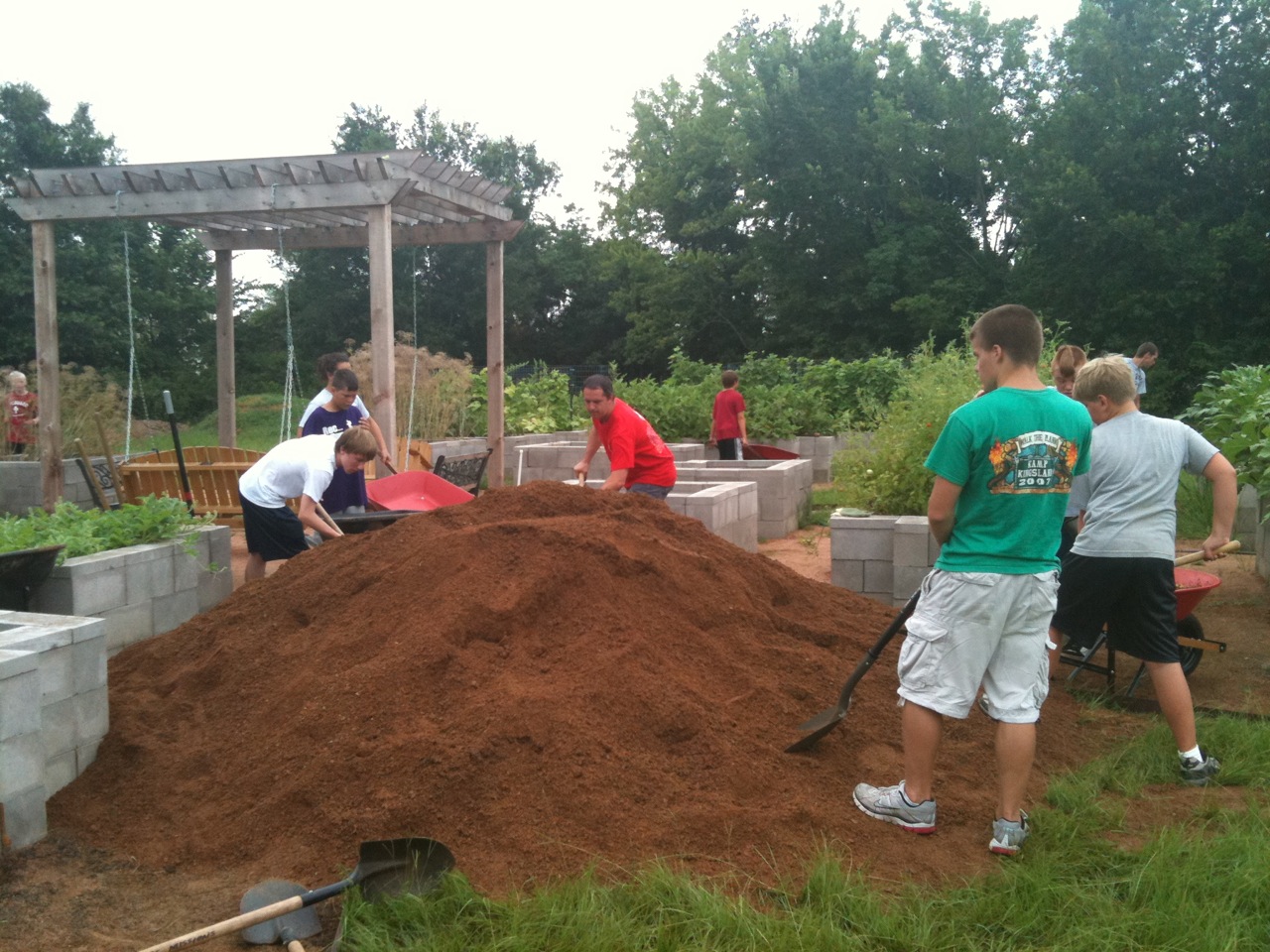
This morning, a small army of our Junior High School students served at the Katy Christian Ministries community garden. This community garden was the brain-child of Kingsland member Caprice Fortenberry. Last year, our missions ministry provided the funds to build this cross-shaped garden with its raised beds. Hundreds of Kingsland volunteers worked hard to make the garden a reality. Today, volunteers from churches throughout our community help to harvest hundreds of pounds of organic vegetables every week. This fresh produce is given to those in need through the Katy Christian Ministries food pantry. It’s a beautiful thing to see how God has used this garden to bless both the volunteers and the recipients of the fresh vegetables grown and harvested there.

Today our students helped Kingsland volunteer Charlie Matcek harvest 35-pounds of peppers. Charlie works at the garden every week and absolutely loves it. Our students also did some maintenance work on the paths that surround the beds by spreading and compacting ten yards of crushed granite and pulling weeds. Our kids worked hard. And, they had fun while working. They smiled and laughed as they shoveled and hauled wheelbarrows laden with crushed granite under overcast highs and high humidity. They never slowed down! I’m proud of our students and their service to our community today. It will be exciting to see how God continues to use these young boys and girls as they continue to grow up in an environment where they are taught to love and serve others and to work to improve our community. Next week our High School students will serve Bhutanese refugees who live in Houston. I am confident that God will continue to build the hearts of our students as they continue to work their muscles by serving others.

Posted by: Omar C. Garcia | June 21, 2010

A Jar Full of Dirt

My friend Steve Hyde arrived in Houston on Friday evening for a weekend visit. Steve is the Director of Asia for Jesus, a multi-faceted ministry that is strategically poised to help change the spiritual landscape of Cambodia and neighboring countries. When I met Steve in Cambodia last September, it didn’t take long for me to become inspired by the scope of his work. Steve has a huge vision for the unreached peoples of Asia and is uniquely gifted in orchestrating the strategic components that are propelling his vision into reality. Steve and his capable staff of national workers train thousands of church leaders and start over 300 new churches every year. Steve’s ministry translates and publishes more books annually than all other Cambodian publishers combined. Steve also has a team dedicated to translating the Bible into Cambodia’s many dialects by using the latest and most sophisticated translation software available. And, as if that were not enough, Asia for Jesus also produces Christian radio broadcasts.

In addition to having a huge vision for Asia, Steve has a huge heart. He genuinely loves and cares for people, especially those who suffer abuse at the hands of the unscrupulous. God has given Steve a Nehemiah-kind of favor with those in positions of influence in Cambodia. One person of influence asked Steve to care for the children — all the children — of Banteay Meanchey province. Banteay Meanchey province is located in the northwestern part of the country. The most dangerous place in this province is the border town of Poipet. As many as 40,000 of the more than 100,00 poor Cambodians living in Poipet cross the border into Thailand daily to work as day laborers. These laborers leave their kids alone for days at a time, creating the perfect environment for the powerful to prey on children. Children in Poipet are routinely kidnapped and trafficked across the border to Thailand where they are forced to work in brothels and construction sites. And, preschool-age children are recruited by gangs to transport drugs because they are the least likely to be suspected of doing so.

The person of influence who invited Steve to work in Poipet is Buddhist, yet was impressed by his record of caring for at-risk children in other parts of the country. Steve cares for children and the oppressed because he is guided by a worldview that values human life. The person of influence, the governor of Banteay Meanchey province, provided land for Steve to build the first of two buildings to house orphans in Poipet. Other buildings to care for the children who are left alone to wander through the slums will follow. The challenge is huge but the solution must come by making provision for the welfare of the children of Poipet — one child at a time. Kingsland is partnering with Steve and Life International to start a pregnancy help center in Poipet. Kingsland will also support Steve’s initiatives to reach at-risk children and to bring light into the darkness that makes Poipet a desperate and dangerous place for the weak.

Steve is so committed to helping the people of Cambodia and the surrounding nations that he has abandoned plans to ever return home. Although born in Iowa, Steve will not be buried there. He wants to be buried in Cambodia. When I visited Steve’s office last September I noticed a Mason jar full of dirt nestled among the books on his shelves. I asked Steve about that jar of dirt. “It’s dirt from Iowa,” he said. “I want to die in Cambodia. I have told my wife and my staff to sprinkle the dirt from Iowa on my grave when I am buried here in Cambodia.” Cambodia is now Steve’s home. He has given his life to living like Jesus and serving others in this country primarily known for its killing fields. I took Steve to the airport in Houston yesterday afternoon. He enjoyed his visit with us and will spend a few more weeks speaking around the country. And then, he is going home — to Cambodia.

The Mason jar full of dirt in Steve’s office reminds me of something that P.T. Forsyth, a Scottish theologian, said. “There is nothing finer nor more pathetic to me than the way in which missionaries unlearn the love of the old home, die to their native land, and wed their hearts to the people they have served and won; so that they cannot return to England, but must return to lay their bones where they spent their lives for Christ. How vulgar the common patriotisms seem beside this inverted home-sickness, this passion for a kingdom which has no frontiers and no favored race, the passion of a homeless Christ.” Steve has this inverted home-sickness, this passion to call Cambodia home. I’m grateful for Steve and all those who go beyond for the sake of the kingdom and who call places most in need of the gospel “home.”

• • • • •
Visit Steve Hyde’s blog — Jungle Adventures — to learn more about his work in Cambodia and to read about the dedication of the Children’s Center in Poipet.

Posted by: Omar C. Garcia | June 14, 2010

Behind Brothel Doors

I met Ed (name changed to protect his identity) earlier this year when I was in South Asia. This former undercover narcotics officer now works on the staff of International Justice Mission. He coordinates the rescue of young girls trafficked to India to work in brothels. That’s tough work by any standard. But, Ed is a tough guy. As a younger man, he served as a rescue diver while in the Marines — jumping out of helicopters into dark and dangerous waters in order to rescue people in danger. Today, Ed is still rescuing people in danger, only now he dives into the vile cesspools of India’s brothels to rescue young girls drowning in the putrid sludge of the commercial sex trade. This is dangerous work on every level but is also a practical expression of God’s passion to rescue the oppressed. I’m grateful for unselfish people like Ed who have given themselves to “doing justice for the fatherless and the oppressed, so that men of the earth may terrify no more” (Ps. 10:18).

This past Sunday Ed spoke to the people of Kingsland about the unfamiliar passions of God — His concern for the millions in our world who are crying out for justice. God used Ed to give us a glimpse of what life is like for young girls imprisoned against their will behind brothel doors. Ed cautiously opened the door to this dark world, but only slightly — just enough to allow us to peek inside to see the shadows of the incomprehensible evil that lurks there. But, it was enough to bring us to tears and to cause the muscles of our indignation to tighten. As Ed spoke I was reminded of the words of Samuel Pisar, a Holocaust survivor. Pisar said that “the Holocaust, which destroyed a people, teaches us that nature, even in its cruelest moments, is benign in comparison with man when he loses his moral compass and his reason.”

The world behind brothel doors is a world void of reason and whose shattered compass points only in one direction — to the greed of those who oppress young girls for profit. These heartless oppressors abuse the weak and vulnerable without restraint. The age of the victim is of no consequence to them. Ed told me that the youngest girl he has helped to rescue was five years old. Think about that for a moment — five years old! No one is safe behind brothel doors where the powerful feel that they can abuse the weak with impunity and, in these hiding places, kill the innocent (Ps. 10:8). One reason “the wicked boasts of his heart’s desire” and “curses and spurns the Lord” (Ps. 10:3) is because there are so few who are willing to venture into their dangerous world to rescue the innocent and to bring oppressors to justice.

Unless more people are willing to go into the dangerous world behind brothel doors, then the little girls held there against their will do not stand a chance. They will cry out for deliverance until they can cry no more. They will continue to suffer at the hands of the wicked — forced to service the sexual whims of multiple misogynistic customers every day. These girls need champions — they need individuals who will work “to loosen the bonds of wickedness, to undo the bands of the yoke, and to let the oppressed go free” (Isa. 58:6). It’s not enough to be stirred by stories of injustice. Too many people are stirred but not changed. We must champion the cause of the oppressed and plunge into the turbulent waters threatening to drown them. We must pray for and unselfishly underwrite initiatives that break down brothel doors and set captives free. Please take practical steps to become more informed about the plight of sex-trafficking victims. And then, become a champion for those trapped behind brothel doors.

• • • • •
Learn more about International Justice Mission by visiting their website. And, visit our Kingsland Justice blog to learn about what the people of Kingsland are doing to champion the cause of the oppressed.

Posted by: Omar C. Garcia | June 10, 2010

Write Two Obituaries

I recently read about Roz Savage, a thirty-something woman who sat down five years ago to write two versions of her obituary — the one she wanted and the one she had. The obituary she wanted was one that reflected a life of adventure. The one she was actually heading for reflected a nice, normal, safe, and pleasant life. She looked at both versions and realized that she was totally on the wrong track. Furthermore, she realized that if she continued along that track she would not end up where she wanted to be at the end of her life. So, she made some changes, left her corporate job and “through a bit of a leap of logic, decided to row across the Atlantic Ocean.” Savage accomplished her dream of rowing across the Atlantic in 2005 and recently completed her solo row across the Pacific Ocean to raise awareness about pollution in the Pacific.

There is wisdom in taking the time to write your own obituary and to ask yourself the hard questions about your life. If you were to die today, what would your obituary say about you? If you knew you had another x-number of years of life remaining, what would you want your obituary to say about you? What will your obituary say about your commitment to God and His purposes? What will distinguish your obituary from that of someone who was not committed to God or His purposes? In his book entitled “Don’t Waste Your Life,” John Piper cautions: “No one will ever want to say to the Lord of the universe five minutes after death, I spent every night playing games and watching clean TV with my family because I loved them so much.” Piper continues, “I think the Lord will say, ‘That did not make me look like a treasure in your town. … Even sinners work hard, avoid gross sin, watch TV at night, and do fun stuff on the weekend. What more are you doing than the others?’”

I am not suggesting that you quit your job and set off on a great adventure across the Atlantic or the Sahara. However, each of us should be willing to more heartily embrace the everyday adventures that make life interesting, nudge us out of our comforts, and tell the world of God’s faithfulness. Live in ways that bring glory to God and look for daily opportunities to show kindness to others — and lead your family to do the same. Don’t spend all of your time and money on yourself and your family. Take a risk and connect with people that you would normally avoid or do something for God’s kingdom that you never imagined you would do. Live out the message of Proverbs 3:3-4, “Do not let kindness and truth leave you; bind them around your neck, write them on the tablet of your heart. So you will find favor and good repute in the sight of God and man.”

In the 30th Psalm, King David complained, “What will you gain if I die, if I sink down into the grave? Can my dust praise you from the grave? Can it tell the world of your faithfulness?” (30:9). David’s first question can only be answered by God. However, we can answer the other questions: “Can my dust praise you from the grave? Can it tell the world of your faithfulness?” Our dust can praise God from the grave and tell the world of His faithfulness. However, we must write the script for our dust — one line and one day at a time. So, when your obituary is finally written, will it declare God’s glory and tell the world of His faithfulness? If not, then begin rewriting your obituary today and every day until you die. Determine to make whatever changes are necessary in order to get on track with what you want said about you and about God’s faithfulness at the end of your life.

Posted by: Omar C. Garcia | June 6, 2010

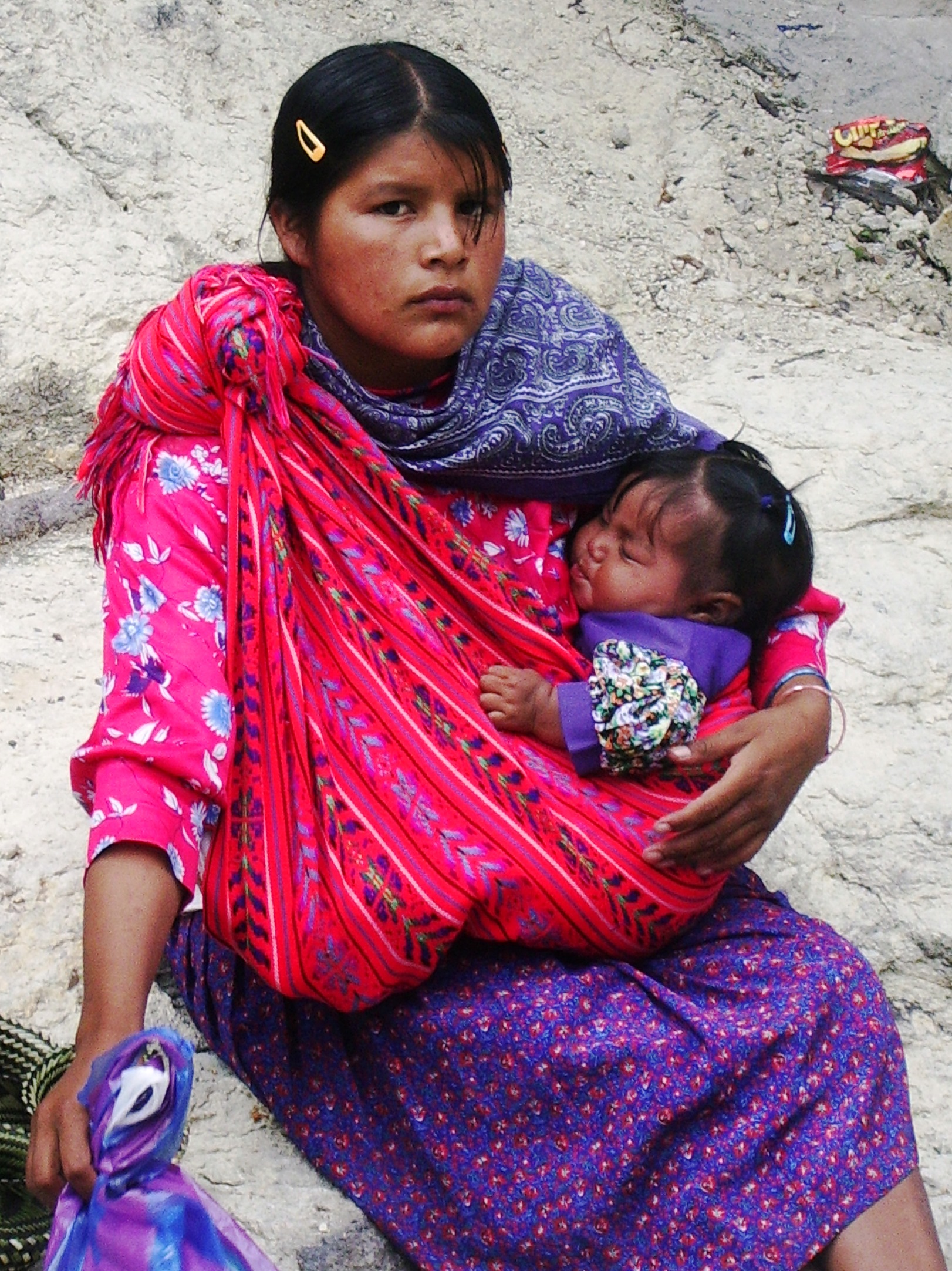
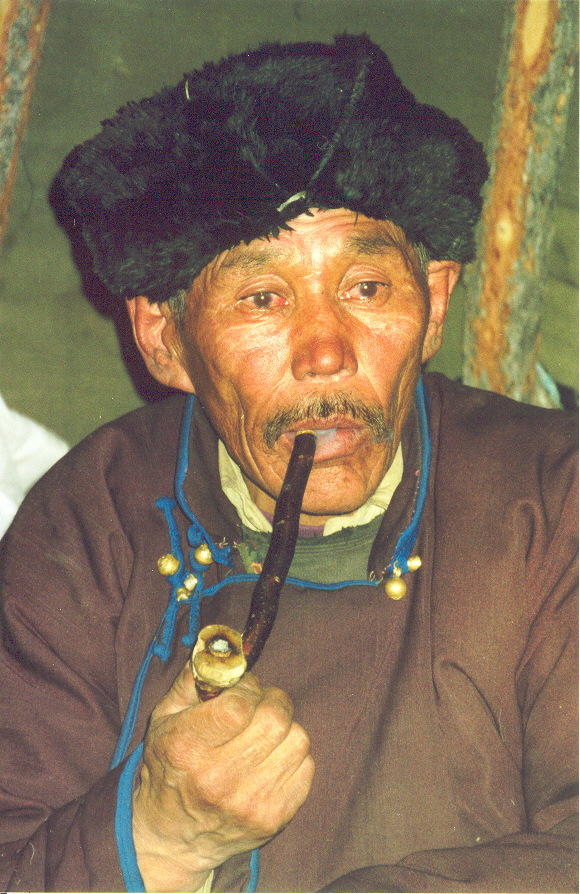
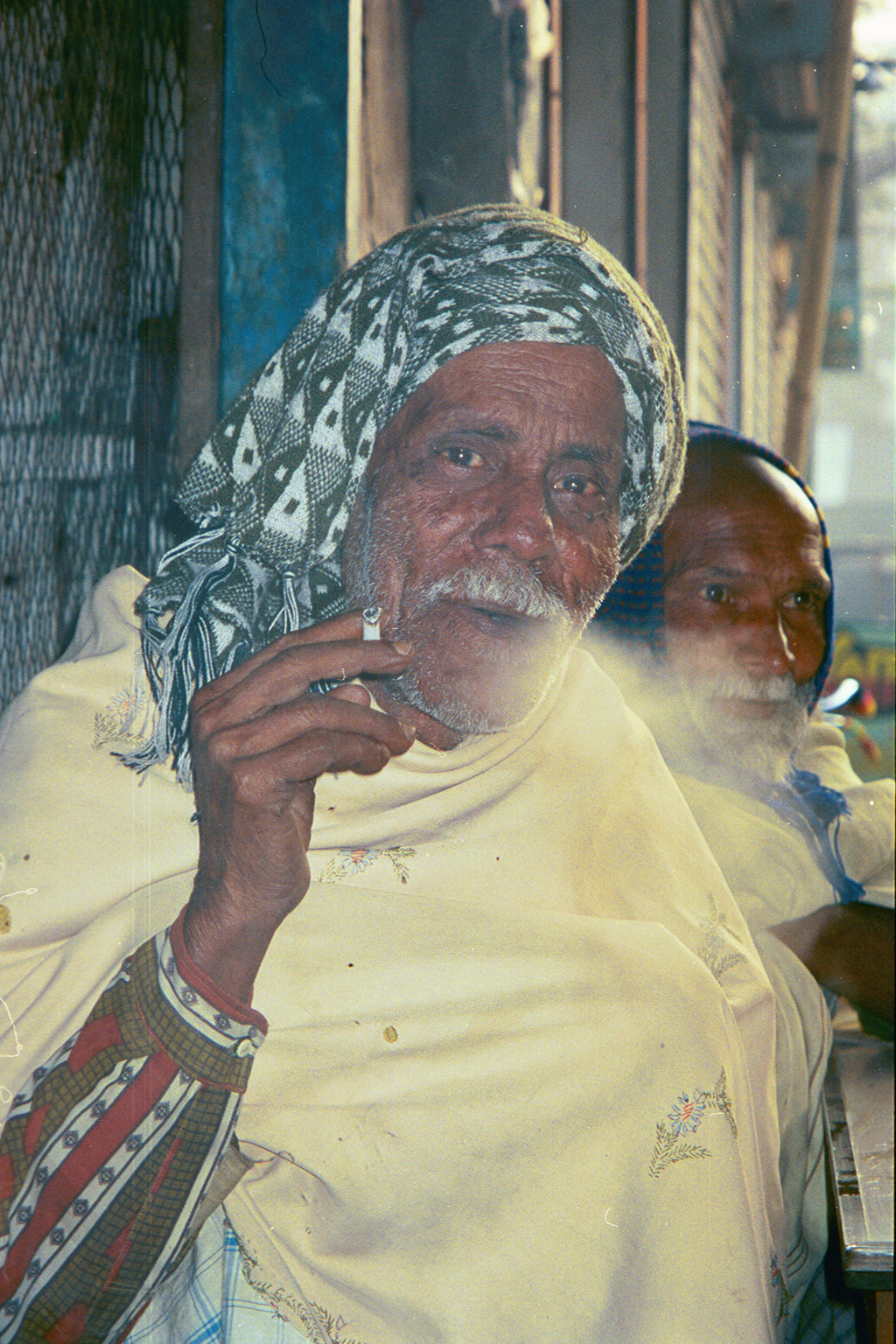
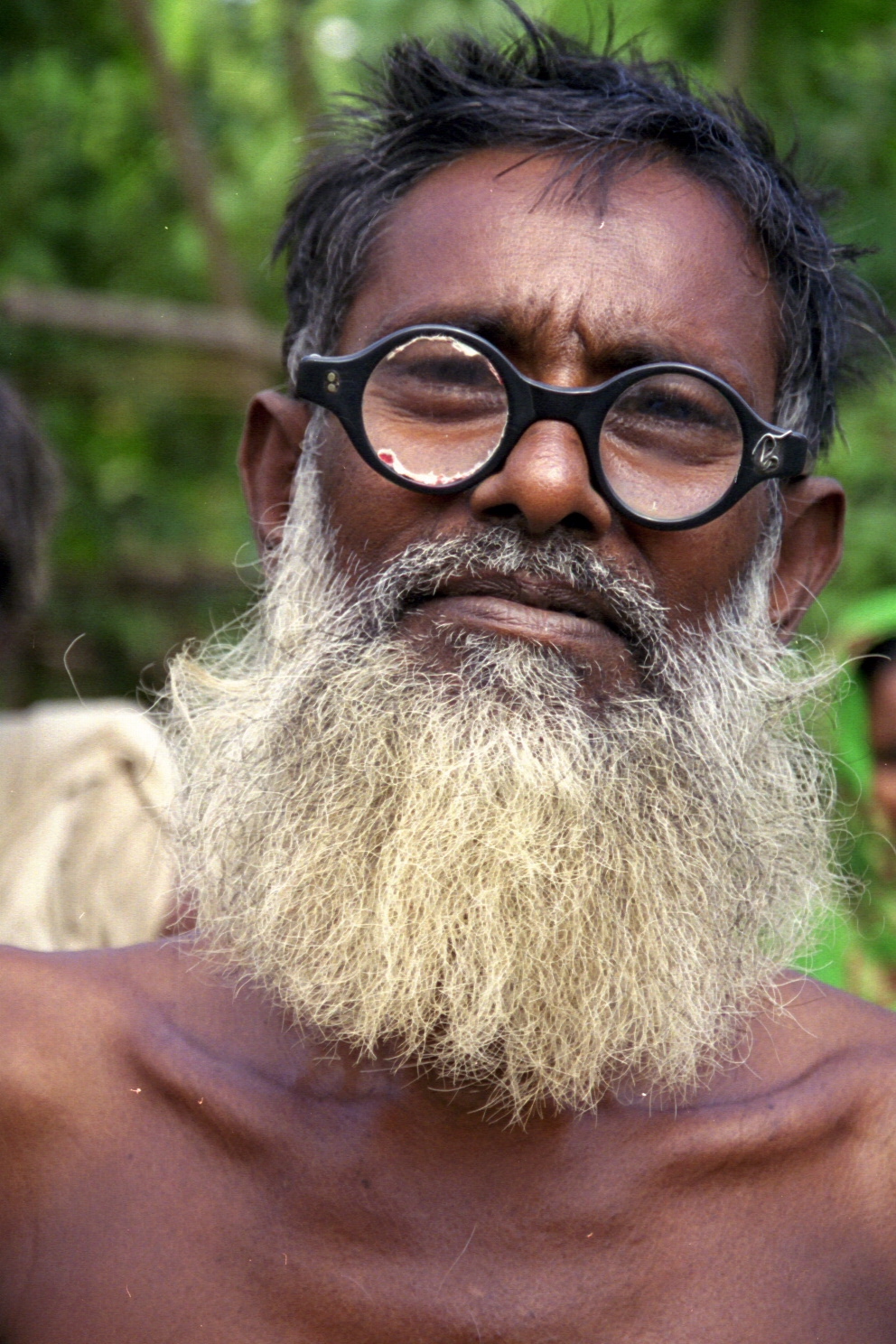
The Language of Faces

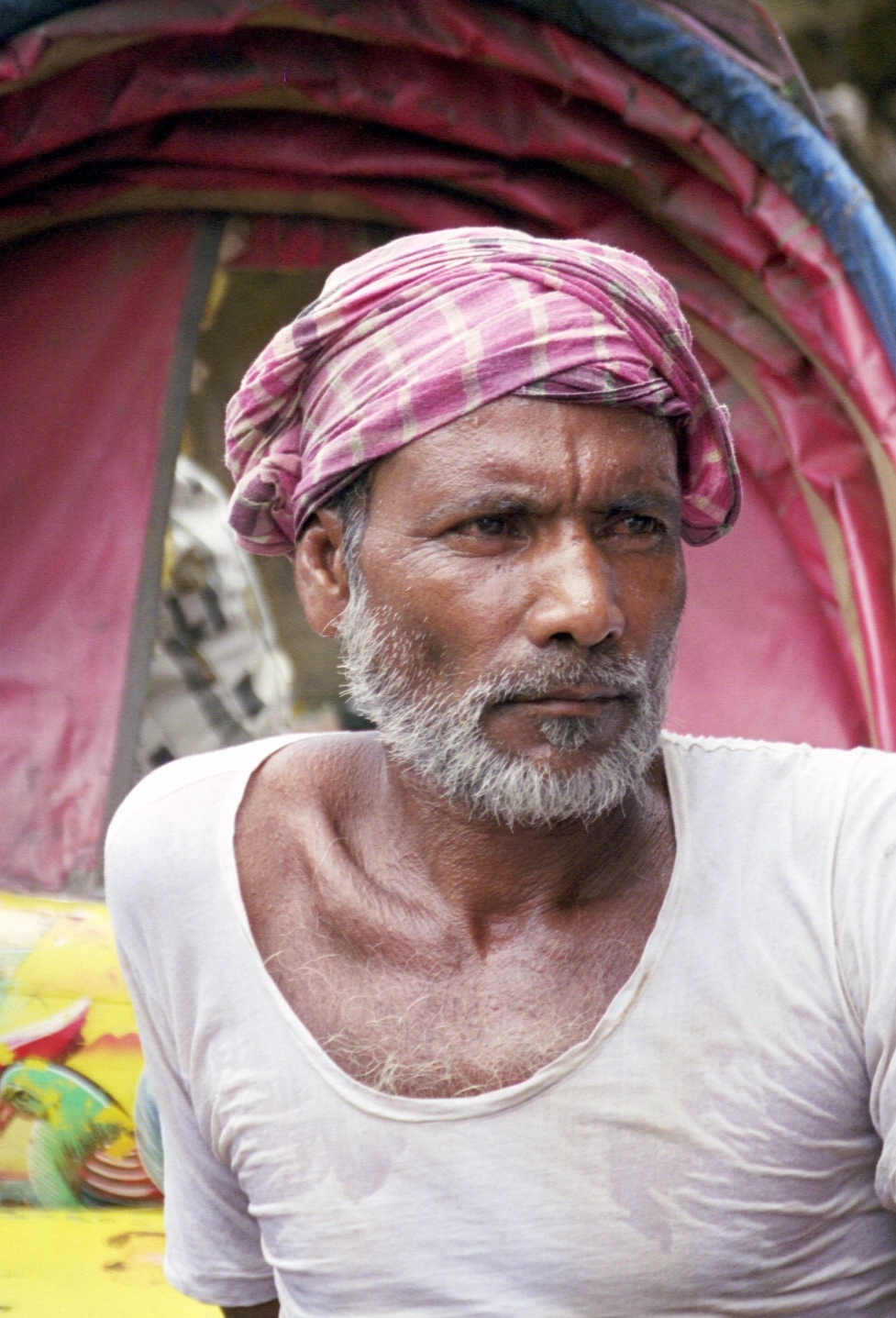
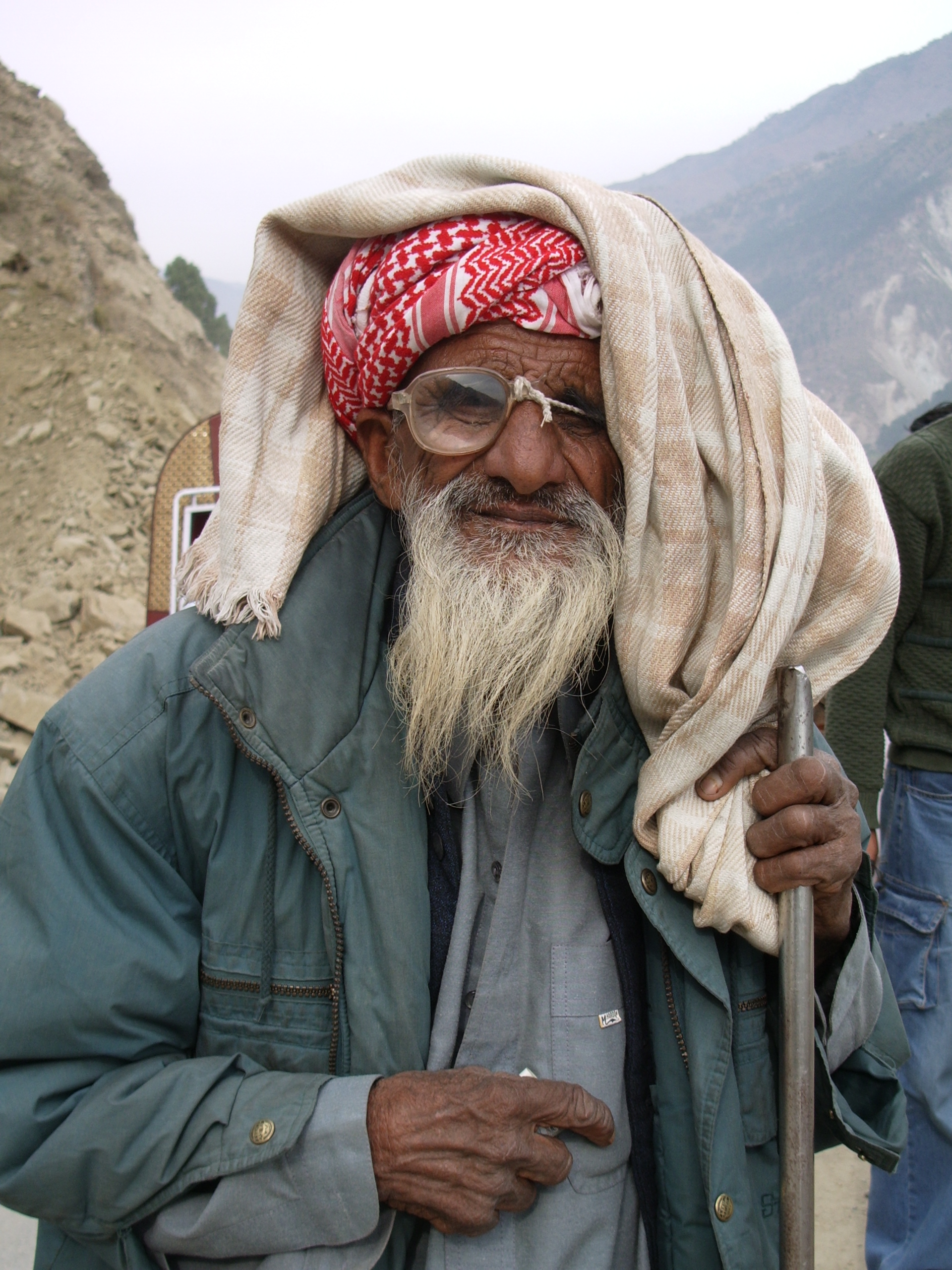
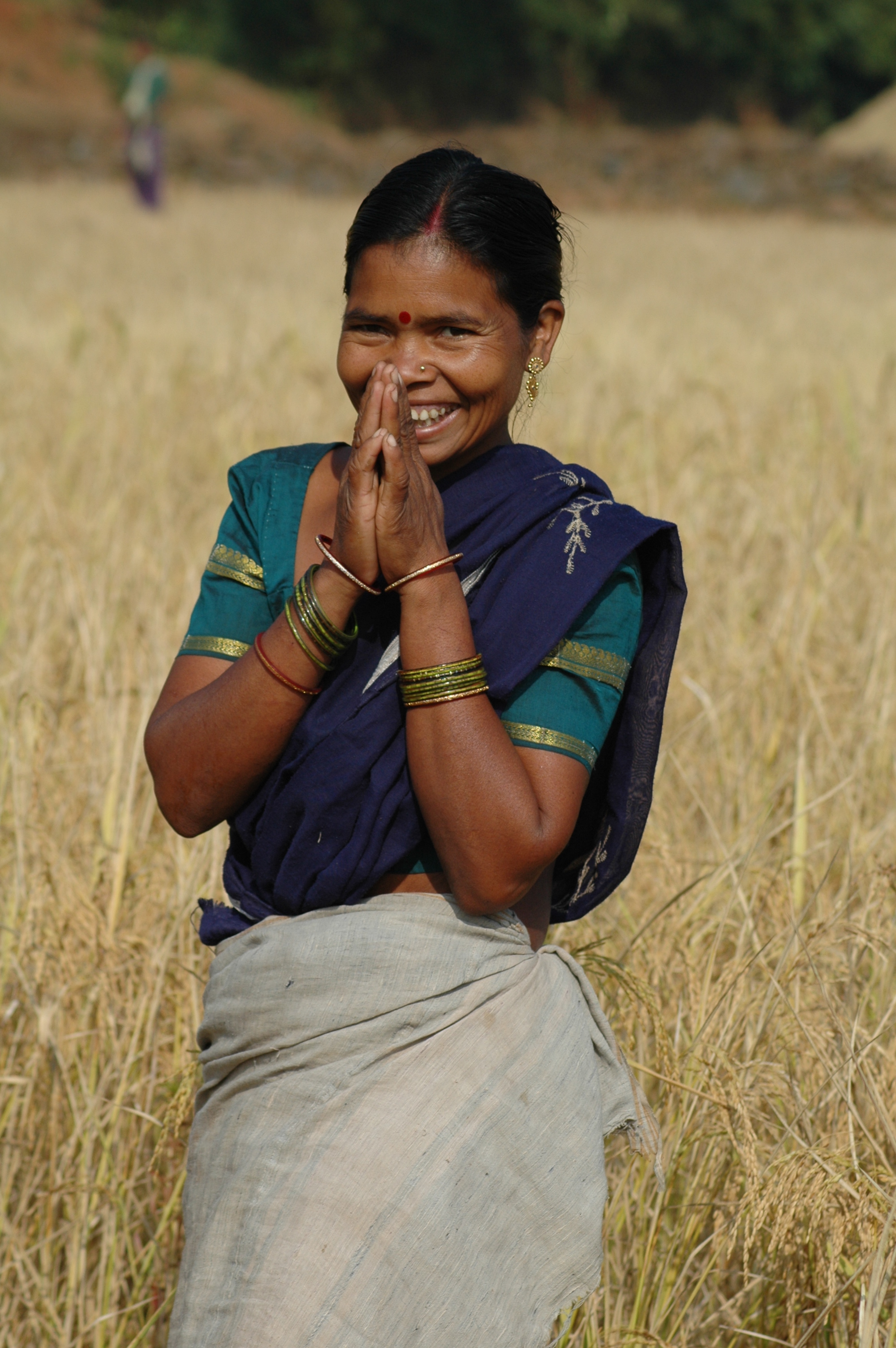
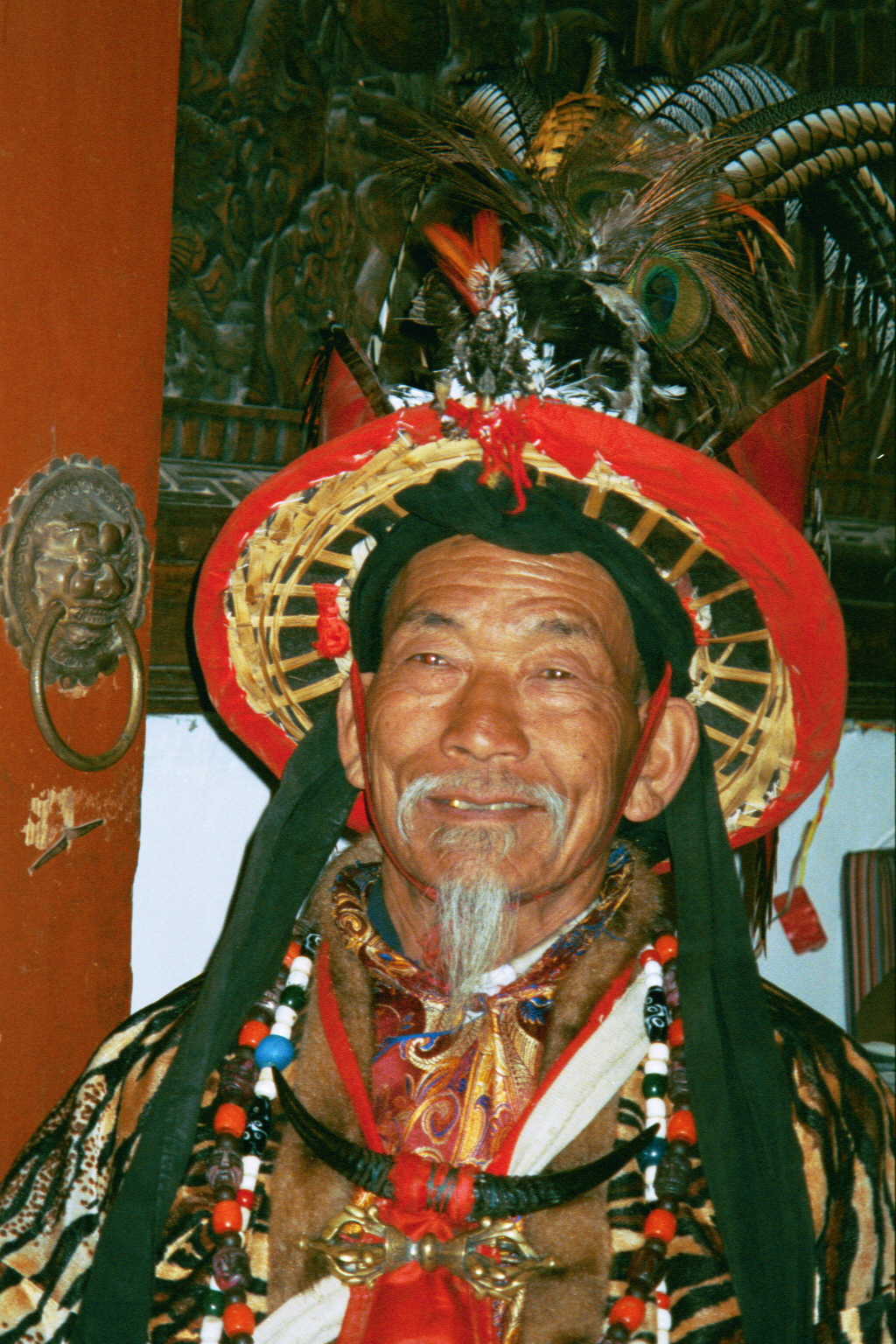
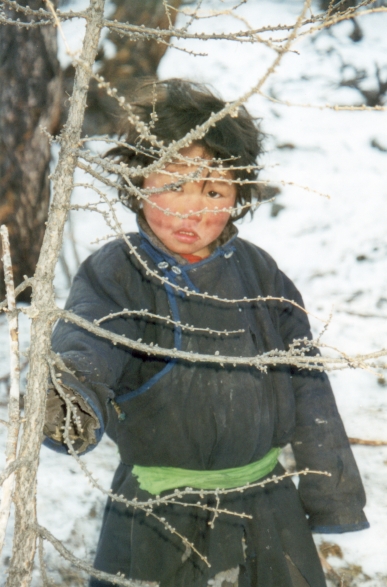
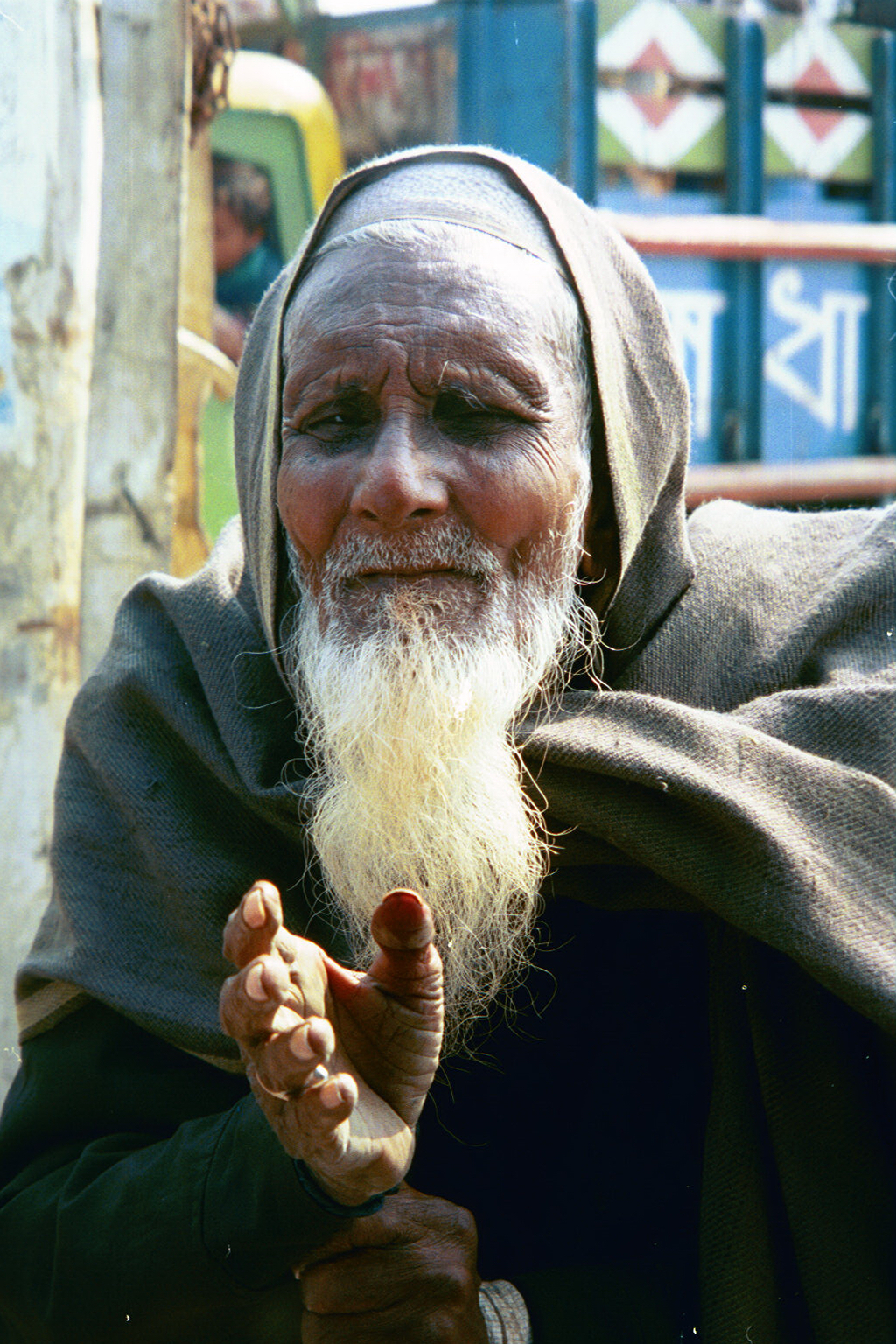
I love faces. One of the things I enjoy most about travel is the opportunity to see and to study new faces. Every face is unique and has a story to tell. I am committed to learning the language of faces — the script that is used to record the experiences of a lifetime on the small canvas of the human face. I am also learning to recognize the handwriting of the various authors that compete for the pen that writes the story. You can look at some faces and know that hardship wrestled the pen away from comfort to write a mournful tale across furrowed brows and downcast eyes. Pain and loneliness also have recognizable penmanship that often erase smiles and dim countenances. And, it’s not difficult to decipher the message written collaboratively by joy and peace. These writers have a very distinctive and bright script.

In addition to photos of my family, I have photographs of faces I have seen around the world on display in my home and office. Photographs of faces are my favorite travel souvenirs. They remind me to pray for those I’ve met and to continue to serve them as Jesus would. I have learned over the years that God can use us to make a difference in the lives of others if we will dip our pen in the inkwell of love, service, and encouragement. God can use us to write joyful messages across forlorn faces and to put the bold exclamation mark of hope on the gray canvas of despair. We can choose what we will write, but should always remember that others will read what we write — on the faces of our children, those with whom we work, and those we meet on life’s journey.

Determine to look at faces a little more intentionally — asking God to help you read what is written there and also to notice what is not yet written there. And then, allow Him to use you to add a few lines that can make a difference. Study the language of faces and do all that you can to improve your penmanship. Here are just a few of the thousands of photographs I have taken on my travels and that are now on display in my home and office.

Kashmiri Woman

Rickshaw Walla

Gujarati Woman

Sukuma Man

Pakistani Man

Kui Greeting

Tarahumara Girl

Tsataan Man

Kui Woman

Bengali Smoker

Bengali Man

Dongba Priest

Tsataan Girl

Bengali Beggar
Darfur Girl
Posted by: Omar C. Garcia | June 2, 2010

Intrigued by Tattoos

I don’t have a tattoo and don’t plan to get one, but I am, nevertheless, intrigued by them. Several of my good friends have tattoos and interesting stories about why they got them. Some bear tattoos that predate their walk with Christ and were thoughtlessly acquired on a dare or on a drunk. By the looks of some of these tattoos, they were also short on cash. A couple of my friends have colorful and intricate tattoos that hold special meaning to them. One of my friends who served in the Marines has the words “Semper Fi” etched on the inside of his bottom lip — yes, on the inside. So, believe it when you hear folks say that Marines are tough!

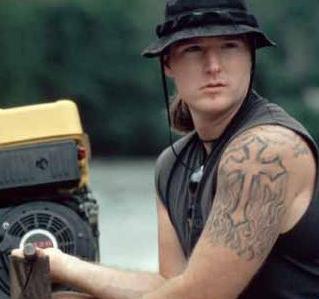
I have a missionary friend who works in the Amazon jungle and who looks a bit like Tarzan. He has lived in the jungle so long that he is an expert marksman with a blowgun. I have actually watched him blow one dart into the spine of another dart from twenty feet away. Robin Hood would be envious. Jeremy has a cross tattooed on one of his arms and the Hebrew word for “prophet” stamped across his other arm. He is an imposing presence as he navigates his boat down the Amazon.

A couple of years ago I attended a fellowship to celebrate the first anniversary of the sobriety of a young man living in a recovery community. His testimony was a woeful story of a childhood steeped in abuse, teenage years spent wandering the country as a runaway, and the eventual intersection of his broken life with a healing community. As this young man related his story, he made a fist with his left hand and held it out for us to see. The letters c, t, e, and d were etched just below each of his four knuckles. Then he made a fist with his right hand and held it out. The letters r, e, j, e were tattooed below each of the knuckles on this hand. When he placed his left fist next to his right fist the message became clear — Rejected.

Last week I stopped by a local store to pick up a few items. When I approached the cash register I greeted the young cashier. She smiled and nodded a greeting in return. As she reached for the items I had placed on the counter, I noticed the word “Pain” tattooed in large two-inch gothic letters along the inside of her forearm. My mind immediately raced with questions. What had motivated this cute young lady to have the word “pain” permanently etched on her skin? Why had she chosen to have this particular word placed in such a prominent place on her body? Most people try to forget painful things but this young lady had chosen to have a permanent reminder of some painful experience indelibly marked on her body. I thought of Jabez, the Old Testament character whose mother named him “pain” (1 Chron. 4:9).

Yesterday, I met a young man from Ukraine who recently moved to the States to help his mother run her small business. When I told him that I had visited Ukraine, we had a pleasant conversation. As we were talking, I noticed the words “En Dios Confio” tattooed in fancy serifed letters across his left forearm. I smiled and asked him why a guy from Ukraine had chosen to have the words “In God I Trust” tattooed on his forearm in Spanish. He smiled back and replied in distinctively Russian brogue, “Because I like the way it sounds and I want to learn to speak Spanish.” Good enough! At least he chose to have a positive message to look at every day.

I am intrigued by tattoos because I am interested in people. When I am around others I try to listen for and to notice anything that might help me understand something about them — what they have been through or what they are currently experiencing. I have learned that it’s difficult to make meaningful connections with others if we fail to express an interest in them. People matter to God and they should matter to us. So, keep your eyes open for tattoos and other clues that can help you to understand the people around you. And then, love, care, and express an interest in them as Jesus would.

Posted by: Omar C. Garcia | May 30, 2010

My New Normal

It’s been one year since my beautiful mother died and my life has not yet returned to normal. And, I know that it never will. Things will never be what they were before. I understand that. My severed emotions have found new ways to grow around the hurt and to reconnect on the other side. But, the hurt is still there — quietly throbbing with every beat of my heart. Some days are worse than others but, little by little, I am adjusting to my new normal. God has been very good to me over the past year, nourishing me with perfect measures of grace at my most difficult moments. He understands.

I miss my conversations with Mom. I especially miss her voice. Mom knew how to affirm and encourage me. She also knew how to make me laugh and what to say to make me think. She always asked about the initiatives I led to help the least of these both locally and internationally. And, every time our conversation turned to those in need, she would cry. Mom cared deeply about those in need. For several weeks after Mom’s death, I’d often reach for my phone and hold it, wishing I could just call her. That still happens on occasion, but not as often. Now, I have a new normal. I know that I can’t call my Mom, but I can give thanks for her life. And so, that’s what I do now. Every day, without fail, I talk to God and thank Him for my Mom.

I miss my visits with Mom. I have lived away from my childhood home for many years — far more years than I ever lived there. I have always enjoyed traveling back home to visit with my folks. Mom always made each visit a special occasion for me. She delighted in preparing my favorite foods and making my stays as relaxing as possible. The last time I saw her, she wept as I drove away. I still have that image of her in my mind, never realizing at the time that I would never again see her at home. I have made many visits back home over the past year to visit with Dad, but home is just not the same without Mom. My new normal when I go back home is to visit Mom’s grave with Dad. I know that a day will come when no one will remain to visit my Mom’s grave and to place flowers there. Until then, I will not miss any opportunity to do so.

I never worried much about Dad while Mom was alive. Mom and Dad always took such good care of each other. On a few occasions Mom told me that she worried about what would happen to Dad if she died first. I assured her that if that were to happen that we would all rally to care for Dad. And, that’s exactly what my siblings and I have done because we love our Dad and loved our Mom. Our new normal is to care for Dad — to make certain that he is not alone and that his needs are met. And, we are happy to do that. Dad gave us all a wonderful gift — He loved Mom and he loved us. Although life will never be the same again, one year later I still miss my Mom and am slowly adjusting to my new normal.

Posted by: Omar C. Garcia | May 26, 2010

Breakfast Migas

I have a weakness for certain foods. One of my favorite Mexican food dishes is migas (pronounced me-goss). Migas are made with scrambled eggs, strips or wedges of corn tortillas, onions, peppers, tomatoes, and cheese. It’s easy to adjust the migas recipe to please the palate of any person. I personally prefer crispy tortilla wedges and a little kick to the salsa. Over the years, I have tried many variations of migas and I have liked them all. Migas is one of the foods that take me back to my childhood. When the smell of migas on the stove fills the air I can envision my Mom in the kitchen. Mom introduced me to migas when I was a kid. She was an amazing cook and knew the exact combination of ingredients that I liked in my migas.

Cheryl and I have our morning routine. We are generally up at 6:00 AM, make the bed together (yes, we actually do this), and then start our morning. Yesterday, we had a pleasant surprise. While I was still partially in the world of the sleeping, I could smell the aroma of breakfast migas in the house. “Wow,” I thought to myself, “I must be dreaming.” And then Cheryl asked me to join her in the kitchen. When I walked in to the kitchen, I saw a skillet filled with hot migas and our daughter Gina’s laptop on the kitchen counter. Next to her laptop was a message scribbled on a napkin. “Press play and enjoy!” So we pressed play and up popped a video of Gina. “Hey Mom and Dad,” she said, “I just wanted to do something special for you today so I made some migas for you to enjoy. Love you and have a great day.” Wow! How could we not have a great day after that?

So, yesterday morning, Cheryl and I enjoyed breakfast together — courtesy of our youngest daughter. And, we were not disappointed. Gina definitely got the migas-making gene in the family. The migas were absolutely delicious. The tortilla wedges were crispy and the combination of other ingredients were mixed in to perfection. But, what made these migas even more enjoyable was the fact that they were an expression of love and kindness. Gina intentionally got up early, gathered all of the ingredients, and worked quietly in the kitchen while we slept. Gina’s thoughtful culinary labor of love made a difference in our day. The aroma of Gina’s thoughtful act of kindness lingered long after the delicious aroma of the migas had faded. Cheryl and I both enjoyed a great day.

You never know how a simple act of kindness will impact another person or brighten their day. So many people trudge through each day, hungering for affirmation — even for just a scrap of it to acknowledge their worth. A smile or a simple nod or greeting or a hand on the shoulder or a moment of conversation — these are just a few of the ingredients that can nourish the people around us. Like breakfast migas, these simple ingredients can be combined in a variety of ways to make something that is both delicious and nourishing. And, it’s worth the effort to do so. No act of kindness, no matter how small, is ever wasted. So, make some migas today and bless those around you.

Posted by: Omar C. Garcia | May 22, 2010

Because She Lived

Today, I attended the funeral of my friend Mary Lee. The service was a three-hour celebration of her life. The music, remembrances from family and friends, resolutions from area churches, and the eulogy were uplifting. The Reverend Vern L. Cooper served as the officiating pastor and Bishop G. Emerson Scott delivered a stirring eulogy.

In his opening remarks, Rev. Cooper said, “I am not here today because Mary Louise Lee died. I am here because she lived.” He told us that the service would be long because there was much to celebrate about the life of Mary Lee, a life well-lived. “If you want to hear the Lord say, ‘Well done, good and faithful servant’,” said Rev. Cooper, “then there had better be some well-doing in your life!” Mary’s life was filled with well-doing. So, it wasn’t difficult to have a three-hour celebration.

Following the service for Mary Lee, my friend Elmo Johnson, Pastor of Rose of Sharon Missionary Baptist Church, and I went to visit a single mother. Pastor Elmo and the Uplift Fourth Ward Foundation have worked in cooperation with city officials to get first-time home buyers into affordable housing. This initiative between the church, the city, and local builders is helping to transform neighborhoods. Replacing dilapidated blight with single-family homes has driven drug dealers out of urban areas because home owners will not tolerate drug deals in front of their homes.

When Elmo told me that Mrs. Washington was short just a little bit of money to realize her dream of home ownership, he arranged for us to meet at the small new home she wants to purchase. She is a hard-working mother who has never owned a home. When I told her that some folks at Kingsland wanted to make her dream come true, her eyes filled with tears. If all goes well, she and her son will be in their new home within a couple of weeks.

On my way back to Katy I received a call on my cell phone. I am the minister on call this week and I received word about an 18 year-old boy from Katy who has been living in his car for the past week. He attends one of our local high schools. He had made some poor choices that resulted in a stern wake-up call when his parents kicked him out of the house.

It took most of the afternoon, but this situation was sorted out. The boy was allowed to return home under certain conditions. I am grateful for the Kingsland folks who alerted me to the situation. This is just another indication that the people of Kingsland are sensitive and responsive to the hurt that others in our community are experiencing.

It’s been a long day.

As I sat to eat with Pastor Elmo, he looked at me and smiled as he said, “Man, you are doing a lot of Reverending today.” I am grateful for friends like Mary Lee and Elmo Johnson. They have taught me the importance of “Reverending” — Elmo’s made-up word for missional living — for being Jesus with skin on.

Mary Lee cared for mentally challenged homeless and impoverished adults. Elmo Johnson pastors both his church and the people in the surrounding neighborhoods. He is working to give families in need a hand-up instead of a hand-out. I saw Jesus in Mary Lee and I see Jesus in Elmo.

Like Mary and Elmo, I want to live in such a way that others see Jesus in me. I love days like today because I feel like I have truly lived. And, I want to continue living and serving others so that when I die the folks who attend my funeral will say that they have come because I lived, not because I died.

« Newer Posts - Older Posts »

Categories