War disrupts. Plain and simple. That is what war does.
For the past several months, the people of Ukraine have heard the distant thunder of a gathering storm, slowly intensifying with intimidating power while filling the distant horizon — the kind of storm that one hopes and prays will dissipate or stall.
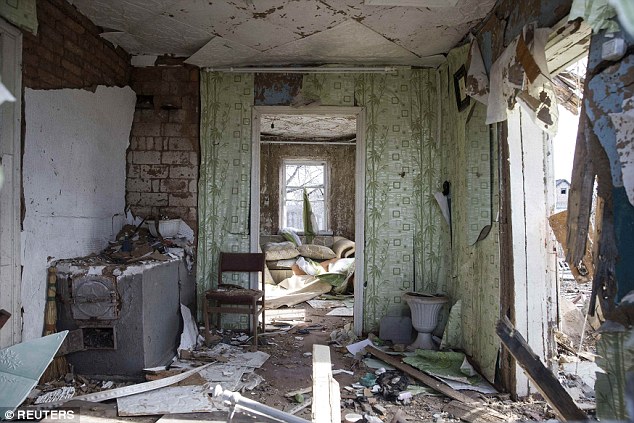
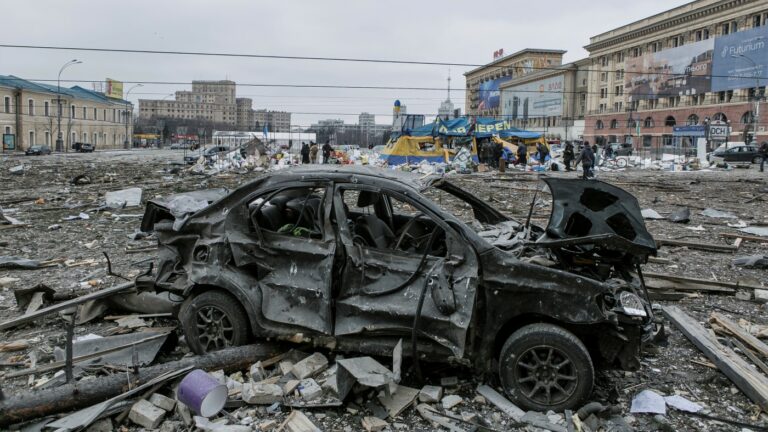
Two months ago, that storm arrived in eastern Ukraine, unleashing the kind of havoc that leaves its destructive signature on everything in its path. Many Ukrainians hunkered down while others chose to scramble away toward safer ground.
Either way, the storm that is the Russian invasion of Ukraine has disrupted the lives of everyone in its path.

Last week, my friends Cesar and Eric and I moved in the direction of that storm to assist displaced Ukrainians in whatever way necessary. We traveled to Poland to join our friends at Proem Ministries in their relief efforts.
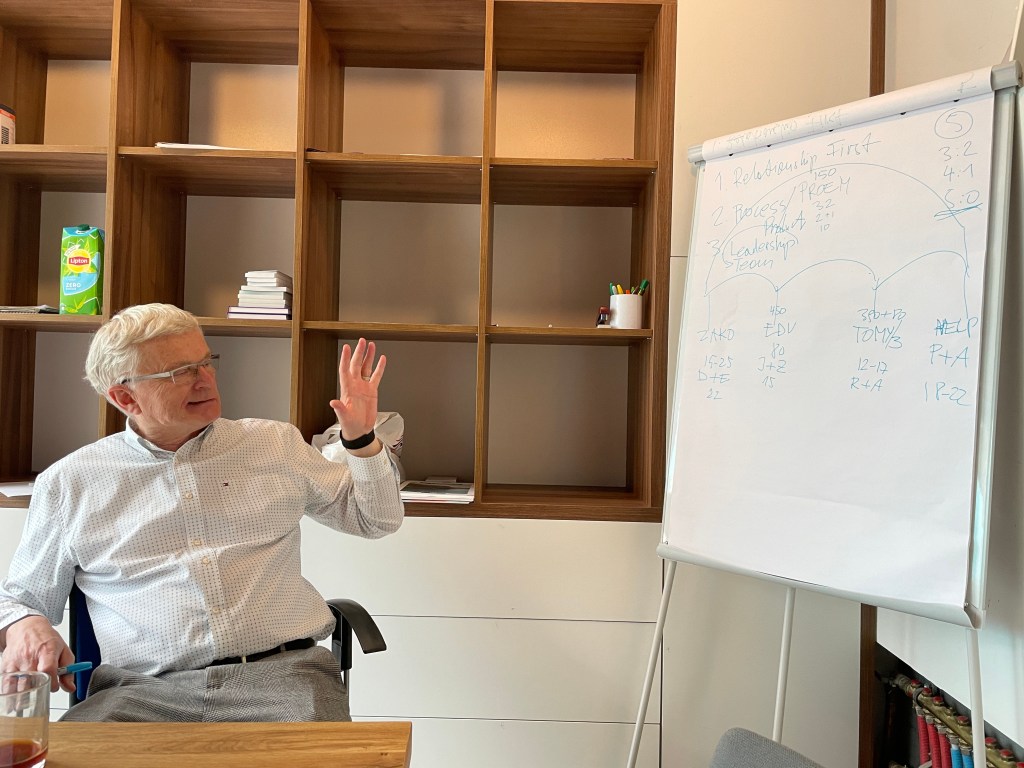
Proem Ministies, founded by my friend Maui Dwulat, has a large capacity Christian camp located a little more than an hour south of Warsaw. As Ukrainian refugees began to flow across the Polish border by the tens of thousands, some found their way to Proem — a temporary stop on their way to the places where they will wait out the storm.
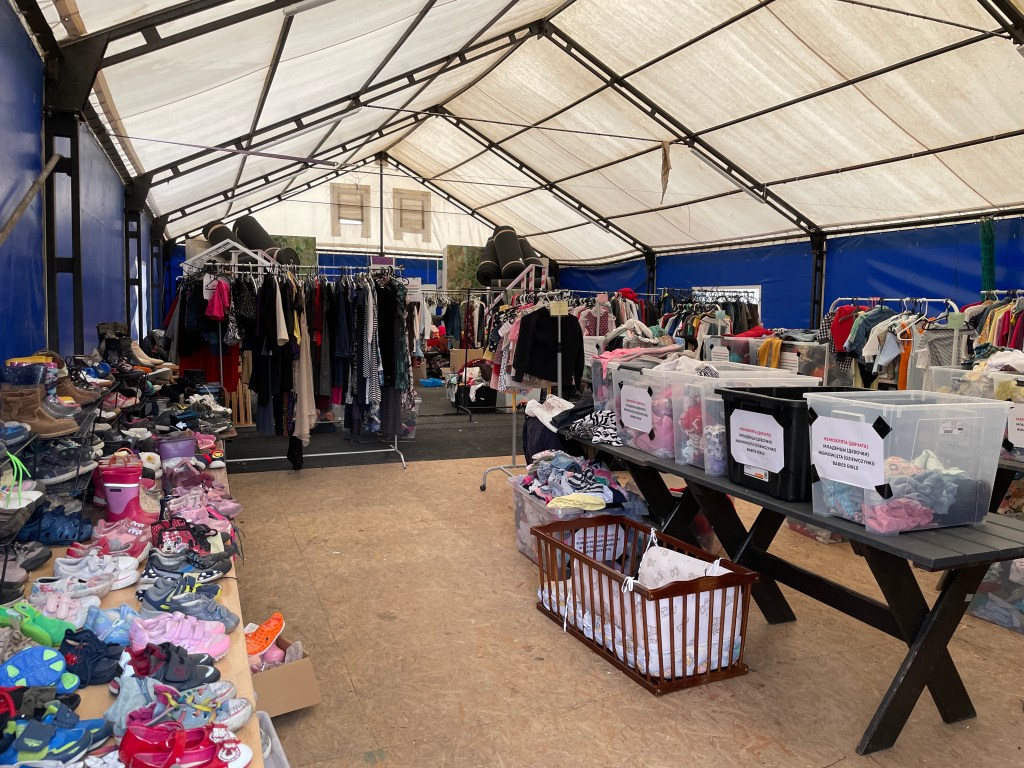
The Christian community in Poland and other surrounding nations quickly mobilized to provide housing and food and transportation. At the first signs of refugees, the road leading to Proem was lined with vehicles bringing donations of clothing and bedding and diapers and food. Two months later the donations continue to come.
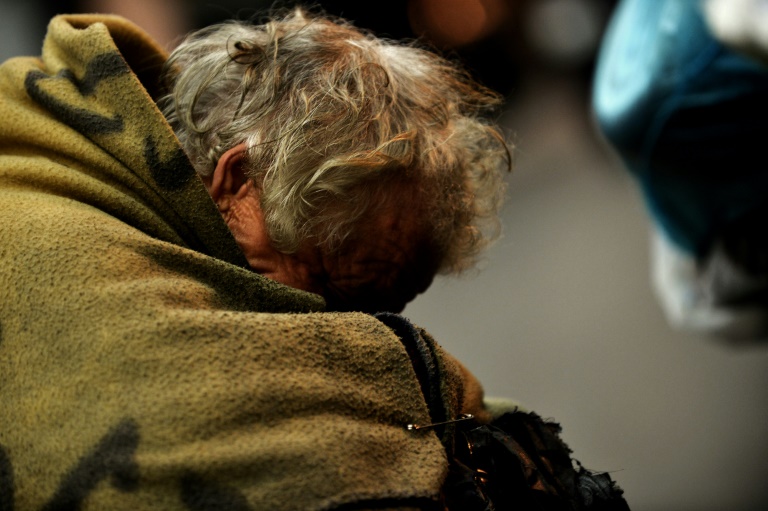
Proem has not only housed and provided for the practical needs of Ukrainian refugees, it has helped them connect with family and friends and even strangers in many of the surrounding nations — those who have opened their hearts and homes to the displaced.
Additionally, Proem continues to send supplies to Christians in Ukraine who have set up relief stations along the paths from the east to the more relative safety of the western part of the country. One of our assignments was to deliver relief supplies into Ukraine.


We purchased as much food and supplies as we could possibly fit into a large cargo van and then began the long ten-hour drive from Poland into Slovakia and then along the southern edge of the Carpathian Mountains into Ukraine. At the border crossing we took our place in the long queue of vehicles transporting supplies into Ukraine.
We arrived after the curfew at ten in the evening, the time when villages and towns and cities all over Ukraine turn off all lights and stay indoors. The following morning we arrived at our destination, a small church that has mobilized its members to help their internally displaced countrymen and those headed toward the Polish, Slovakian and Romanian borders.


With the help of the pastor and others, we off-loaded the supplies and then enjoyed warm and welcoming fellowship around the table. The pastor’s mother prepared a delicious meal for us. In the course of our conversation we learned that this little church of 94 members had already taken in more than 700 refugees.
Later on we visited host homes in the area and found that each family had created as many places for guests to sleep as possible. Foam mattresses lined all available floor space. Families did not hesitate to take in complete strangers. Their hospitality included providing clothing and other things needed by those on their way to the border.
We learned that Ukrainian President Volodymyr Zelenskyy had recently acknowledged in a speech that 70% of the aid coming into Ukraine was from Christian churches and Christian non-profits. As in the case of every crisis whether large or small, God’s people consistently move in the direction of people in need to be the comforting hands of Jesus.
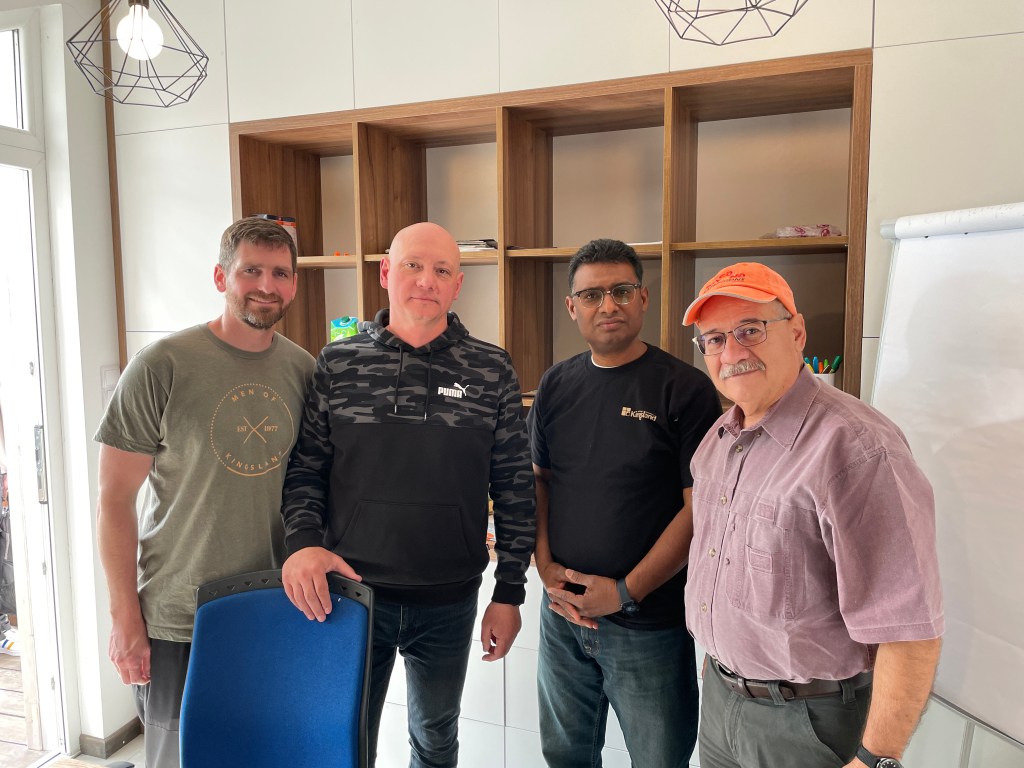
On our final day on Proem’s campus, we met Pastor Dmitry from Melitopol, one of the first places to feel the full impact of the storm. On March 11, the mayor of this city was abducted by the Russian army and later released as part of a prisoner exchange. Not long after this, Russian soldiers arrived at Pastor Dmitry’s home and arrested him.
Pastor Dmitry spent eight days in captivity. He described his filthy cell and said that the walls were splattered with blood. He was interrogated every day but, fortunately, not tortured like others whose screams he heard daily. He took advantage of every opportunity to speak to his captors about Jesus and told them that he would continue to help his people as Jesus would.
Pastor Dmitry was released but forced to leave the area. He fled with his family and eventually made his way to Proem where we met him. He is now mobilizing to go back into Ukraine to help the displaced.
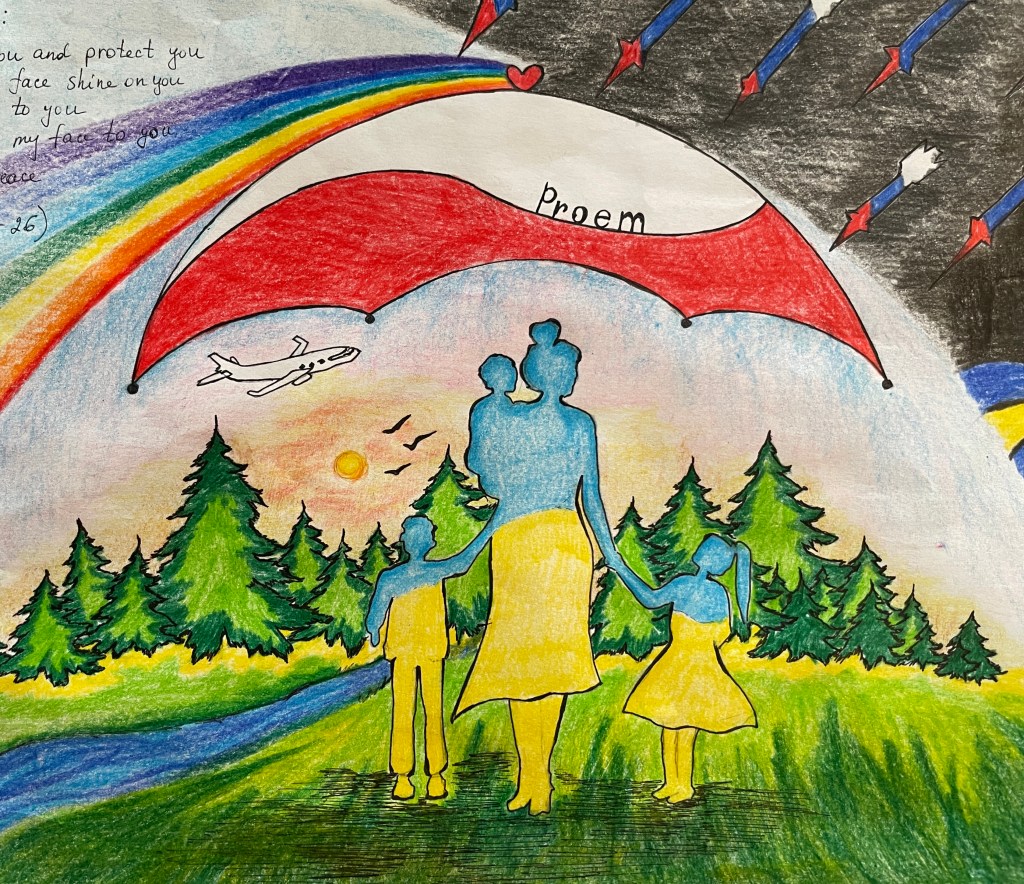
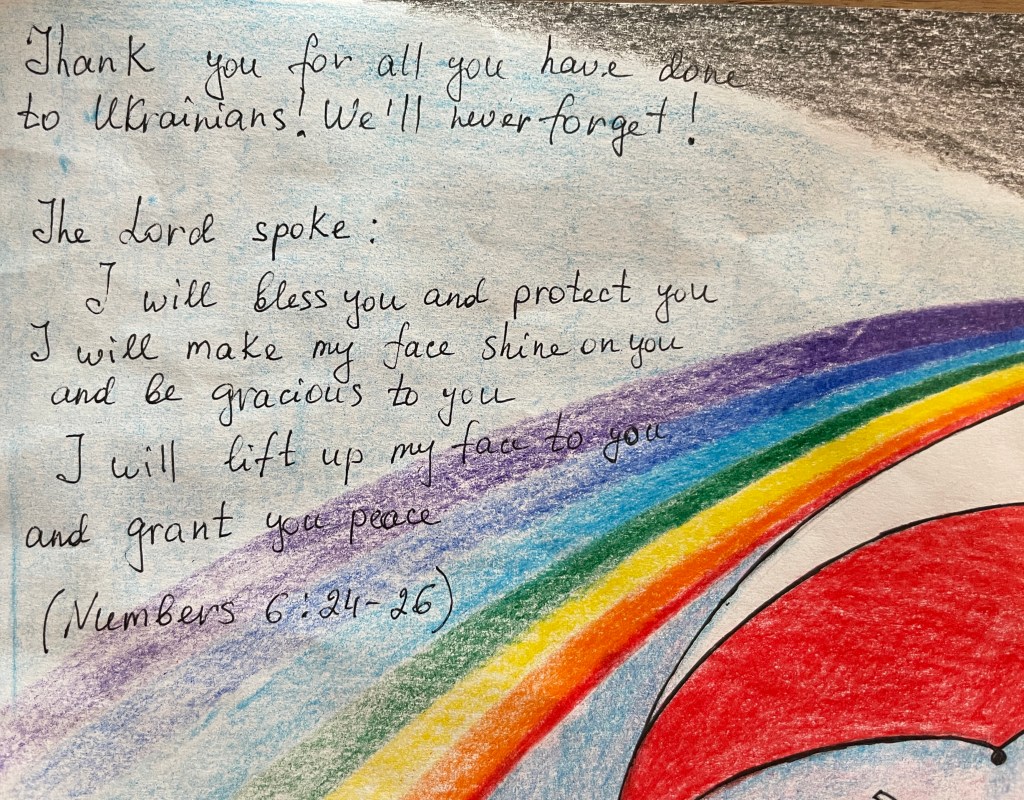

We heard so many stories — heart-breaking accounts of loss, destruction, and death related to us with tears. We prayed with our new friends. We offered encouragement along with practical provisions. And we talked about how we can continue to play a role in caring for the Ukrainian people.
No one knows how long this terrible war will last or how much longer it will continue to disrupt lives. But I am certain of this, that no matter how long the conflict lasts, the Christian community both in Europe and around the world will continue to play a key role in offering comforting and compassionate care to those whose lives have been disrupted because of Putin’s illegal and immoral war against the Ukrainian people.
Let’s continue to pray for an end to this war.







 Go Beyond