Posted by: Omar C. Garcia | September 27, 2011

History in Stone

Siem Reap, Cambodia

To understand a people it is important to know something about their history — the oral and written repository of all that has shaped them. I first learned about the people of Cambodia when I was a kid growing up in South Texas. My Uncle Phil had visited the temples of Angkor on one of his many trips around the world. The temples in this complex are the remnants of what once was the religious, political, and social center of Cambodia’s ancient Khmer empire. When my Uncle Phil visited Angkor, travelers were permitted to make pencil rubbings of the bas-relief figures carved on the temple walls of Angkor Wat, Bayon, and other temples in the complex. He used large sheets of newsprint to capture the complex images. He then had these pencil rubbings framed and then hung them in my grandparents’ home. As a kid, I was drawn to and fascinated by these images that told the story of a slice of Cambodia’s history — a history recorded in stone.

I personally believe that visitors to Cambodia should, at the least, visit the Angkor temples and also the Tuol Sleng Genocide Museum (also known as S-21) and the Choeung Ek killing field in order to get a sense about two important periods of Cambodian history. Today, I took our team of ladies to visit Angkor Wat and Bayon, just two of the many temples in what is the largest religious complex in the world. We slogged through the relentless rain and puddles in order to learn a bit more about the history of the Cambodian people. It was well worth the effort and inconvenience. Our tour guide gave us helpful insight into the history of Cambodia as recorded in the extensive bas-reliefs that have survived through the centuries. The unvarnished history lessons carved in stone tell amazing stories that weave both the political and religious history of Cambodia. Some believe that Pol Pot’s torture methods were inspired by some of the graphic depictions of torture preserved in stone.

The rains and flooding this year are a little worse than normal. As a result, many of the temples in the complex were inaccessible today because of the high water. As we walked through the rain, I could not help but admire the work of the thousands of artisans who built these temples that have survived countless seasons of heavy rains and flooding. The Angkor temples stand as mute testimony to the longing of the Cambodian people to connect with something or someone greater than themselves. They are evidence that the observation of the writer of Ecclesiastes is true — God has “set eternity in the hearts of men” (Ecc. 3:11). However, as impressive as this World Heritage site is, these temples no longer serve the faithful, only tourists. There are no priests, no worship, no fellowship, no instruction, and no life — only the weathered stones that tell of the rise and fall of the Khmer empire from the ninth to the fourteenth centuries.
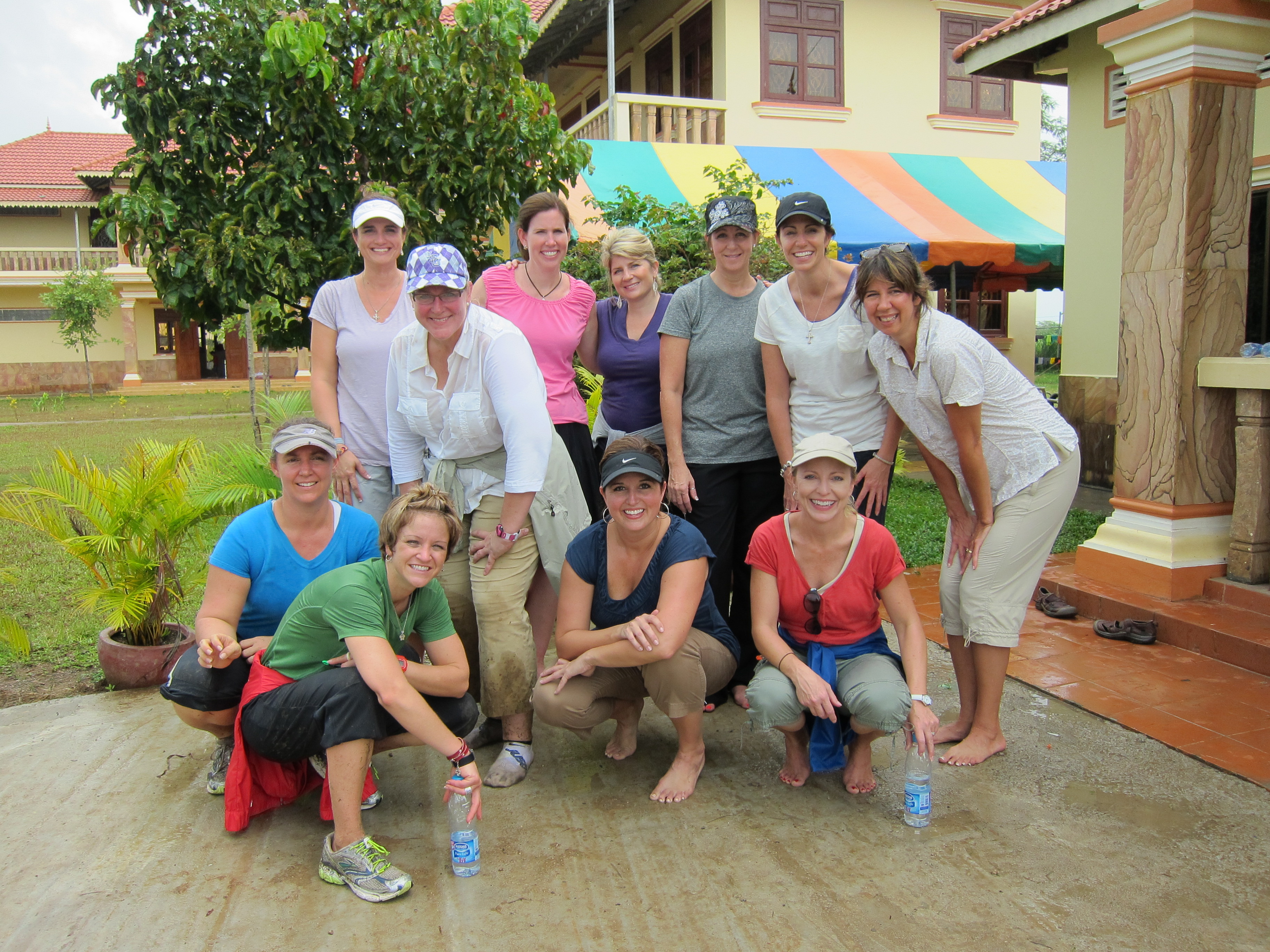
Today, Christ-followers in Cambodia are adding a new page to the history of their homeland. Over the past week we have seen the good work that folks like Steve Hyde and his staff are doing to care for the poor, for orphans and children at risk, and for the least of these. We also heard the affirmation of a Buddhist government official who said that God is bringing hope to Cambodia. It has been a privilege for us to work alongside our partners here. Much of the history of Cambodia is recorded in stone. However, the things that God is doing today are being recorded on “living stones” that “are being built up as a spiritual house” (1 Peter 2:5). May those who come after us find a record of our faithfulness and determination to demonstrate the love of God to the people of Cambodia in personal, practical, and measurable ways. And may they be inspired to do the same.
Posted by: Omar C. Garcia | September 25, 2011

Finding Favor in Poipet

Poipet, Cambodia

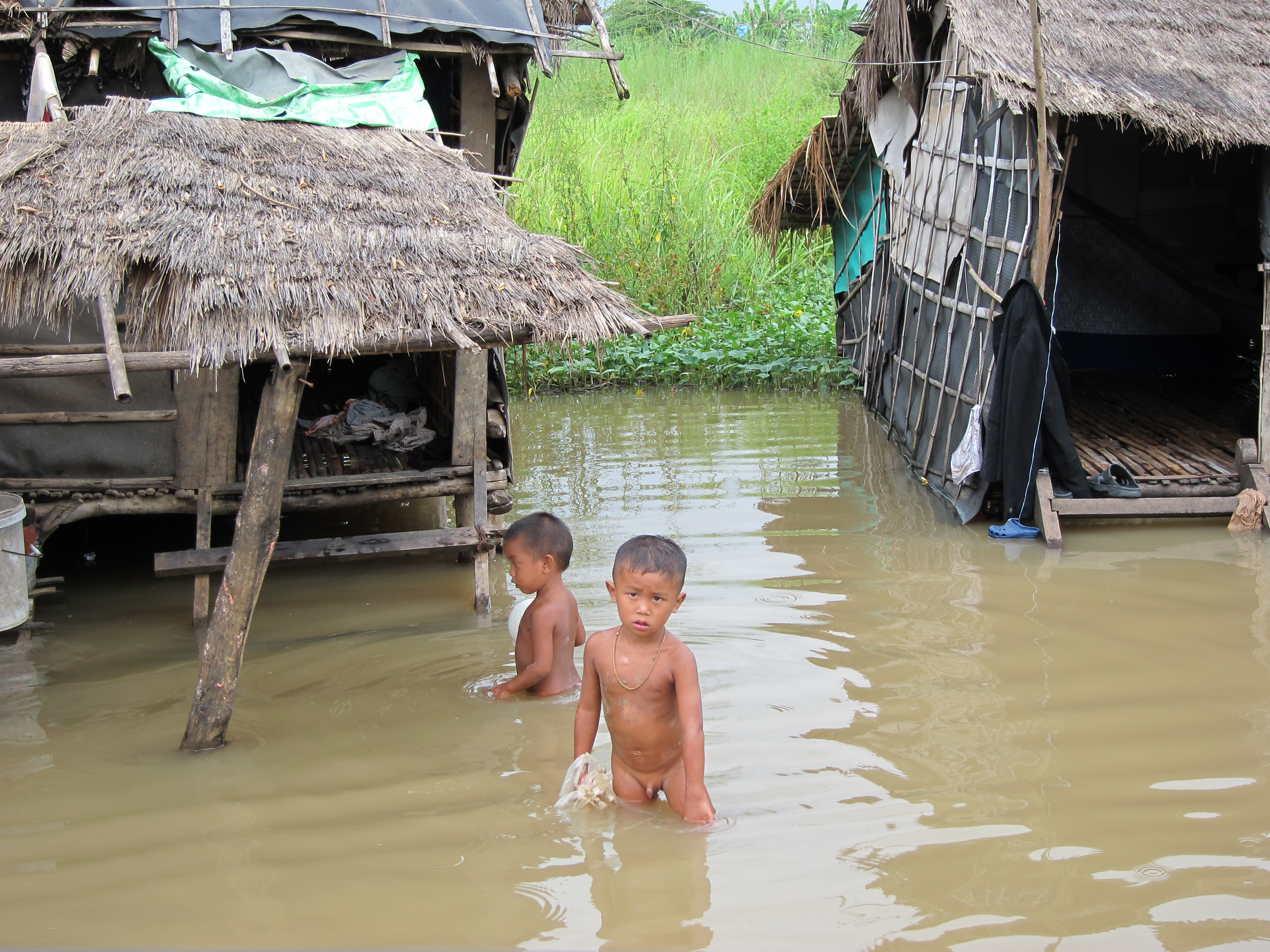
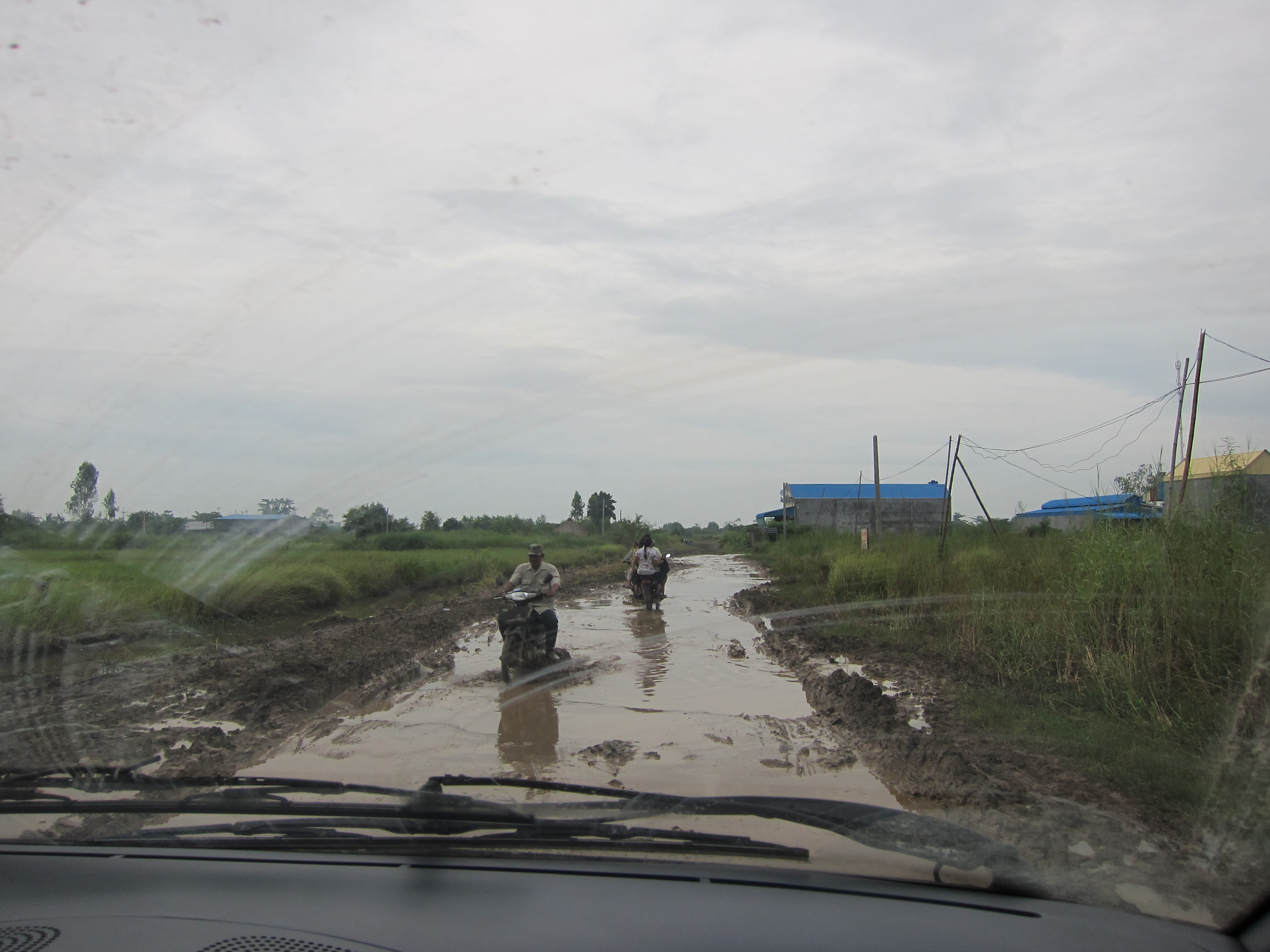
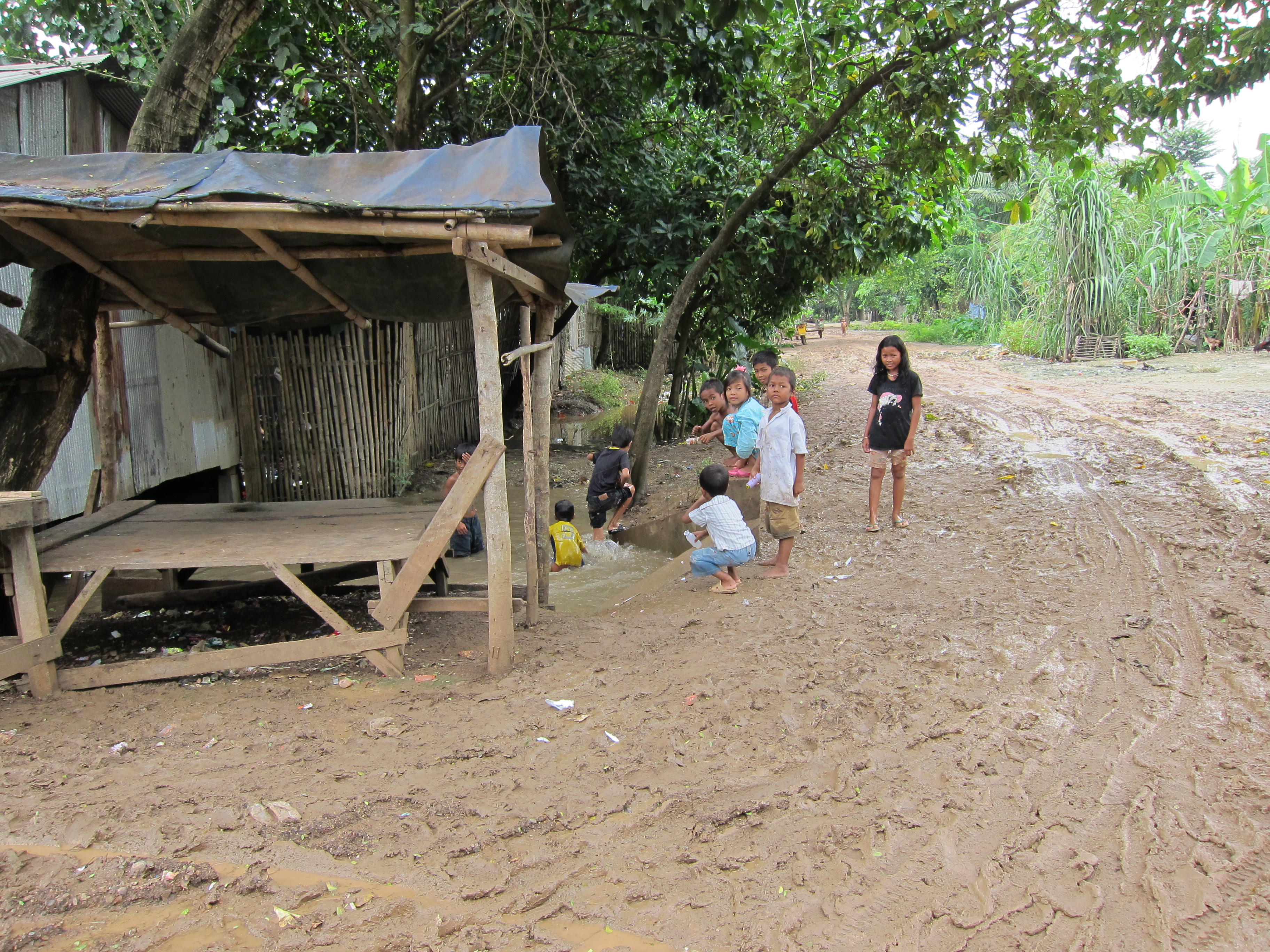
There is nothing quite like the sounds of children having fun. Over the years I have visited kids living in the most extreme conditions — from the IDP camps in Darfur to the slums of Kolkata to the steppes of Mongolia and other places around the world. Somehow, kids find a way to laugh and giggle and to entertain themselves in spite of the poverty that surrounds them. They demonstrate a remarkable resiliency and capacity to adapt to life with little or nothing. The kids we have worked with this week in Poipet are among the poorest I have seen. They live in ramshackle hovels on unpaved roads covered in slimy mud during the rainy months. We are here in the middle of the rainy season and I have never seen so much mud in all my life. I can’t imagine living in these conditions for months at a time much less for a lifetime. But, in spite of these wet conditions, kids are kids — and mud and murky brown pools of water offer opportunities for fun and adventure.

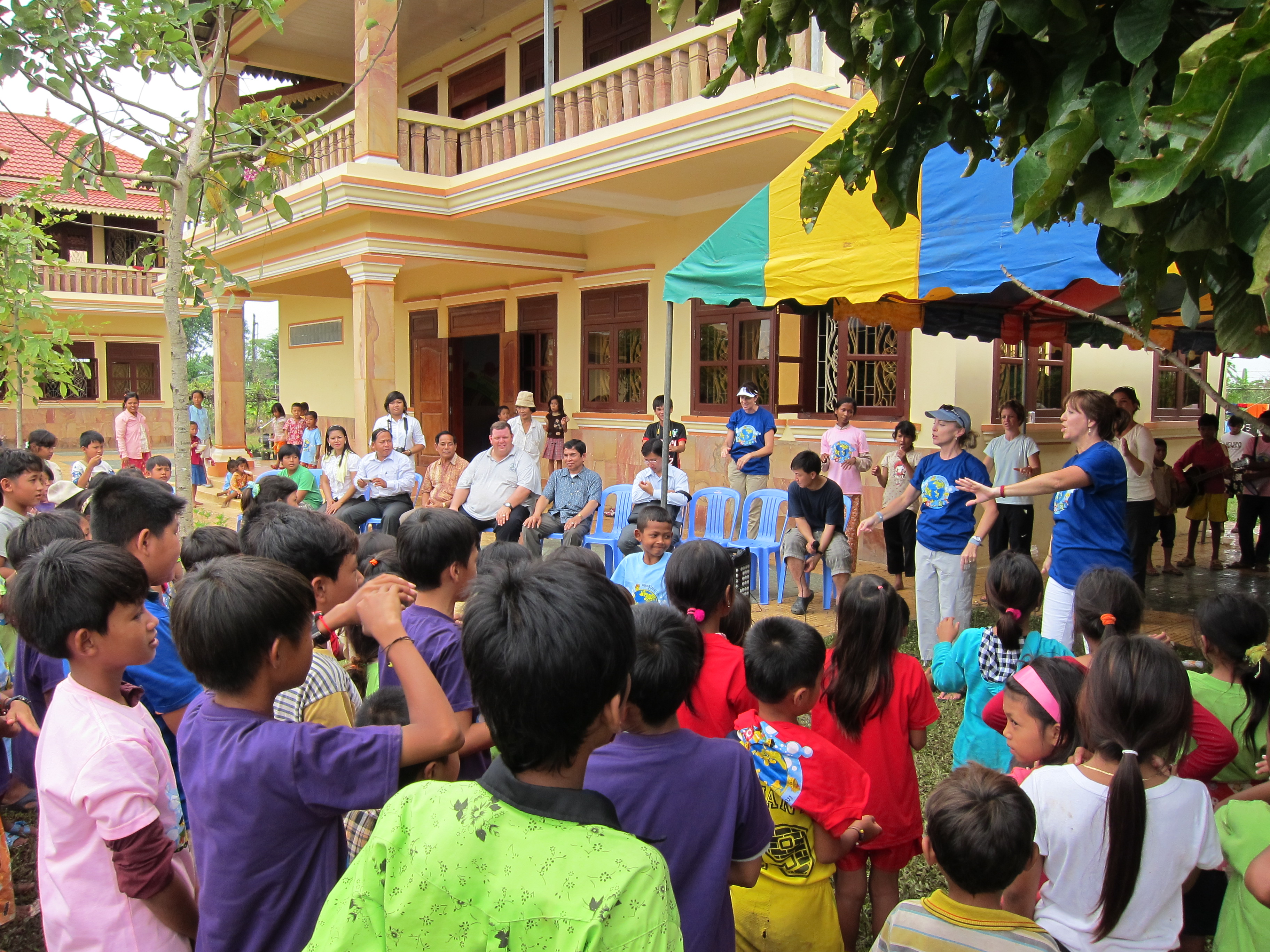
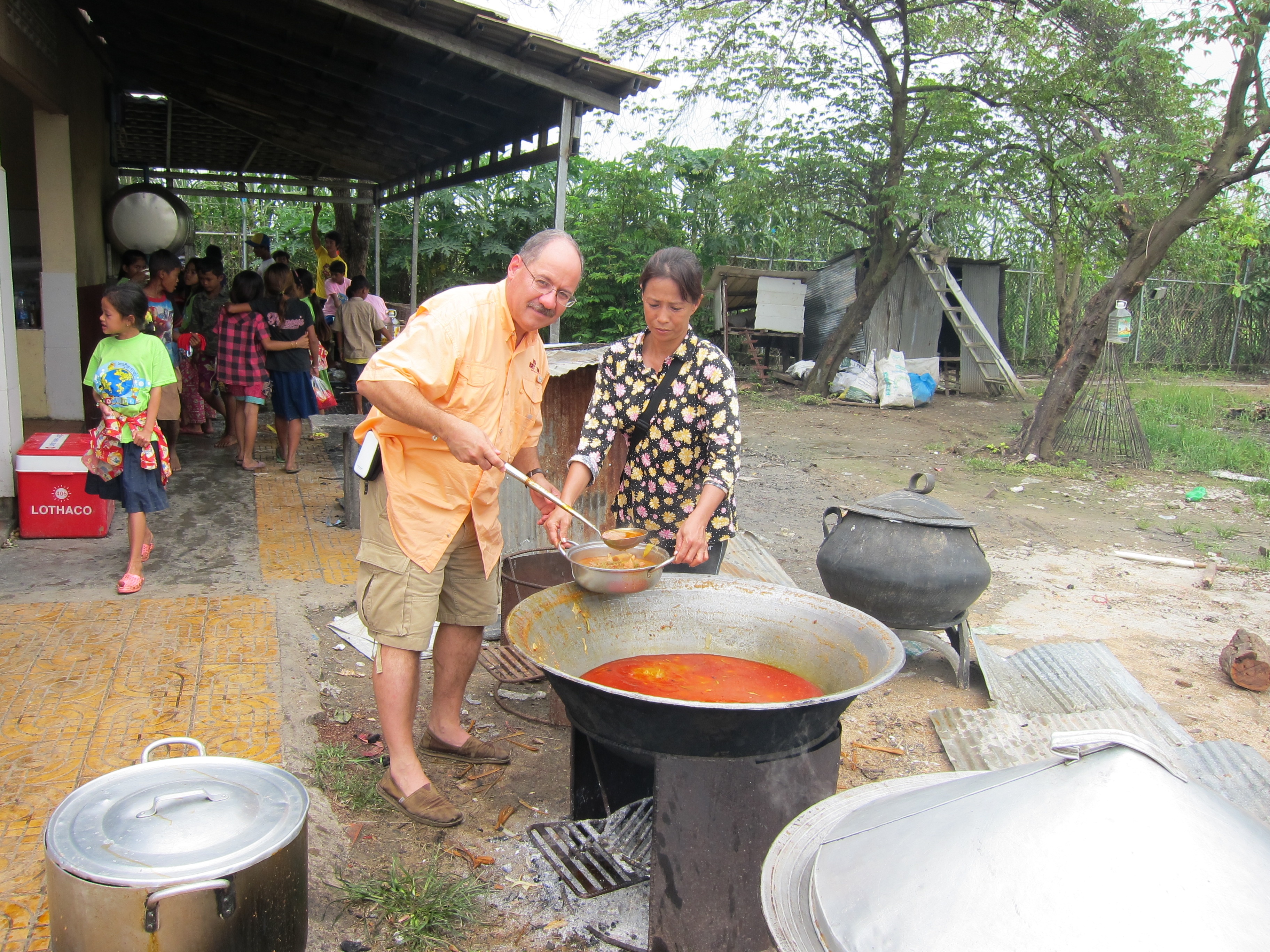
Today was our final day of our Vacation Bible School at the Imparting Smiles orphanage in Poipet. As expected, even more kids showed up this morning in bare feet, some in bare bottoms, but all of them expecting to have a great time. Every square inch of the Imparting Smiles campus was covered with mud and laughter. At the conclusion of our session this morning, we invited the kids and their parents to stay for a meal. The cooks at the center prepared mounds of white rice and a local favorite — some kind of chicken soupy dish that contained absolutely every part of the chicken, including the feet (a favorite delicacy). The only thing I can compare it to is South Texas menudo, a tripe stew that I never learned to like. For the vast majority of those present, this was one of the few times they enjoyed a meal with any kind of meat. Most of the poor people in this area can’t afford meat so their diet consist of mainly rice and vegetables. I was a little amazed at how many of these kids took the time to say thank you for the meal, something we don’t often hear from our kids in America.

The mayor of Poipet and a representative from the governor’s office attended our closing VBS ceremony. At the conclusion, these Buddhist men spoke to the kids and encouraged them to continue learning about Jesus. Turning to Steve Hyde, one official said, “Your God is bringing hope to our region.” And then he turned to the kids and told them to keep coming to the Imparting Smiles campus any time they offer community events like this. He also encouraged them to learn more about this God who gives hope to all people. What an amazing sign of favor. I was reminded of Proverbs 3:3-4, one of my favorite Bible passages: “Do not let kindness and truth leave you; bind them around your neck; write them on the tablet of your heart. So you will find favor with God and man.” Finding favor with man is the result of intentionally demonstrating God’s love to others in personal, practical, and measurable ways. As someone once remarked, “I don’t care how much you know until I know how much you care.” May we always allow God to use us to show the world how much He cares and how much He loves.

Posted by: Omar C. Garcia | September 24, 2011

This Is Her Story

Poipet, Cambodia

In a final act of desperation, a single mother and her children walked through the gates of the Imparting Smiles orphanage this afternoon. As our team concluded the final session of today’s Vacation Bible School, she sat with Noit Hyde, Steve’s wife, and unfolded the story of her life — a tattered tapestry of sadness. Her story, unfortunately, is not unique in a place like Poipet where evil people prey upon the weak, destroy lives, and never look back. The perpetrators of these evils are emboldened because they are seldom caught, seldom brought to justice, and seldom held accountable for their deeds. They do what they do with an arrogant spirit of impunity. The mother who walked through the gates this afternoon is just one of many whose lives are steeped in unimaginable pain and despair. This is her story.

This woman was married to a promiscuous man who died of AIDS about five years ago, leaving her to raise their children alone. However, her husband left her with one additional hardship — he passed the AIDS virus on to his wife and she is now in the final stages of her life. But, there is more to her story. As a young married woman, she found a baby boy in the woods while she was out gathering firewood. This baby had been left there to die of exposure. So, this compassionate woman took the child home to raise him along with her three other sons. A few years later she found a baby girl in the woods who had also been left there to die. She also brought that child home to raise as her own. This in itself is an amazing act of compassion because she did not have the means to care for such a large family.

After the death of her husband, a man approached this woman and told her that he was looking for young men to go to Thailand to work for a short period. He promised that her teenage son would make lots of money and then return home to help the family. Desperate, she agreed to let her son go, not realizing that the man who had approached her was trafficking kids to work as laborers in Thailand. This trafficker had no intention of letting her son return home. That was the last time she saw her son. Later, her other teenage son was taken from her by traffickers and she has not seen him again. And now, she has one teenage son left and the two adopted children who are 11 and 8 years-old. This grief-stricken woman brought her two adopted children to Imparting Smiles orphanage because she can no longer care for them. Steve and Noit accepted the children and told her she could visit them at any time and promised that her children would receive the very best care. The woman left with her 15 year-old son who will care for her and then bury her when she dies.

There are 27 million people in the world today who live in some type of slavery. Two of those 27 million are the sons of a woman dying of AIDS in Poipet, Cambodia. We must not remain silent or passive about modern-day slavery but must intentionally do something to help. Of course, we can and must pray for the oppressed. But we must also act with intention and compassion. Through our partnership with Steve Hyde, Kingsland’s missions ministry is investing in initiatives that are making a difference in places like Popipet. Through the aftercare homes that we support in South Asia, Africa, and Central America we are helping those who have been rescued to start a new life. Through our local justice initiatives we are reaching out to women trafficked to our own country. Because God cares about the oppressed we must work to champion the rights of those who continue to suffer at the hands of evil people. We must continue to work toward the day when “man who is of the earth may strike terror no more” (Ps. 10:18).

Posted by: Omar C. Garcia | September 23, 2011

A Hand and A Hug

Poipet, Cambodia

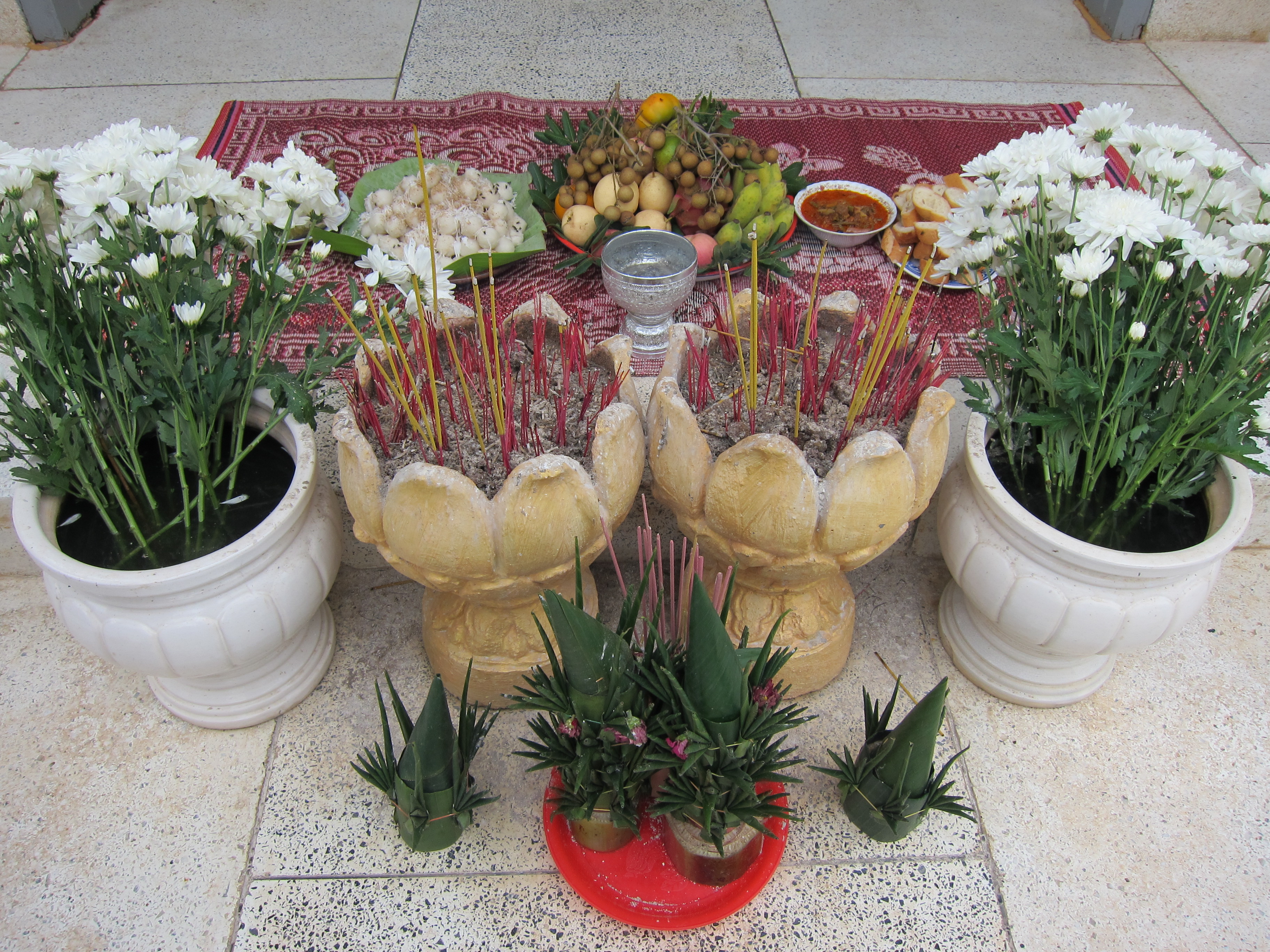
I woke up about four o’clock this morning to the sound of steady rain and the chants that accompany Pchum Ben, also known as Ancestor’s Day — one of Cambodia’s major Buddhist holidays that lasts fifteen days. Cambodian Buddhists believe that those who died with bad karma are not reincarnated at death but instead are trapped in the spirit world. At Pchum Ben these trapped souls are released to find their living relatives and to repent. During this festival, Cambodian’s visit pagodas and pray for the souls of their dead relatives. And because they believe that those trapped in the spirit world are hungry ghosts that are tormented by voracious appetites and pinhole mouths, they also offer food for the souls of any unfortunate ancestors trapped in this spirit world. Some believe that the food they offer to monks is somehow transferred to their ancestors, thereby satisfying their tormenting hunger. Others believe in a more direct approach and will throw sticky rice into fields in hopes of satisfying the hunger of these tormented souls.

In the midst of Pchum Ben, we conducted the first day of our Vacation Bible School for the kids at the Imparting Smiles orphanage and kids from the surrounding area. Of course, it continued to rain on and off throughout the day. However, the rain did little to dampen attendance or enthusiasm. Rain-soaked kids came in their muddy bare feet and a few toddlers arrived wearing nothing but a smile. No one seemed to notice or care about the random bare bottoms swaying to the music. The kids were dialed in to the Bible stories and crafts and music and recreation. We offered one session in the morning and a second session in the afternoon. Kids continued to arrive throughout the afternoon as word spread throughout the community. We expect even more kids on our second day.

Our ladies are doing a fantastic job. A few months ago I asked Kara Potts to serve as our point person for this initiative. She and our ladies met several times to plan lessons and organize crafts and other activities. And although the rain has made things more interesting because most of our activities are outdoors, our team has proved to be more than flexible. They are as fluid as the rain. From walking in bare feet through muddy paths to invite local children to teaching under awnings to hugging kids soaked from head to toe, our ladies have demonstrated the love of Jesus. No one has uttered a single complaint and everyone has done whatever it takes to make things happen. I have been amused by the fact that although our gals are sliding around in their bare feet, are caked with more than a little mud, and have slipped a time or two, they are still ladies. Every now and then I will see one of them refreshing their lip gloss.

The best thing about our ladies is how they love these kids without condition. I have seen so many tender moments throughout the day that remind me that our ladies are the hands and feet of Jesus to the poor children of Poipet. The hugs and kisses, the patience in helping a child with a craft, the laughter at recreation, the joy in our music class all combine to help these kids understand that they are loved. One little boy in particular has captured our hearts. He is the new kid at the orphanage. His mother died of AIDS at a local clinic and entrusted the clinic to find a home for her son and his older sister. The folks at the clinic brought the kids to the Imparting Smiles orphanage. These kids speak a mixture of Khmei and Thai and are a little hard to understand, but the staff at Imparting Smiles has embraced them and is committed to loving and caring for them. We are privileged to be here to lend a hand and a hug to help affirm the worth of these kids who otherwise would have little or no hope of a future.

Posted by: Omar C. Garcia | September 22, 2011

The Rains Are Here

Poipet, Cambodia

Muddy road in Poipet, Cambodia.

It’s the rainy season in Cambodia and, having recently arrived here from drought-stricken Texas, I don’t mind it at all. All it took was the first few drops of rain to wash away my rain amnesia. Instantly I remembered the familiar feeling and even the smell that often accompanies rain. It was wonderful. I am cured and can’t wait to get back home to remind my family and friends about rain and to show them pictures of rain and to encourage them to not lose hope. Rain will come again to refresh and revive everything that has withered in the Texas heat.

This morning we loaded our gear into our vehicles and spent the entire day driving from Phnom Penh to Poipet, the new boom town along the border between Cambodia and Thailand. My friend Steve Hyde introduced me to this once-backwater town that has been inundated by wave after wave of poor people who have moved here looking for work. Poipet is becoming the new front door between Thailand and Cambodia. Developers from throughout the region are here, hoping to get even richer on the backs of the poor. Every day, as many as 40,000 poor people from the slums that quickly sprouted in Poipet cross the border into Thailand looking for work as day-laborers.

The children of Poipet’s day-laborers are especially vulnerable. Because the surge in population overwhelmed the already fragile and underdeveloped infrastructure of the area, there are no schools or provision for the care of these children. So, these kids are left alone all day. Toddlers caring for infants is a familiar sight as you walk through the slums. Many of these children are kidnapped and trafficked across the border to work at construction sites or brothels. Drug traffickers use the very youngest and least likely to be suspected to transport drugs across the border. Poipet is a dangerous place for children. That’s why my friend Steve Hyde is here and that’s why we have formed a strategic alliance with Steve to address what is happening here.

For the next few days we will conduct a Vacation Bible School for the kids in Steve’s Imparting Smiles orphanage and for the kids in the surrounding area. Steve’s kids are the most fortunate in Poipet because they are cared for by a loving staff, including teachers. However, very few of the kids in the area attend school simply because there are too many kids and too few schools. Steve is also working to address the needs here by improving and repairing local schools. Through our partnership with Steve and because of the generosity of a Kingsland family, Steve was able to purchase 7.5 acres of land. This campus will be known as The Hope Center and will be the location of a pregnancy help center and women’s clinic that is currently under construction and to be followed by a feeding center and facilities to care for the kids in the slums.

Steve’s work here and our partnership with him is like a refreshing rain in this place that is spiritually and morally drought-stricken. Little by little things are changing here — one child and one home at a time. Steve has a God-sized vision for Poipet that goes beyond addressing symptoms to confronting the systems that have created those symptoms. I’m glad that we have formed a strategic alliance with Steve to help make a difference at this end of the earth. The rains are here and they will not stop until everything has been made new.

Posted by: Omar C. Garcia | September 21, 2011

A Day of Extremes

Phnom Penh, Cambodia

In April 1975, Pol Pot ordered the conversion of a high school campus in Phnom Penh into a center for the detention, interrogation, torture, and murder of those he considered to be a threat to his political ambitions. Known as S-21, or Security Office 21, the Khmer Rouge efficiently and systematically tortured thousands of people within the walls of this campus. Although the lives of these of men, women, and children were forever silenced in classrooms turned into torture chambers, these unfortunate victims still have a voice. Today, S-21 is known as the Tuol Sleng Genocide Museum — a place where Pol Pot’s bloody fingerprints were smeared across a three-year slice of history and remain preserved as evidence of his crimes against humanity. I have visited S-21 several times and still find it a sobering reminder of the logical conclusion of a world view that failed to regard human life as sacred.

This morning I took our team of ladies to visit Tuol Sleng. We walked slowly from one end of the campus to the other while I told them the story of what happened there. The instruments of torture and the rooms where so many died remain as mute witnesses to the horrors that occurred there in the mid-1970’s. It was a difficult experience for our team of women. Each of them had tears in their eyes as the story of Pol Pot’s unimaginable cruelty unfolded. Afterward we drove to Choeung Ek — one of several killing fields where the Khmer Rouge disposed of those they murdered in mass graves. Once again, our ladies wept as we walked through this place where death reigned supreme during the Pol Pot years. The sight of the killing tree and the adjacent mass grave where the bodies of mothers and their children were disposed of was especially difficult for our ladies to see.

After lunch we visited STOPStart, an enterprise established in 2009 “with a vision to provide sustainable employment for those most vulnerable in Cambodian society — primarily those women and men rescued from human trafficking and modern day forms of slavery.” Unlike the places we visited this morning, STOPStart is a place of hope. Less than a year ago, my friend Steve Hyde introduced me to Hugh Marquis, the Australian businessman who is behind this life-changing enterprise. Hugh loves the Cambodian people and especially those who have suffered under the hand of oppressors. Hugh and his team are working to make a difference by providing the oppressed and the weak with an opportunity to learn life-sustaining trades.

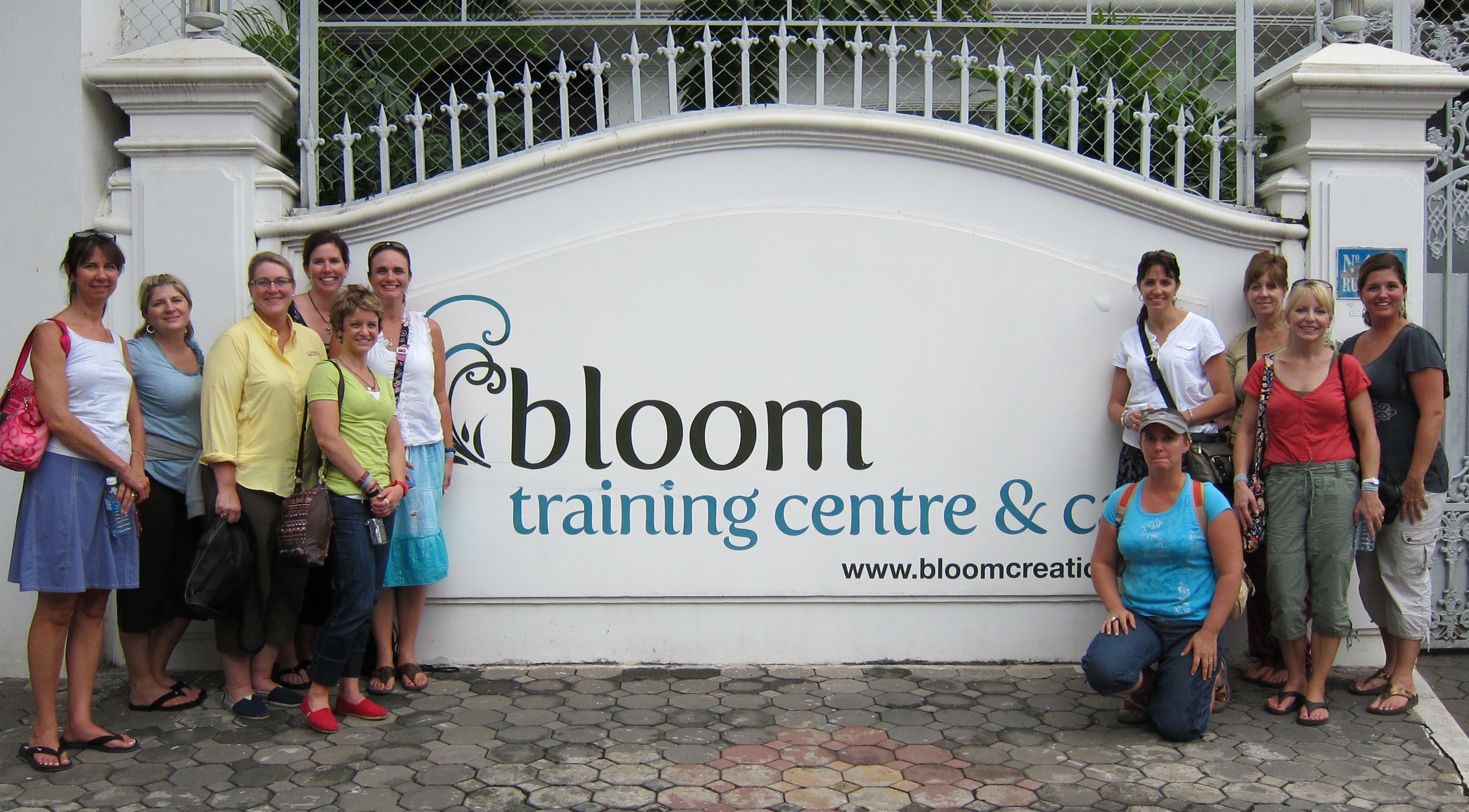
From STOPStart we made our way to Bloom Café — a unique bakery that makes cakes and other baked goods for the King of Cambodia. They are making a difference in the lives of many young girls, or as they say at Bloom, they are “baking a difference.” Their desserts were amazing but what we found even more amazing is how God is using a creative enterprise like this to transform the lives of young girls who might otherwise have little hope of escaping the darkness. This will be a a place to visit again on future trips because you can sense hope when you walk through their doors. So, today has been a day of extremes. Our women have seen Pol Pot’s destructive legacy. But they have also seen how Christ-followers are sowing the seeds of life through creative enterprises in a place once steeped in death. Tomorrow we will drive across the country to Poipet to get ready to serve the children there by sowing more seeds of life and hope into a dark place.

Posted by: Omar C. Garcia | September 20, 2011

Traveling With Women

Phnom Penh, Cambodia

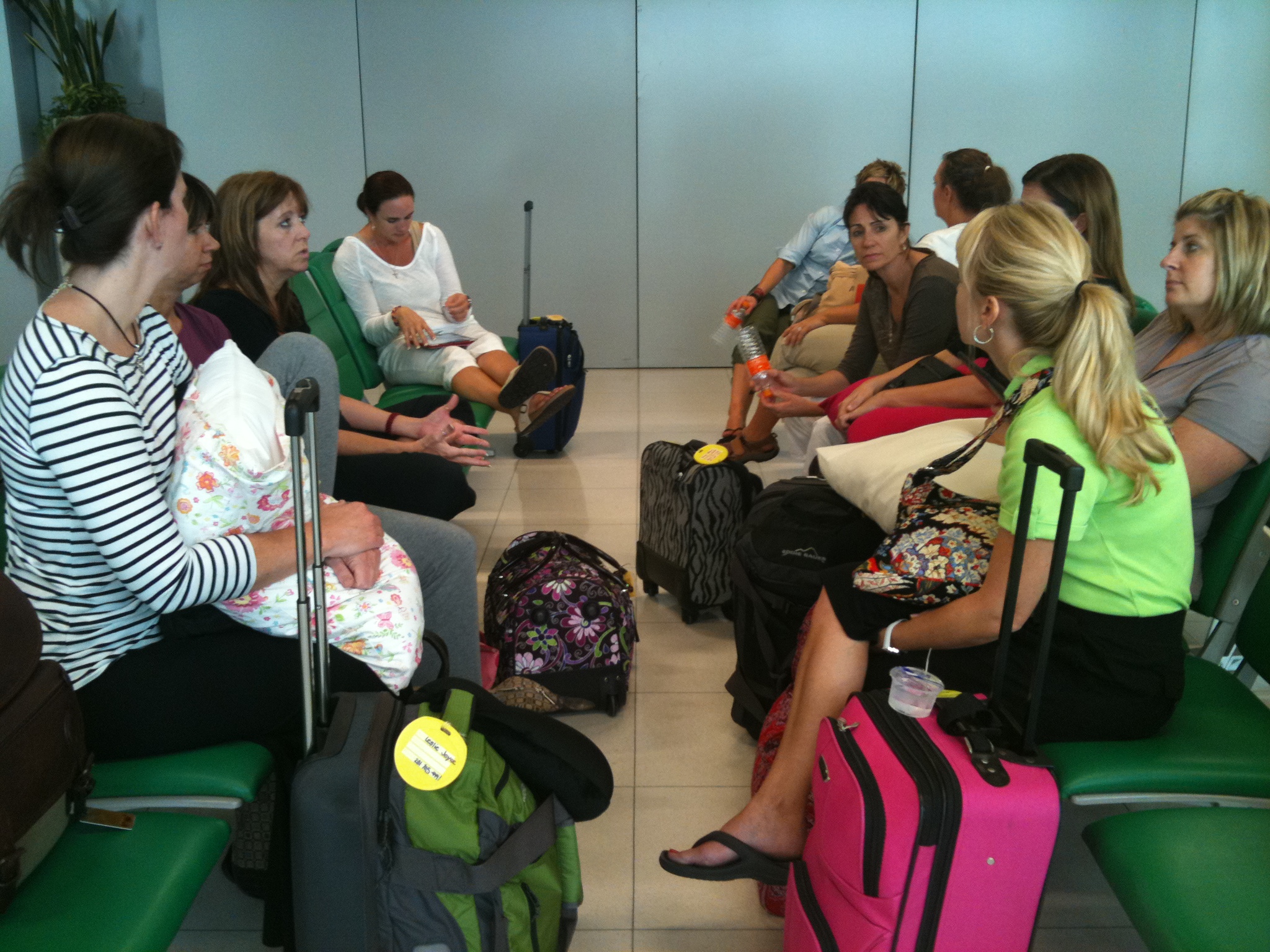
Occasionally, it happens! As I mobilize volunteers to serve in our various missions initiatives around the globe, I sometimes end up leading an all women team! And because I have led so many teams of only men, I have a basis for comparing what it’s like to travel with teams made up of only men or only women. I am currently in Cambodia with a team of eleven women. We arrived here earlier this afternoon after three flights totaling twenty-three hours, not including layovers. We have had more than a few laughs along the way and I told the girls that I would probably write a (tongue-in-cheek) blog about what it’s like to travel with them. So, here are a few of my observations about what the first couple of days have been like with my Cambodia women’s team.

Words | The women on my team have lots of words — and they have yet to run out of words. There has been absolutely no lull in any conversation since we left Houston. At any given moment lips are moving and laughter is seldom far behind. I think I have already answered two-thousand four-hundred and eighty-seven questions, not counting any repeats. Nevertheless, I am enjoying the conversation, especially when I am able to dive in to the fast-flowing dialogue with a word or two of my own. I have come to the sobering realization that I am a conversation rookie among these oratory giants.

Bathrooms | I am now familiar with the location of almost every bathroom between Houston and Phnom Penh because we have stopped at almost half of them along the way. Unlike men, women go to the bathroom in herds. They actually ask each other, “Do you want to go to the bathroom with me?”, as though it were some kind of social event. I can’t imagine a guy asking another guy a question like that. And, to top it all off, when we arrived at the airport in Phnom Penh, it happened again. As I waited with the luggage the herd stampeded to the bathroom. Only this time they all went to the men’s bathroom by mistake. I think this is because they were still using their words while they headed to the bathroom and no one bothered to check the sign or notice the urinals on the wall.

Movies | Whenever the conversation turns to movies, a rookie like me can’t keep up because I have not watched enough Lifetime Movie Channel movies. These are the kind of movies that make women cry and make men want to go out and mow the lawn at ten o’clock at night. But, I have enjoyed listening in and must admit that I almost had a little bit of man-moisture well up in my eyes. But I am not canceling my subscription to the DIY Channel yet.

Awareness | Because I am the only guy on the team and almost drowning in the current of conversation, the women have forgotten on a couple of occasions that I was in the neighborhood and therefore failed to edit their conversation about — well, about women stuff. But, thankfully God prepared me for all of this by allowing me to grow up in a home with three sisters. Honestly, until I left home I thought that panty hose doubled as shower curtains. So, I am familiar with women stuff. Without question, some of the funniest moments so far have happened when the women on my team noticed my wide eyes and stunned expression.

Inhibitions | One of the things that our team will do in Cambodia is to conduct a VBS for up to one-thousand children. Our ladies have worked hard on preparing their lessons, crafts, and music. I have learned that they have absolutely no inhibitions about rehearsing their music and movements while in the airports along the way. It’s like no one else is in the room. But, I am not complaining because at least half the folks on our flights have learned the songs and corresponding movements.

Seriously, we are having a great time together. I could not ask for a better team or one more focused on what they are here to do. In the coming days, these ladies will see a lot of very sad things as well as injustices that will make them angry. So, I am glad that we have had a pleasant journey filled with laughter, conversation, and fellowship. No one has complained or whined about anything and these ladies can load luggage faster than most of the men’s teams I have led over the years. It’s going to be a good week as I travel with these women who love God deeply and want to make a difference in the lives of the least of these. I consider it a privilege to travel with them.

Posted by: Omar C. Garcia | September 19, 2011

Among the Nations

Houston en route to Phnom Penh, Cambodia

When I arrived at Kingsland to serve as missions pastor a little more than six years ago, my top priority was to challenge and to provide opportunities for the people of Kingsland to go beyond — to do more than they had ever done to advance the purposes of God among the nations. The people of Kingsland heartily embraced the challenge to become a missional people or, as Pastor Alex often says, to be Jesus with skin on. Today, our missions ministry mobilizes thousands of volunteers and stewards hundreds of thousands of dollars annually in missions initiatives from Katy to the ends of the earth. Our work among the nations extends to so many time zones that we can safely say that the sun never sets on our various global initiatives. We are intentionally and strategically working toward the day when “the earth shall be full of the knowledge of the Lord as the waters cover the sea” (Isa. 11:9).

This morning, my friend Jim Coleman and a team of Kingsland volunteers headed to El Salvador to drill another water well in partnership with Living Water International. Jim serves as our missions ministry’s point man for our water well drilling trips. We have three trips to El Salvador on the calendar for next year that are filling up fast. Our water well teams are providing much-needed water to residents of poor villages and spreading the message about the living water that only Jesus can give. On Tuesday, Jon Davis, our Missions Ministry Associate, will lead a team to Kolkata, India to serve in a slum village where we support the only school among thousands of poor Bengali Hindu people. Jon’s team will conduct a dental clinic and also a sports camp led by Paul Crandall, our Recreation Pastor. They will bless hundreds of people in need of dental care and have as many opportunities to share the love of Jesus.

I am currently en route to Cambodia with a team of eleven women to work with our ministry partner Steve Hyde of Asia for Jesus. Our first stop is Phnom Penh where we will engage with a prospective justice ministry partner, learn about the scope of human trafficking, and visit one of Pol Pot’s killing fields. Then we will head across the country to Poipet to visit the property purchased with Kingsland funds along the border with Thailand. Our friend Steve Hyde is constructing the New Hope campus on this property that will include a pregnancy help center and women’s clinic and a future feeding center for kids who live in the nearby slums. We will also conduct a Vacation Bible School at Steve’s Imparting Smiles orphanage for the kids under his care and also for kids from the slums. These slum kids are among the most vulnerable in Cambodia to being kidnaped and trafficked for sex and labor.

Steve Hyde has a God-sized vision for reaching Cambodia and the adjacent nations with the gospel of Christ. That vision includes working in Poipet — the devil’s front porch and one of the most strategic areas to champion the cause of the oppressed and those at risk of being trafficked by unscrupulous people. That is why we are committed to working there with Steve and why we are investing both human and significant financial resources. We are doing more than addressing symptoms in Cambodia. We are helping to address the systems that create those heart-breaking symptoms. Along with Steve, we envision how the gospel can bring about the kind of transformation that will one day cause this nation to be glad and sing for joy (Ps. 67:4).

Please pray for our three teams as they do their respective work among the nations over the next couple of weeks. Pray that those they will serve will hear and see the gospel in a compelling way that will make them thirst to know more. And, as Pastor Alex led us in our prayer time for the nations this past Sunday morning, please continue to make these words of the Psalmist your own as you pray: “May God be gracious to us and bless us and make His face to shine upon us, that your way may be known on earth, your saving power among all nations. Let the peoples praise you, O God; let all the peoples praise you!” (Ps. 67:1-3).

Posted by: Omar C. Garcia | September 17, 2011

Just Run 2011

Kingsland’s Justice Ministry hosted our second annual Just Run for a Just Cause this morning — and what a fabulous morning it was. A total of 975 contestants participated in this community-wide initiative to raise awareness about human trafficking and the plight of the oppressed. People of all ages signed-up to participate in the 1-mile family walk and to compete in the 5k and 10k races. The parking lot in front of the church was a beehive of activity as participants pinned on their numbered bibs and laced their timing chips on their running shoes. The best thing was to see participation grow from 450 participants last year to 975 participants this morning. This is in large part due to the efforts of Kingsland member Kelly Isenberger and her team of volunteers. Over the past several months Kelly and her team have ironed out every detail of the race as evidenced by the success of the event this morning.

Our Just Run is designed to raise awareness about human trafficking. That’s why this year’s race featured a compelling wall of panels that stretched sixty-feet across our parking lot. Each panel sequentially illustrated the story of how young girls and boys are trafficked and how those who champion justice come to their aid. The final set of panels were designed for this morning’s participants to write a prayer on behalf of the oppressed. I was encouraged by the heartfelt notes and prayers that people posted on the justice wall. Many commented that this wall helped them to better understand why we must be engaged in working and speaking on behalf of the oppressed and those who have no voice. I am grateful to Susan Derbecker and her team of volunteers for the many hours they invested in making the wall a reality. We will definitely use it again throughout the year at other justice initiatives.

Those present this morning also had an opportunity to listen to a brief testimony from, a child labor trafficking survivor. This young girl was brought from Africa to the United States under false pretenses and was forced to work in a home even though she was just a child. Although she was raised as a Muslim, she found new life and hope in Jesus Christ and was able to escape from the bondage of human trafficking. Today, she continues to tell her story and to inspire others to get involved in championing the cause of the oppressed. Listening to her compelling story this morning helped many to put a face on human trafficking. It’s one thing to hear that there are twenty-seven million people in the world today in some kind of slavery. But it’s another thing to actually see and listen to the story of just one from among the twenty-seven million.

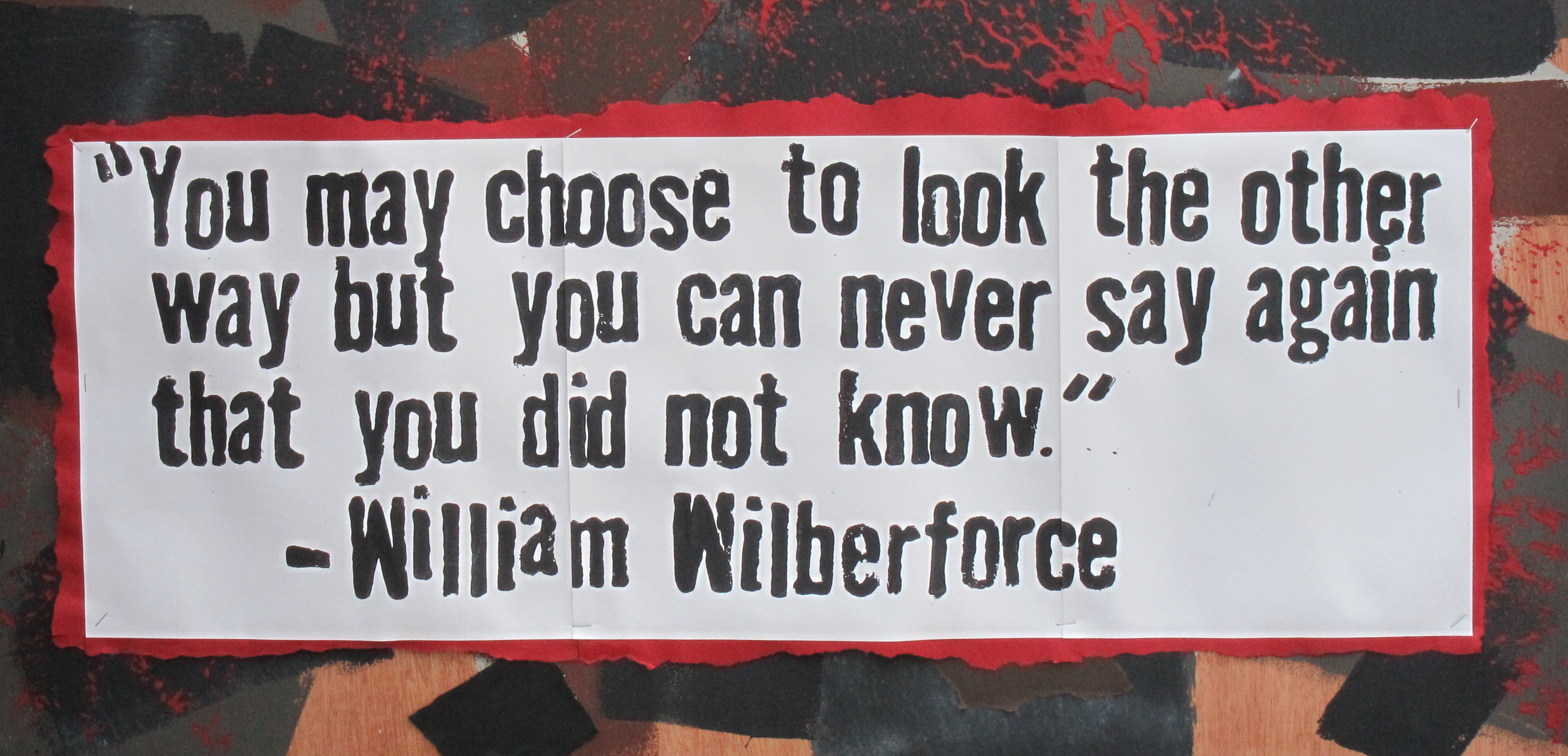
We at Kingsland remain committed to the fight against human trafficking. We understand that this battle will not likely be won in our generation — but we are nevertheless determined to do all that we can to make a difference. And we are determined to equip and to pass the baton to the next generation. This morning, many people in our community learned about the plight of the oppressed. For many, this was their first exposure to the truth about a reality that they may never see — the dark world of human trafficking. My prayer is that each of us will make a commitment to pray for and to speak on behalf of those who have no voice and to financially support initiatives that result in the rescue of the oppressed. My favorite quote on the justice wall sums it up best: William Wilberforce said, “You may choose to look the other way but you can never say again that you did not know.”

Posted by: Omar C. Garcia | September 16, 2011

Katy Teens in Kolkata

I generally read one or two books every time I travel. Just before leaving Jos, Nigeria in September 2008, I stopped by a bookstore to buy an additional book to read on the long flights home. That’s where I purchased a copy of Mother Teresa: Come Be My Light, a biography based on a collection of Mother Teresa’s letters. I had been a fan of Mother Teresa since first reading about her in the December 29, 1975 issue of Time magazine (an issue I still have). So, I read her biography with great interest. Within the next few weeks I read seven more books about Mother Teresa. But it was not until I read Kay Warren’s book, Dangerous Surrender: What Happens When You Say Yes to God, that I sensed God calling me to travel to Kolkata to serve in Mother Teresa’s homes. Within a few short months I was on a flight to Kolkata to serve the least of these at Mother Teresa’s homes for the destitute and dying. The experience moved me deeply and stretched me in uncomfortable ways.  On the flight home I felt convicted that I needed to mobilize as many people as possible to serve the poor at Mother Teresa’s homes.

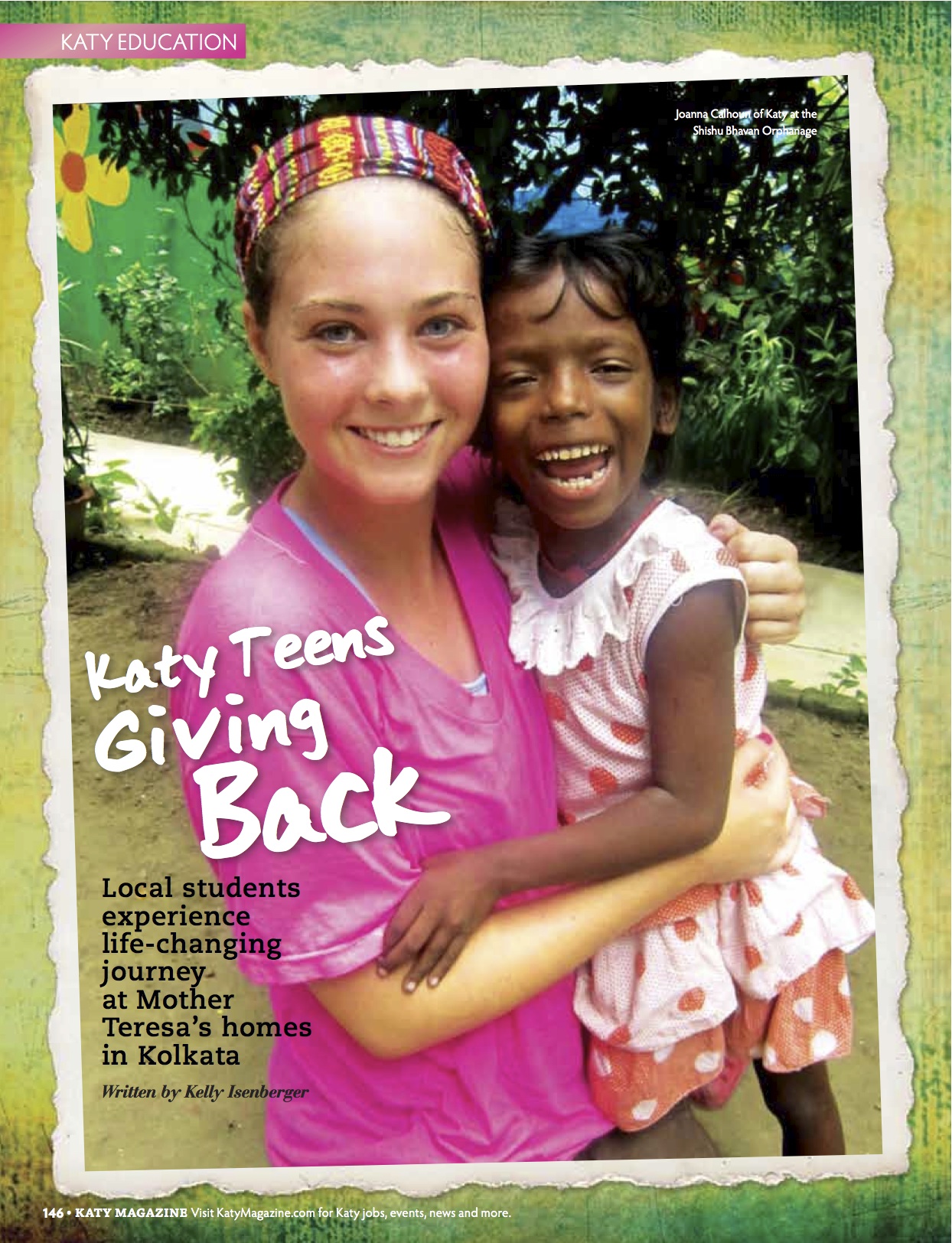
The past two summers I have been privileged to lead Kingsland’s high school graduates to Kolkata to serve the lowest and most broken segment of humanity. Our students have embraced the privilege of serving the least of these and faced every challenge in doing so with courage. Their experiences have caused them to think a little more deeply about their responsibility to care for those in need — to move beyond pity to practical and measurable acts of compassionate service. Even a brief season of service at Mother Teresa’s homes is enough to leave an indelible mark on the hearts of those who serve. The experience is one that will be remembered for a lifetime. This month’s issue of Katy Magazine features an article by Kingsland member Kelly Isenberger about our recent summer trip to Kolkata entitled Katy Teens Giving Back. I hope you will take a moment to read it and to consider what you can do to serve the least of these in our own community and beyond. I appreciate our teens and their service from Katy to Kolkata. I’m already looking forward to returning to Kolkata with our graduating teens in the Summer of 2012.

« Newer Posts - Older Posts »

Categories