Posted by: Omar C. Garcia | February 4, 2012

Thank You, Natalie Grant

Last Sunday we were privileged to have Christian singer Natalie Grant with us at Kingsland. There is no question that she is an incredibly talented singer and song-writer. Natalie was the GMA Female Vocalist of the Year for four consecutive years (2006-2009) and the top-selling Adult Contemporary female solo artist in 2005, 2006, and 2008. In addition to having a fabulous singing voice and writing songs that draw worshipers closer to God and connect them with His passions, Natalie is a champion for the oppressed, for the victims of human trafficking. I like that because that is an area in which our missions ministry is heavily engaged. Natalie is actively involved in raising both awareness and funds for justice initiatives. So, I was glad when I heard that she was coming to Kingsland. And, I’m glad she did. Our worship was a foretaste of heaven.

Natalie Grant | KBC Missions Offices

I have told several friends this week that I came away with something more this past Sunday. I had the opportunity to meet Natalie between services in our pastoral office suite. Just as I was about to shake her hand, my youngest daughter Gina, who is serving in Malaysia, called me. When I saw Gina’s number on my phone, I asked Natalie if she would take a moment to say hello. Of course, she was more than gracious and talked with Gina via Skype video on my phone. As you can imagine, Gina was beside herself with excitement. Later in the morning, Natalie stopped by our missions ministry office and took a moment to record another video greeting to Gina. She encouraged Gina to keep living her dream of serving God among the nations. When Gina received the video she replied with a text saying, “You’re the best Dad in the world!”

Well, I don’t know if I’m the best Dad in the world but I do know this — Natalie Grant is a kind person. She is as down-to-earth and friendly as anyone you’d expect to meet in your own hometown. And, she understood the importance of taking a brief moment to do something nice for a student living far from home and missing her family. Seeing that side of Natalie off stage made seeing her on stage even better for me. As much as I have enjoyed her music over the years, I will enjoy it even more because of her kindness to my daughter. We can all do what Natalie did every day if we will take a moment to seize even the briefest opportunities to do something kind or to offer encouragement to others. It’s those little things that we do behind the scenes that can make a big difference in the lives of others. Thanks for your kindness to my daughter, Natalie.

Posted by: Omar C. Garcia | February 3, 2012

Bethany Home Dedication

The day after Christmas, a little more than one month ago, I had the privilege of escorting Marcus Patterson and his children to India for the dedication of Bethany Home, the new boys home we constructed in memory of Diane Patterson (1950-2006). We currently have 98 boys from among the poorest Christian families in the state of Orissa under our care. Many of our boys are from families that have suffered great loss as a result of the persecution against Christians in Orissa in recent years. Our new campus includes a dormitory, a computer center, and a kitchen and separate dining facility. Our Bethany Home campus will help us to continue providing our boys with a safe place to live while we help them to receive a good education. In the future we hope to double the size of the dormitory and begin caring for young girls as well. I am grateful to Sean Cunningham, who serves on Kingsland’s Media Ministry staff, for documenting this special occasion on video.

Posted by: Omar C. Garcia | February 2, 2012

Train Your Brain

One of my personal mantras is, “Think deeply. Live wisely.” I believe that each new day offers us multiple opportunities to think deeply about something. And, thinking is good for the brain — that’s what God designed it to do. In order to stay sharp, it’s important to exercise and stimulate your brain every day. The writer of Lamentations said that God’s mercies are new every morning (Lam. 3:22-23). He’s right! We have no excuse for puttin’ the noggin in neutral and coasting through the day without ever giving thoughtful consideration to at least one of the many daily expressions of God’s tender mercies. Our connected world also presents us with interesting current events to ponder daily. I like to think about and to examine these under the light of my biblical worldview. I also believe that thinking deeply is a prerequisite to living wisely because our actions are rooted in the thoughts that produce them. So, how can we train our brains to think deeply? Here are a few suggestions.

B = Books | Reading books is one of the best ways to stimulate your imagination. Reading forces your brain to get engaged by drawing mental pictures. So, always have a good book close at hand. Also make it a point to read stuff that will challenge your worldview, that will expand your vocabulary, and that will give you something to meditate on throughout the day.

R = Rest | Physical exercise is important because it increases blood flow to the brain which, in turn, helps to improve brain functioning. However, rest is also important to good brain function. A lack of sleep or exhaustion can actually interfere with your ability to process and assimilate new information. So, get a good night’s sleep and you may find that things will be much more in focus when you wake up in the morning.

A = Ask | Learn to ask questions. Asking questions is at the root of good thinking and helps to stimulate the thought process. We live in the day of instant information — essentially hand-me down knowledge that is easily accessible and seldom questioned. We must read carefully, think critically, and ask the kind of questions that can give us greater insight into any given topic.

I = Interest | Develop an interest in things that can stimulate your thinking. Consider learning a new language, memorizing a chapter of Scripture or a song, expanding your vocabulary, or finding a new or more creative way to do something. Stay curious about the world around you, try to learn something new every day, and let your mind dwell on good things (Phil. 4:8).

N = Nourishment | Good nourishment is essential to good brain function. Start your day by eating a good breakfast high in protein and good carbohydrates. Avoid the consumption of alcohol. Alcohol is a depressant and slows down and impairs cognitive ability. Make it a point to eat right — after all, you are also feeding your brain.

Posted by: Omar C. Garcia | February 1, 2012

Wordless Wednesday

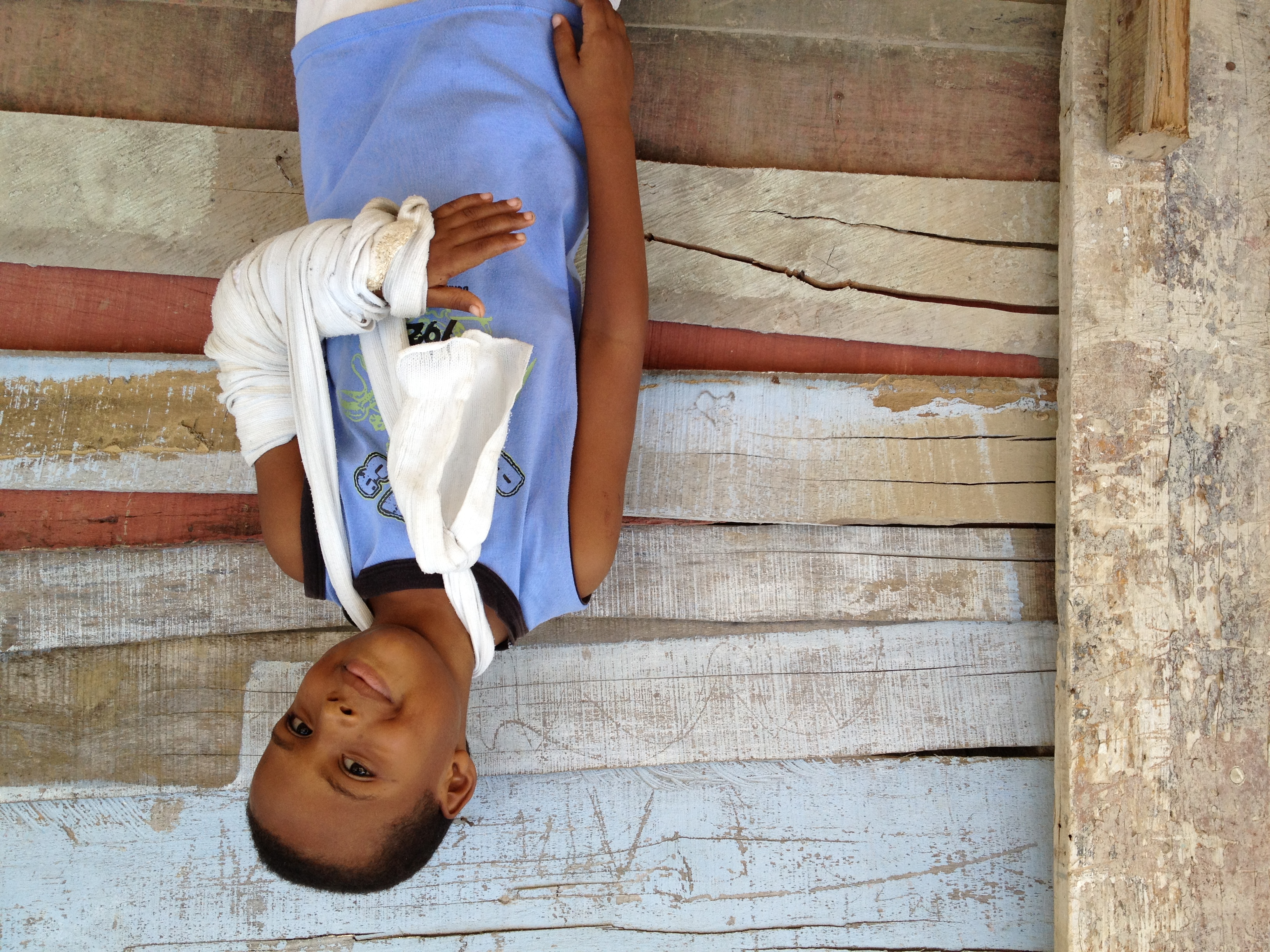
Boy from the neighborhoods of El Pozón. | 2012 | Cartagena, Colombia

Posted by: Omar C. Garcia | January 31, 2012

Portage Points

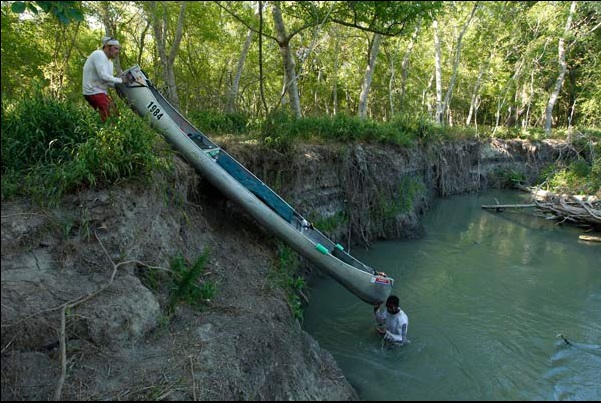
Jonathan portaging at 2011 Texas Water Safari.

Sooner or later we all experience them — portage points — those unnavigable places along the journey where we have no choice but to find a new way through. Portage points are those places where the danger or the obstacles on your course force you to stop to consider the options and whether you are as committed to finishing the course as when you started. Portage points are make you or break you kind of places. The word portage is derived from the French word “porter” which means “to carry.” The word portage was first used in the late 17th century in reference to carrying a boat or cargo between navigable waters. However you look at it, portaging is hard work and, in some cases, really hurts.

As a novice canoeist, I had my first experience with portage points on the Colorado River this past Saturday. As participants in the Texas Winter 100K canoe race, my son  Jonathan and I were told that we would encounter two portage points along the race route (and a possible third if we took a wrong turn along the way). The first portage point came early in the race and was quite a distance. The race officials guided us to a fixed rope where we were able to make our way down a steep embankment covered with cascading mounds of concrete back into the river. The strain of carrying our canoe and gear was made easier because Jonathan and I shared the load, but it was still hard. We encountered our second portage point a few more miles down the river. This portage point was laced with slick mud and a fallen tree that was blocking the route. Although not as long as the first portage, it was still hard work. Portaging is part of the price you have to pay to make progress.

In many ways, portage points are like brick walls. In his book, The Last Lecture, Randy Pausch wrote: “The brick walls are there to stop the people who don’t want it badly enough. They’re there to stop the other people.” I completely agree with Pausch’s observation. Whether you are up against a brick wall or a portage point, you have a choice concerning what you will do. You can either turn around, give in, or plow through. One thing is certain — in Pausch’s own words, “Brick walls are there for a reason. They give us a chance to show how badly we want something.” Once again, I agree! In the long run, portage points can make you stronger and smarter. Stronger because you have to carry the weight of your gear and smarter because you have to think in new and creative ways to continue your journey.

It’s not a matter of if but when you will encounter the next portage point along your journey. When you do, take the time to think deeply and act wisely. And always remember that others are watching to see how you will handle the situation. Let your response to the portage points and brick walls define you in a good light and not become a sad epithet on your map. Although portaging may be hard for a season, there is navigable water ahead if you will press on. Blessings to you on your journey. Go beyond!

Posted by: Omar C. Garcia | January 29, 2012

Texas Winter 100K

Austin, Texas to Bastrop, Texas — in a canoe.

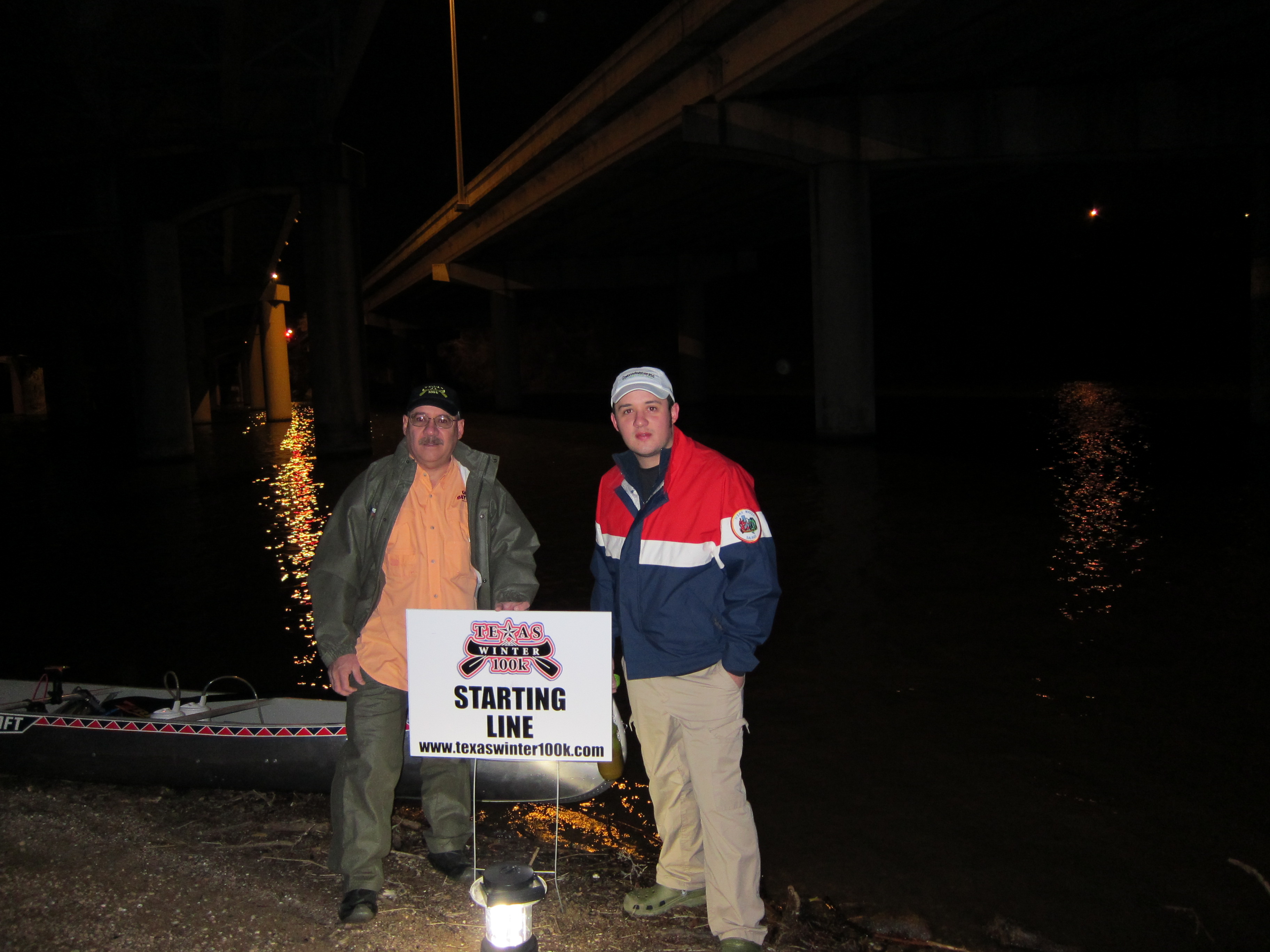
At the starting line at 5:00 AM.

My son Jonathan and I successfully completed the Texas Winter 100k canoe race yesterday. This race begins at Town Lake in Austin, Texas and winds its way down the scenic Colorado River to the finish line in Bastrop, Texas. Jonathan and I left the starting line at 5:00 AM and crossed the finish line at 6:29 PM. We finished 13th out of 27 in the Adventure Class and 7th out of 14 in the Adventure Tandem Class. That’s not too bad considering this is only my third marathon canoe race and my personal goal was to cross the finish line alive, or at least reasonably so. In this case, I would say that I finished reasonably alive.

Although shorter in distance, this race was a little harder for me than the previous Colorado River 100 mile canoe race last September. That’s because I have been out of the country so much that I have not had much of an opportunity to do shorter training runs with Jonathan. So, after a few hours into the race I discovered that I am ambidextrous — it was as equally painful to paddle on the right as it was to paddle on the left. But thankfully, Jonathan was very patient with me and we had a great time doing this race together. I am just glad that we finished within the allotted time.

This race was just one more step along the way to the Texas Water Safari in June, billed as the world’s toughest canoe race. I know that if I am going to survive that 260-mile race then I need to do more training runs with Jonathan. And I intend to do just that. Although my international travel schedule is a little crazy, I have to make the time to get in better shape for the big race. Thankfully, Jonathan already has our training schedule mapped out.

As I reflect on the Texas Winter 100k, I thought about the best and the worst about the race. So, here are my picks and pans.

Best: Spending 13.5 hours in a canoe with my son.
Worst: Spending only about a half hour out of the canoe to stretch my 55-year-old body.

Best: Meeting some really nice folks along the race route.
Worst: Not having more time to chat.

Best: The flow of the river was a bit faster due to recent rains.
Worst: Several miles of paddling into strong winds.

Best: Beautiful vistas along the way.
Worst: Litter and debris in the river.

Best: Some great-tasting energy gels and snacks.
Worst: Spiz endurance drink. Delicious stuff but my body reacts poorly to it.

Best: Warm clothing.
Worst: Wet clothing.

Best: Neoprene socks.
Worst: Wrinkled feet.

Best: Signing up for a drawing for a free paddle.
Worst: Missing the drawing because we were told it was at 8:00 PM. Both our names were drawn about half an hour earlier while we were loading our canoe and gear. Bummer!

Best: This was a much-needed training run for me.
Worst: The realization that I have lots of work to do to get ready for the Texas Water Safari.

The race route as recorded by our Spot Tracker.

Posted by: Omar C. Garcia | January 27, 2012

Off to the Canoe Race

Headed to Austin, Texas to participate in my third marathon canoe race!

With Jonathan | 2011

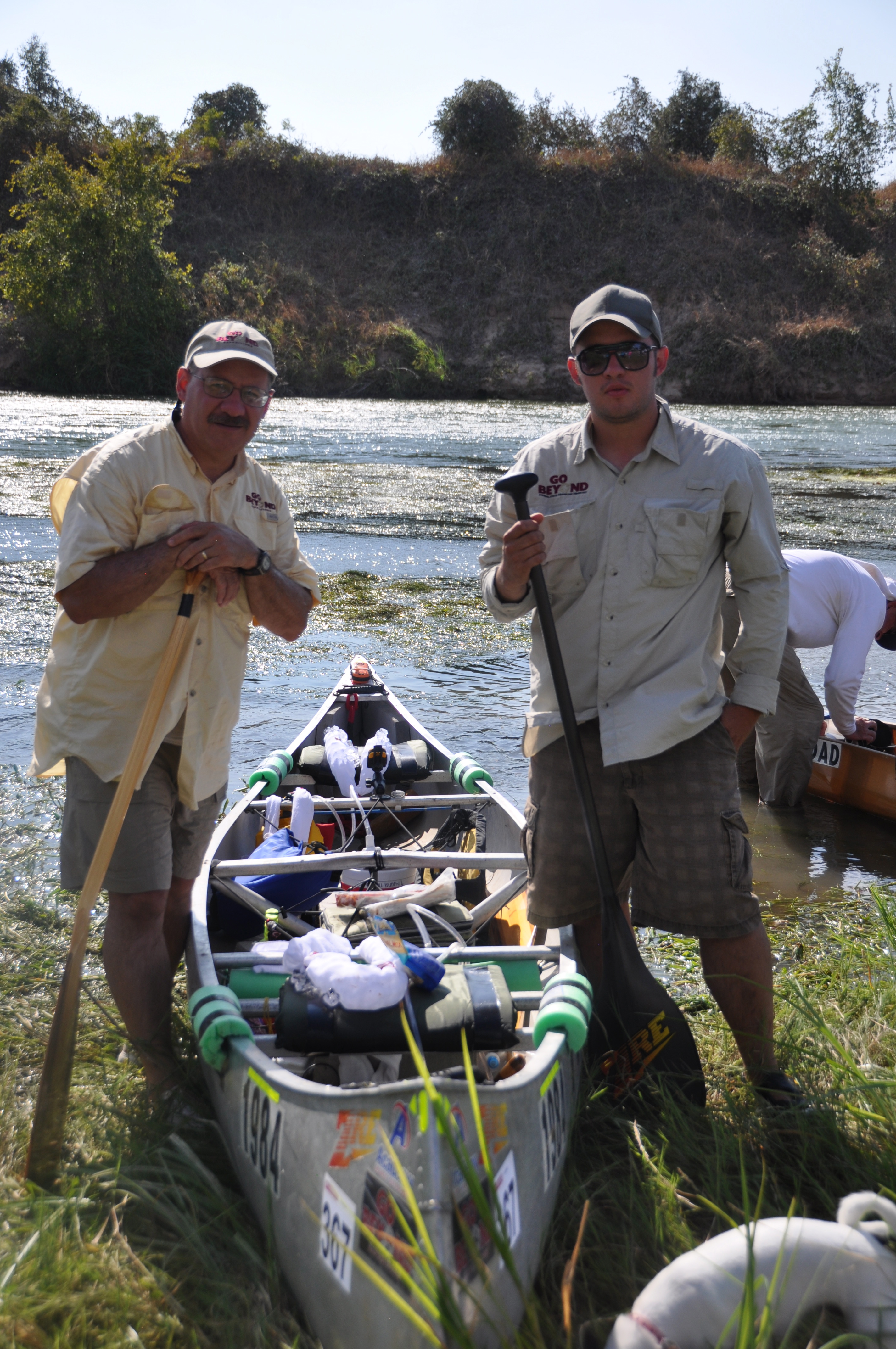
My son Jonathan loves the outdoors, especially anything having to do with Texas rivers. About three years ago, Jonathan invited me to start kayaking with him and I’m glad he did. I have enjoyed paddling Texas rivers but, more than that, I have enjoyed spending time with Jonathan. Last year, Jonathan completed the Texas Water Safari, billed as the world’s toughest canoe race. He and his partner completed the 260-mile course under the allotted time. After that race, Jonathan asked me if I would do the Texas Water Safari with him in 2012. I agreed. So, in order to help me prepare for this big race in June, Jonathan and I have spent time paddling on Buffalo Bayou and have also participated in two canoe races — the Neches River Wilderness Canoe Race and the Colorado River 100. Tomorrow, we will participate in the second annual Texas Winter 100k, a 62-mile canoe race on the Colorado River.

West Hansen

The Texas Winter 100K is a fundraising event for West Hansen, an Austin resident who plans to paddle the entire length of the Amazon River and hopes to do it faster than anyone has ever paddled the 4,225 mile length of the river. That’s a challenging goal or the equivalent of doing our 62-mile race along the Colorado River more than 68 times. I applaud West and wish him the very best. You can read more about West and the Amazon Express Expedition on his website. Guys like West remind us to always look for ways to push ourselves to go beyond our own personal records and boundaries. In our world of conveniences it’s far too easy for us to allow comforts and achievements to lull us into a sense of complacency — the chief enemy of personal growth and greater achievements.

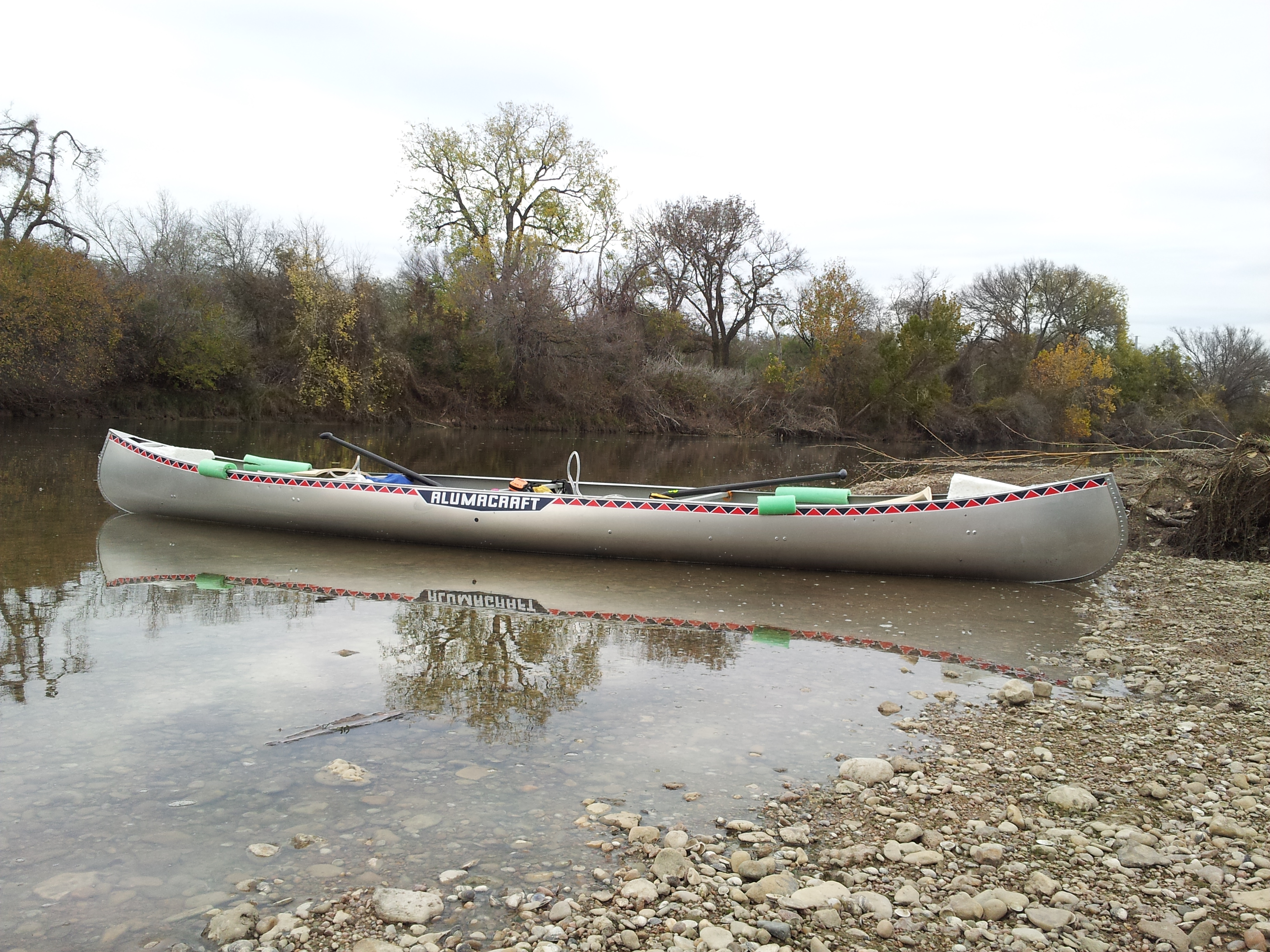
Jonathan's new Alumacraft Voyager canoe.

I am obviously a novice in the world of marathon canoe racing, and a 55 year-old novice at that! But I have enjoyed the way Jonathan has pushed me to go beyond my personal physical limitations. He has remained resolute in getting me into the boat to train and to prepare. He recently purchased a new safari-rigged Alumacraft Voyager canoe, which is one of the boats of choice for these races. This will be my first race with Jonathan in this new boat and hope that there will be many more in the years to come. And, he’s excited because all of the recent rain means that the water is flowing a bit faster on the Colorado. I’m just excited to have the opportunity to do this race with Jonathan and to play a small part in helping West Hansen toward the realization of his goal to paddle the Amazon. I’ll post a follow-up blog after the race. Prayers always appreciated!

Posted by: Omar C. Garcia | January 26, 2012

Reflections on Colombia

Cartagena, Colombia en route to Houston, Texas

Located at the place where South America meets Central America, Colombia is a country steeped in history. Many of the names on the Colombian map are essentially the fingerprints of the European explorers who shaped the story of this nation. Colombia itself is named after Christopher Columbus, although the first European to actually set foot on Colombian soil was Alonso de Ojeda, a companion of the famed explorer. Sadly, in recent years, Colombia has become better known for its civil conflict and drug-related violence than for its rich history and the more recent Juan Valdéz, the iconic face of Colombian coffee. However, the country is taking intentional measures to provide greater security in order to encourage tourism. One ad that I saw said, “Colombia — the only risk is wanting to stay.” I like that kind of positive message and hope that the good people of Colombia can successfully wrestle their country back from the drug cartels that have ruined so many lives.

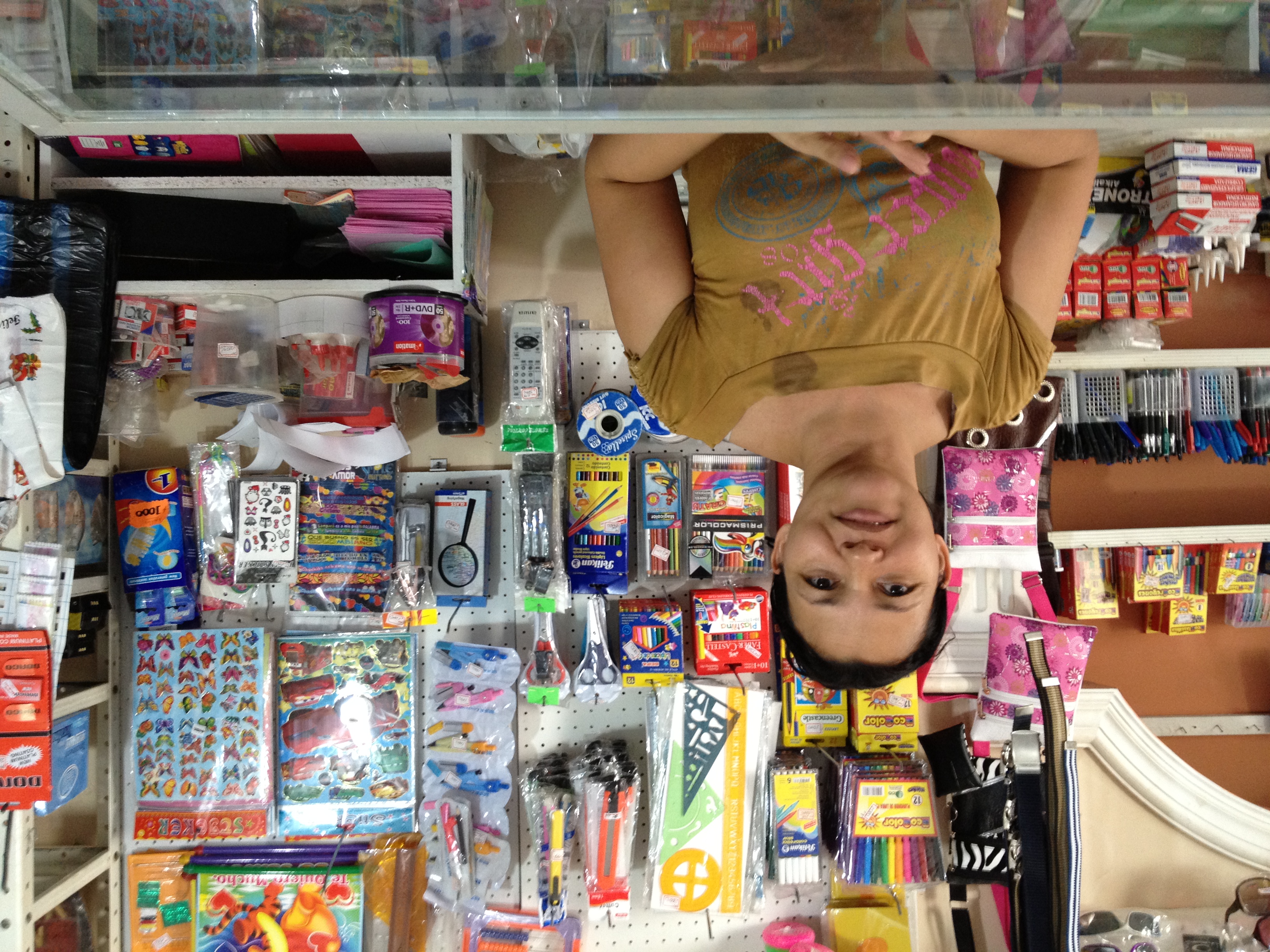
Colombia is a beautiful country and so are its people. I spent a good amount of my time in Colombia among the poor and those who are working hard to give the children of the poor a good education. CDA, the organization that I visited, is doing an amazing job of educating children, providing vocational training, and making micro-loans available to the poor so that they can generate income to support and sustain their families. Yesterday afternoon I met Marta, a woman who received a small loan from CDA three years ago. She used the funds to open a neighborhood store. Her business has grown significantly and she and her husband are now able to better provide for their young children. Marta told me that while she is grateful for the loan from CDA, she is especially thankful to the Lord for guiding her enterprise. Her story has also inspired others who have applied for micro-loans from CDA.

I am returning home refreshed, encouraged, and inspired. Once again, God has reminded me of the resiliency and resourcefulness of the poor. I met some really smart kids who have managed to excel in school despite having few resources and who study  in homes with dirt floors and no electricity. I met parents, grandparents, and single moms who are committed to doing whatever it takes to keep their kids in school and in church. They know all too well the dangers that can distract and destroy their kids. I also listened to the dreams of kids who are driven by sheer determination to succeed. They understand that the journey toward the realization of their dreams may take a little longer but that they can get there. It’s kids like these and the parents who believe in them that can change the face and future of Colombia — a beautiful country.

Posted by: Omar C. Garcia | January 25, 2012

The Doctor from El Pozón

Cartagena, Colombia

El Pozón is one of the ramshackle neighborhoods located near the Corporación Dios es Amor or CDA school in Cartagena. The area is inhabited by squatters who have managed to construct houses out of assorted junk. The name of the area is derived from the word for “hole” and is aptly named because, when it rains, this area is subject to severe flooding. And when the water rises, the misery increases exponentially in El Pozón. The poor here have nowhere to go and must simply endure the misery and mosquitos until the waters recede. After the rains, the people work to repair the damage to their homes and then go on with their lives. That’s the way things are in El Pozón.

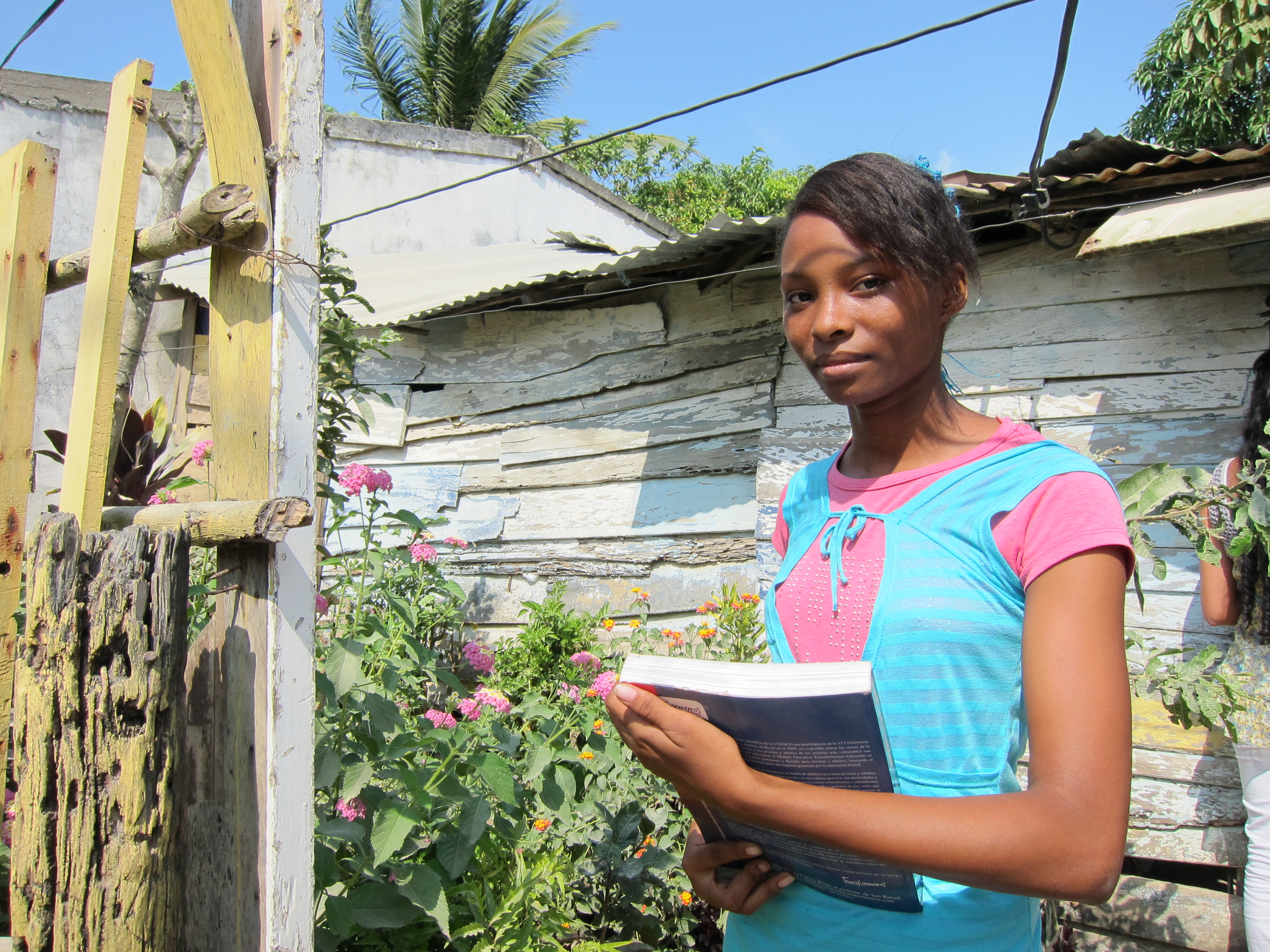
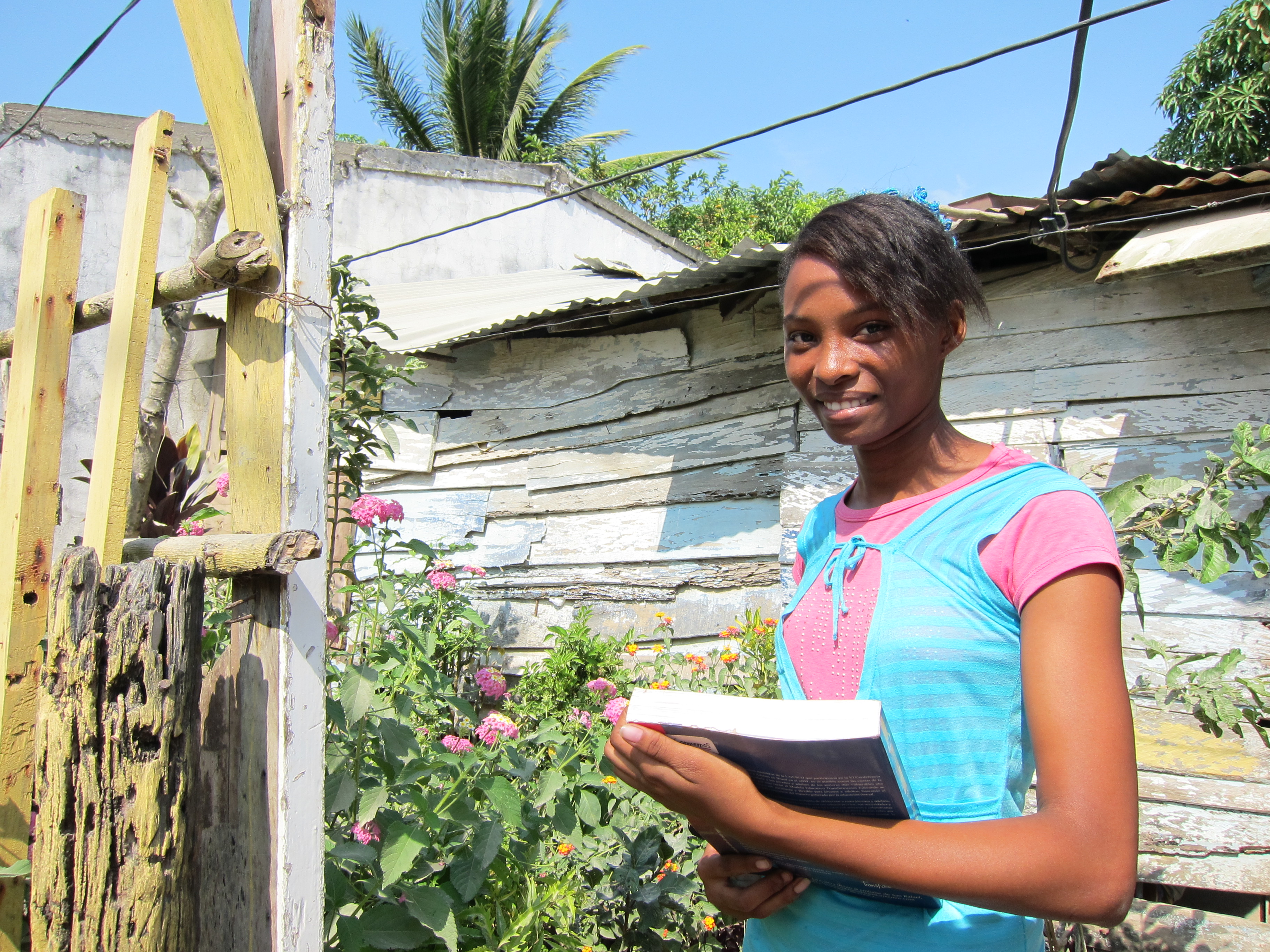
This afternoon, our team visited in the homes of the poor who live in El Pozón. This is one of my favorite things to do because I get to meet people and listen to their stories — the kind of stories that give me insight into how they live and what their hopes and aspirations are. I met some wonderful people this afternoon, but one of the most inspiring was a young girl named Lianis Ruiz. Lianis and her mother Margo live in a two-room shack with a dirt floor. Her mom is single and earns money by working as a maid. Margo could not say enough good things about the CDA school and what it has meant to Lianis and her younger sister who is in the ninth-grade. Lianis has attended the CDA school for the past seven years and just graduated.

I asked Lianis what she was going to do next. Without missing a beat she replied, “Yo quiero ser un médico” or “I want to be a doctor.” The look on her face told me that she was absolutely serious. This is her dream and she has every intention of pursuing it. I turned to the school official who was with us and asked what it would take for Lianis to pursue her dream. She told me that Lianis is an excellent student and hopes to enroll in the medical program at the local university in a few months. The family is raising funds that will be matched by CDA so that Lianis can continue her education. The cost of her tuition for one semester of college is the equivalent of $350 dollars — an enormous amount of money for this single-parent family. But, mother and daughter are committed to working hard to make it happen.

I encouraged Lianis to not give up on her dream and assured her that God will make a way. She smiled and agreed. I later whispered to Pastor Jorge’s son to keep me informed on what happens with Lianis. I appreciate that this sweet young lady and her Mom will have some skin in the game that will give them a sense of purpose and ownership. They do not expect a hand-out nor did they ask for one. However, if necessary, we will give Lianis a hand-up to help keep her dream alive. I am absolutely inspired by students like Lianis who work hard under difficult and oppressive living conditions. And I believe that one day she will walk across the stage to receive her medical degree and become the doctor from El Pozón. Lianis and her family have nothing of worth by this world’s standards, but they are rich nevertheless because they share a dream of a better life and are trusting in God to make their dream a reality.

Posted by: Omar C. Garcia | January 24, 2012

Answer to Their Prayers

Barranquilla, Colombia

My Colombian-born friend Jorge Cardenas is no stranger to the Kingsland staff. Jorge is the pastor of Iglesia Sobre la Roca, located just down the street from Kingsland. Over the past several years we have formed a special bond with Pastor Jorge and his church family. And, for the past several years he has repeatedly asked me to join him on a trip to his native country to see how our churches can partner in the education of the poorest children. Finally, I am in Colombia with Jorge and delighted to have him show me the good work that is taking place here — work that is making a difference by empowering children and transforming families.

We arrived yesterday in Cartagena de Indias, a city founded in 1533 by Pedro de Heredia, a Spanish conquistador. Located on the Caribbean coast, this city became the main Spanish port as well as the major gateway to South America. Today, visitors to the city are greeted by Las Murallas, a centuries-old 13-kilometer stretch of thick walls built to protect the city from its enemies. The Ciudad Antigua, or Cartagena’s old town, is located within Las Murallas and is a Unesco World Heritage site. The Ciudad Antigua is characterized by narrow cobbled streets, quaint balconies, and massive churches that cast their shadows across colonial plazas. It’s a beautiful place that stirs your imagination.

This morning we traveled a 120-kilometer stretch of the Via al Mar between Cartagena and Barranquilla. This well-maintained highway follows the coast between these two cities. Baranquilla, founded in 1629, is an industrial port and Colombia’s fourth largest city. I love what the Lonely Planet travel guide says about Barranquilla: “There are few tourist attractions and little reason to visit…” Those are the kind of places that appeal to me. And, I am even more interested in this city after our visit to the school operated by CDA — Corporación Dios es Amor — a Christian organization founded by a New Zealand missionary. They are providing the children of the poorest of the poor with the opportunity to get an education and to develop a Christian worldview. Jorge’s son, a former Houston ISD school principal, returned to Colombia and joined the CDA staff.

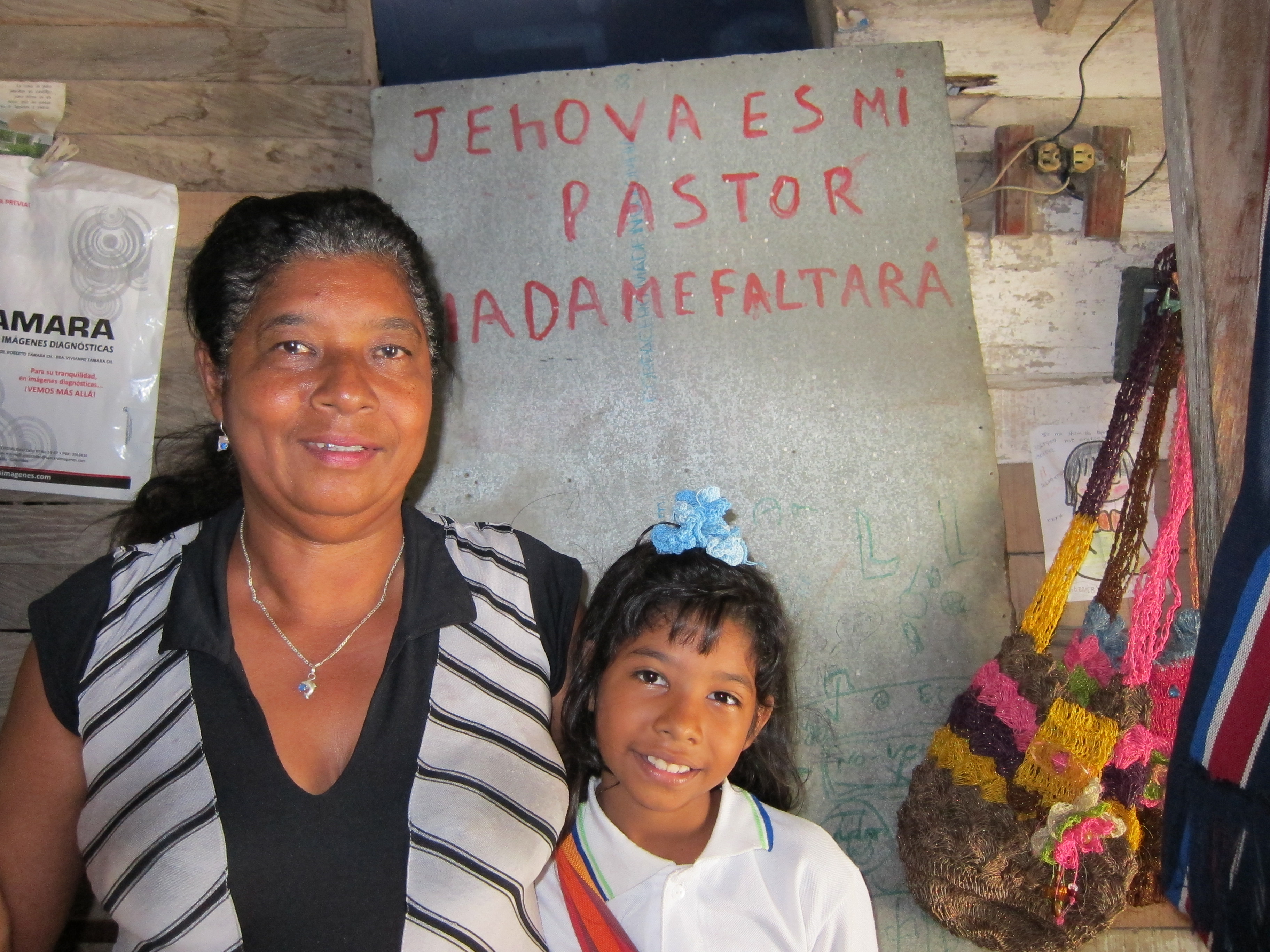
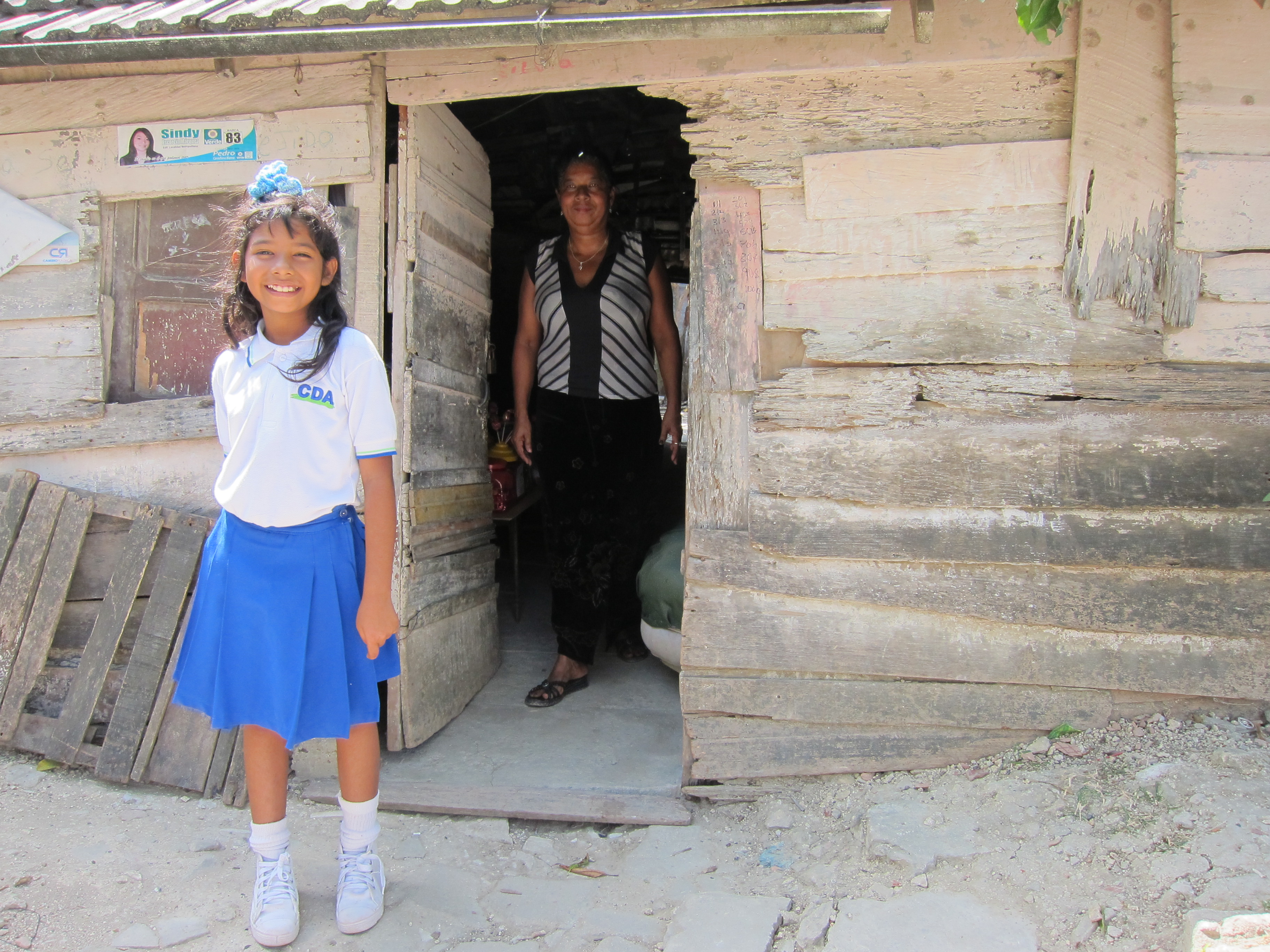
This morning we visited the families of three of the children enrolled in the school. I am very acquainted with poverty and therefore was not surprised by the horrible living conditions around the school in Barranquilla. But, what makes things different here is the hope that these parents have for their kids. I met one grandmother who is caring for her only granddaughter. Her home was the worst of those we visited. “It’s staying up by the grace of God,” she told us. And she was right! It’s only a matter of time before her tiny hovel crashes in around her. This grandmother started a little business selling chips and candy in order to pay the modest monthly tuition for her granddaughter who is an excellent student. Before we left I took their picture in front of a sheet metal door in their home painted with the words “Jehová es mi pastor; nada me faltarᔓThe Lord is my shepherd, I shall not want.” This woman knows the meaning of those words. She trusts God daily to help her keep her granddaughter in school.

Our time at the school, in the surrounding slum neighborhoods, and with the faculty touched my heart. The teachers earn the equivalent of about $300 dollars per month to teach children in concrete block rooms with no fans or air-conditioning. They do it because they love God and they love the kids under their care. These kids will have a possibility of a better future because of the vision of a man from New Zealand (now deceased) and those who continue to carry out his legacy of caring for the poor with dignity and love. As we drove back to Cartagena this afternoon, all I could do was to think about and pray for the teachers and kids I met. I am seeking God about how our missions ministry can be an answer to their prayers.

« Newer Posts - Older Posts »

Categories