Posted by: Omar C. Garcia | May 30, 2012

I Still Miss My Mother

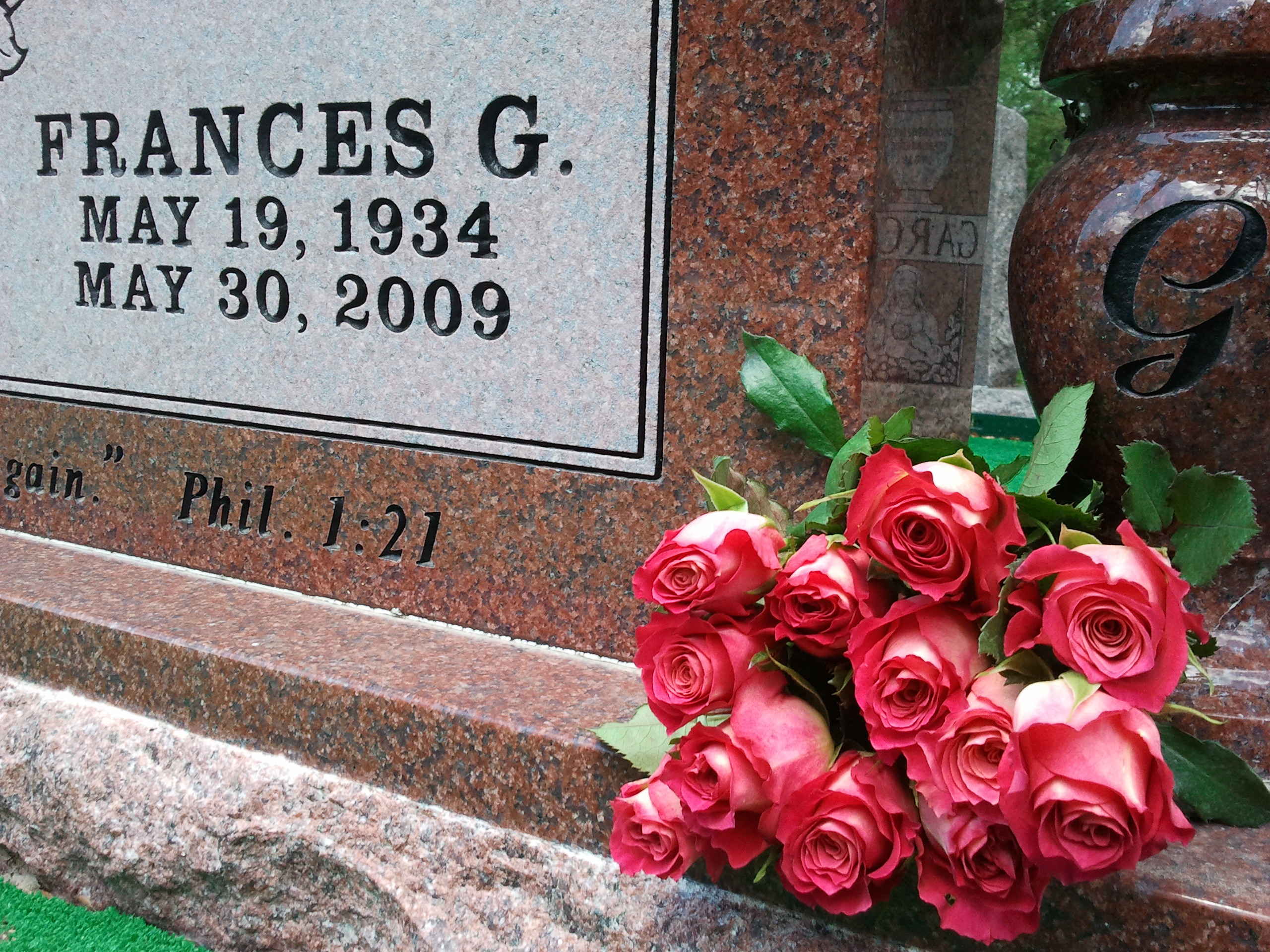
Today is the third anniversary of my mother’s death. Although there is not a day that goes by without something that causes me to think about my beautiful mother, the anniversary of her death holds my thoughts captive to her memory throughout the day. I am especially grateful to have gleaned deeper insight into my mother’s life by asking my Dad lots of questions about her on our recent road trip. His answers gave me greater appreciation for the way in which my mother lived and loved. Each story he shared filled in a little more detail and brought greater depth and clarity to my understanding about her. Dad’s stories helped me to connect a lot of dots by tracing character traits that I admired in Mom as far back as her childhood. I can now look farther to the past and see, for example, the evidence of her compassionate concern for others. What I saw in my mother as a kid had roots that went far deeper than I ever imagined.
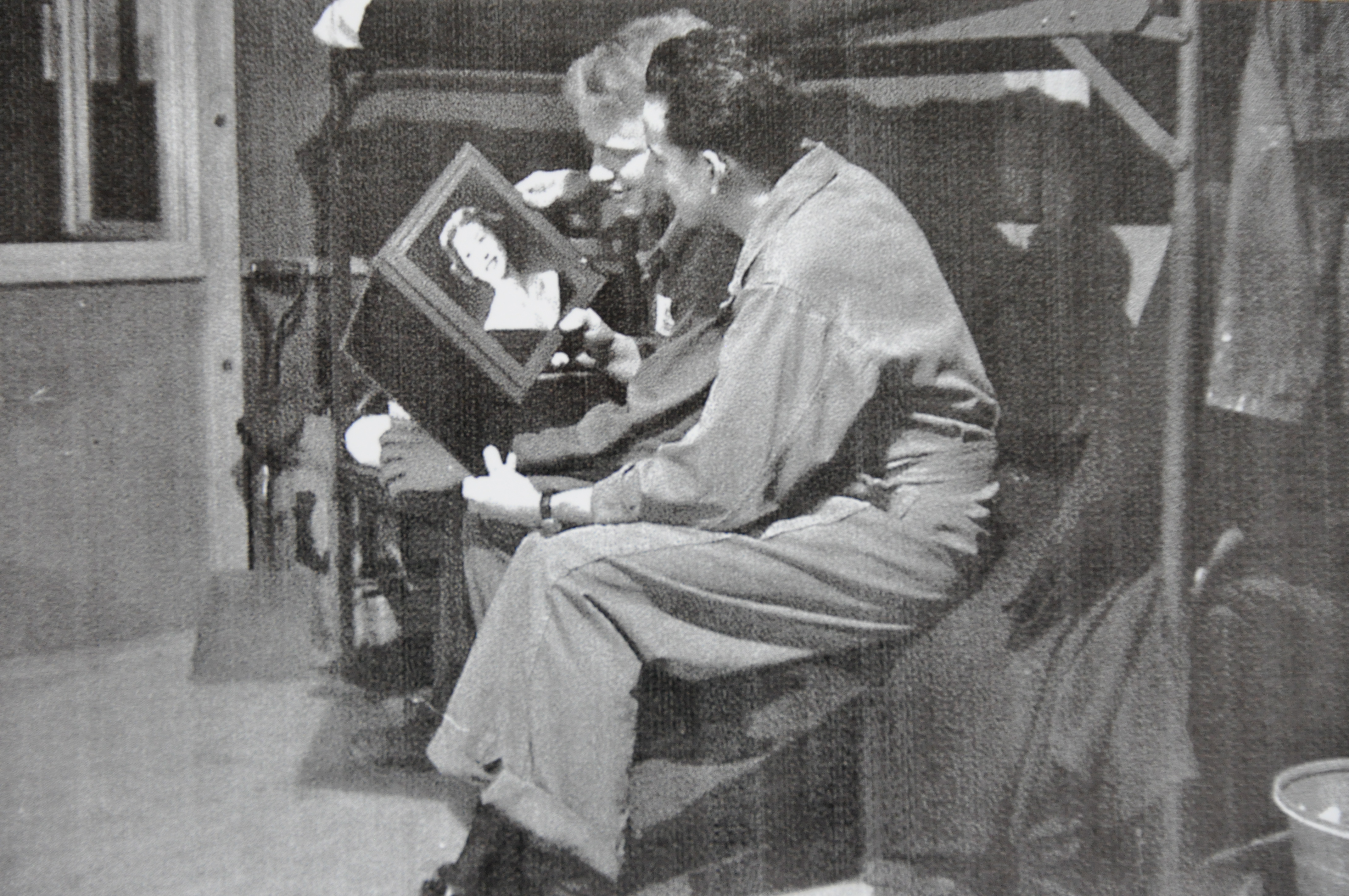
Of all the things I am grateful for about my Mom and Dad, the most significant is how much they loved each other. From the time they started dating, my parents knew they were meant to be together. One of my favorite photos is of my Dad sitting in his barracks in Germany holding a photo of his fiancé and showing it to a buddy. Mom and Dad exchanged lots of letters and telegrams during those years that bear testimony to their love. I especially like a Valentine’s Day telegram that they kept framed in their bedroom. I don’t think parents realize how little things like that can influence their children and add to their sense of security. Although I did not realize it as much when I was growing up, I now understand how blessed I was to grow up in a home with parents who were madly in love with each other. In my estimation, loving each other is the greatest gift that my parents gave our family while growing up.

Yesterday evening I received word that one of my mother’s two surviving brothers passed away. In her final years of life my mother had cared for him, a task that my youngest sister Laura assumed after Mom’s death. Knowing that our uncle was nearing the end of his life, Laura met with the director of the veteran’s home where my uncle lived to begin discussions about funeral arrangements. The director told her that there was nothing to plan because my mother had already taken care of every detail before her death. Everything was already planned and paid for. It’s things like this that continue to cause me to give thanks to God for my beautiful mother. She is no longer with us but her influence remains. Although I still miss my mother very much on this third anniversary of her death, I remain grateful for the gifts she gave me and my siblings while she was alive that continue to bless and comfort and encourage us.
Posted by: Omar C. Garcia | May 28, 2012

From Highways to Rivers

I was a bit sad after dropping off my Dad at his home at the end of our 3,300-mile road trip. We had an amazing and memorable adventure together as we traveled through Texas, New Mexico, and Colorado. This first part of my sabbatical exceeded my expectations in terms of refreshing me and giving me an opportunity to take lots of notes on more of my Dad’s stories about our family. The things Dad shared with me added additional detail to the canvas of my family’s history. I feel as though my connection with our past is stronger and I want to make sure that my kids hear the stories that encouraged me. Connecting our kids with the stories of our past can give them much-needed context for understanding more about where they fit into the bigger family picture.

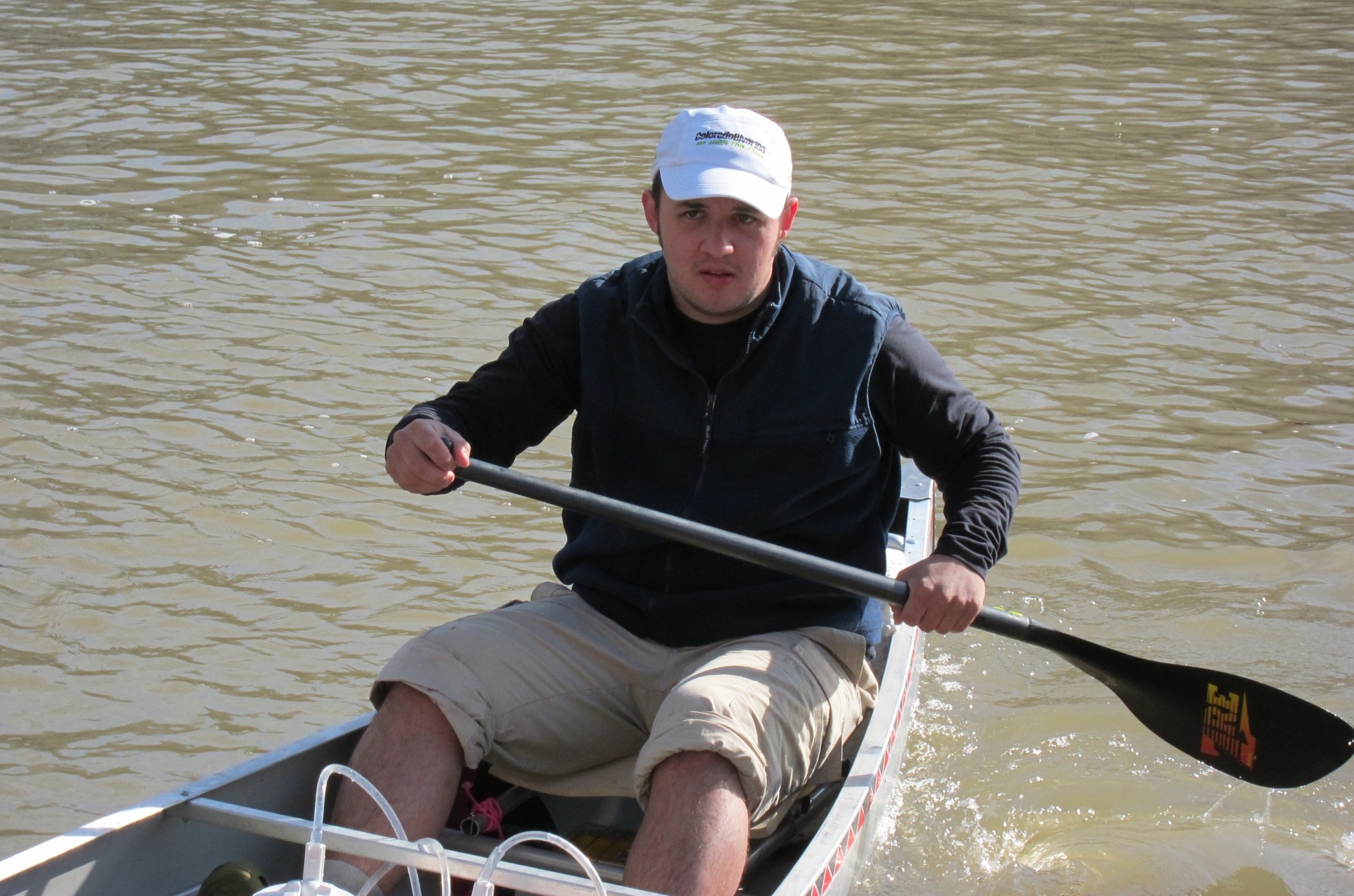
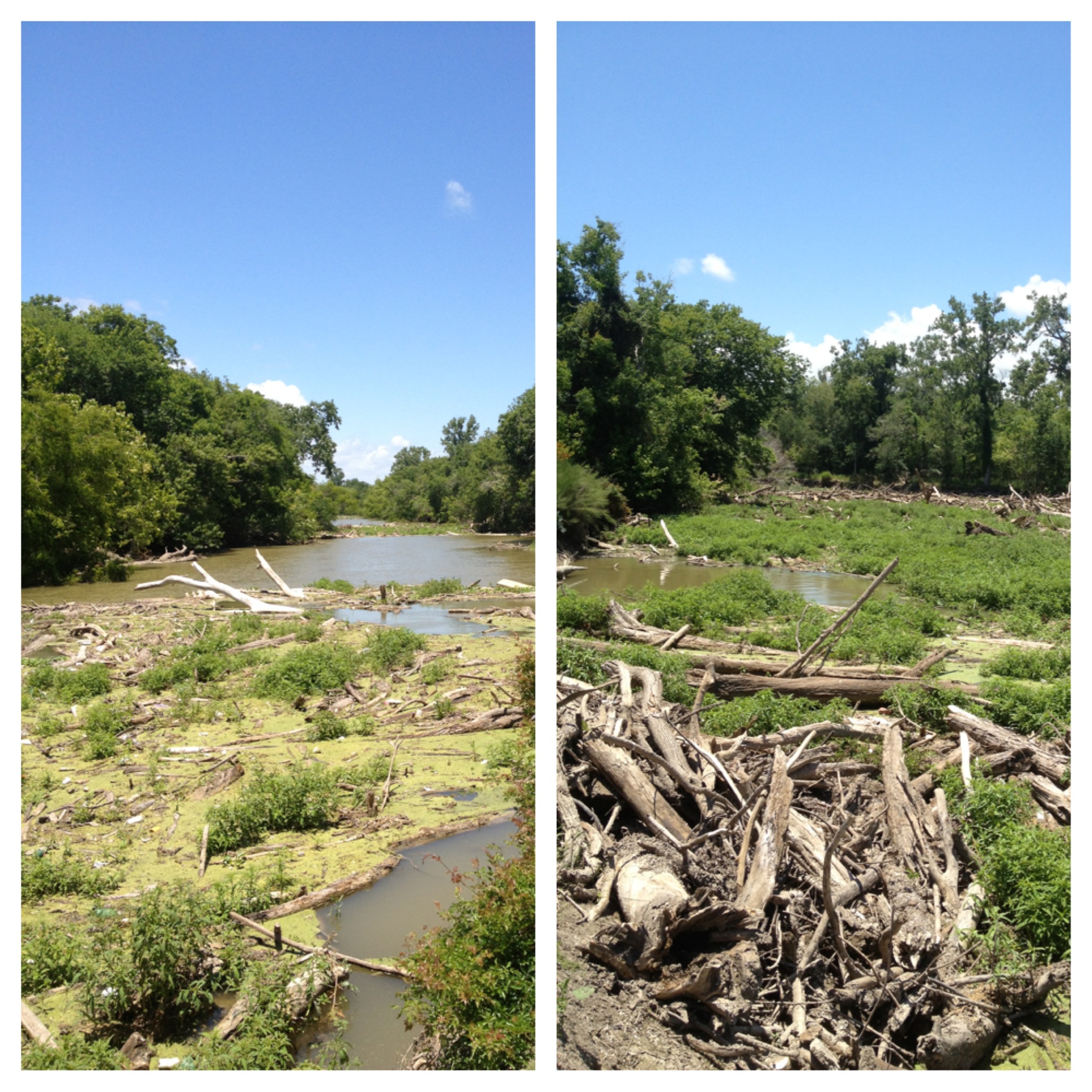
By the time I arrived home I had logged more than 4,000 miles on my truck. Now the focus of my sabbatical turns from highways to rivers as I make final preparations to compete in the Texas Water Safari with my son. After arriving home, Jonathan and I packed our gear and headed to the lower portion of the Guadalupe River to do a much-needed training run for me. These last 32-miles of the 260-mile Texas Water Safari are among the most technical of the course. Jonathan wanted for me to see and practice the portages at the infamous log-jammed sections of the river. Getting through this congested section of the river requires three long and exhausting portages. By the time we reach this section of the river during the race, we will have already paddled over 200-miles and will be quite a bit more tired!

As we approached the first log jam I could not believe my eyes. It was one thing to hear Jonathan describe this section of the Guadalupe River but quite another to actually see it. The tangle of logs and debris is so thick that the river is creating new channels around it. When we turned our canoe toward shore to do this first and longest of the three log-jam portages, we hopped out and stepped into thick and gooey mud — the kind that creates so much suction you have to pull hard just to get your foot out to take the next step, and the kind that creates so much suction that it pulls your shoes off your feet! Once we got past the mud we dragged our canoe almost a half-mile until we found the spot where we could get back on the water. This was followed by two similar portages, although not as long as the first.

After the log jam portages we continued to paddle toward the mouth of the river, the place where the Guadalupe empties into San Antonio Bay. This is the final and one of the toughest sections of the course — paddling across the bay and the deep barge canal toward the finish line at Seadrift, Texas. Jonathan and I pulled to the shore and put the spray skirt on the canoe before heading into the bay. We battled a head-wind and swells that made these final miles seem like the two-hour version of an eight-second bull ride. But, we made it across. Mission accomplished. I now have a better understanding of what this section of the course looks like and what it will take to finish these final 32 of the 260 miles.

After all of our training runs along different sections of the race course, I now know why the Texas Water Safari is billed as the world’s toughest canoe race. And, I would be lying if I wrote that I am not concerned and a little bit anxious. I have a new respect and appreciation for those who have finished the course and certainly want to be listed among the finishers his year. Barring no unforeseen emergencies along the way, I am confident I can finish the course with Jonathan. My daughter Niki’s responsibilities will be no less taxing as she and Cheryl meet us at the various checkpoints along the way to officially check us in and to refresh our water supply (we have to carry all of our own food and gear).

Once we got past the log-jam yesterday and continued our journey toward the Gulf of Mexico, the chorus of one of my favorite songs — On Mountains High — kept playing through my head. These words sum up my feelings about my life and ministry. The only regret that I want to die with is that I only had one life with which to praise, serve, and seek after God.

On mountains high I’ll praise your name,
In valleys low I’ll do the same,
As the river runs to find the ocean blue
My heart will always run to find you.

Thanks for following my sabbatical journey. I will spend much of the next few days in study and writing as well as getting ready for the Texas Water Safari.

Posted by: Omar C. Garcia | May 25, 2012

Road Trip Reflections

Pecos, Texas en route to McAllen, Texas

Today was the toughest day for me since starting my sabbatical and my road trip with my Dad, not because of the long distance that we drove, but because it is our final day together before I return home on Saturday. Dad and I have spent every minute of the last twelve days together and made new memories across more than 3,300 miles of travel across Texas, New Mexico, and Colorado. To say that I have been refreshed by our time together would be an understatement. These past days have done more than refresh me, they have nourished me to my very core. I have learned more about the Dad I have loved, respected, and admired my entire life. And I have learned more about myself and developed a deeper sense of gratitude to God for the ways in which He used my Dad to shape so much of my life.

When my plans for my sabbatical finally came together, I thought it interesting that my top three objectives all revolved around fatherhood. First, I determined that I want to spend time with my heavenly Father and to seek His face as well as His wisdom concerning several aspects of my life and ministry. Second, I also made plans to spend time with my earthly father and to enjoy fellowship with him. Finally, I reserved the latter days of my sabbatical to do Dad-stuff with my own son and family, specifically the Texas Water Safari marathon canoe race. When I considered my plans I could not help but reflect on the fact that the first mention of the word love in the Bible is in the context of a father’s love for his son, specifically Abraham’s love for Isaac (Gen. 22:2). And, the first mention of love in the New Testament is also in the context of a Father’s love for His Son (Matt. 3:17). Matthew used the word “beloved” which means “greatly loved.” I like that very much.

I am extremely blessed to be among those who can say with all certainty, “I am loved by my father and I have never doubted his love.” From the time I was a kid my Dad has called me “mijo” — a combination of the Spanish words for “my” and “son.” However, to those of us who speak Spanish, this is an affectionate term, a contraction that conveys more than the idea of “my son.” It more accurately conveys the idea of “my beloved son.” Mijo is a tender term of endearment. I still love it when my Dad calls me “mijo.” It is a very comforting and reassuring thing to me, even at 56-years of age.

I can also say with all certainly that I love my son (and my daughters). My love for my son became all the more real to me through a dark, prodigal period in my son’s life. I felt absolutely helpless, so I prayed and fasted for forty-two days for my son. The few people who know what that time was like for our family can tell you that I not only prayed, I also talked to the Devil a lot during those days. I told him that he had chosen to mess with the wrong Dad and that there was no way that I was going to let go of my son. My wife and I kept Jonathan tethered to life through our prayers and fasting. Some day Jonathan and I will share our story together to encourage those who are struggling and grieving over a prodigal child.

Finally, regardless of what kind of relationship you had or have with your father, you can be certain of this, God loves you. I can certainly confess that as an earthly Dad I have missed the mark in so many ways and still do. However, it is comforting to know that our Heavenly Father always gets things right. We can live with the assurance that He loves and cares for us in ways we will never fully understand on this side of heaven.

As I move on to the next phase of my sabbatical adventure, I look forward to the time I will get to spend with my son Jonathan and with my daughter Niki during the Texas Water Safari. My youngest daughter Gina will be our prayer support from Malaysia and my wife Cheryl will assist Niki. Jonathan and I both understand that the time we will spend together in a canoe on 260 miles of Texas rivers is possible only because of the logistical work of our team captain, Niki. She did an amazing job in her role last year and we are thrilled that she will serve as our captain on this year’s race. Stay tuned for more as we make our final preparations for the race over the coming days.

Posted by: Omar C. Garcia | May 25, 2012

The Chiaroscuro of Life

Leadville, Colorado en route to Pecos, Texas

The first camera I used when I ventured away from home was my Dad’s Zeiss Ikon Contessa camera that he had purchased in Germany before I was born. He taught me how to set f-stops, adjust the aperture, select film speed, focus the lens with the range-finder, and all sorts of technical things I needed to know in those days before point-and-shoot cameras. I took hundreds of photos (mostly slides) with that camera before I purchased my own camera years later. Dad also taught me the basics about composition and how to look for and set up interesting shots. All of those memories have surfaced as I have watched and listened to Dad as he takes photos on our road trip. It’s been fun listening to him talk excitedly about how he wants to set up a shot — things like what he wants to include and the best angle and the impact the light will have on the shot and all of those things he talked to me about when I was so much younger.

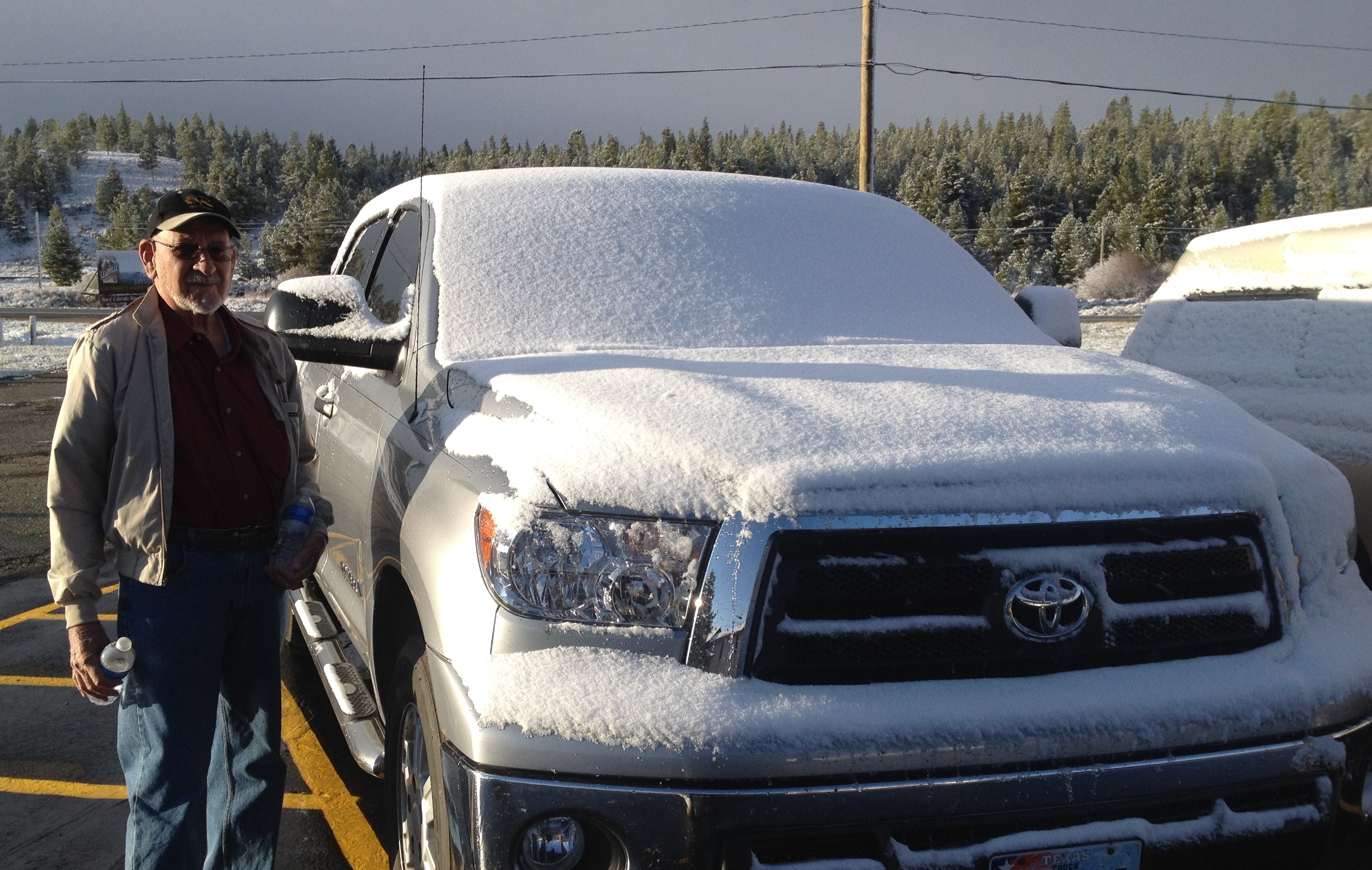
When we walked out of our hotel room in Leadville, Colorado yesterday morning, we were pleasantly surprised to learn that it had snowed the night before. As we made our way south toward Salida, the same vistas we had seen the day before were even more interesting and beautiful because of the snow. Dad took a whole new set of photos. As he did, we got into a brief discussion about chiaroscuro — how gradations of light and shade create drama and definition and how these contrasts can also give depth and distinction to a particular scene. Photos would be rather bland without elements of contrast to make them interesting. The snow also promoted Dad to tell me the story of the first time he saw snow as a young man in Oberammergau, Germany in 1951. That story filled in one more little detail about my Dad’s life. It was like a slender ray of light that illuminated and gave just a little more definition to his life.

As we drove farther south and out of the snow, I had lots of time to think about contrasts and about the things that make our lives interesting — the chiaroscuro created by good days and bad, our ups and our downs, and those bits of information about us that are like rays of light that help others to see or understand or appreciate us in a new way. These are the things that give depth and definition to our lives and make them interesting. Our lives would be rather bland if all of our days were sunny and good. God uses dark days and so many other things like the snowfalls and storms and droughts that come our way to add interesting contrast and to accentuate the beauty of our lives. So, no matter what comes your way, remember that God uses the light and the shadows to give depth and definition to your life so that when others see you they will better understand and appreciate who you are.

Posted by: Omar C. Garcia | May 23, 2012

On Fathers and Sons

Mesa Verde to Leadville, Colorado

I am fortunate to be married to a wonderful woman. A few months ago when I was working on plans for my sabbatical, Cheryl and I discussed several options that we felt would help me to find rest and renewal. We finally settled on something that we thought would be just perfect for me. Cheryl encouraged me to spend time with my Dad and with my son, in addition to pursuing some other personal growth and renewal objectives for my sabbatical. I can’t begin to express how grateful I am for the way Cheryl has encouraged me through this whole journey. I have enjoyed sharing with her every evening about my time with Dad.

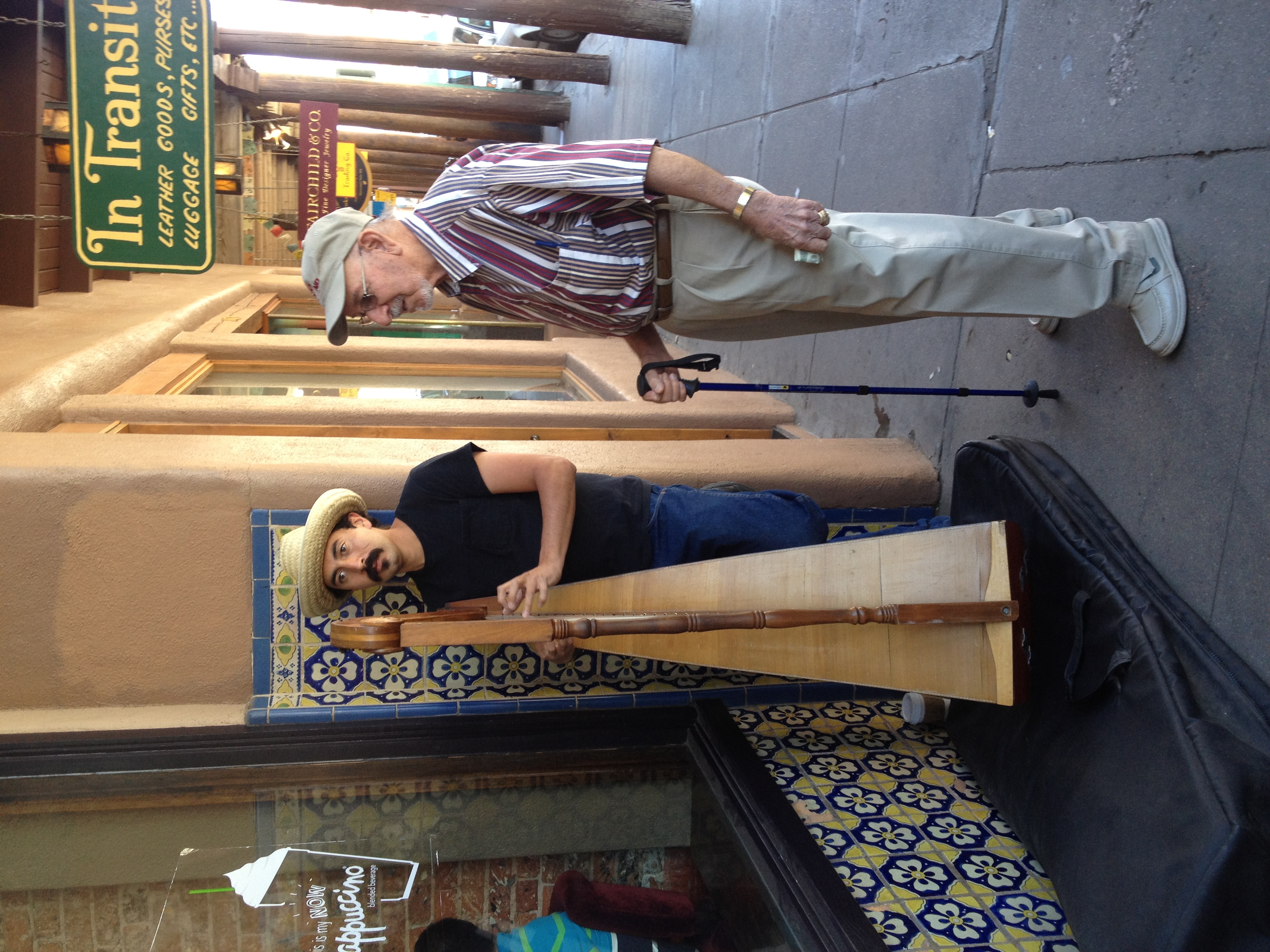
Today, Dad and I drove eight of the most scenic hours on our road trip. Every mile of the way was filled with the most beautiful vistas. As we drove down the Million Dollar Highway between Silverton and Ouray, Dad must have taken three-hundred pictures. He could not stop exclaiming about the beauty of the scenery. Just watching him enjoy himself kept a smile on my face. And then to make the day even better, my cousin Bob Havice drove down from Steamboat Springs to have dinner with us in Leadville. Bobby has been a personal hero since I was a kid. He is an outfitter, ski instructor, and movie stuntman (he was in the latest release of Planet of the Apes). We had a great evening with Bobby. I was deeply moved when he kissed my Dad on the forehead and embraced him as we said our good-byes.

Today, however, is special for another reason. Twenty-eight years ago my son Jonathan was born. Cheryl and I chose to name our son Jonathan because it means “gift from God” in Hebrew, and also because Jonathan is one of our favorite guys in the Bible. We consider Jonathan a gift from God. After I drive Dad back to his home, Jonathan and I will begin our final preparations for the Texas Water Safari in June. I am thrilled beyond words that Jonathan has allowed me the opportunity to participate in four marathon races with him over the past year and asked me to compete in the world’s toughest canoe race with him. I was chatting with a guy from Australia at Mesa Verde and told him about the canoe race. “Why would you want to do something like that?,” he asked me. “Because I love my son,” I replied. And, another great thing about the Texas Water Safari is that my oldest daughter Niki will be our team captain and my wife Cheryl will assist. Gina has promised to pray for her Dad and brother from Malaysia. It will be a family affair. Happy Birthday, Jonathan. I love you!

Tomorrow, Dad and I will begin the two-thousand mile trek back to South Texas. I appreciate each of you who have followed our journey and offered words of encouragement. In addition to my blog posts, I have recorded so many other things about this experience that will serve me for a lifetime. I feel a thousand percent more refreshed and rested than when I started my sabbatical. And even though the Texas Water Safari will be a physically grueling experience, it will be worth it all because of the opportunity to share the experience with Jonathan and our family. I am blessed indeed to have had this time with my Dad and will treasure it for a lifetime. I look forward to the next phase of my sabbatical adventure with my son and my family.

Posted by: Omar C. Garcia | May 22, 2012

What Remains Behind

Mesa Verde National Park, Colorado

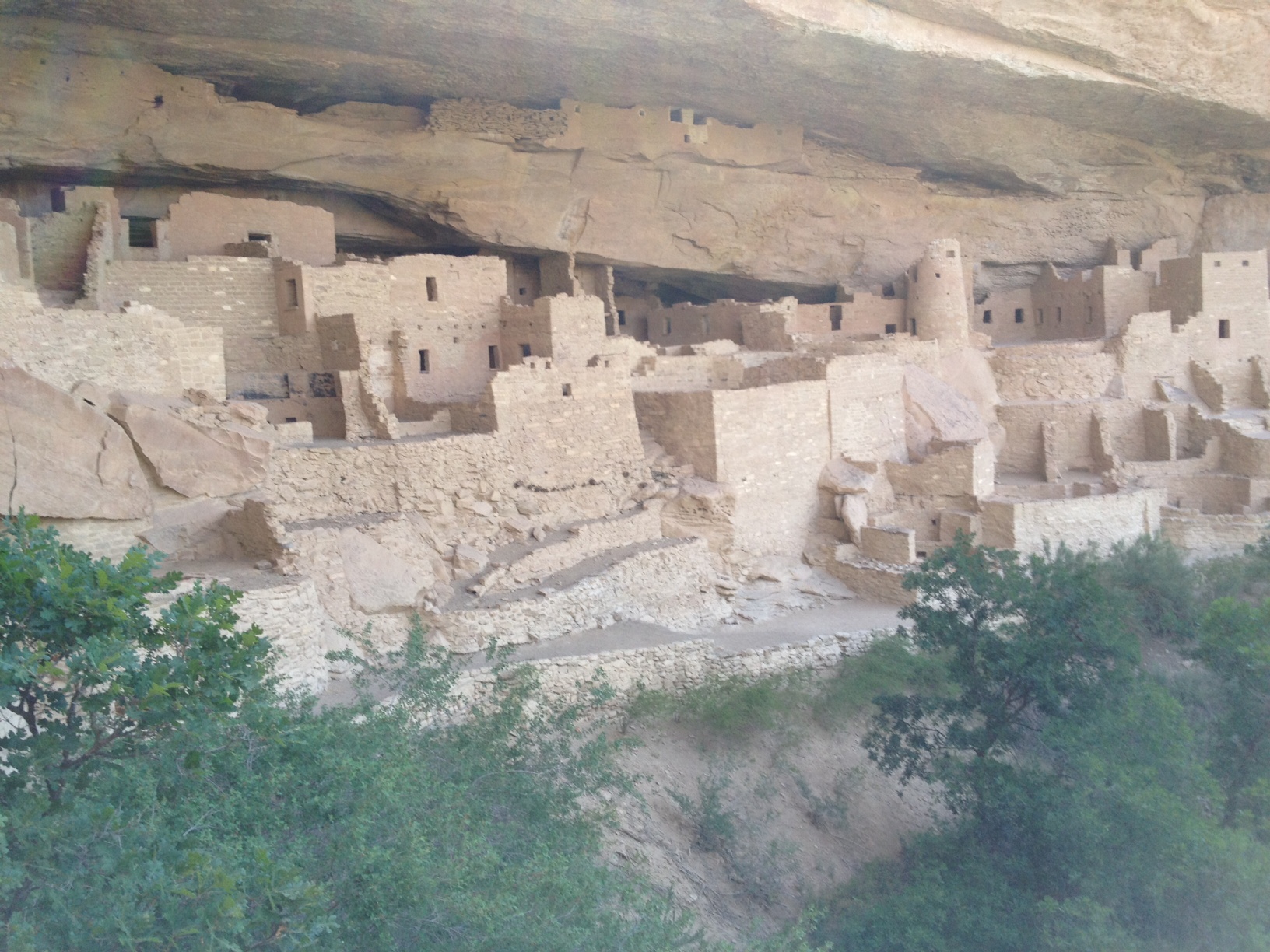
For more than 700 years, the Anasazi people, also referred to as Ancestral Puebloans, lived and flourished in a place called Mesa Verde in the southwestern part of what is now Colorado. The Anasazi were remarkably resourceful people who learned to use the natural resources available to them in the Mesa Verde region. They survived on a diet of corn, beans, and squash and learned how to find and preserve water in the hostile canyon environment. The Anasazi also built elaborate communities in the sheltered alcoves of canyon walls. What remains behind is a testimony to theirs skill as builders. The walls of their cliff dwellings are straight and true and the interiors extremely functional and well thought out. Everything the Anasazi did served a purpose — survival in a tough environment. However, in the late 13th-century, the Anasazi left their homes and moved away. Some speculate that they were forced to leave because of a severe and long-lasting regional drought. While we may never know for sure why their abandoned their homes, we can be certain of this, what remains behind is evidence that they built their homes with great care and consideration for the safety and survival of their families.

Dad and I spent all day today visiting the ancient ruins of the Anasazi. This is my second visit to Mesa Verde so I was delighted to take Dad to all of the premier sites in the park. Throughout the day we could not help but talk about how these ancient people learned to use everything at their disposal to help them survive and thrive. I thought it interesting that one park ranger said that their efforts to patch some of the places in the ruins in need of repair have failed. So, the park service has been experimenting with various mortar mixtures used by the Anasazi to do repair work on the ruins. “Their methods were obviously better than ours,” she commented. “After all, the particular materials they used have survived for more than 800 years.” That is just one more thing that points to just how smart these ancient people were. There is no question that life in Mesa Verde was hard, but what remains behind shows that the people who lived here actually thrived until forced to leave by factors beyond their control.

I have thoroughly enjoyed our time in Mesa Verde because I am always interested in learning more about people like the Anasazi — ancient people who lived on the edge, both figuratively and literally! There is much that we can learn by studying what others have left behind. Among other things, ancient people like the Anasazi remind us that people through the centuries have cared about the same things that concern us — things like the safety and survival of our families and intentionally passing our values on to the next generation. Today I have been challenged to think about what I will leave behind and whether it will be as enduring as the cliff dwellings of the Anasazi. If that is to happen, then I better make it a point to mix my mortar just right and to make sure that my walls are plumb. If I fail to do at least that much, then what I leave behind will have no enduring value.

Posted by: Omar C. Garcia | May 21, 2012

Names That Stick

Santa Fe, New Mexico en route to Mesa Verde National Park, Colorado

For anyone who happens to have a particular interest in names, New Mexico and Colorado have more than their share of places with interesting names. The names of so many places in these two States can be traced back hundreds of years to the days of the early Spanish explorers who gave them their monikers. This morning Dad and I drove down Cerrillos Road to visit San Miguel Church on Old Santa Fe Trail before heading out of town via Paseo de Peralta. On our way to Colorado we drove past villages with names like San Felipe and towns with names like Aztec. Once we crossed the border into Colorado we drove past the beautiful Rio de las Animas Perdidas (River of Lost Souls) on our way to Durango (from a Basque word translated “water town”), the county seat of La Plata (Silver) County. From Durango we headed west to Mesa Verde (Green Table) National Park where we will visit the Anasazi ruins.

Because my Dad and I are both interested in names, we could not help but talk about all of the interesting place names along our route. All of this talk about names got Dad to reminiscing about the nicknames of kids he grew up with in the small south Texas town of Mission. He told me that the kids tagged with nicknames were soon known all over town by those particular names. He told me the story of “Beto (Roberto) el Pelon” or “Robert the Bald.” After a particularly bad episode with lice, Roberto’s mom shaved his head. From that time on he was known as “Beto el Pelon.” And then there was the kid named “El Chicle” (The Gum) because he always chewed gum at school. A kid who was a good swimmer was called “El Catan” (a name of a fish). I particularly liked the story of “El Gozon” or “The Joyous Kid” — so named because he was always in good spirits. There are so many more names I jotted down but you get the idea. The names that each of these kids was given by friends and family stuck, even into adulthood, just like the names that the early Spanish explorers gave to so many places in the Southwestern United States.

Thinking about how places and people get tagged with particular names reminded me of the first encounter between Jesus and a fisherman named Simon. When Simon’s brother Andrew introduced him to Jesus, Jesus saw something in him that others could not see. As a result Jesus gave Simon a new name, a nickname that stuck. Jesus told Simon that He would be known as Peter, a name that means “rock.” Jesus did not give Simon that name because he was already a rock but because Jesus saw in him the potential to become a solid and dependable individual. It took time for Peter to demonstrate any rock-like qualities but eventually he did become the man that Jesus had envisioned he could become. Talking and thinking about names today has also caused me to reflect on what new name Jesus might have for me. Would it be a name suggested by a particular character trait or flaw or something accomplished or yet to be accomplished? I don’t know. But I do know that I will be known and remembered for something — we all will. It’s up to me to make sure that when someone hears or sees my name that I am known and remembered for the right things and for having faithfully served the purposes of God in my generation. I want for the name that sticks to me to be a good one!

Posted by: Omar C. Garcia | May 20, 2012

The Mysterious Carpenter

Santa Fe, New Mexico

I have visited Santa Fe several times over the past thirty years. Over those years I have also visited cities in almost forty countries around the globe — so when I tell others that Santa Fe is one of my very favorite cities I really mean it. There is so much history in this old city founded in 1610 at the foot of the Sangre de Cristo Mountains. I especially love the old churches throughout the area. This morning, Dad and I decided to worship at the Cathedral Basilica of Saint Francis of Assisi, founded in 1610 and situated in the heart of the city. Although I am not Catholic, I enjoyed the experience of worshiping with local folks as well as visitors from around the world. The music was fabulous and the message from the first chapter of Acts was actually quite good and very challenging. Unlike other old cathedrals-turned-museums that I have visited in other countries, the Cathedral Basilica is full of life and seeking to engage its community for the glory of God.

After worship, Dad and I walked over to Loretto Chapel, an old church with a fascinating history. A design flaw was discovered when the chapel was nearing completion in 1878 — there was no way to get from the chapel floor to the choir loft. The Sisters of Loretto consulted local carpenters but, because of the height of the loft, they each concluded that a conventional staircase would take up too much room in the chapel below. Using a ladder or rebuilding the balcony seemed the only options, both unsatisfactory solutions. So, the Sisters of Loretto spent several days in prayer, seeking divine guidance. According to legend, a mysterious carpenter arrived on the final day of their prayer vigil. The only tools he had with him were a saw, a carpenter’s square, a hammer, and some tubs in which to soak wood. This carpenter designed and built a circular staircase to the choir loft. The staircase has 33 steps and rises 20-feet in two full 360-degree turns with no visible means of support. It is held together by a system of square wooden pegs. It took this mysterious carpenter six-months to build the staircase and then he vanished without pay when he had finished his work.

The staircase is a marvel to behold. It is indeed a thing of beauty that confounds architects, engineers, and craftsmen to this day. But what I find even more beautiful is the fact that a man arrived in answer to prayer, performed an incredible act of kindness without any want of recognition, and then vanished as mysteriously as he had arrived. To this day no one knows the identity of the carpenter. Because the Sisters of Loretto had dedicated the construction of the chapel to their patron saint, Saint Joseph the Carpenter, some believe that it was Joseph who had come to answer their prayers. Theories and speculation aside, one thing is certain — an unselfish act of kindness and generosity by a mysterious carpenter continues to inspire awe and wonder. And because the carpenter wanted no recognition for himself, people through the years have given glory to God for the wondrous spiral staircase in Loretto Chapel. This is at least one of many good lessons we can glean from the story of the mysterious carpenter. Imagine what a better world this would be if we all did just one anonymous act of kindness.

Posted by: Omar C. Garcia | May 19, 2012

South of Somewhere

Carlsbad en route to Santa Fe, New Mexico

Dad and I have traveled more than 1,200 miles since we embarked on our road trip this past Tuesday. I have not only enjoyed every mile that we have traveled together, I have also enjoyed much-needed windshield-time on several long stretches of highway. Windshield-time is my way of detoxing from the almost 200,000 air-miles I travel in any given year. When Dad and I reviewed our route last night, we knew that today would be another day of travel across a vast stretch of New Mexico. We got up early enough but had a late start because of two nails in one front tire. And then, after having the tire repaired, we stopped to get my truck washed by a group of church kids trying to raise money for a trip. It was the best and worst twenty bucks I have spent. The kids managed to rearrange the dirt and bugs on my truck making it look worse after the wash than before. We had a good laugh about it and concluded that God really wanted us to invest in their trip.

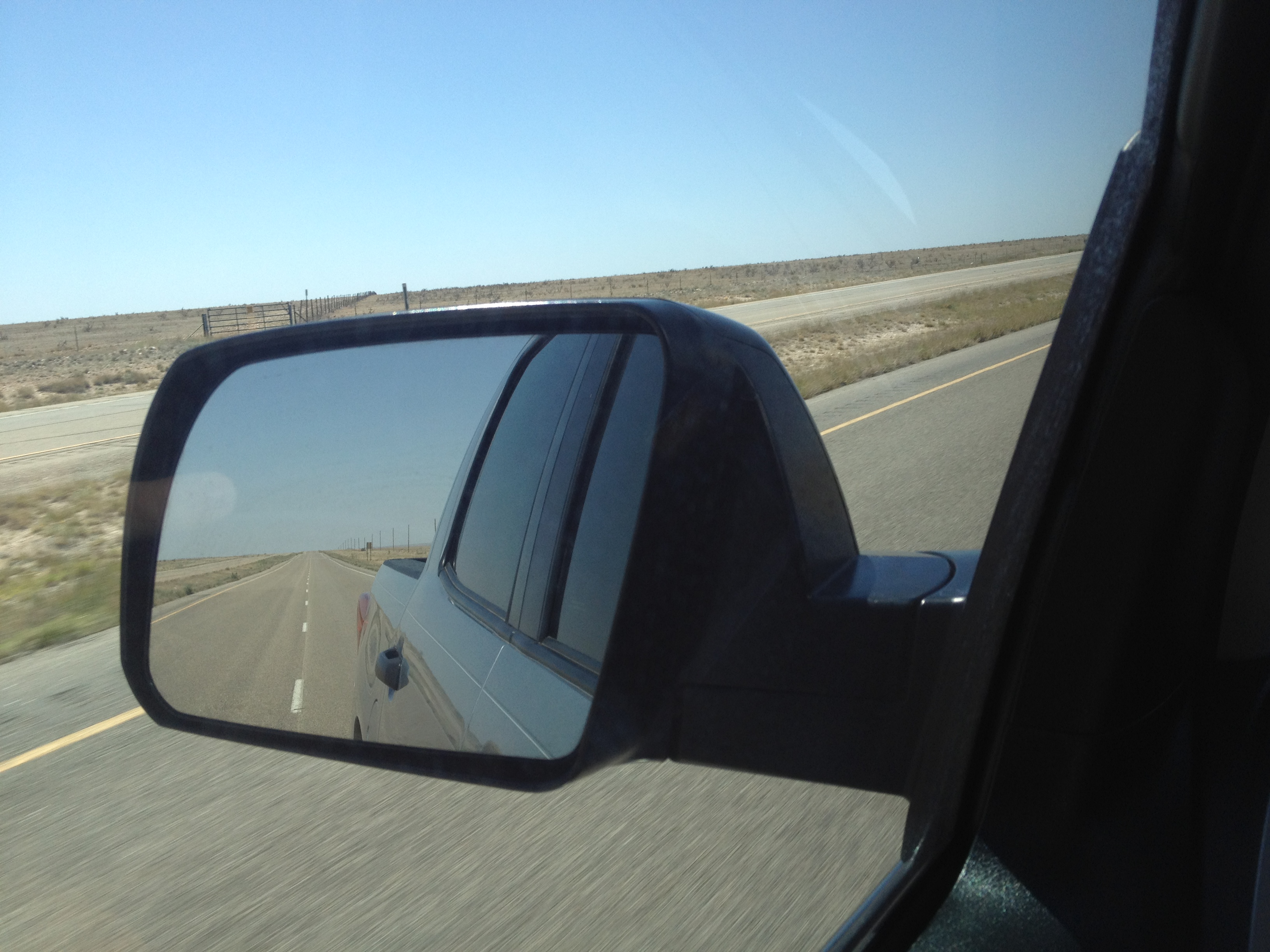
After traveling through Roswell, we knew that we had almost four-hours of nothing but highway before us. Since there was nothing really interesting to see I encouraged Dad to take a nap. As Dad rested, I had lots of time to reflect on some things and to pray about others. That’s one of the benefits of windshield-time. Looking at the highway stretch as far as the horizon in front of and behind us, it felt like we were North of Nowhere and South of Somewhere — in an in-between kind of place. Life is full of the kinds of stretches where we find ourselves between here and there, between what was and what may be. These can easily become some of the most discouraging times on our journey or some of the very best times. What we do in those times and with those times is largely up to us. I personally like in-between times because they offer us the opportunity to consider or reconsider so many of the things that have a bearing on our lives.

Today has been a bittersweet day of reflection because it is my late mother’s birthday. Dad and I talked a lot about Mom today as we traveled those long miles between Carlsbad and Santa Fe. My sisters called to tell us that they had placed fresh roses at Mom’s grave. My brother also called to chat about Mom. We all still deeply miss her but are thankful for her influence in our lives. I personally thought a lot about Mom today on that long stretch of road South of Somewhere. I could not help but think of how pleased she would be that Dad and I are spending time together on this road trip. I also thought about something else today — about the fact that the in-between times will come, and when they do it’s always better to have someone with you. It makes the journey a whole lot better.

Posted by: Omar C. Garcia | May 18, 2012

Happiness at Happy’s

Carlsbad, New Mexico

One thing I enjoy most about a road trip is finding interesting places to eat along the way. I’m not talking about the familiar big-name fast food places but about those easy to overlook places where local folks like to eat. After checking in to our hotel in Carlsbad, I asked the front desk clerk to suggest a place to eat that was a favorite among locals. He suggested that we eat at Happy’s, conveniently located less than a mile away. I figured that you can’t go wrong eating at a restaurant called Happy’s, so Dad and I headed there for a quick bite before going to see the flight of the bats at Carlsbad Caverns. As soon as we walked through the door a waitress warmly greeted us with a “Ya’ll come on in and sit anywhere. We don’t bite!” Another said, “Hey guys, the menu is up there on the wall. Just tell me what you want when you’re ready and we’ll get it right out to you.” That’s all it took to convince me we were at the right place.

After we ordered Dad asked one customer what he thought of the food. “Better than good!,” he replied while continuing to chew on a mouthful of food. Dad and I ordered burgers and fries, but I ordered the Jumbo Burger. I can now tell you that Jumbo is a relative term. When the waitress brought our burgers to the table my jaw dropped open like a cheap suitcase. Jumbo at Happy’s means a burger that is somewhere between 8 and 10 inches in diameter stuffed with enough meat to feed a little league team. A local seated at the next table looked over and smiled. I swear that this guy was the spitting image of Goober from the Andy Griffith Show and just as friendly. No kidding! He laughed when I said to him, “This burger is huge!” He looked at me and said, “Yuuup!” followed by “First time here?” I nodded affirmatively. “Just wait till you see my chef’s salad!” He wasn’t kidding. His salad was a quarter the size of his table. “Now, that’s a salad,” he said with a wide grin as he smothered it in Ranch Dressing.

Long story short, we lingered at Happy’s because the food was indeed better than good — and so were the people. It was fun eating at a place where local folks are known by name, where everybody who walks in looks at you and says, “Hey there, how you doing today?”, and where new guys like us are called “Honey” and “Dear” by the waitresses. This is the kind of small town stuff that makes small town living a bit enviable. The pace of life is slower, people actually know one another, and the folks who run local businesses seem to genuinely care about their customers. Happy’s is now officially on my list of favorite places to eat. We got more than our money’s worth in terms of the food. But, we got more than that. We actually enjoyed a bit of unexpected happiness at Happy’s.

« Newer Posts - Older Posts »

Categories