The front porch, once an essential architectural feature of homes, has become a thing of the past. In the days before the twin sirens of air-conditioned comfort and television lured families into their homes, the front porch was the gathering place — the spot where families cooled off on hot summer nights and actually conversed with one another before going to bed.
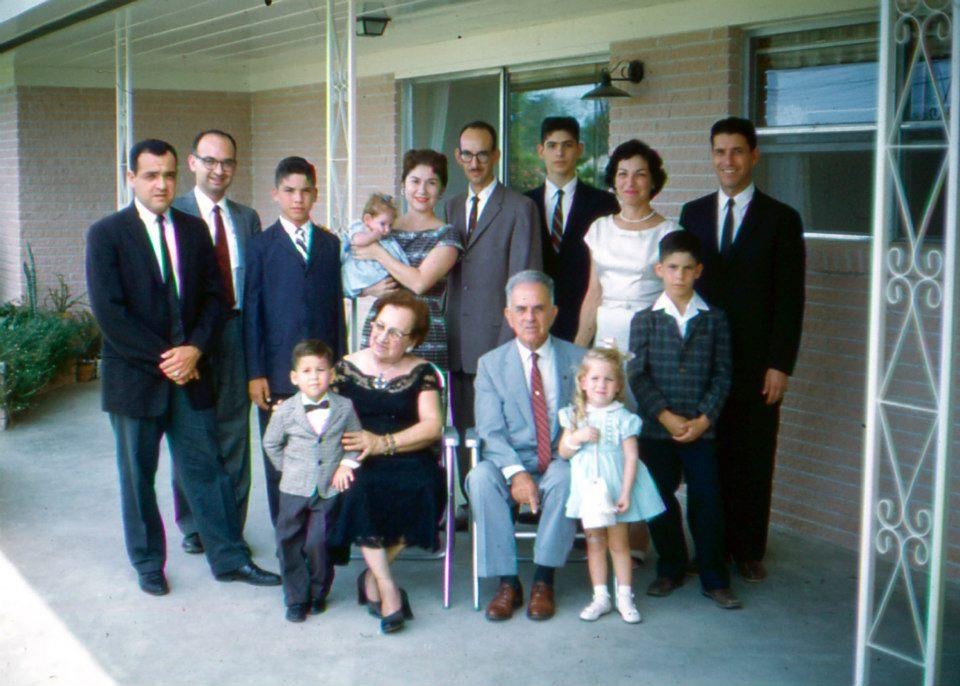
With my grandparents on their porch. That’s me wearing the bow tie!
The first home I lived in when I was growing up in South Texas had a porch that spanned the length of our home. And when my grandparents built their new home, they included spacious porches on both the front and back sides of the house, each suited for different parts of the day. I have more memories than I can count of sitting on the front and back porches with my grandparents in the evenings. I learned a lot about a lot of things from them while sitting on those porches.
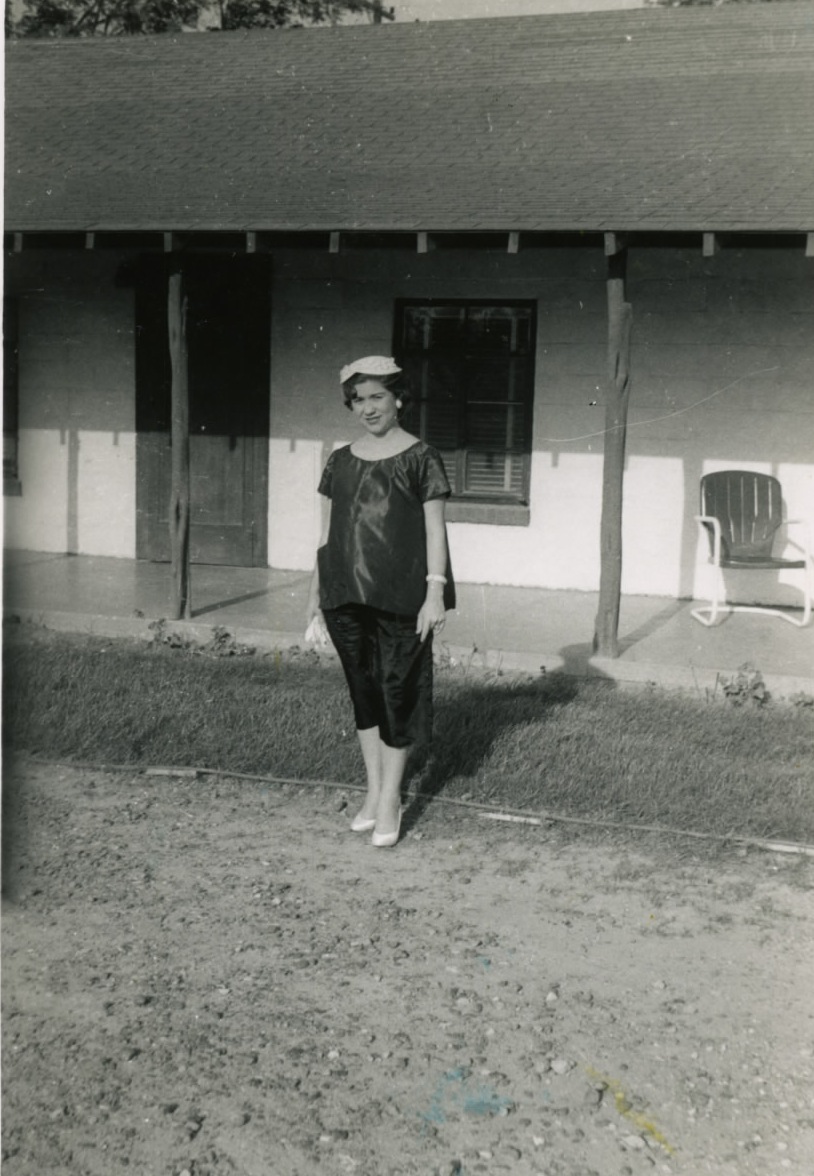
My Mom, pregnant with me, standing in front of our porch.
This past Sunday afternoon, my youngest daughter Gina and I set off on a little Texas backroads adventure. Armed with our cameras, we drove down long two-lane roads and stopped to take photos of old homes. The common feature of each of these now-abandoned homes was the front porch. It was not hard for me to envision what life must have been like for the families who once called these places home — folks just sitting and chatting at the end of long days, watching the sun set from their front porches.
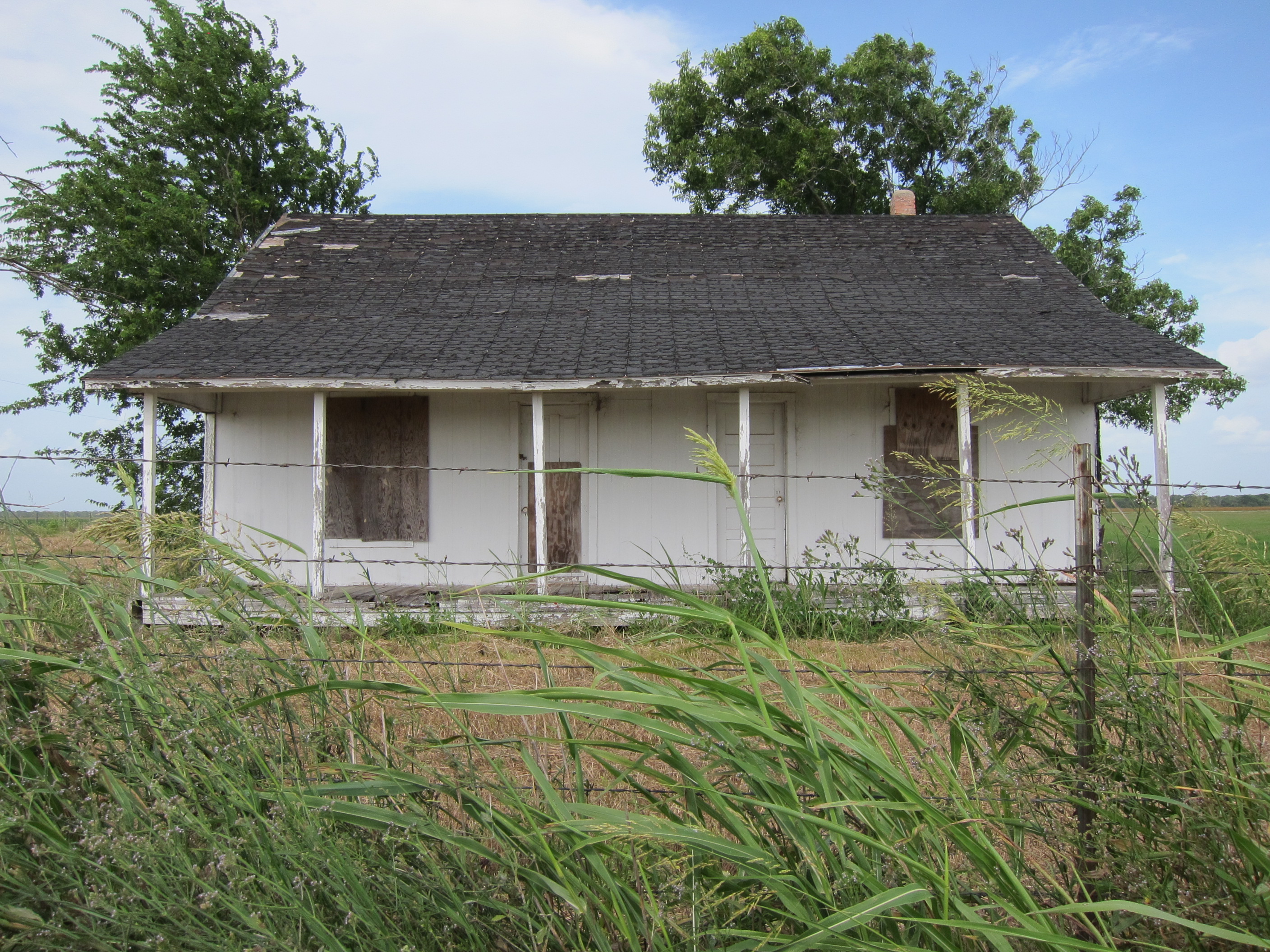
One of the abandoned homes that Gina and I drove past on our road trip.
I think that we lost something special when we abandoned our front porches and opted to do all of life inside of our comfortable homes. The conversation and interaction of years gone by has been replaced by high-definition television and smart phones that have dumbed us down in so many ways. These devices think for us more than we think for ourselves and distract us from the people who share the same living space with us.
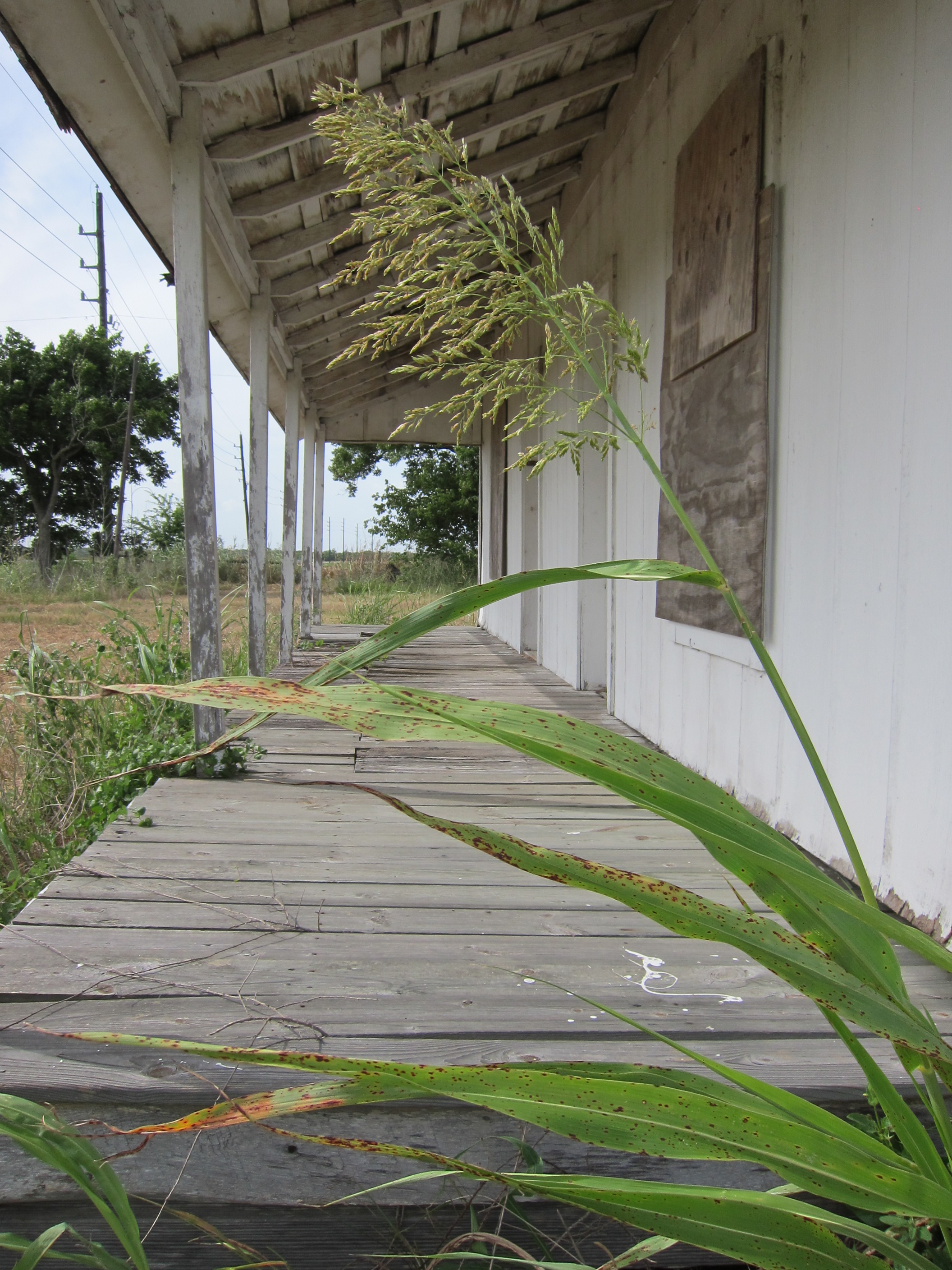
I wonder who sat and conversed on the front porch of this now-abandoned house.
Please understand that I am not against progress. However, reflecting on the role that the front porch once played in my life just makes me wonder about what I have given up in exchange for progress. Maybe it’s just that I am becoming more nostalgic the older I get. I do however, believe that we need to somehow recapture the essence of front porch living as modern families. Perhaps that means turning off the stuff more often and actually conversing with others, the old-fashioned way of doing face time!
I am grateful for the years that I spent with my grandparents on their front porch. When I close my eyes I can hear their voices, smell the cool grass, feel the summer breeze, and envision the night sky. It didn’t matter to us that we did not have air-conditioning in those days and that there was not much to watch on television. We had something far better — a connection with one another made meaningful because of the time we spent together on the front porch.



















 Go Beyond