Posted by: Omar C. Garcia | January 10, 2011

Our Connected World

We live in a connected world in which air travel gives us access to every location on the planet. Over the years I have watched flight schedules and routes grow at an exponential rate. That’s a good thing because every new route provides increased access to peoples who live in places with little or no access to the gospel. But, air travel is just the first part of the adventure. Once in country, I often have to employ other travel options to get to my final destination — including trains, buses, ships, boats, jeeps, cabs, motorcycles, horses, rickshaws, and traveling on foot. I have traveled over good and bad roads, over frozen tundra and ice-covered lakes, across deserts, over mountains, through forests, and down rivers. It sometimes takes creative logistical work, but it is possible to get to any place on the planet.

Our world is also getting more virtually connected as well. A few months ago my friend and Kingsland member Jeff Thompson approached me about mobilizing people to travel virtually by serving as online missionaries with Global Media Outreach. Global Media Outreach, or GMO, recruits online missionaries to interact with people from all over the world who have either made a first-time decision for Christ, recommitted their lives to Christ, or are interested in learning more about what it means to follow Christ. Last year, GMO recorded more than fifteen-million decisions for Christ by people who had visited their gospel-presentation websites. So, I followed Jeff’s lead and signed-on to serve as an online missionary and I absolutely love it. Serving as an online missionary allows me to travel even when I am home. Every day I have the opportunity to help and guide people from all over the world toward faith in Christ. At the present time, I am interacting with more than two-hundred people who have made decisions for Christ.

Over the past months, a few of our Kingsland members have also joined our online missionary team to help us learn more about what it means to be a virtual traveler. In the brief time that we have served together, we have replied to more than fifteen-hundred e-mails from people all over the world who indicated a decision for Christ. We are convinced that in addition to actually traveling to physical locations around the world to work with our partners, we must also travel the virtual world to share the gospel. Our missions ministry is now ready to expand our online missionary team. If you are interested in learning more about what it means to be an online missionary or how you can serve with us, please let me know. Join us as we go beyond to share the gospel and to encourage new believers from all over the world from the convenience of our own homes. You’ll love traveling the virtual skies of the online missionary world. No jet lag!
Posted by: Omar C. Garcia | January 7, 2011

Bigger-Picture People

Posted from Cha Am on the coast of the Gulf of Thailand

Being able to see the bigger picture is vital to the health and future of any endeavor or enterprise. Seeing and understanding the bigger picture is important because it provides both the context and framework for what we do from day to day. Challenges and obstacles can appear daunting unless we see them against the backdrop of the bigger picture. And, frustrations and setbacks can become debilitating apart from the perspective that the bigger picture can provide. The bigger picture is like a map or a schematic that can help us to understand and better appreciate the significance of the small things we deal with on a daily basis. It is what helps us to understand the relationship between what we do today and what happens tomorrow.

Bigger-picture people are valuable assets to the work of God’s kingdom. The Scripture records the contributions of bigger-picture people — both named and unnamed — who made a difference at strategic moments in the story of God’s love and pursuit of us. A study of these individuals reveals some key characteristics of bigger-picture behavior. Here are just a few of the characteristics displayed by some of the bigger-picture people in the Bible.

Bigger-picture people are willing to take risks. | When the Apostle Paul’s life was threatened in Damascus, some unnamed individuals helped Him to escape by lowering him in a basket from a window in the wall (read Acts 9:23-25 and 2 Cor. 11:32-33). They risked arrest and possible punishment in order to help Paul. Had these individuals not been willing to hold the ropes for Paul, his story might have ended with his death in Damascus. Because bigger-picture believe in a cause greater than themselves, they are willing to take risks for that cause.

Bigger-picture people are not always “big” people. | Being a bigger-picture person is not something reserved for those who hold big and important positions. Some of my favorite bigger-picture people in the Bible are unnamed individuals who got caught in the spotlight of Scripture for only a few fleeting seconds but who made an important contribution to God’s work. Case in point: the men who escorted Paul from Berea to Athens when Jews from Thessalonica tried to silence Paul (read Acts 17:1-15). Imagine what might have happened if no one had been available or willing to help Paul get out of this tight spot.

Bigger-picture people don’t panic at the first sign of trouble. | Three days after the exodus from Egypt, the Israelites arrived at Marah. When they discovered that the water there was bitter, they began to grumble against Moses (read Ex. 15:22-27). This was the first of many times that the Israelites grumbled against their leader on their way to the Promised Land. While they grumbled at their apparent misfortune at Marah, Moses prayed and the Lord instructed him regarding what to do to make the waters there drinkable. Because Moses understood the ways of God (read Ps. 103:7), he was able to keep his cool in the face of a big problem.

Bigger-picture people think beyond their own generation. | Bigger-picture people are aware that we are always one generation away from paganism and therefore must equip the next generation to trust and serve God (read Ps. 78:1-8). They look for ways to cooperate with God in equipping the next generation to carry on His purposes after they are gone. And, bigger-picture people also look for ways to invest in kingdom-sized initiatives that will outlive them and continue to touch lives.

Bigger-picture people are faithful to the end. | Bigger-picture know that God’s work will continue even after they die. They therefore strive to serve and live in such a way that those who come after them will find them faithful and be either encouraged or convicted by their example. When Stephen, the first Christian martyr, was stoned to death by an angry mob, he never denounced his faith (read Acts 7). A young man named Saul witnessed Stephen’s faithfulness, later came to faith in Christ, and helped to spread the faith that Stephen had died for throughout the Mediterranean world.

Posted by: Omar C. Garcia | January 5, 2011

Wordless Wednesday

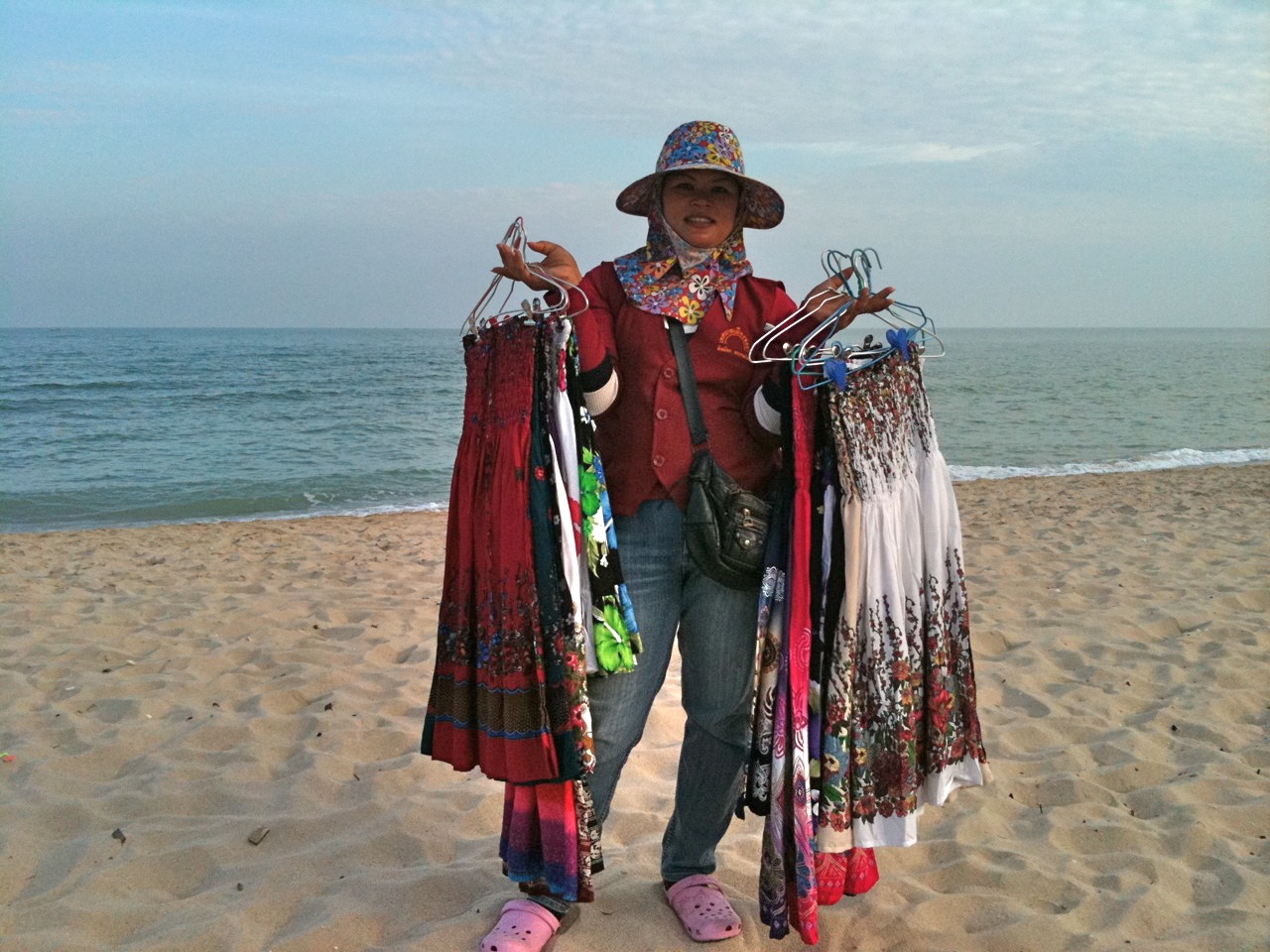
Garment seller on the beach. | Cha Am | Gulf of Thailand

Posted by: Omar C. Garcia | January 4, 2011

Praying It Safe

Posted from Cha Am on the coast of the Gulf of Thailand

With the new year only a few days old, I have been thinking deeply about the year ahead. Once again, I have resolved to live each day aware of the line that defines the farthest I’ve ever been and the most I’ve ever done for God and His purposes. And, I am determined to consider ways in which I can go beyond that line and, by so doing, allow God to redefine my personal spiritual landscape. I don’t want for the map of my life to look the same one year from now as it does today. But, in order for things to look different, I need to continue to go beyond, one step at a time, and to live adventurously for God. I need to continue to make certain that my dreams outnumber my memories — that I am always striving for what is ahead of me rather than allowing the satisfaction of past accomplishments to lull me into complacency and comfort.

In reality, it’s not that difficult to tolerate complacency or to find comfort in comfort. Staying on our side of the line that defines the most we’ve done for God and His purposes is like a ship remaining in a safe and comfortable harbor. However, God did not create us to stay in the harbor but instead to lose sight of the shore. The danger of choosing to play it safe is that eventually we begin to pray it safe — to order our prayers around what we think is best for us and asking God to minimize or eliminate any kind of pain or discomfort. Rather than pleading with God for the strength to make it through the storms, those who pray it safe ask God to help them find an easy way out of their difficulties. Instead of asking God what He wants for them to get out of their circumstances, those who pray it safe ask God to get them out of their circumstances. Instead of praying for what only God can do, those who pray it safe ask God for little things that they can easily manage and control without Him.

In the long run, playing it safe and praying it safe are the worst things we can do. A couple of years ago I posted a blog entitled Goldilocks Christianity in which I wrote that “many people find the commitment of Goldilocks Christianity to be just right. Goldilocks Christianity is fueled by lower-shelf commitment. It is powered by a commitment that is within reach but that does not require one to strain in order to grasp. It is characterized by a just-enough kind of commitment that makes no unsettling demands and stops short of being painful. It produces no martyrs, inspires no great deeds, and leaves no memorable legacy.” Goldilocks Christianity is all about playing it safe, praying it safe, and allowing our personal comfort to trump God’s purposes and plans for us. Determine that you will not pray it safe this year. Instead, ask God for the courage to step across the line that defines the most you’ve ever done for Him. Step across that line and experience what only God can do in and through you.

Posted by: Omar C. Garcia | January 3, 2011

What Might Have Been

Posted from Cha Am on the coast of the Gulf of Thailand

On the first day of this new year I posted a blog entitled Mountains of the Moon in which I wrote about going beyond — crossing the line that marks the farthest we’ve ever been and the most we’ve ever done for God and His purposes. Crossing that line is easier said than done and often means overcoming fears that tether us to everything comfortable and familiar. The reality is that it is easier to manage the familiar than it is to risk putting ourselves in positions where we have little, if any, control. Anyone can navigate the streets of their own neighborhood. However, it’s only when we go beyond our familiar routes and routines that we actually experience growth and make significant contributions to the kingdom of God.

There is a line in each of our lives that delineates everything familiar and manageable from new God-given challenges that await us on the other side of that line. God did not create us to spend a lifetime being content with what we’ve done and where we are. The Apostle Paul understood that contentment is the chief enemy of spiritual growth and maturity and accomplishing great things for God. That’s why Paul was committed to “forgetting what lies behind and straining forward to what lies ahead” (Phil. 3:13). Straining forward requires that we go beyond everything familiar in order to venture into uncharted territory. The price of failing to strain forward and to cross the line is costly for those on both sides of that line. It is costly for the people who live across the line from our comfort. They may never hear the message of Christ, never know any practical expression of His love, and never experience the beauty of His amazing grace if we choose to play it safe.

Failing to strain forward and cross the line is also costly for us. Only eternity will reveal what might have been if we would have had the courage to go beyond. German author Johann Wolfgang von Goethe wrote: “Hell begins the day God grants you the vision to see all that you could have done, should have done, and would have done, but did not do.” The good news is that we can avoid that kind of hell. Mark Twain offers this sage counsel: “Twenty years from now you will be more disappointed by the things you didn’t do than by the ones you did do. So throw off the bowlines. Sail away from the safe harbor. Catch the trade winds in your sails. Explore. Dream. Discover.” In these early days of the new year, I hope that you will think deeply about going beyond in the weeks and months to come. Dare to step across the line and to trust God to guide you and use you in ways you never imagined so that at the end of your life you will not live with the regrets of what might have been.

Posted by: Omar C. Garcia | January 1, 2011

Mountains of the Moon

The mystery of the source of the Nile River motivated explorers through the centuries to go beyond the charted lines on their respective maps into uncharted territory in search of answers. The earliest explorers believed that the Nile flowed from the Mountains of the Moon — a snow-capped mountain range known today as the Ruwenzori Mountains. European explorers James Grant and John Speke believed that the source of the Nile was not primarily in the mountains but rather in the African Great Lakes located in the Rift Valley. Henry Morton Stanley later found what he believed to be the mountains fitting the earliest descriptions of the Mountains of the Moon. These intrepid explorers and many others devoted years of their lives in search of the source of the Nile. That’s the nature of exploration and discovery — a willingness to go off the map and to venture to the places where few, if any, have ever been.

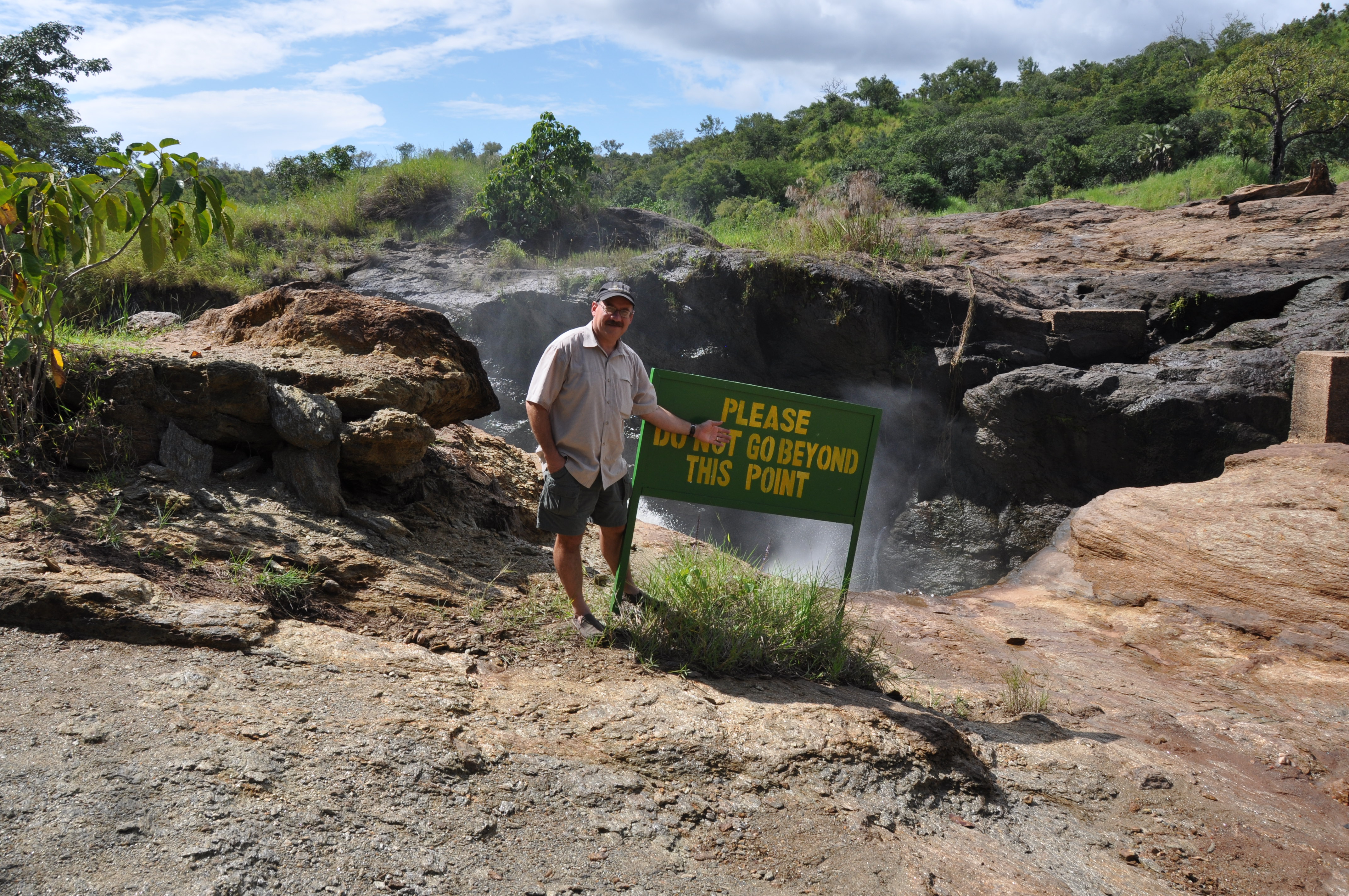
My first experience with the Nile River was in 2005 in Khartoum, Sudan. The White Nile and the Blue Nile converge at Khartoum to form the Nile River that flows north through Egypt into the Mediterranean Sea. Seeing and stepping into the waters of the Nile stirred something within me — a sense of the great history associated with this river. A couple of years later I visited the source of the Nile at Jinja, Uganda and baptized several new believers there, making the Nile an important part of my own history. Last year I returned to Murchison Falls where the Nile squeezes through a narrow cleft in the Rift Valley escarpment and plunges violently to the valley below. It is an amazing, dangerous, and frightening vista. Park officials have posted a sign at the top of the falls warning of danger: Please Do Not Go Beyond This Point. That’s not bad advice considering that there are no barriers to keep the curious at a safe distance from the slippery edges of the falls.

The sign at Murchison Falls got me to thinking about what it means to “go beyond” since that is the theme of my blog. The falls were discovered by Sir Samuel Baker who named them after Scottish geologist Sir Roderick Murchison. But, Baker had to go beyond in order to make his discovery. He had to leave the comforts and security of home in order to take his first steps to the blank places on the map. It seems that at every turn there are signs, many of our own making, that tell us to not go beyond a certain point, to keep a safe distance away, to stay on our side of the line, and to forsake risk for safety. However, great discoveries about places and people require that we go beyond, that we venture to where we have never been.

I hope that the new year will find you going beyond the boundary line on your personal map that marks the farthest you’ve ever been and the most you’ve ever done for God and His purposes. Determine to live adventurously for God this year. Remember that there will be no big surprises, no daunting challenges, and no discoveries if you play it safe this year. Crossing that boundary line will require a commitment to venture to places you’ve never been and the willingness to engage people you’ve never met. Only those with the courage to overcome their fears and who have the determination to persevere will dare to cross that line. All others will keep a safe distance away from it. Don’t do that. Go beyond, instead. Step boldly across the line in order to advance the interests of God’s kingdom in our world. Place yourself in a context where you will see God work in and through you in new and exciting ways, in ways you never imagined. Go beyond in 2011.

Posted by: Omar C. Garcia | December 30, 2010

A Personal Inventory

As the year draws to a close, it’s natural for us to look back and reflect on what has happened, and what we wish had not happened, in our lives. The end of the year is the perfect time to find a quiet place to sit and contemplate our accomplishments as well as our setbacks and failures — and to assess our walk with Christ. Doing so is important before we take our first steps into the new year or make any kind of resolutions. Here are a few things to consider as you look back over the past year and take a personal inventory of your life.

Be honest. | Have you been honest with yourself? It’s never a good idea to kid yourself. Be honest about how you have lived your life. Celebrate the good things and determine to change the things that were not so good. If there is anything that you have done or failed to do that requires you to make amends or to ask forgiveness, then do so. Don’t bring old baggage with you into the new year.

Be accountable. | Did you stay on track this past year? One of the biggest reasons we swerve off the path or get into trouble is because we do not allow others to hold us accountable for our behavior. Proverbs 27:6 offers good advice, “Faithful are the wounds of a friend, but deceitful are the kisses of an enemy.” If you have not already done so, give a friend permission to wound you in the new year.

Be specific. | Did you pay attention to little things this past year? Little things can make a big difference. All it takes is a tiny pebble in the heel of your shoe to alter the way you walk. And, often, all it takes is a small act of kindness to make a huge difference in the lives of those we meet along our journey. Consider how the power of small things can make a big difference in how you live your life in the coming year.

Be understanding. | Were you patient with others? Being patient and understanding of others is not always easy to do. Someone pointed out that patience is what we appreciate in the guy driving the car behind us and despise in the driver in front us. Determine to try to see things from the other person’s point of view. That does not mean that you will agree but it may help you to be a little more patient.

Be flexible. | Did you freak out when things didn’t go according to plan? Life is messy. Things do not always work out they way we hope they will. Factor that in to your thinking and determine to be more flexible. I often warn those that I lead on international trips that no matter how carefully we plan, things and schedules will change, often without warning. When that happens, I tell my team members to be prepared to be more than flexible — I ask them to be fluid.

Be realistic. | Did you get everything done? Remember that there are only so many hours in the day. Work hard but also work smart. Remember to keep your promises and give your employer an honest day’s work. And, if you have to put in a little extra time, then do it. Sometimes it’s necessary to do so to get a job done and it won’t kill you.

Be positive. | Did you complain a lot this past year? Then, stop it! Avoid complaining and negative chatter and gossip — the verbal equivalents of eating too many beans! Determine instead to eat more ice cream than beans this new year. It will make you and everybody around you much happier.

Be committed. | Did you honor your commitment to Christ this past year? The Apostle Paul cautioned the saints in Rome to not allow the world to squeeze them into its mold (Rom. 12:1-2). Don’t let that happen to you. Some Christ-followers have just enough of the world in their system to not enjoy Christ. Determine instead to live for Christ all year long. Be distinctive in your love and concern for others. Allow God to use you to care for those in need. Be Jesus with skin on.

Best wishes for a great New Year.

Posted by: Omar C. Garcia | December 29, 2010

Wordless Wednesday

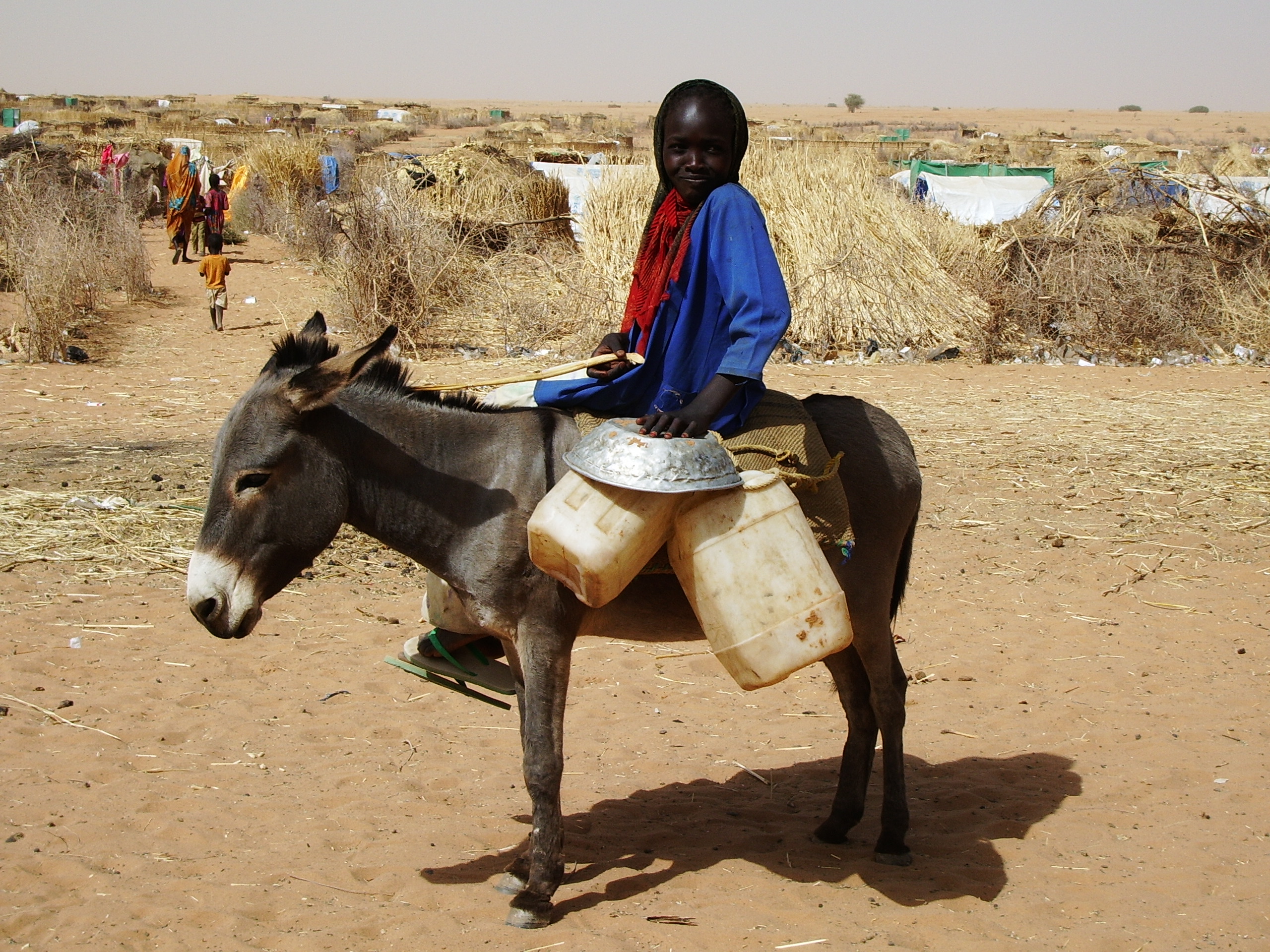
Fetching water at Zam Zam IDP Camp | Darfur, Sudan

Posted by: Omar C. Garcia | December 27, 2010

A Written Legacy

Tonya and her daughter Kira.

My friends Craig and Tonya LaTorre have waited for months to adopt a baby from Uganda. I have enjoyed following their adoption adventure on Tonya’s blog. Tonya is a prolific writer and an exceptional photographer. She was a member of a teaching team that I led to Uganda in October 2009. Not long after we returned home, Tonya and Craig, the parents of four boys, started the process of adopting a baby from Uganda. This month they officially completed the process of adopting a beautiful baby girl. They named their daughter Kira, a shortened form of the name Kirabo which means “gift” in the Lugandan language. What a great name! Kira is indeed a gift to the LaTorre family. And, the La Torre family is a gift to Kira. She now has a Mom and Dad and four big brothers who love her. The La Torre’s have also given Kira the gift of a future filled with great hope and opportunity. Theirs is a beautiful story of the power of love and the beauty of adoption.

There is yet one more gift that Tonya has unwittingly given to Kira — the gift of a written legacy of love. Tonya has recorded every detail of her family’s journey to adopt Kira on the virtual pages of her blog. You can sense the LaTorre’s love for this precious little girl in and between every line. And, Tonya’s photos add a warm dimension to her story. Tonya has done something very important for Kira by recording the story of how love took their family from the suburban neighborhoods of Katy, Texas all the way to the orphanage in Kampala where they found Kira. One day, Kira will regard Tonya’s words as a precious treasure. Tonya’s written legacy will always remind Kira of how love pursued and found her. And, perhaps Kira will one day sit and read her adoptive mother’s words to her own children. Tonya has done a very good thing for her sons and for her new daughter by leaving each of them a written legacy of love.

Since most people no longer write letters, we risk losing one of the most precious things that we can leave to the next generation — our words. That’s why I am thankful for the opportunity that blogging has given to parents and grandparents. We can use blogs to record family history and the ordinary and every day kind of stuff that defines families. We should not underestimate how the words that we leave behind can encourage and influence the next generation. I treasure the letters from my parents and grandparents and other family members that I have saved over the years. On occasion I get them out of the special place where I keep them and read them again. And, since my beautiful mom passed away, everything and anything in her handwriting has taken on greater meaning, significance, and worth to me. Her words continue to encourage and inspire me.

You don’t have to be a professional writer or even a good writer to leave a written legacy. You just have to be willing to write — to take the time to give expression to the things in your heart. Here are a few suggestions on how you can leave a written legacy.

Use the flyleaf of a book. | My grandfather recorded bits and pieces of family history on the flyleaves of the books in his library. And, he also wrote sweet notes on the flyleaves of the books that he gave to me and my siblings.

Write a letter. | Don’t let the convenience of e-mail, Facebook, or Twitter rob you of the opportunity to sit down and write a letter to someone you love. My parents kept the love letters they wrote to each other before they were married. These are a treasure to our family.

Keep a journal. | Keep a journal for each of your kids. Record the special as well as the ordinary happenings of their lives. Then, give each of your kids their journal when they leave home or when they get married or have kids of their own. They will be grateful to have this written legacy of love.

Make a scrapbook. | Use a scrapbook to feature photos, news clippings, school certificates, and other things that will give your kids a sense of their personal history.

Start blogging. | Blogs are a free and fun way to record happenings and to post photos. Be sure to keep an electronic copy of your posts on a back-up drive or print them and keep them in a notebook.

Regardless of how you do it, take an intentional step to leave your kids a written legacy that will be a source of comfort and blessings when they are grown and long after you are gone. A written legacy is a beautiful gift to leave for the next generation.

Posted by: Omar C. Garcia | December 25, 2010

Our Christmas Legacy

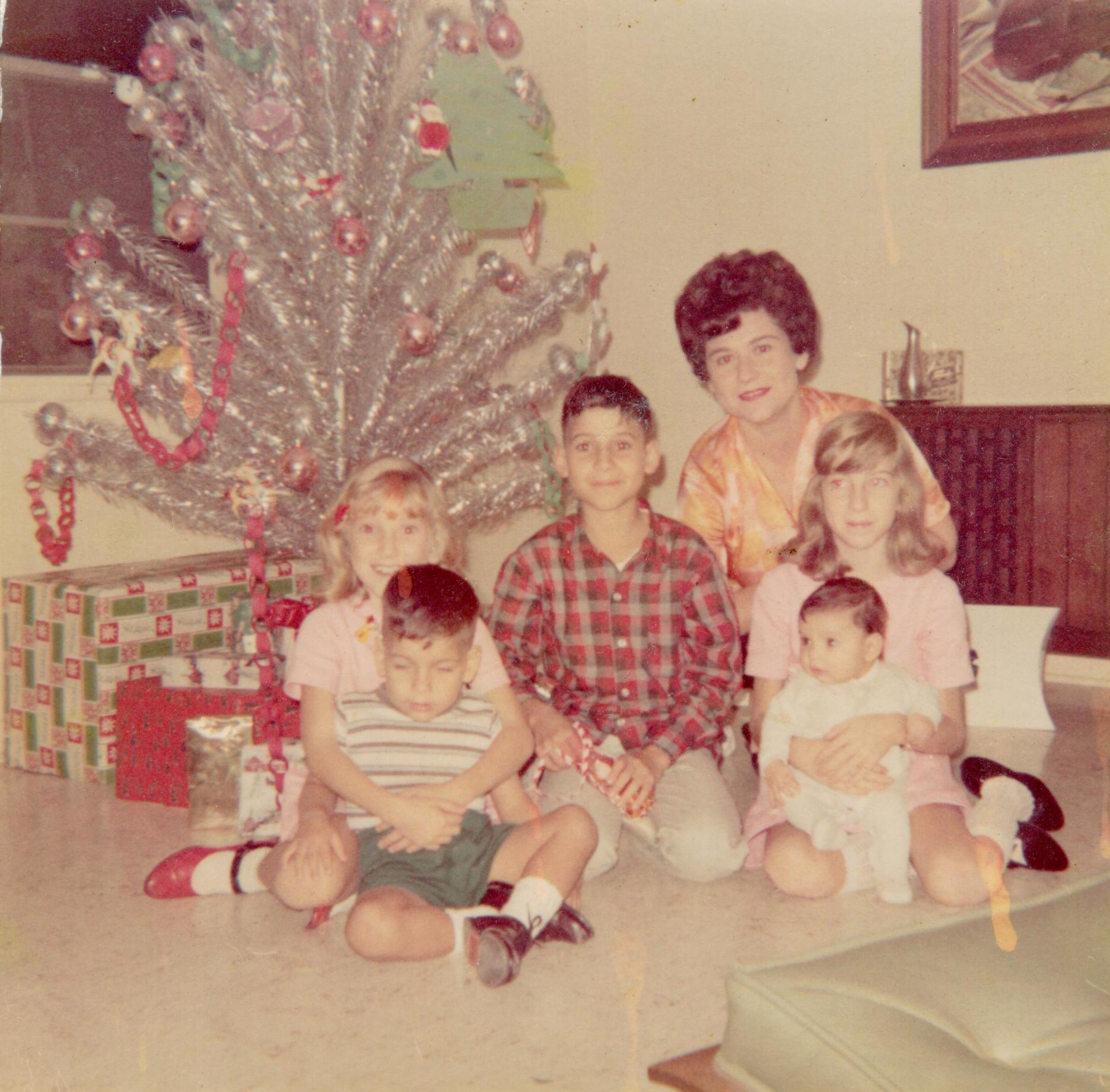
I have always loved and looked forward to celebrating Christmas. Every memory that I have of Christmas is good — from my very earliest memories to the memories we made today. Many of our family Christmas traditions were influenced by my Hispanic heritage and growing up in South Texas. As a kid, I loved the days leading up to Christmas when my beautiful mother would invite friends and relatives to our home for a Christmas tamalada or tamale-making party. In addition to making tamales, mom and our houseful of women baked pan de polvo (Mexican wedding cookies), empanadas (a Spanish pastry) stuffed with various delicious fillings, and all kinds of Christmas goodies. Christmas was a magical time when our home was filled with food, friends, music, conversation, laughter, and all of the delicious aromas and sweet fragrances of the season. But, most important, Christmas in our home was about Jesus.

As much as I love Christmas, I missed my mother today. This is the second Christmas since mom passed away and it is still hard to deal with her absence. While my family and I had a great time with my Dad and my siblings, we all missed mom. Every delicious dish and pastry that my wife and sisters and daughters prepared reminded us of her. Our Christmas menu is still influenced by what mom would prepare for our Christmas dinner. And, we missed her as we gathered to share gifts and the stories of the gifts that we gave to others. But, as tough as it was to celebrate Christmas without her this year, we were bolstered by the fact that we have only sweet memories of Christmas with mom. She made Christmas memorable for all of us. And today, I realized what a blessing that is. My mom gave each of us a lifetime of Christmases filled with love, grace, and beauty. That is her gift to us this Christmas. And it will be her gift to us for the rest of our Christmases without her.

I posted a blog earlier this month while on my way to Cambodia entitled New Christmas Paradigm in which I shared that my wife and I gave money to our kids and challenged them to find and fill a need. Instead of opening gifts on Christmas Eve, our kids shared about who they helped. Niki, our oldest daughter, learned about a single mom who did not have the money to provide gifts for her ten year-old daughter. So, Niki made sure that this little girl would have gifts to open on Christmas morning. Our son Jonathan and his girlfriend decided to put together backpack care packages for the homeless. They shopped for blankets, toiletries, and other items to help the homeless this winter. Gina, our youngest daughter, researched and found an organization that teaches children about safety. She donated her money to this organization in memory of Clinton Ryan, our two-year old nephew who drowned two years ago. I’m glad we decided to bless others in this way because it made this Christmas more memorable than it might otherwise have been.

In the past few days I have thought a lot about what Christmas will be like for my kids when I am in the grave. I hope that they will continue some of the traditions passed on by my mom and dad and by my wonderful in-laws. And I hope that they will continue the new things, like blessing the least of these, that we started this Christmas. I have come to understand that we can continue to bless our kids at Christmas long after we are in the grave if we will make each Christmas that we share with them both meaningful and memorable. We took a few more important steps in the right direction this Christmas. Cheryl and I are encouraged by what our kids did to bless others. We are more committed than ever to leaving our kids a Christmas legacy that will comfort them in the years when they will celebrate Christmas without us.

« Newer Posts - Older Posts »

Categories