Posted by: Omar C. Garcia | March 21, 2011

The Value of Travel

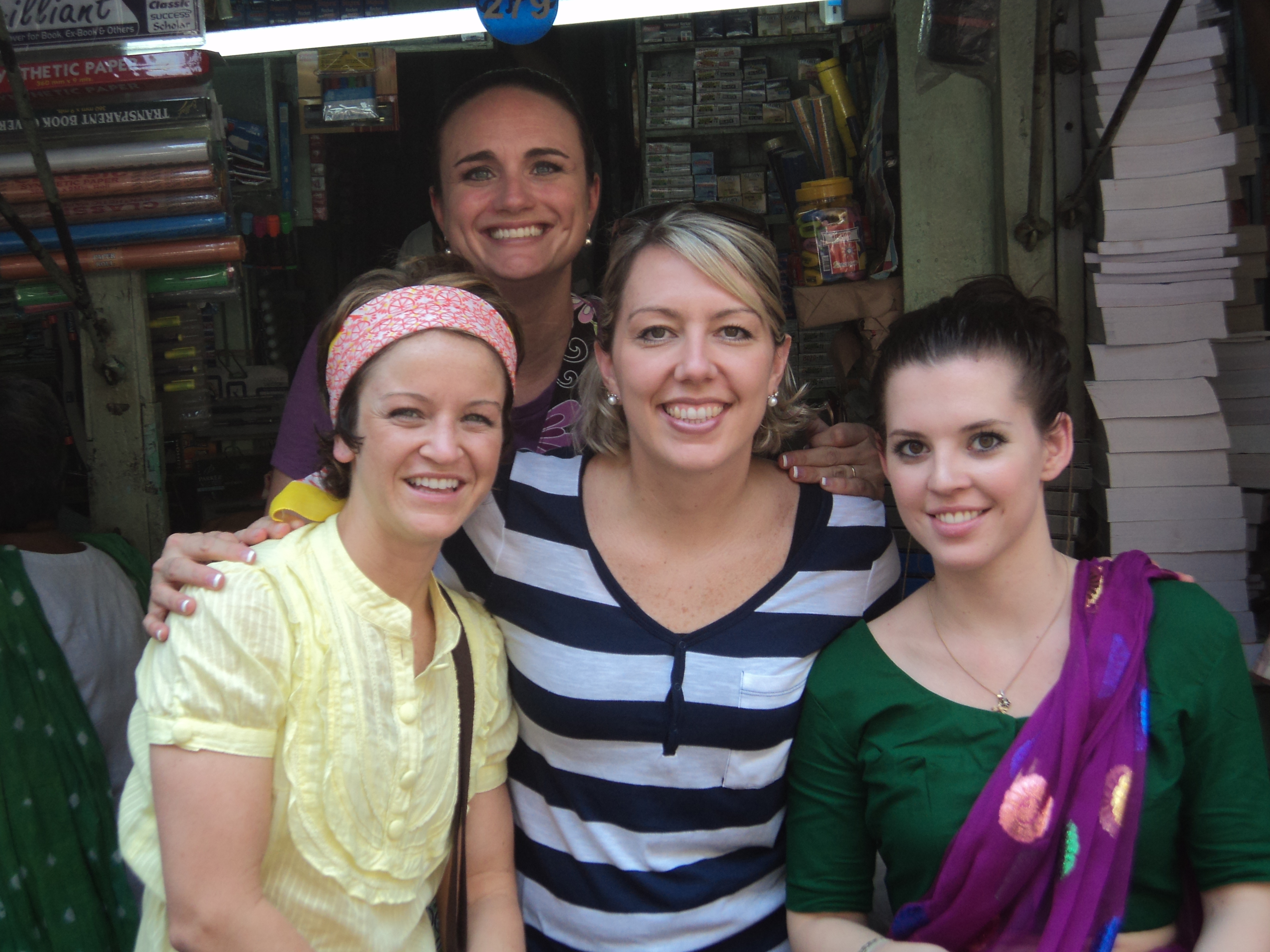
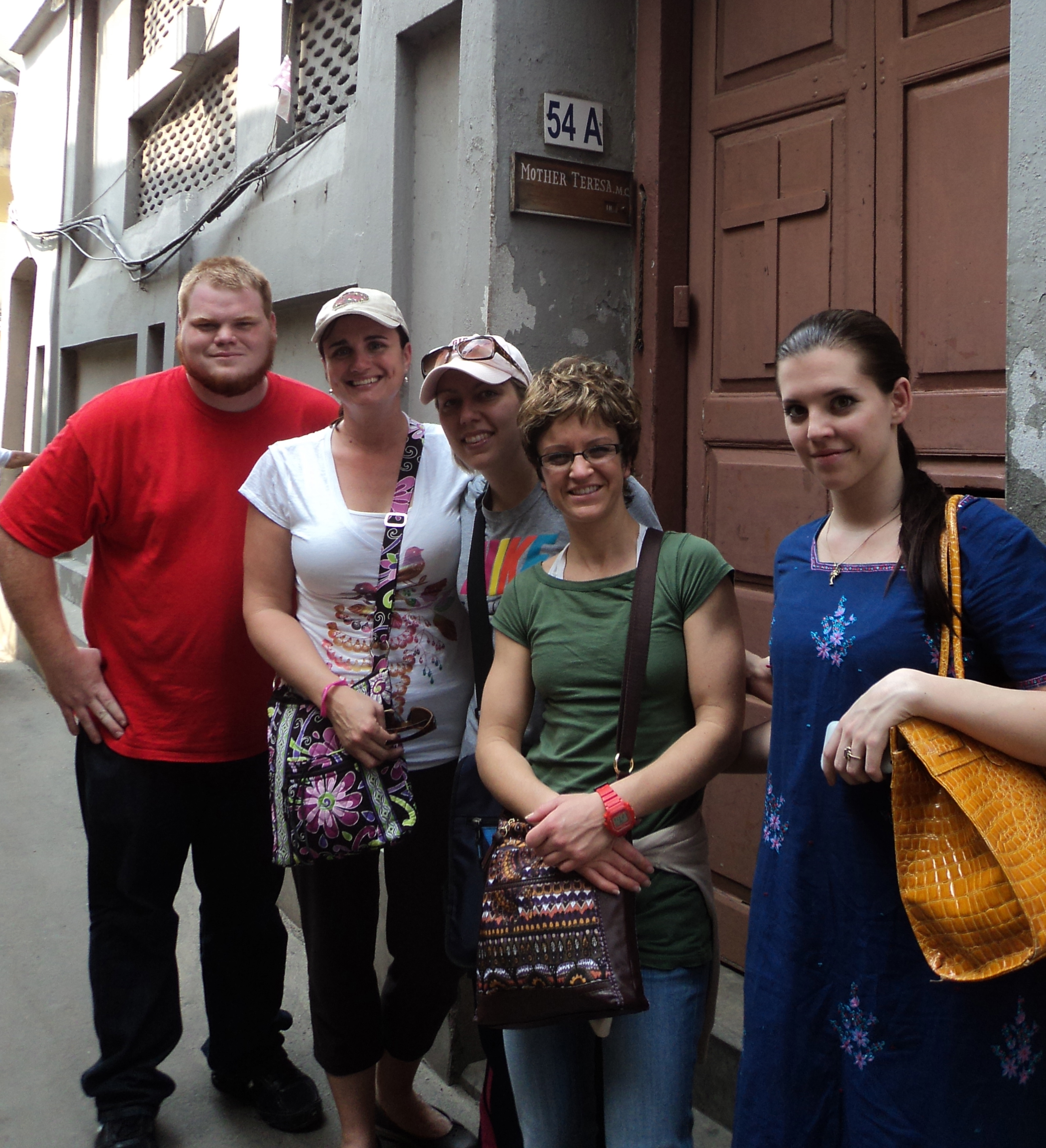
March 2011 India Team

Having led hundreds of volunteers to serve the interests of God’s kingdom in dozens of locations around the planet, I believe in the value of travel. The past week in Kolkata reminded me once again of how God can use travel to transform the lives of those who are willing to go beyond. Although some of the folks who traveled with me last week have traveled to other international locations, this was the first time for each of the team members to visit India. We enjoyed our time together and had lots of great conversations. Those conversations gave me insight into how God was using our time in Kolkata to impact the lives of each team member. Here are a few of my observations about the value of travel gleaned from years of leading volunteers to serve around the world.

Travel Impacts Perspective | It is not possible to travel to a place like Kolkata and not be impacted. From the moment we arrived our team was assaulted by everything Kolkata — the sights, sounds, smells, traffic, teeming humanity, and extreme poverty. We were there through the Hindu observance of Holi — a celebration in which people throw colored powder at each other to welcome the coming of Spring. These are the kinds of experiences that give greater perspective into how the rest of the world lives.

Travel Informs Prayer | Being on-site exposes travelers to the harsh realities of life for those who live in difficult places. Kolkata’s streets are home to thousands of broken people who beg for alms in order to survive, dig through rubbish piles in search of food, and sleep on filthy sidewalks. Kolkata’s sex districts boast populations of thousands of girls and women who sell themselves to support their families or who weep quietly because they are victims of sex trafficking trapped in a dark world far from home. Being on-site in places like Kolkata enables travelers to pray with greater insight.

Travel Clarifies Purpose | Purpose is powerful and can change everything. It impacts the decisions we make and the directions we take. Seeing the plight of the poor, the faces of the distressed, and the context in which terrible things happen can strengthen our resolve to act and clarify our purpose for living. God placed us on the planet to do more than consume every resource on ourselves and our own comforts. He expects us “to do justice, to love kindness, and to walk humbly” with Him (Micah 6:8).

Travel Fuels Passion | Passion follows purpose. Those who traveled with me to Kolkata have a passion for helping the victims of injustice. That’s what motivated them to travel half-way around the world in the first place. However, walking through the streets of Sonagacchi, Kolkata’s largest sex district, and meeting many of the young women who have been rescued deepened the resolve of our team members to work on behalf of these unfortunate victims. They have returned home with greater understanding of the issue of injustice and more capable of speaking with conviction and authority on behalf of those who have no voice.

Travel Realigns Priorities | Travel confirms that life in America is good — it’s very good. But for those of us who witness the realities of life in other places, travel forces us to examine, reevaluate and, in some cases, to realign our priorities to more accurately reflect what matters to God. And, that’s a very good thing because those who return home generally begin to see needs that they had previously not seen. This is important because recognizing needs is the first step to acting compassionately on behalf of the least of these.

Travel is Fatal to Prejudice | It’s easy to buy into all kinds of rhetoric that disparages other people or that promotes distrust by painting them with broad strokes. Mark Twain understood the value of travel. He wrote: “Travel is fatal to prejudice, bigotry, and narrow-mindedness — all foes to real understanding. Likewise, tolerance, or broad, wholesome charitable views of men and things cannot be acquired by vegetating in our little corner of the earth all one’s lifetime.” Traveling and interacting with people in other places not only helps those who travel, it can also help those they meet to abandon their own prejudices or misinformation about others.

Travel if you can. But, regardless of whether you are able to get on a plane to go to the nations, remember that the nations have come to your own community. Every trip to the store or to locations in your own community can allow you to experience some of the benefits of travel. Take the time to meet others and to ask them about their countries of origin and how you can pray for the people who matter most to them. Allow your heart to become your passport to making meaningful connections with the people of the world wherever you happen to be.
Posted by: Omar C. Garcia | March 19, 2011

Worthy of Rescue

Kolkata en route to Dubai

Kolkata is a sprawling city that almost sixteen-million people call home and that has become something of a second home for me. One reason I like Kolkata is that it is the place where Mother Teresa demonstrated the meaning of selfless service by caring for the multitudes of broken people that struggle hard to survive from day to day. This little woman with a big heart for God took seriously the words of Jesus that what we do for the least of these we do for Him (Matt. 25:40). She distilled the message of Jesus to care for the least of these into a simple charge: look for Jesus in the distressing disguise of the poor and, when you find Him, do for that individual what Jesus Himself would do. And that is exactly what Mother Teresa did and what the Missionaries of Charity continue to do in Kolkata and in all of the places where they serve around the world.

This past week in Kolkata, our team spent time with several people who serve one of the most abused and vulnerable segments of Kolkata’s population — young girls and women in prostitution. As I noted in a previous post, these are women who have ended up in brothels because it’s the only way they can support their families or because it is the family business or because they were trafficked and sold to brothel owners. However, regardless of the reason why they ended up in brothels, these unfortunate individuals are part of the rank and file of the least of these in Kolkata. And, were it not for those compassionate individuals who look for Jesus in the distressing disguises of the women who work in the brothels, many of these women might never know what it means to be truly loved.

As we make our way back to our homes in suburbia, we do so with greater understanding of the magnitude of the challenge of rescuing or helping young women to escape life in Kolkata’s brothels. And we do so with deeper appreciation for the women and men we have met — selfless individuals who have chosen to enter into and to live incarnationally in Kolkata’s sex districts. Their service is not unlike that of Jesus who “made himself nothing, taking the form of a servant, being born in the likeness of men” (Phil. 2:7) in order to live among us. Because of the incarnation, Jesus was able to rescue us from the “domain of darkness” and transfer us to His own kingdom of light (Col. 1:13). And because we have walked slowly among the women in these areas we are returning home with a renewed commitment to champion their rescue. The women in the world’s brothels are an unreached people group and deserving of the opportunity to know the love of God. They are worthy of rescue.

Posted by: Omar C. Garcia | March 18, 2011

Global Glimpses

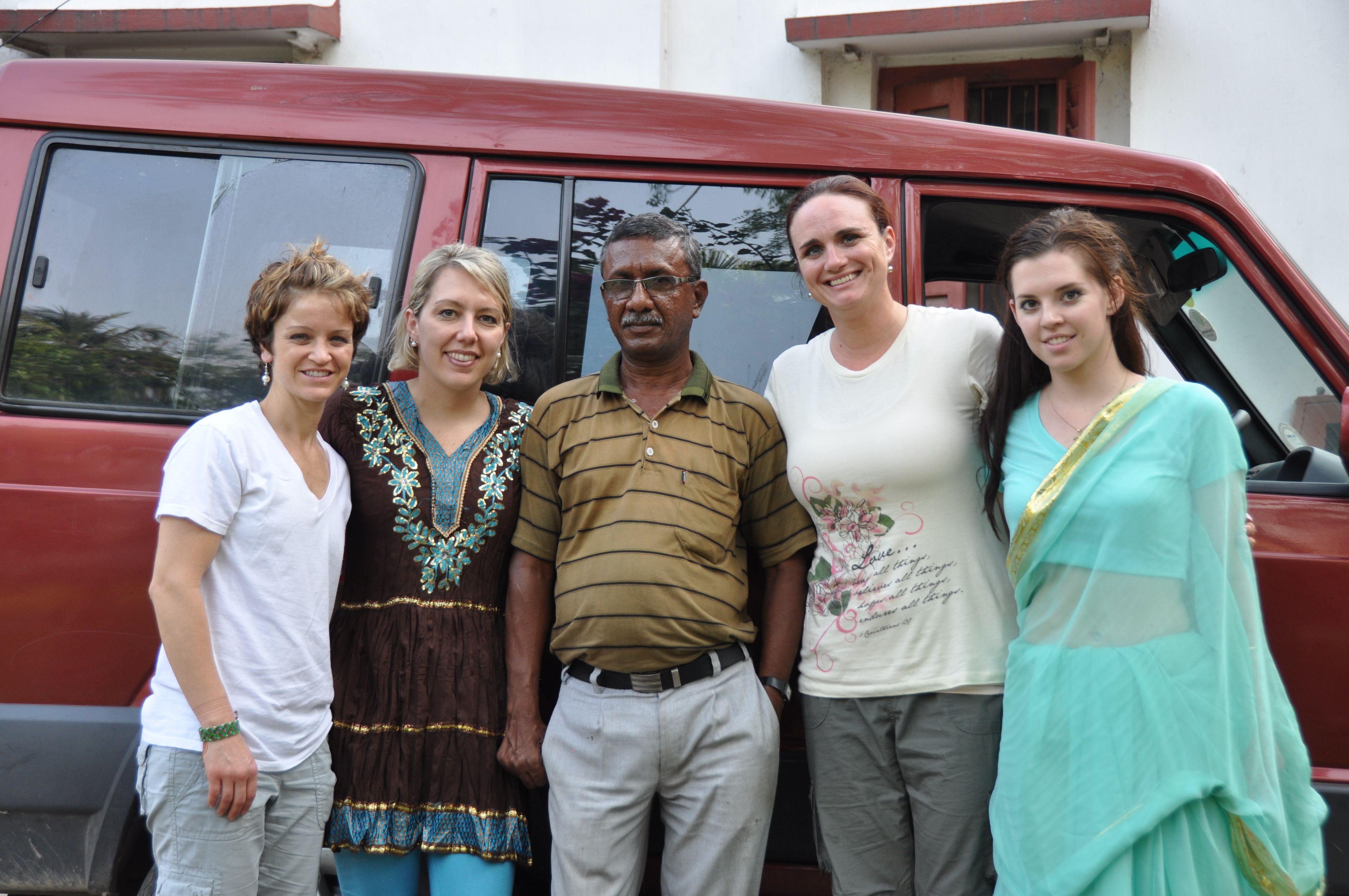
Today’s Global Glimpses post is a departure from featuring Kingsland members and where they have served God and His purposes around the world. Over the years I have learned to appreciate the unsung and quiet heroes who make what I do a lot easier — local believers who know the lay of the land and help to escort me and my teams. On Paul’s second missionary journey, his life was threatened at Thessalonica and then at Berea. So, the folks at Berea arranged for Paul to be escorted to Athens. Acts 17:15 records, “Those who escorted Paul brought him as far as Athens, and after receiving instructions for Silas and Timothy to come to him as quickly as possible, they departed.” The phrase “those who guided him” is easily overlooked in this passage. Yet, without the assistance of “those who guided him” Paul might not have escaped those who were trying to harm him. When in Kolkata I depend on Don, my ex-pat friend, to coordinate logistics for my teams and to guide us around town. And, Don depends heavily on his assistant Shafique, an Indian man who has become a dear friend to me.

Who | Shafique, age 52.

My Occupation | I am the assistant logistics coordinator for short-term teams that visit Kolkata.

My Background | I have been a driver in Kolkata for 35 years. I spent 18 of those years driving a taxi. This experience has helped me to know where every road and market and shop is located in Kolkata.

My Faith | I was raised as a Muslim but became a follower of Jesus four years ago.

My Best Blessing | I am thankful for the peace that is mine as a follower of Jesus. This is a peace that I did not have before I came to faith in Jesus. Don, my boss, has helped me to grow in my faith. God has used him to make the biggest impact in my life because he has helped me to become a stronger disciple of Jesus Christ.

Where I Worship | Every Tuesday I lead a house church for Muslims who are interested in knowing more about Jesus and for Muslims who have come to faith in Jesus Christ. I enjoy sharing the story of Jesus with others.

A Word from Shafique’s Boss | The thing I appreciate and admire most about Shafique is that he is always ready to serve. As a driver he often has to remain with our vehicle. He uses those waiting periods to talk to cab drivers about Jesus. He knows so many cab drivers in Kolkata and has a heart for reaching these men with the gospel of Jesus Christ. He is more than my assistant. He is a dear friend and brother in Christ.

Posted by: Omar C. Garcia | March 17, 2011

One Stitch At A Time

Sonagacchi is the largest sex district in Kolkata. An estimated 10,000 women are available to service the sexual appetites of the thousands of men who visit this infamous area daily. The women who live and work in Sonagacchi are there for at least one of three reasons. Some were conscripted into the ranks of sexual workers by poverty. Left without options, these women choose to sell themselves into order to help their families survive. Others girls work in Sonagacchi because it’s what their mothers and grandmothers before them have done. These young girls are trapped in a generational cycle of prostitution. Finally, some of the girls were trafficked to Sonagacchi from neighboring Bangladesh and Nepal as well as from some of India’s poor rural villages. These young girls are trapped in a hell they did not choose for themselves.

Sonagacchi is a dark and sad place, even in the full light of day. The winding streets and narrow alleys of the district are polluted with sin and despair. And, regardless of why the area’s sex workers are there, they deserve better. They deserve a way out. They deserve options. They deserve freedom. Today, we visited two organizations that offer the women of Sonagacchi a path to a better life. Both of these organizations hire and train women in prostitution to make products that enable them to support themselves without having to sell themselves. They empower women with basic job skills that help them to rebuild their damaged self-esteem and to believe in their potential to become what God created them to be. The founders of both of these businesses understand the power of offering women honest employment. I was impressed by the women I met and by the quality of the products they make. Not only are they sewing beautiful products that are sold around the world, they are unwittingly mending their own lives one stitch at a time.

At the end of the day I thought about the women of Sonagacchi and the hope that is available to them because of Christ-followers who are willing to live among them in order to demonstrate God’s love in practical ways. Mother Teresa was committed to looking for Jesus in the distressing disguise of the poor. The people we met today are committed to doing the same. One young lady from America said that she cannot imagine doing anything other than serving the women of Sonagacchi. “Even on the worst days,” she said, “I can’t see myself doing anything else or being anywhere else.” Her smile revealed a joy that comes from the assurance of knowing she is where Christ wants her to be, doing what He would do to care for the least of these. This young woman and the others we met have options to live more comfortable lives. They have chosen instead to serve in a hard place in order to make a difference in the lives of others that cannot be measured by earthly standards.

Posted by: Omar C. Garcia | March 16, 2011

Wordless Wednesday

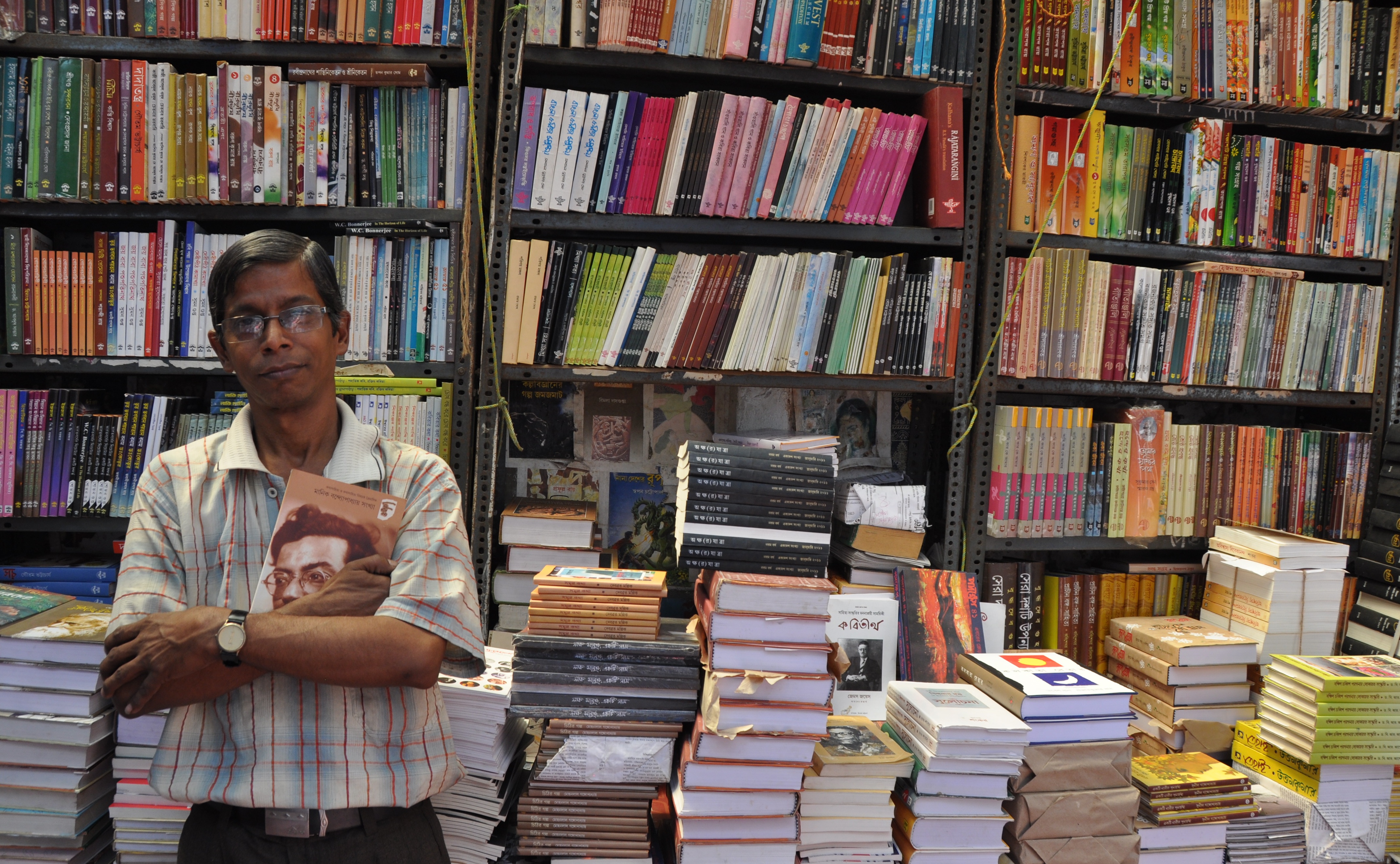
Book seller at his post. | 2011 | Kolkata, India


Posted by: Omar C. Garcia | March 15, 2011

Books and Lotus Flowers

Kolkata, India

Trauma is only one of several things that the young girls in aftercare homes share in common. Each of the girls have similar stories in regard to the abuse they suffered at the hands of their traffickers and the customers they were forced to service in the brothels. In additional to physical trauma the girls also suffer from related emotional trauma. The aftercare homes we have visited provide the resources these young victims need in order to heal and to begin to rebuild their damaged lives. I have great respect and admiration for those we have met who serve the girls in aftercare. These compassionate individuals play a key role in the healing process.

In addition to trauma, a lack of education is another common denominator among the girls in aftercare. Almost without exception, every girl is from a poor background and had little or no education when they were betrayed, kidnapped, or sold to sex traffickers. When a poor family is faced with the costs of education, a son generally takes priority over a daughter. That’s one reason why most of the girls in aftercare have had only the minimum of education. Providing an education is another of the priorities of the aftercare homes we visited. The homes provide tutors as well as make arrangements for the girls to attend classes in a secure environment. One young girl I met in an aftercare home last year made it a point to show me her school work and to tell me how much she enjoyed going to school.

Shopping for books and school supplies.

Our team came to India prepared to start a library in one of the aftercare homes. A couple of months ago we received a financial gift in memory of a woman named Lotus Avery, the grandmother of Vicki, one of our team members. Lotus loved tutoring young people and inspired a love of reading in those she served. So, our team decided to use this gift to purchase school supplies and to start a library in an aftercare home. I especially like that we are doing this in Lotus’ memory because the lotus is the national flower of India. Purchasing books and school supplies in Kolkata is a time-consuming experience. We spent the day shopping in a sprawling market that specializes in education supplies. We negotiated the price of notebook paper with one vendor, shopped for pencils and protractors at another kiosk, waded into a crowded and dingy room to find maps and globes, and walked narrow aisles between hills of books stacked as high as the ceiling. But, after hours of diligent work, we purchased and filled a van with books and supplies.

Tomorrow morning we will visit New Hope School in in the village of Udayan Pally. Last year, our missions ministry provided the resources to help complete construction of this school. I want for our team to see the kind of poverty that deprives many children, especially young girls, of an education and to see the difference that my friend Pastor Rudra is making. In the afternoon we will return to one of the aftercare homes to start assembling their new library. It will provide another slice of the resources that the girls in aftercare need in order to get a better education and to become empowered to begin new lives. Our prayer is that God will use this practical demonstration of love and concern to help young girls heal and to discover the kind of new hope that Pastor Rudra is bringing to the children he serves. The young girls in aftercare are filled with untapped potential. We want to do all that we can to ensure that they have the opportunity to blossom like a beautiful lotus flower.

Posted by: Omar C. Garcia | March 14, 2011

Only Two Ways Out

Kolkata, India

Throughout this week, our team will meet with different ministries and organizations that assist young girls rescued from the commercial sex trade. The vast majority of these girls were sold to or kidnapped by sex traffickers. Some of these girls were sold or betrayed by close family members, including parents. It’s hard to imagine how family members could do such a thing, but the story is all too common among the girls who end up in a world they never imagined existed. Some of the girls that end up in India’s brothels were duped to leave their homes by individuals who promised to find them honest employment that would enable them to help their poor families. However, once they had left homes, they were instead sold to work in brothels.

There is no way for us to imagine the mixture of fear, disappointment, and anger that these young victims feel when they realize that they have been caught in a trafficker’s net. The psalmist described the modus operandi of the wicked in this way, “He sits in ambush in the villages; in hiding places he murders the innocent. His eyes stealthily watch for the helpless; he lurks in ambush like a lion in a thicket; he lurks that he may seize the poor; he seizes the poor when he draws him into his net” (Ps. 10:8-9). And then, the real horror begins for these girls. They are repeatedly raped in their first hours in captivity until all vestiges of their self-esteem have been destroyed. They are also beaten, verbally abused, warned that their families will be harmed if they refuse to cooperate, and even drugged into compliance. In the words of the Psalmist, “The helpless are crushed, sink down, and fall by his might” (Ps. 10:10).

It is not long before these young victims are smothered by despair and resign themselves to living in hell. Often kept in small and crowded rooms with other victims, they service the sexual appetites of as many as twenty customers per night — repeatedly raped and abused in every way. They are not offered any protection against carriers of sexually transmitted infections and must do whatever they are told to do, however foul or disgusting. The customers they are forced to service, like those who hold them captive, have no regard for the welfare of these young girls. They are closely guarded, beaten if they complain, and killed if they fail to comply. One young girl said that there were only two ways to leave the brothel where she was forced to work — by being sold to work in another brothel or by being killed. Life in the brothel or death were the only options on her horizon.

I cannot begin to imagine a life where my only options would be to continue to suffer abuse at the hands of those who entered through my door or to escape through death’s door. That is a chilling description of despair. Soon, even weeping is whipped into submission and there are no more tears left to cry. This is the world of those who see only two ways out. But, thankfully, the girls we are meeting this week can all testify to a third way out — rescue at the hands of champions of justice whom God uses to “break the arm of the wicked and evildoer” and also to “call his wickedness to account” (Ps. 10:15). God hears the cries of the afflicted and works through those who are committed “to do justice to the fatherless and the oppressed, so that man who is of the earth may strike terror no more” (Ps. 10:18). We must allow God to use us to champion His passion for justice so that those living in darkness will always have a way out.

Posted by: Omar C. Garcia | March 13, 2011

To Embrace Kolkata

Kolkata, India

International travel has its challenges and, over the years, I have faced most of those challenges more times than I care to remember. That’s one reason I smile when things go a little smoother than usual. Our flights from Houston to Kolkata were pleasant, our transition was seamless, and my good friend Don, a logistics genius, was at the airport to meet and escort us to the guesthouse where we will stay for the next week. But, the thing that brought the biggest smile to my face was the way in which our team embraced their entry into the chaos of Kolkata. This city of fifteen-plus million people is a cultural challenge to the senses of first time visitors. The sights, sounds, and smells will boldly assault and hold hostage each of your senses. You cannot escape or break free from their grip. Everywhere you look and every breath you take will fill you with Kolkata.

Kolkata is something of a second home to me. I actually like being here. My friends at the guesthouse where I stay know my room preference and always have “my room” ready for my stay. But, because I have visited Kolkata so many times and have become so accustomed to its sights, sounds, and smells, it’s easy for me to go about my business here without much thought to it all. However, one of the best things about leading teams to serve in places that are so familiar to me is seeing and appreciating everything anew through their eyes and excitement. For them, Kolkata in indeed “the city of joy.” I have five first-time travelers to Kolkata with me and they have absolutely embraced the experience. From the moment we landed, through every slow mile to the guesthouse, and on our walk to Mother Teresa’s Mother House this afternoon, they are more excited than school kids on a field trip to the Blue Bonnet Ice Cream factory. Not a single complaint from this group. As two of the young ladies said, “We have been waiting a lifetime to get here!”

Folks like Kristin, Vicki, Joy, Sarah, and Sam remind me of why I love mobilizing volunteers to serve among the nations. They have come to Kolkata with open hearts, prepared minds, and hands willing to serve. They understand that this trip is not about what’s comfortable or convenient for them, but about what it will take to do their part to love and care for those they have come here to serve. This is what going beyond is all about — allowing God to place you into a new context in order to help advance the interests of His kingdom. Over the next few days our team members will meet people they never thought they would meet in places they never imagined they would visit. And as a result, their lives and the lives of those they meet and serve will be enriched. Each of our team members have the aptitude to serve, but even more important, they have the right attitude to serve. They have come in humility, ready to consider others as more important than themselves (Phil. 2:3). They have come here as servants of Christ to embrace Kolkata.

Posted by: Omar C. Garcia | March 13, 2011

Earthquakes and Peas

Dubai en route to Kolkata

News of Japan’s devastating earthquake and tsunami have dominated world news for the past few days. The earthquake is now officially in the record books as the fifth most powerful earthquake to shake the planet in the past century. According to Italy’s National Institute of Geophysics and Volcanology, the earth’s axis shifted 25cm as a result of the earthquake. And, the US Geological survey reports that the quake shifted the main island of Japan by 2.4 meters. On a more personal level, the earthquake and tsunami destroyed more than property — these natural disasters also destroyed lives. We have yet to know the final death toll. According to news reports, more lives may still be in danger because of radiation that leaked from Japan’s earthquake-crippled nuclear power plant. There is no question about it, the people of Japan will deal with the personal after-shocks of this earthquake for years to come.

It is likely that 15 year-old Deepu, a farm worker in the state of Uttar Pradesh in north India, knew absolutely nothing about the earthquake that shook Japan. He was too busy working in pea fields owned by a man named Pradeep Kumar. Exhausted after a hard day of work, Deepu walked toward a secluded corner of a field to get some rest. According to a story posted in today’s Khaleej Times, Dubai’s English language newspaper, Kumar suspected that Deepu had stolen some peas. So, Kumar brutally assaulted Deepu, beat him, and then set the young man on fire. Deepu is now fighting for his life. All this because the owner of the field suspected that Deepu had stolen peas. I never cease to be amazed at the inhumanity of the human family. As one of my seminary professors once said, “I would rather be a sinner in the hands of an angry God than a sinner in the hands of an angry sinner.” Sinners can act without regard to any governing constraints. God’s actions are always consistent with His character and tempered by mercy and grace.

It seems that we will always be plagued by natural disasters as well as by disasters of our own making. Both can alter the course of our lives. Natural disasters can bring out the best in us as we are reminded that we are all members of the same human family and need one another. Aid and support will pour into Japan from the people of the world. And, Japan will recover and rebuild. Men like Pradeep Kumar remind us of the worst that is in us and our capacity to do great harm to others. As a Christ-follower, I must imitate Jesus who valued and affirmed the dignity of others. In times of natural disasters I am most like Christ when I respond by offering practical and compassionate assistance. And when confronted by suspicions or allegations of wrong-doing on the part of another, I am most Christ-like when I give others the benefit of the doubt and allow my actions to be tempered by mercy and grace. Today, I grieve for the people of Japan and for the 15 year-old farm worker who is fighting for his life.

Posted by: Omar C. Garcia | March 12, 2011

An Unlikely Champion

Houston en route to Dubai

This past week I visited with a friend who spent a year working for an organization that champions the rights of those trapped in the dark world of human slavery. We first met in South Asia where he was working to help effect the rescue of young girls living in a hell created by evil individuals motivated by greed. He shared an amazing story with me that reminded me of how the power of love can trump the of hand of evil. What follows is the gist of his story.

During his initial months on the field he took part in an operation to rescue some girls from a brothel outside a large city. This initial operation was unsuccessful because the brothel owners were tipped off by corrupt individuals within the police department that was assisting with the rescue operation. So, they planned another rescue attempt several weeks later and, once again, someone tipped off the brothel owner. A third rescue attempt weeks after that also failed for the same reason. My friend shared with me how demoralized he was after the third failed rescue attempt. It seemed that everything was working against them, including individuals in the police department who were in cahoots with the brothel owners.

Sometime after the third failed rescue attempt, my friend saw a photo of the brothel on the front page of the newspaper. The related story was about a girl who had been trafficked to work at that brothel. The young girl said that a man from her distant village had come to the brothel for sexual services. She recognized the man and asked him if he would carry a note to her grandfather explaining what had happened to her and that she needed help. The man agreed. When the grandfather received the note he sold all that he had in order to travel to the place where his granddaughter was enslaved. He posed as a customer and later escaped with his granddaughter in the night. He then went to the police station and reported to them all that had happened to his granddaughter. The police had no choice but to arrest the brothel owners and shut down the operation. And, the police department came under investigation in an attempt to find the individuals responsible for having foiled the previous rescue attempts.

My friend said that he learned an important lesson. He had traveled to South Asia to be a champion for the oppressed. But, when all three attempts to rescue the girls at the brothel had failed, God raised up an unlikely champion — the grandfather of one of the girls who had been trafficked. Martin Luther King, Jr. said that the moral arc of the universe is long, but it bends toward justice. Indeed, it does. Those who trafficked the young girl never counted on the surpassing power of a grandfather’s love, a love that was willing to sell everything in order to redeem something of infinitely greater value — a granddaughter. Those of us who live in comfort and security must do no less on behalf of those living in bondage. May each of us be willing to become God’s unlikely champions to at least one of the twenty-seven million individuals on the planet today who live in some form of slavery.

« Newer Posts - Older Posts »

Categories