John R. Mott is one of my historical mentors. A historical mentor is someone who, although dead, continues to influence succeeding generations through writings and a life well-lived. Born in 1865, Mott became a believer at a young age. While a sophomore at Cornell University, J.K. Studd, one of Mott’s professors, said to him, “Young man, seekest thou great things for thyself? Seek them not! Seek ye first the kingdom of God.”
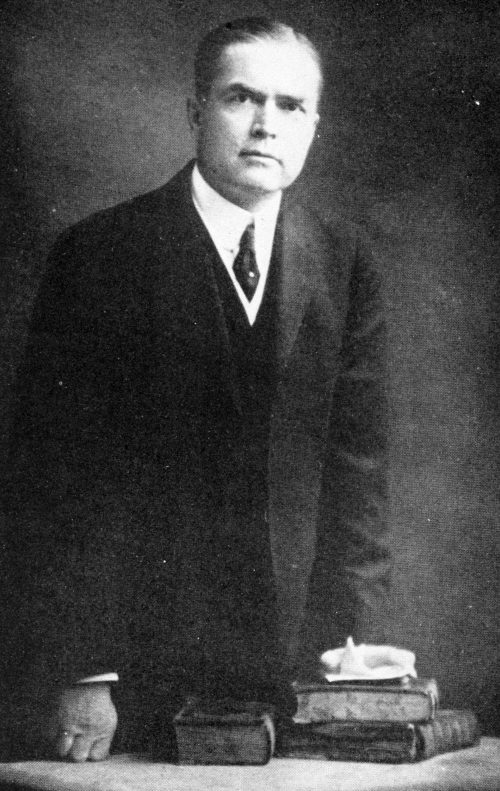
Studd’s words pierced Mott’s heart and kept him up that night. His conversation with Studd changed the course of his life. Mott later became the leader of the Student Volunteer Movement for Foreign Missions, an organization that sought to mobilize college students to take the gospel to the ends of the earth. Mott led this movement for thirty years and was awarded the Nobel Peace Prize in 1946 for his work in international church and missionary movements.
In April 1901, Mott spoke on the responsibility of young people for the evangelization of the world. In this speech, Mott said, “The last command of Christ is operative until it is repealed. It is not optional, as some would assume, but obligatory. It awaits its fulfillment by a generation which shall have the requisite faith and courage, and audacity and the purpose of heart to do their duty to the whole world.”
The reality is that each of us are stewards of our own generation — essentially a narrow slice of time in which to serve God’s purpose. After that, we die and return to dust. However, what we do in our generation does not have to die with us if we will own and responsibly serve God’s purposes while we have opportunity.
In a sermon that Paul preached on his first missionary journey, he said, ”Now when David had served God’s purpose in his own generation, he fell asleep; he was buried with his ancestors and his body decayed.” (Acts 13:36). But, what David did in his generation impacted the course of redemptive history because he served the purpose of God.
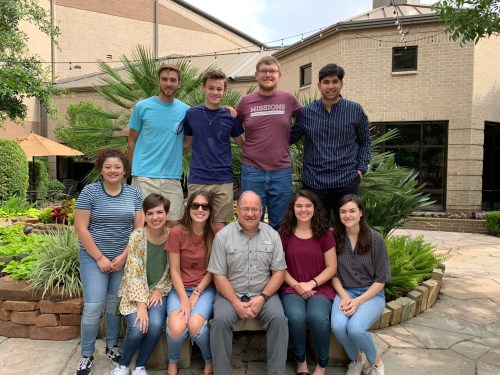
One way in which we can impact the course of redemptive history is by investing in the next generation. By so doing we help to ensure “that the generation to come might know” (Ps. 78:6) God and understand His purposes in the world. In the words of Mott, we must teach and encourage the successive generation “to do their duty to the whole world.”
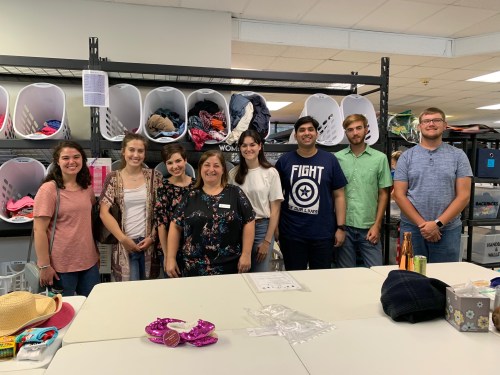
One of the best things we do at Kingsland is to invest in ministry interns — young people who have expressed an interest in serving and learning about all-things ministry. Mentoring and encouraging those who will take the reins of ministry long after we are gone is strategic in the work of the kingdom.
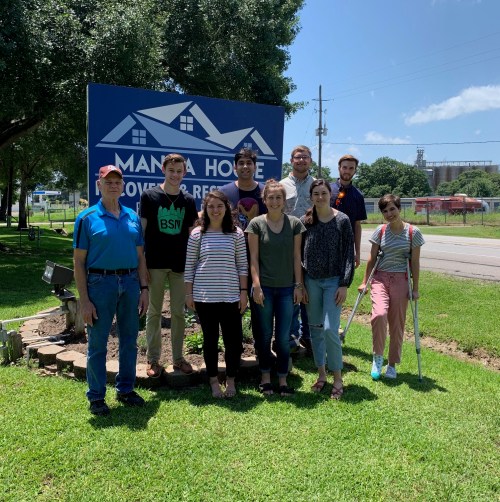
I have been privileged to have nine summer missions interns, including one from India and another from El Salvador. Our interns began their summer by visiting with several of our local ministry partners in order to gain greater insight into the value of strategic partnerships in order to reach our community for Christ. They have learned a lot about what it takes to make each ministry work and how they utilize volunteers.
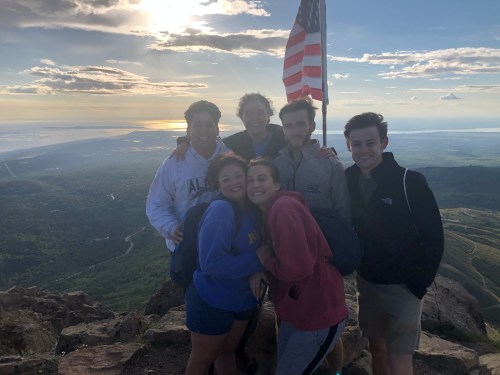
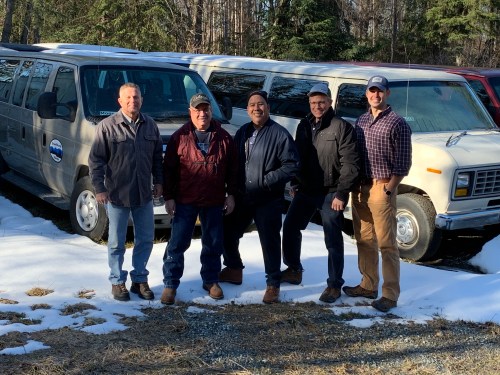
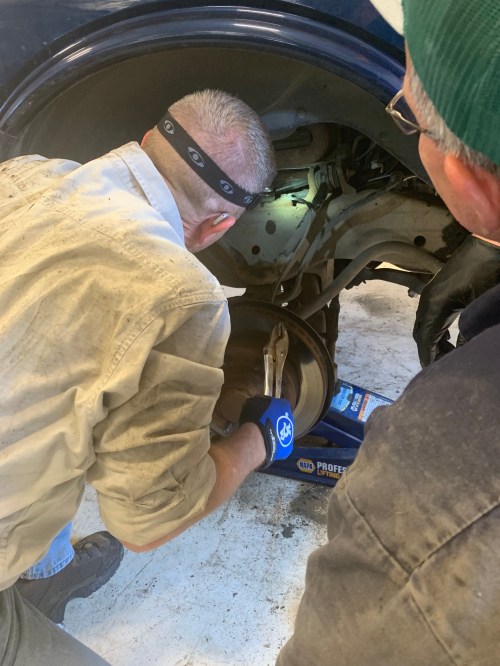
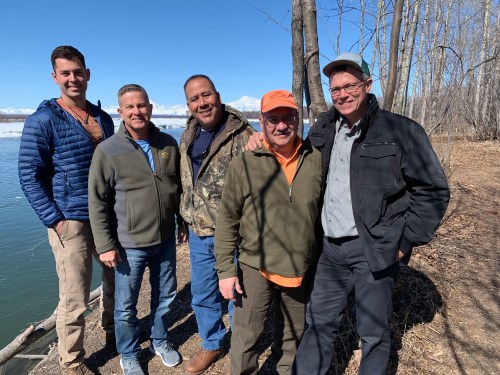
Six of my interns spent the month of June in Alaska working with our partner, Grace Works Alaska. The other interns served in a variety of capacities with our local partners. We have enjoyed debriefing sessions, lots of questions and answers, and talking about various aspects of ministry. Each of our interns served and learned well and made meaningful discoveries about what it means to serve God.
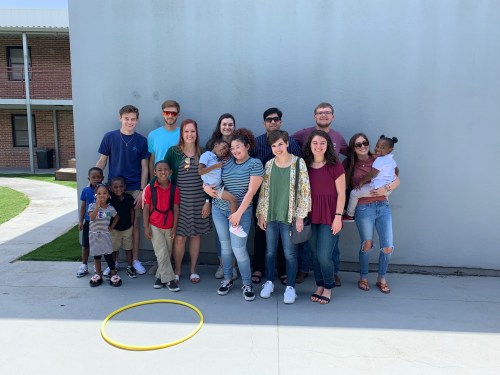
Our summer internship ends on July 31. I will miss our interns but am excited about how God will continue to use them as they return to their respective college campuses and places of employment. I appreciate their passion and willingness to serve and their determination “to do their duty to the whole world.”
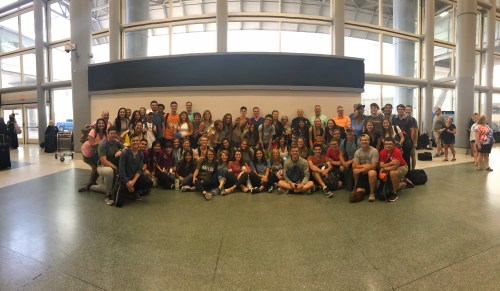
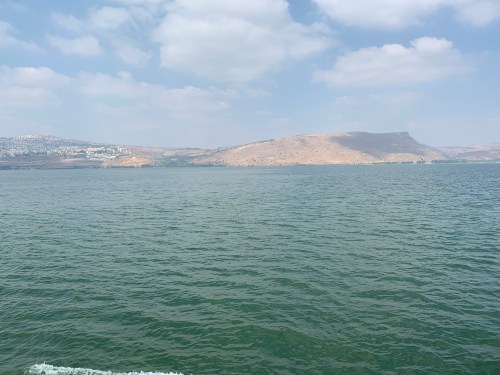


















 Go Beyond