I love the nations — the peoples of the world. My interest in the nations started when I was a kid. There was no way to avoid it. I grew up in a family of travelers. My earliest childhood memories are of looking at travel slides and photos, asking questions about bric-a-brac from around the world, listening to stories about travels to exotic places, and perusing the pages of National Geographic. While other kids collected baseball cards I collected travel brochures and maps. I have fond memories of family gatherings to look at slides of far-away places and the peoples who live there. From those early years to today, I enjoy learning about other cultures and peoples. I am especially fascinated by faces. You can learn a lot about people by looking intentionally at the geography of their faces.
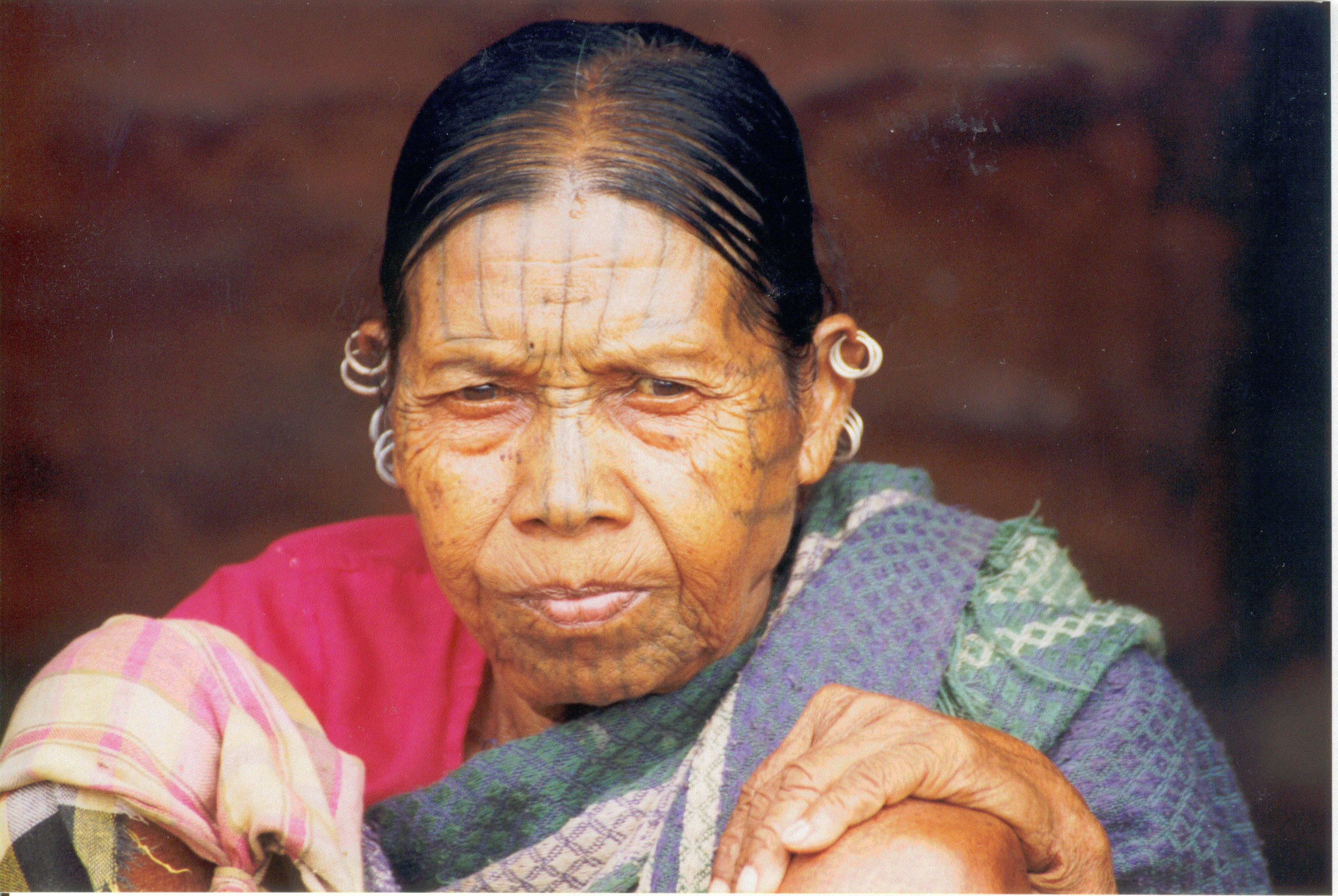 Earlier this month I returned to the Khondhamal Hills in the state of Orissa in India. For whatever reason, I love the faces of the tribal peoples in this area. When I first visited Orissa in 1998, my friend Calvin Fox, a Christian agriculturalist, talked to me and my friends about the tribal peoples who live in the thickly forested hills. Calvin loved these people and was committed to teaching them how to increase the yield on their sloping fields. We were fortunate to have Calvin as our guide as we walked slowly through the villages. The experience was like entering the glossy pages of a National Geographic magazine. While walking through one village, I noticed an old woman with a tattooed face and asked her for permission to take her photograph. She consented. Her photo is one of my favorites among the twenty-plus thousand photos I have taken on my travels.
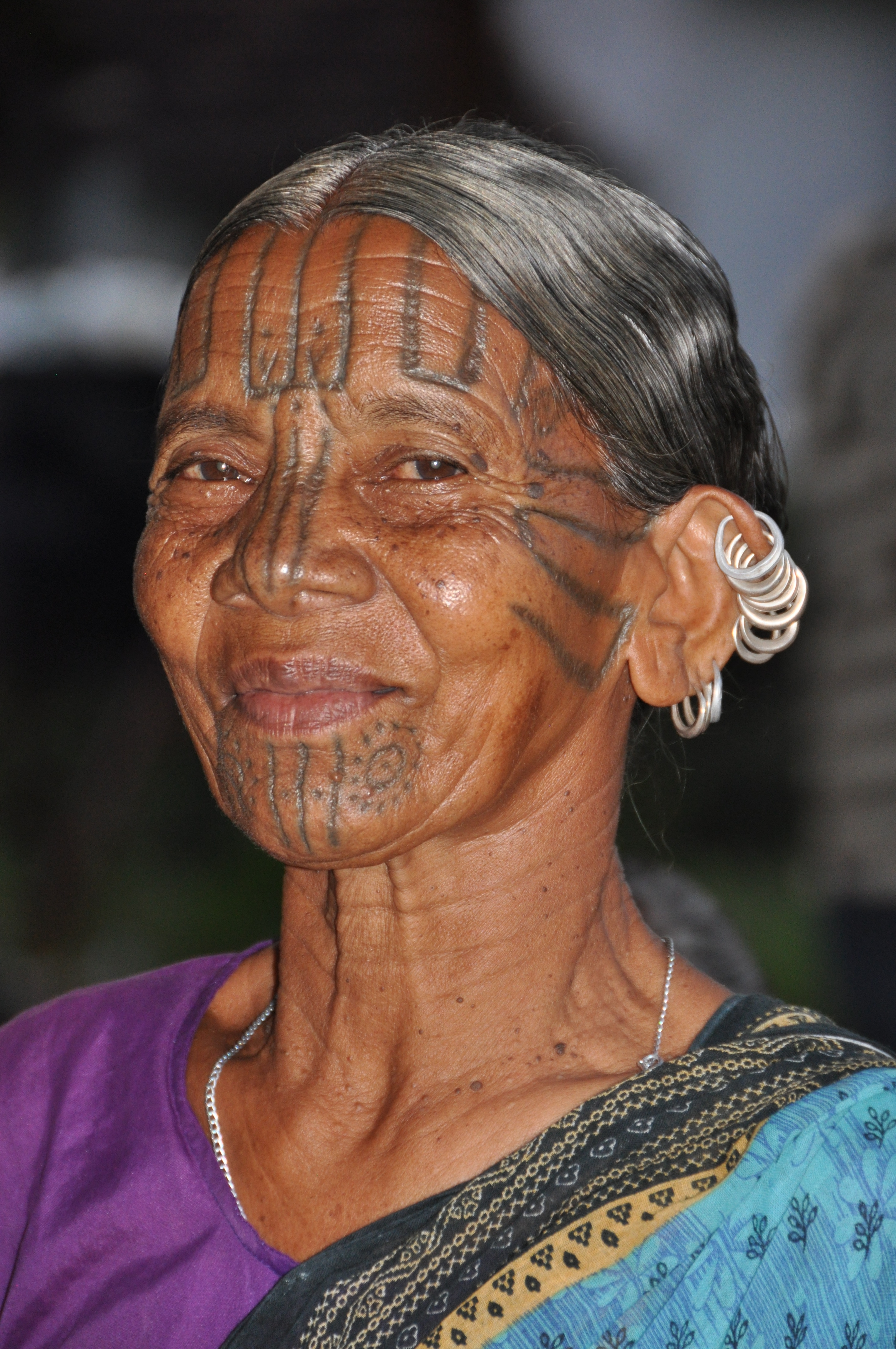 One thing that makes the faces of the tribal peoples of the Khondhamal Hills so interesting are the tattoos on the faces of the women. Although the practice is dying out, these tattoos have an interesting history. Calvin explained that one reason parents tattooed their daughters was to frustrate the plans of those who kidnapped and took their girls to other areas. The tattoos made these Kondh girls readily identifiable. The tribal peoples also believe that the identification value of the tattoos extends to the afterlife, making it easier for them to identify each other in the spirit world. Others believe that the tattoos are a symbol of chastity or a means to protect their daughters from malevolent deities.
In a world where so many girls are treated with little or no dignity and respect, the faces of Kondh women tell a different story. These women bear visible marks of love, meant to identify and to protect them from those who would do them harm. We can learn from this practice among Orissa’s tribal peoples. While we do not have to mark the faces of our daughters with tattoos, we should indelibly mark their hearts with our love, concern, and determination to protect them from harm. These inner markings can serve our daughters for a lifetime — protecting them from those who would seek to take advantage of them and making them readily identifiable as those made in God’s image and worthy of respect.
 Go Beyond
good post.
By: emerson on July 3, 2013
at 2:50 PM
That shows you that in our Western culture, we still have a lot of narrow mindedness !
There are some face tattooed women in our world, but How are they accepted by our high society ladies ?
By: Nora on January 12, 2017
at 9:39 PM
We do, indeed. Always better to look beyond the actualities to the heart.
By: Omar C. Garcia on January 12, 2017
at 9:42 PM