Posted by: Omar C. Garcia | February 23, 2013

The Garden of Thorns

I have a very short list of must-watch television programs. At the top of that list is Texas Country Reporter. I have been a big fan of this program for years. I think that Bob Phillips, the host, is one of the best storytellers around. Phillips and his film crew travel the Lone Star State to film stories of interesting places and fascinating people. On today’s program, Phillips visited Texas artist and sculptor Bill Worrell who makes his home near Mason, Texas. Bill is well-known to those who appreciate southwest and Native American inspired art.

Garden of Thorns
What I found especially interesting about Worrell is what he refers to as “his greatest work and latest creation.” It’s not what you might think — one of his expensive and much-sought-after works of art. Instead it is what he calls his Garden of Thorns. Worrell set aside a small tract of land on his property, a place, he explained, where he “decided to bury a lot of garbage and junk from my past.” As Worrell and Phillips approached the Garden of Thorns, it looked like a “Boothill for Bad Habits” complete with weeds, thorns, and thistles among the headstones.

IMG_2371
As Worrell walked into the barbed-wire enclosure, he approached a headstone with the word “Blame” chiseled into the stone. “Let’s take blame here, for example,” he told Phillips. “Probably somewhere around 1940 is when I started blaming everybody else for the bad things that happened to me. Somewhere around 1983 I realized that I’m the person to blame for things going wrong in my life. So, I changed.”

Garden of Thorns PicWorrell pointed out that he had also buried Hate and Fear and Shame, among other things. “So, Bill,” asked Phillips, “what you’re telling me is that you buried all your bad habits, your bad thoughts, all that?” Worrell replied, “Uh, not all of them but many of them. Still have some to go.” Worrell knows that he still has, what he calls, “thorns in the flesh” to deal with. But the good thing is that he is taking intentional steps to deal with those things.

Listening to Worrell reminded me of the words of Hebrews 12:1 which admonish us to “lay aside every weight, and sin which clings so closely” in order to “run with endurance the race that is set before us” (Heb. 12:1). I like Worrell’s Garden of Thorns and agree with his reason for burying the garbage and junk from his past there. “I decided,” said Worrell, “symbolically we ought to bury this stuff.” He’s right.

It might do us all some good to have our own Garden of Thorns, a place where we can toss aside the kind of stuff that can wreck and ruin our lives. As Worrell and Phillips walked away from the Garden of Thorns, Worrell remarked, “You know, Bob, I think that burying all this stuff has made me an even better artist than I was before.” Just imagine how much better we might be if we symbolically buried the garbage and junk of our own lives and left it there to rot and decay.

Posted by: Omar C. Garcia | February 21, 2013

Don’t Lose Your Head

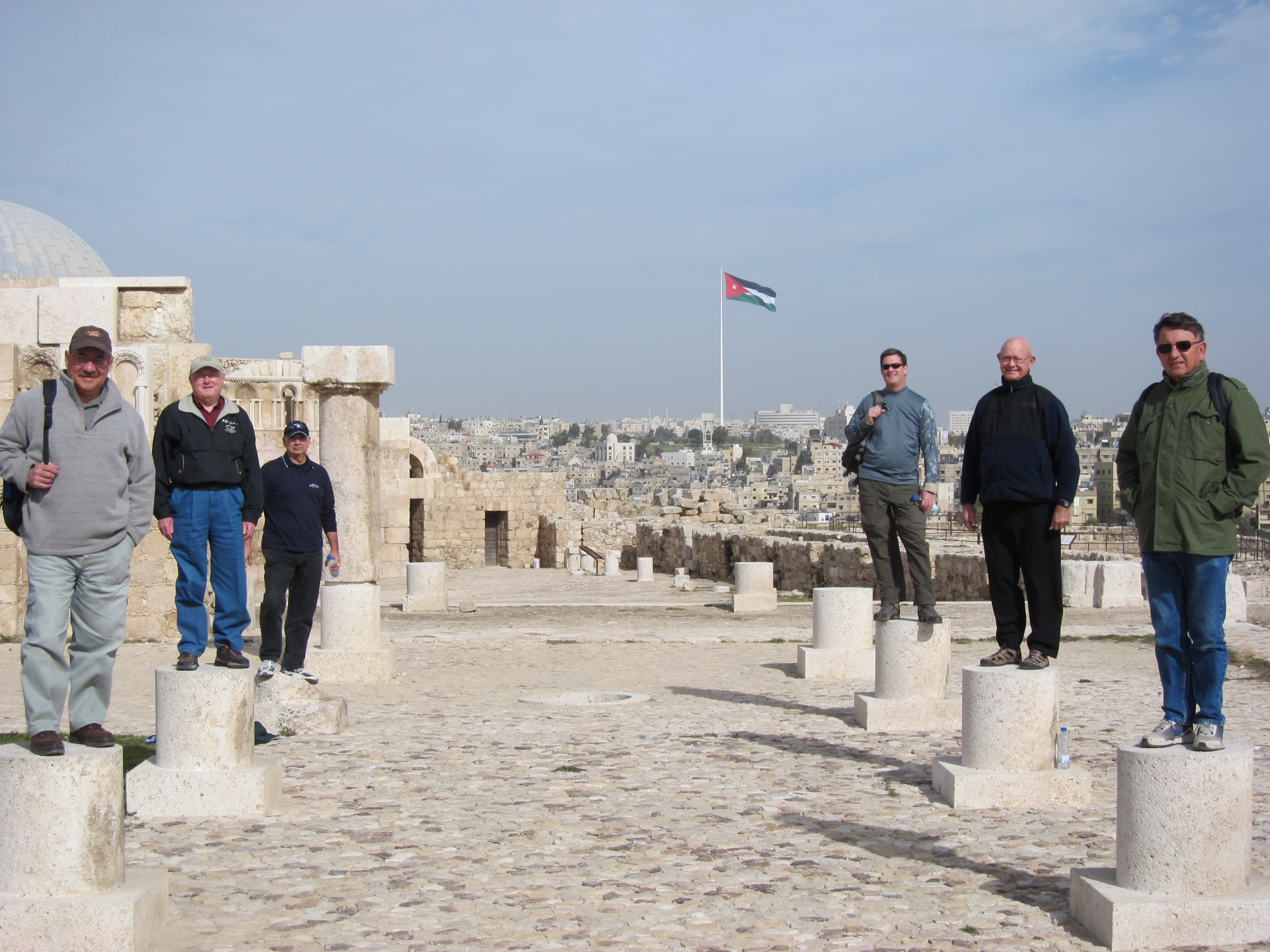
During my recent trip to Jordan, my team and I visited the Amman Citadel, a magnificent archaeological site located at the center of Amman. Situated atop a hill, the surviving columns of the Temple of Hercules hint at what once was a great temple dedicated to the popular hero-god. This open-air museum also boasts the remnants of a palace, a mosque, and a Byzantine church. The Jordan Archaeological Museum is also located at this site and houses artifacts recovered from archaeological sites around the country.

At the Temple of Hercules. | Amman, Jordan

At the Temple of Hercules. | Amman, Jordan

As at other archaeological sites I have visited, I noticed that all of the statues that survived the ravages of time have one thing in common — practically all of them are missing heads and arms. While a statue commemorates someone or something that was alive at one time, a statue lacks all of the essential qualities of life. A statue is, by nature, something that is cold, stiff, unresponsive, and inflexible. So, when time unleashes its pressures, the most vulnerable parts of the statue are the first to break.

Headless statue at Jordan Archaeological Museum.

Headless statue at Jordan Archaeological Museum.

The dictionary defines “flexibility” as “capable of being bent, usually without breaking” and “willing or disposed to yield.” Flexibility is important in everyday life. In fact, I usually advise the teams that travel with me to be more than flexible. I urge them to be fluid because regardless of how carefully we plan and prepare, something always happens or changes along the way. And the best way to survive those unexpected challenges is to be flexible and fluid. A stiff-neck will only result in unnecessary headaches.

Only the living can be flexible.

Only the living can be flexible.

Being flexible in life is the best way to keep from losing your head when you are hammered by things that are unexpected, unorthodox, or unconventional. You don’t have to compromise principles in order to survive, but you do have to be willing to consider where and how far you can bend. Flexibility allows us to make course corrections, to find creative solutions, reduces unnecessary stress, prevents possible injury, and helps us discover new ways of doing the same old things.

Don't lose your head!

Don’t lose your head!

So, the next time you are facing new or unexpected challenges — be flexible. Bend a little, or a lot. Be patient, kind, forgiving, and loving. Remember that only living and dynamic things can flex and flow. As for those statues in the museum, we may never know the names of the people they were meant to commemorate because they have lost their heads. Make sure you don’t lose yours!

Posted by: Omar C. Garcia | February 19, 2013

The Book of Eli

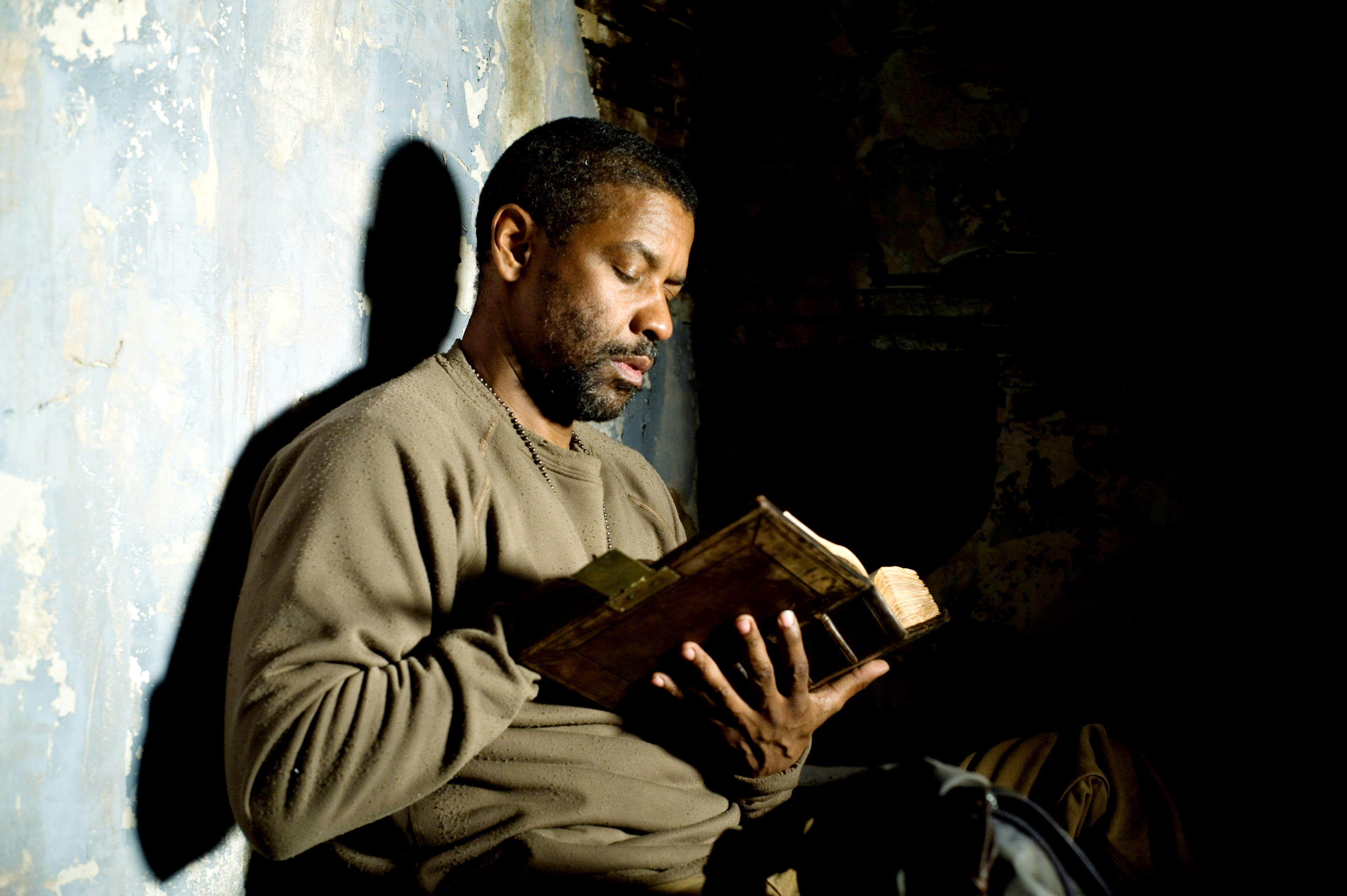
The-Book-of-Eli“The Book of Eli” is a fascinating movie about a man named Eli, played by Denzel Washington, who has the only remaining copy of the Bible in a post-apocalyptic world. Eli is determined to take this sole copy of the Bible to the west coast where a group of survivors is working to rescue, restore, and preserve any remaining copies of art, music, and literature for the benefit of future generations.

Eli’s nemesis is a man named Carnegie who desperately wants the book of Eli for himself. This local warlord relentlessly pursues Eli, mortally wounds him, and finally takes the book from him. The loss of the book prompts a conversation between a young woman named Solara and Eli, whom she has grown to admire and respect.

Solara: I didn’t think you’d ever give up the book, I thought it was too important to you.
Eli: It was, I was carrying and reading it everyday, got so caught up in protecting it, I forgot to live by what I’d learnt from it.
Solara: And what’s that?
Eli: To do more for others than you do for yourself.

Eli’s words to Solara are worth consideration. The Bible itself teaches that we must do more than hear or read its message. We must, in fact, live it out.

In his 1859 essay entitled “On Liberty,” British philosopher John Stuart Mill observed that Christians seemed to have the ability to say wonderful things without actually believing them. According to Mill, Christians easily parroted the words of Christ — words like, blessed are the poor; it’s better to give than to receive; judge not, lest you be judged; love your neighbor as yourself.

Mill concluded, “The sayings of Christ co-exist positively in their minds, producing hardly any effect beyond what is caused by mere listening to words so amiable and bland.” Mill’s words are painful to read. But, that is what happens when, like Eli, we fail to practice what we have learned from the pages of Scripture. It’s not enough to have the Bible in your hands or in your head if its truths never change your heart and lead you to love God and love others. Eli figured that out before the end of the movie. May we do the same.

Posted by: Omar C. Garcia | February 16, 2013

Learning About Homes

I was very fortunate to grow up in a family that encouraged me to learn about the larger world beyond our small South Texas town. My curiosity about far-away places was aroused by the travel stories I heard at family gatherings, by black-and-white slides as well as color photographs taken in various countries, by the books and magazines on our coffee table, by globes and maps and more. Each of these resources played a small role in helping me to piece together a picture of the world.

Last Fall our Missions Ministry launched a new resource to help kids learn about the nations — our Go Beyond Just for Kids magazine. Our first issue was all about water and helped our kids understand the challenges that kids in other nations face just to get water. Several families that read that issue talked to their kids about the water crisis and collectively raised $5,000.00 to drill a water well in El Salvador. Each family made small sacrifices. This month, a team from Kingsland will travel to El Salvador to drill the water well they funded.

Just for Kids 2013
Our newest issue of Go Beyond Just for Kids is all about homes. This 12-page issue features lots of photos and kid-friendly exercises to help our kids learn about houses around the world. We also have a two-page spread about what life is like for the kids who live at the Imparting Smiles orphanage in Cambodia. Our “How Can I Help?” section challenges each reader to save $5.00 so that we can build a home for a family in Panama. We want for our kids to understand that they can make a difference by praying for others in need and by making small sacrifices.

Copies of Go Beyond Just for Kids will be available this Sunday in your child’s classroom and also in the foyer of the worship center. Please make the time to look at this issue with your kids, to answer any questions they may have, and to help them understand what life is like for kids who live in far-away places. Pray with your kids and challenge them to do something to make a difference. We want for our kids to understand that you don’t have to be a grown up to change the world. You just have to be willing to go beyond!

Posted by: Omar C. Garcia | February 14, 2013

Like Eating An Elephant

Preparing for the 2013 Texas Water Safari

Progress. Doyle and I are definitely making progress as we continue our preparation for the 2013 Texas Water Safari. This 260-mile ultra-marathon canoe race is billed as the world’s toughest. And indeed it is. Everything about this race is designed to test the limits of a paddler’s endurance — the course, heat, hunger, thirst, sleep deprivation, river critters, portages, unexpected hick-ups along the way, log jams, rapids, flat water, wind, waves, and more. One thing is for sure, you don’t just buy a canoe and show up for this race. You have to train and train and train.

This morning we got an early start and drove to San Marcos to do the first 16-miles of the race, a stretch of water that has some technical challenges. On race day, we will have six-hours to make it from the starting line to the first checkpoint at Staples Dam. When Doyle and I agreed to do the race a few months ago and paddled this section of the course for the first time, it took us a full six hours. Disappointing. Today, we did it in less than four. That’s progress and the fruit of lots of training over the past months.

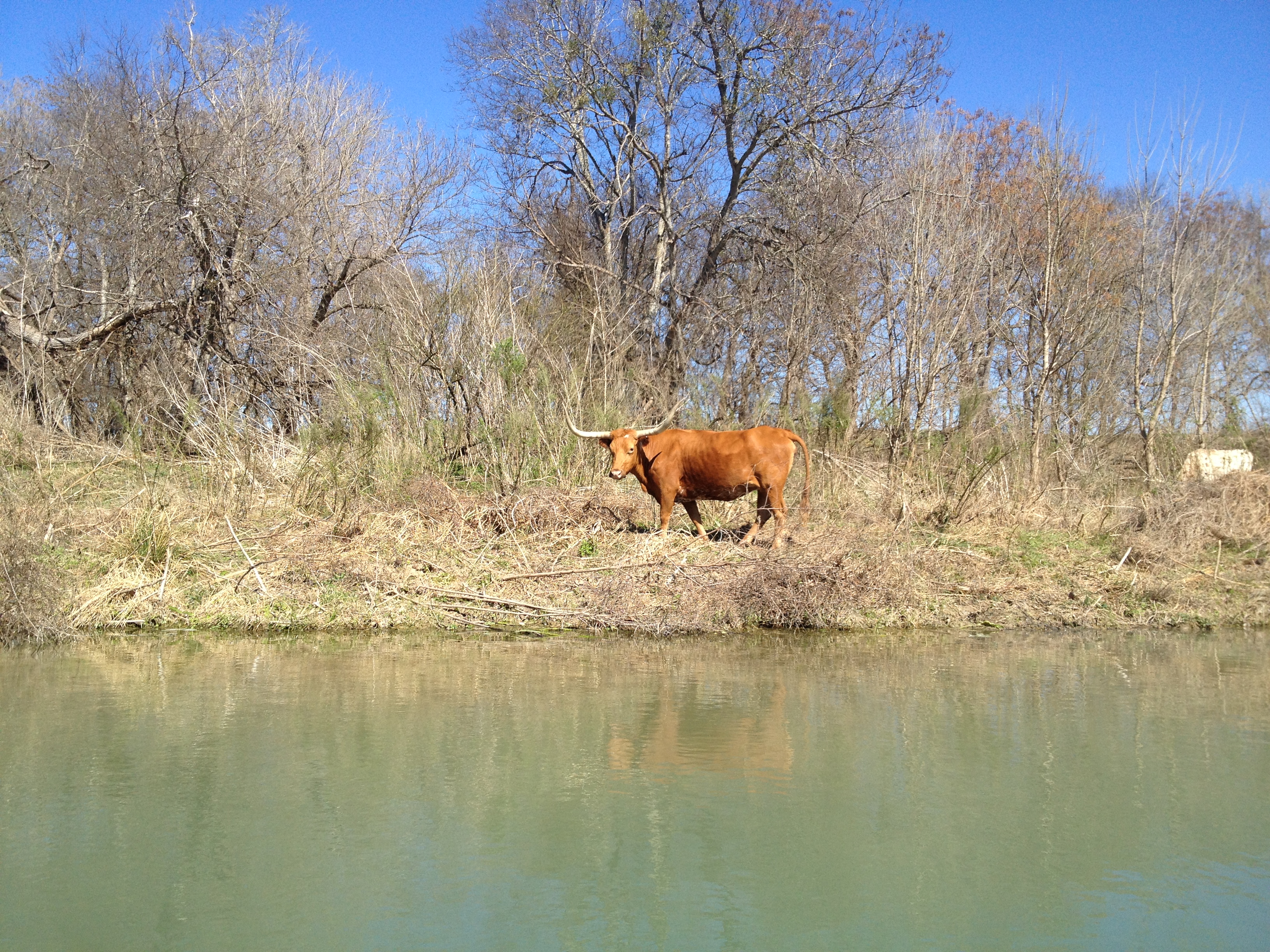
It was a beautiful day on the San Marcos River.

It was a beautiful day on the San Marcos River.

Although my son Jonathan and I completed the race last year, it’s still hard for me to wrap my mind around the hard realities of this race. In some respects, doing the Texas Water Safari is 90% mental with the remaining 10% being mental as well. It’s not enough to be in decent shape to paddle the race course. It takes a 100% mental commitment to not give up, to paddle through the pain, and to persevere to the end. Just like the Amazing Race, unexpected stuff can happen along the way that can end the race prematurely. But, barring no unexpected problems, we hope to make it from start to finish in less than the 100-hour time limit.

Portage at Cummings Dam.

Portage at Cummings Dam.

One of the things that I try to keep in mind is that this race is really ten shorter races that must be completed in succession. After leaving the starting line, we will have ten checkpoints, the final one being at the Salt Water Barrier on the Guadalupe River. From there, it is only sixteen-miles to the finish line at Seadrift, Texas, five of those miles being across the open water of San Antonio Bay. If we can complete these shorter races in the required times, then we can finish the big race. It’s just like eating an elephant. It may take a while but it can be done — one bite at a time!

A great reminder that we are training for the TEXAS Water Safari.

A great reminder that we are training for the TEXAS Water Safari.

Posted by: Omar C. Garcia | February 13, 2013

Wordless Wednesday

A leper's hands. | 22 March 2012 | Tenali, India

A leper’s hands. | 22 March 2012 | Tenali, India

Posted by: Omar C. Garcia | February 11, 2013

A Better Vantage Point

A vantage is a place or position affording a good view of something. The best vantage points are found in places that are situated above the obstructions that tend to limit or diminish our line of sight. I love a good vantage point. There is just something about a clear and unobstructed view that beckons me to come and see for myself.

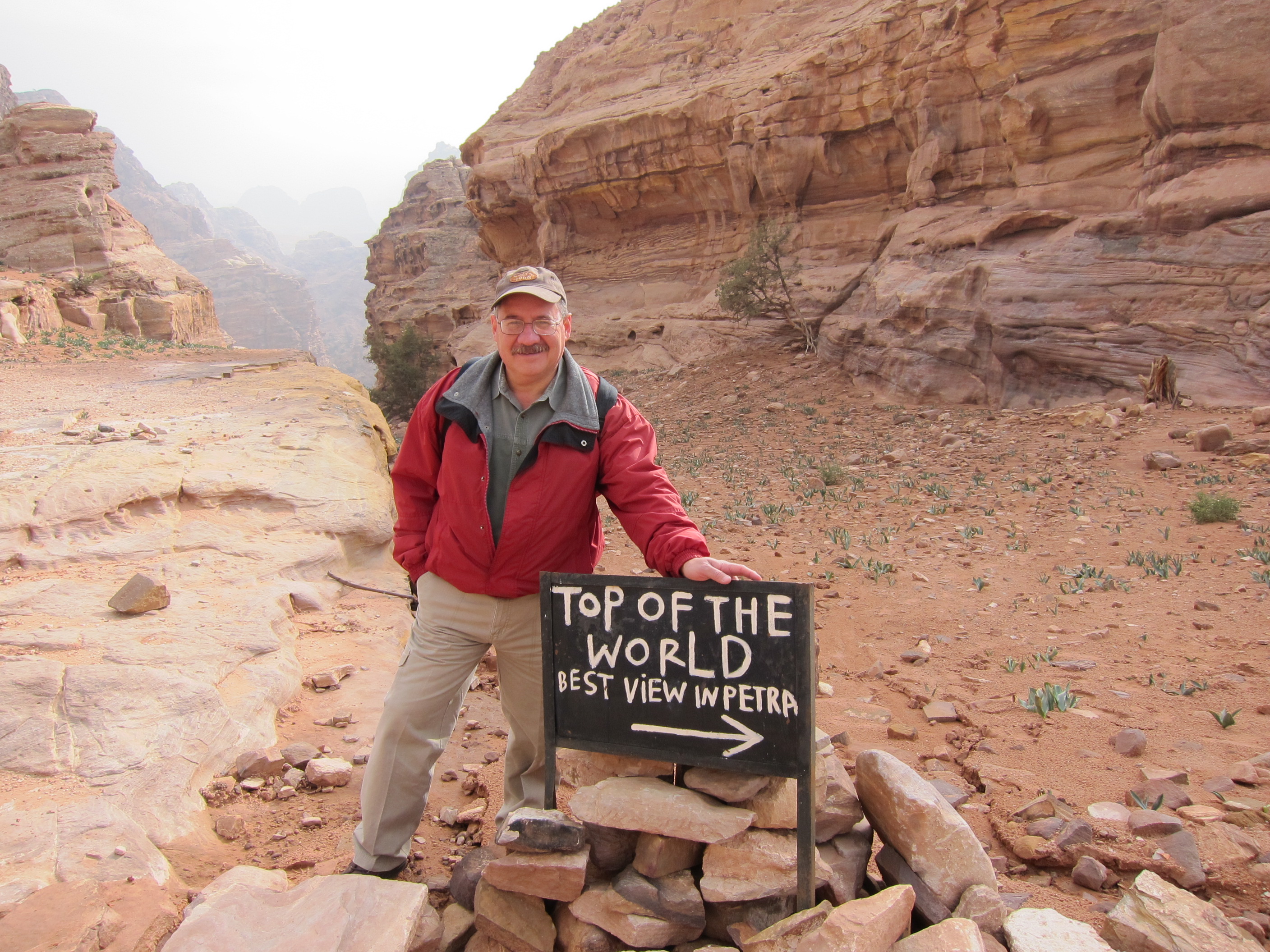
Top of the World 2
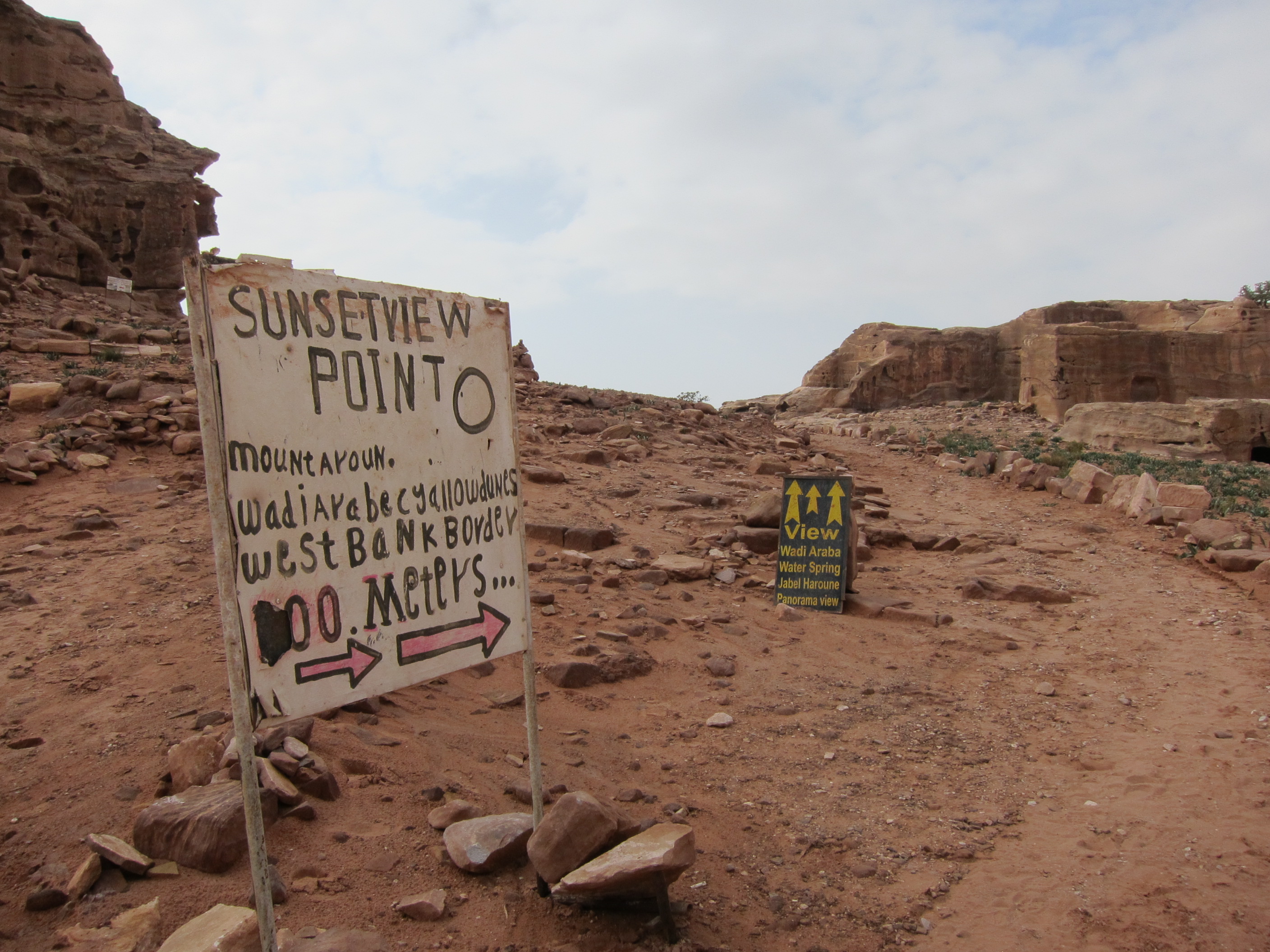
On my recent visit to Petra, my friends and I rode donkeys to El-Deir, the monastery carved into the rose-colored sandstone hills at Petra’s highest point. Just a short walk from the monastery is a hand-painted sign that beckoned us to go higher — to the “Top of the World,” an opportunity that we could not pass by.

Top of the World 3
I know that the top of the world is not located at Petra or anywhere near Petra. But, for the people who once lived at this ancient site, the peak just beyond the monastery was, for them, the top of the world. From there they could easily survey all of the surrounding territory. The view is indeed quite beautiful and worth the climb.

There is something in us that wants to know what things look like from high up or deep down or the other side — in other words, from a different vantage point. Centuries before Neil Armstrong and Buzz Aldrin landed on the moon, Italian astronomer Galileo Galilei wondered, “If you could see the earth illuminated when you were in a place as dark as night, it would look more splendid than the moon.” He was right.

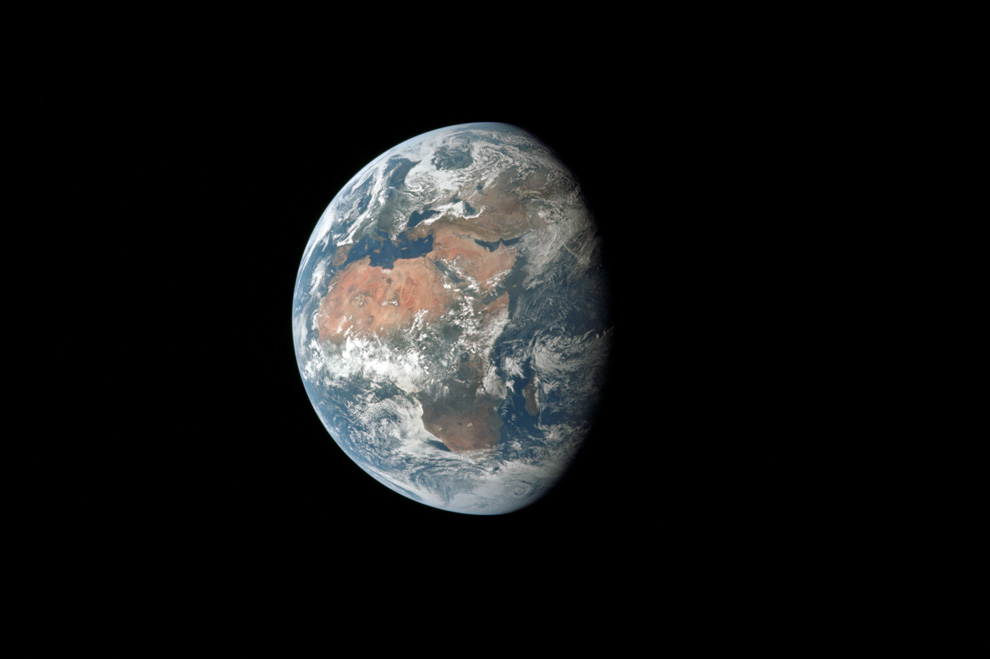
Earth from Moon
Looking back at Earth from the moon, Neil Armstong said, “It suddenly struck me that that tiny pea, pretty and blue, was the Earth. I put up my thumb and shut one eye, and my thumb blotted out the planet Earth. I didn’t feel like a giant. I felt very, very small.” Apollo 8 astronaut Frank Borman observed, “[The Moon] was a sobering sight, but it didn’t have the impact on me, at least, as the view of the Earth did.”

That is what a good vantage point can do for us. It can give us much-needed context for better understanding ourselves and the world we live in. It can also give us the kind of perspective that can motivate us to find solutions. When you look back at our tiny blue planet from the moon you cannot see the things that divide us, only what we have in common — that we all live on a small planet suspended in space and we are all very, very small.

It was by looking up into the heavens that David, the king of Israel, gained insight into the value of human life. He recorded his observations in Psalm 8. Although he felt microscopic against the backdrop of the macroscopic, he nevertheless concluded that we are more valuable to God than the planets. And he was right. Although we are small, we are valuable in God’s sight.

I wish we could all go into space and look back at the planet we all call home. Maybe then we might realize that while our little planet may look more splendid than the moon, we are certainly more prized to God than the planets. And maybe then we would put a higher value on life and work harder to find solutions to the things that separate us. It all starts with finding a better vantage point.

Posted by: Omar C. Garcia | February 8, 2013

Paddle Thru The Pain

Preparing for the 2013 Texas Water Safari

With the Texas Water Safari only a few short months away, Doyle and I remain committed to our training regimen. We agreed to meet at 6:00 AM to load our gear and head for the river. The plan for today was to paddle the almost 26 miles from Palmetto State Park to Gonzales, two of the checkpoints on the race course.

The only problem is that I woke up feeling absolutely crummy. I have been battling sinus congestion since I returned home from Jordan late last week and hardly slept a wink last night. About 4:30 this morning I turned to Cheryl, groaned, and said, “I feel awful and I have to get up and go do another training run with Doyle.”

Cheryl turned to me and said, “Fantastic. This will be a good day for you to train. You will just have to paddle through the pain, just like when you are doing the safari.” With that, she rolled over and went back to sleep! “She’s right,” I thought to myself. “I just have to get up and get going.” No excuses — especially since the safari is fast approaching.

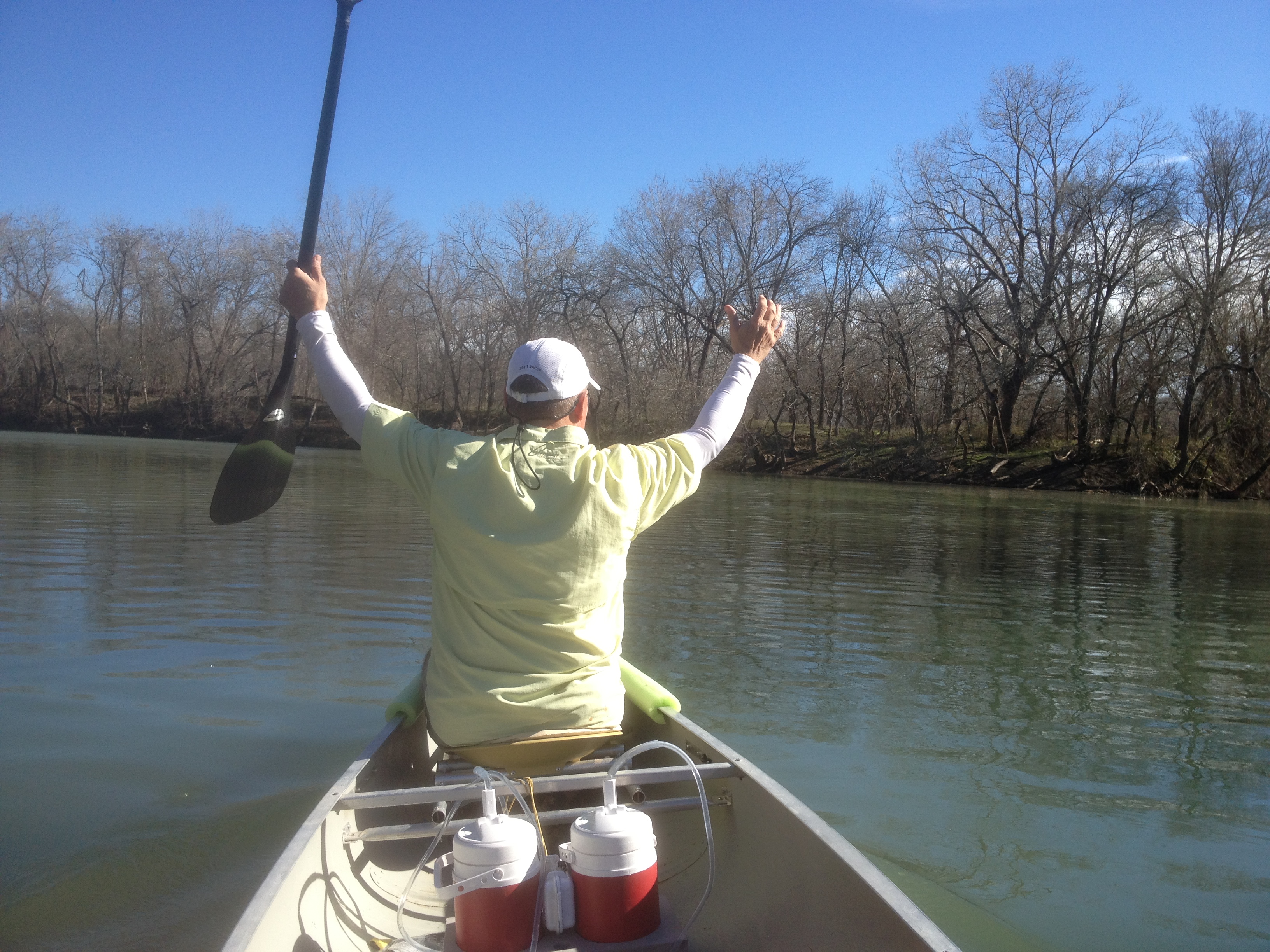
Omar at RR Bridge

On the San Marcos River en route to the confluence of the Guadalupe River.

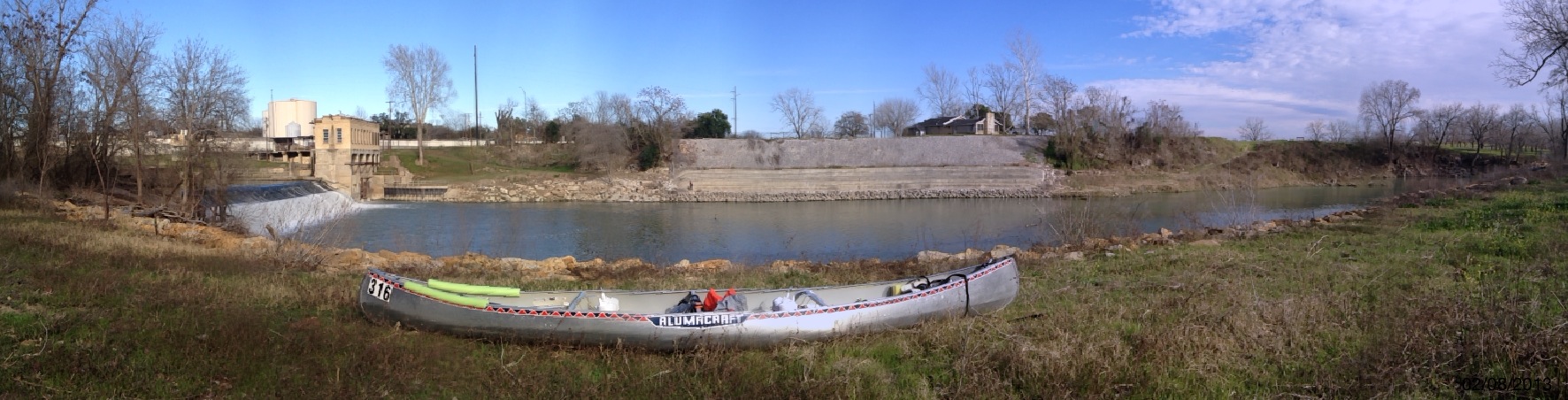
Today turned out to be one of the most beautiful days we have spent on the river and one of our best training days. The weather was perfect and we averaged a little more than four miles per hour in our Alumacraft canoe. One of the best parts of the day was reaching the confluence of the San Marcos and Guadalupe Rivers.

Reaching the Guadalupe River felt great because this is the river we will paddle all the way to San Antonio Bay and then on to the finish line at Seadrift, Texas. It is a significant milestone on the race course. Someone described the Texas Water Safari as a race to Gonzales and a death march to Seadrift. We will definitely have to paddle through the pain from the confluence of these rivers near Gonzales, Texas all the way to the finish line.

At the confluence of the San Marcos and Guadalupe Rivers. Finally!

At the confluence of the San Marcos and Guadalupe Rivers. Finally!

So, as bad as I felt this morning, I am tired but feeling much better after today’s training run. Doyle and I know that we have to make the most of every training run between now and the race. There is a reason why the Texas Water Safari is billed as the world’s toughest canoe race. Every competitor has to paddle through the pain if they expect to make it to the finish line. We are certainly prepared to do the same.

Portaging around Gonzales Dam.

Portaging around Gonzales Dam.

Portaging at Gonzales Dam.

Portaging at Gonzales Dam.

Posted by: Omar C. Garcia | February 6, 2013

Wordless Wednesday

IMG_2238

Curious onlooker. | 28 January 2013 | Salt, Jordan

Posted by: Omar C. Garcia | February 4, 2013

Tears of Everyday People

My wife will tell you that until a few years ago, the thing I hated most about travel was packing for a trip. Over time, however, I developed a system for packing that has made putting my stuff into my luggage a bit more tolerable. Of course, returning home means I have to take things out of my luggage, including lots of stuff that needs to be laundered. For me, that means a trip to the dry cleaner, usually the day after I return home.

I have taken my clothes to the same dry cleaner for the past seven-plus years. They do a great job of laundering my clothes. And because I stop by at least once or twice a week, I have come to know and appreciate the folks who work there. When they see me pull into one of their parking spaces, they will usually have my ticket filled out by the time I get into the store. I like that kind of service.

Whenever I am preparing to go out-of-town I make it a point to tell the nice folks at the dry cleaners that I will be away and what I will be doing. They know that I am a pastor who leads others to serve around the world. This morning, I had a conversation with the manager. She was out sick when I returned home from Jordan late last week. So, this morning she asked me about my trip.

TearsI told my manager friend about how my team and I served Syrian refugee families living in Jordan. I also shared with her about some of the losses these families have experienced and the challenges that they are facing as they try to rebuild their lives. As I was talking, the young lady’s eyes welled up with tears. “I don’t know if I could ever do something like that,” she said. “It would be so hard for me to see families in so much pain.”

My friend thanked me for what we had done to help the Syrian refugee families and especially for sharing the hope of the gospel with them. I was moved by her tears, her tender heart, and her encouraging words. The Lord reminded me this morning that there are lots of people we come across in our regular routines who care deeply about what is happening in our world.

I know that so many of the people I interact with in the course of my daily comings and goings will never be able to travel to places like Jordan to meet the practical needs of people in pain. But that does not make them any less compassionate or concerned about the plight of others. I believe that God is moved by their tears and that He hears the prayers and longings of their hearts for the welfare of those in pain.

I know that I am privileged to be able to serve people in need around the world and to mobilize others to do the same. I will never take such a privilege for granted. But I am even more privileged to know really nice and hard-working people who affirm me in what I do and who really do care about what is happening in our world. I appreciate the tears of everyday people.

« Newer Posts - Older Posts »

Categories