Posted by: Omar C. Garcia | August 25, 2013

Grace’s Lemonade Stand

I had a pleasant and uplifting surprise today — one that warmed my heart and made me smile. Grace Carmichael, one of our Kingsland kids, brought a special offering to church this morning. Last week, Grace set up a lemonade stand in her neighborhood to raise money to fight human trafficking. She enlisted the help of her grandparents who provided baked goodies and also recruited some friends to help her. Grace raised $65.00 and brought her gift to church in a zip lock bag.

Grace Carmichael Gift
Grace’s mother Rachel said, “Grace knew very little about problems outside of her small world until this church purposefully took a stand and action” to fight human trafficking. She added, “It was a marvelous sight to see my nine-year-old teach people about the problems of human suffering and give selflessly.” Grace modeled what we often tell our kids at Kingsland: you don’t have to be a grown-up to make a difference in our world.

Grace Lemonade Stand
One of my favorite songs is entitled “By Our Love” by singer Christy Nockels. One of the verses of the song says, “Children, you are hope for justice, stand firm in the Truth now, set your hearts above. You will be reaching, long after we’re gone, and they will know you by your love!” If we teach our children about justice today, then it’s possible that our children will become champions who will come to the aid of those who will suffer oppression in the next generation.

Grace Lemonade Sign
At Kingsland, we encourage and guide parents to be the primary faith trainers of their children. Our prayer is that as we work alongside parents, we can teach our kids to be a little less selfish, a little more thoughtful of those in need, and much more willing to make personal sacrifices in order to make a difference. We also hope that as a result of intentionally teaching our children about justice, our children will do something to make a difference both now and in the years to come.

Grace and Friends
I am proud of Grace and encouraged by the fact that she did something practical and measurable to help people in desperate need. Her gift will help us as we continue to work on behalf of the 27 million people in the world today who are trapped in some form of slavery. One-hundred percent of her gift will be used to help victims of human trafficking both locally and among the nations.

May we continue to teach our kids about the unfamiliar passions of God — caring for the least of these, helping the weak, and championing the cause of the oppressed. And may we continue to teach them that they can make a difference now. I appreciate the fact that Grace’s parents and grandparents encouraged her to follow-through on her idea to set up a lemonade stand for justice. That’s a great way to raise up a generation of champions.

Posted by: Omar C. Garcia | August 23, 2013

My Dime Box Adventure

A little more than a week ago, I spent some time looking at my Texas map to plan my next back roads adventure. When I saw the little town of Dime Box on the map, I knew that was where I needed to go via the most meandering route available. I can’t say enough about the therapeutic value of these one-day back roads adventures. The windshield time on our beautiful Texas back roads gives me lots of room to breathe and plenty of time to pray and to think deeply about a lot of things. And today, I needed this time more than ever.

Gravel Road
I woke up this morning anxious to hit the road to Dime Box, a small community located 12-miles northeast of Giddings. The town was founded sometime between 1869 and 1877 by a man named Joseph S. Brown who built a sawmill about three miles northwest of the present community. Within a short period, other settlers came to the area and the community became known as Brown’s Mill.

Dime Box House
Brown’s Mill had no post office in its early days, so settlers placed their outgoing mail and a dime in a box in Brown’s office for weekly delivery to Giddings. However, when the postal service officially opened a post office in Brown’s Mill in 1884, they asked that the community be renamed to avoid confusion between Brown’s Mill and Brownsville. The community was then renamed Dime Box.

IMG_1216In 1913, when the Southern Pacific Railroad built a line three miles from Dime Box, the folks there moved closer to the railroad. The original settlement became known as Old Dime Box and the new one became known as Dime Box. The railroad brought in new settlers and, at its peak, the population of Dime Box grew to five-hundred. The population has since declined to a little more than two-hundred people.

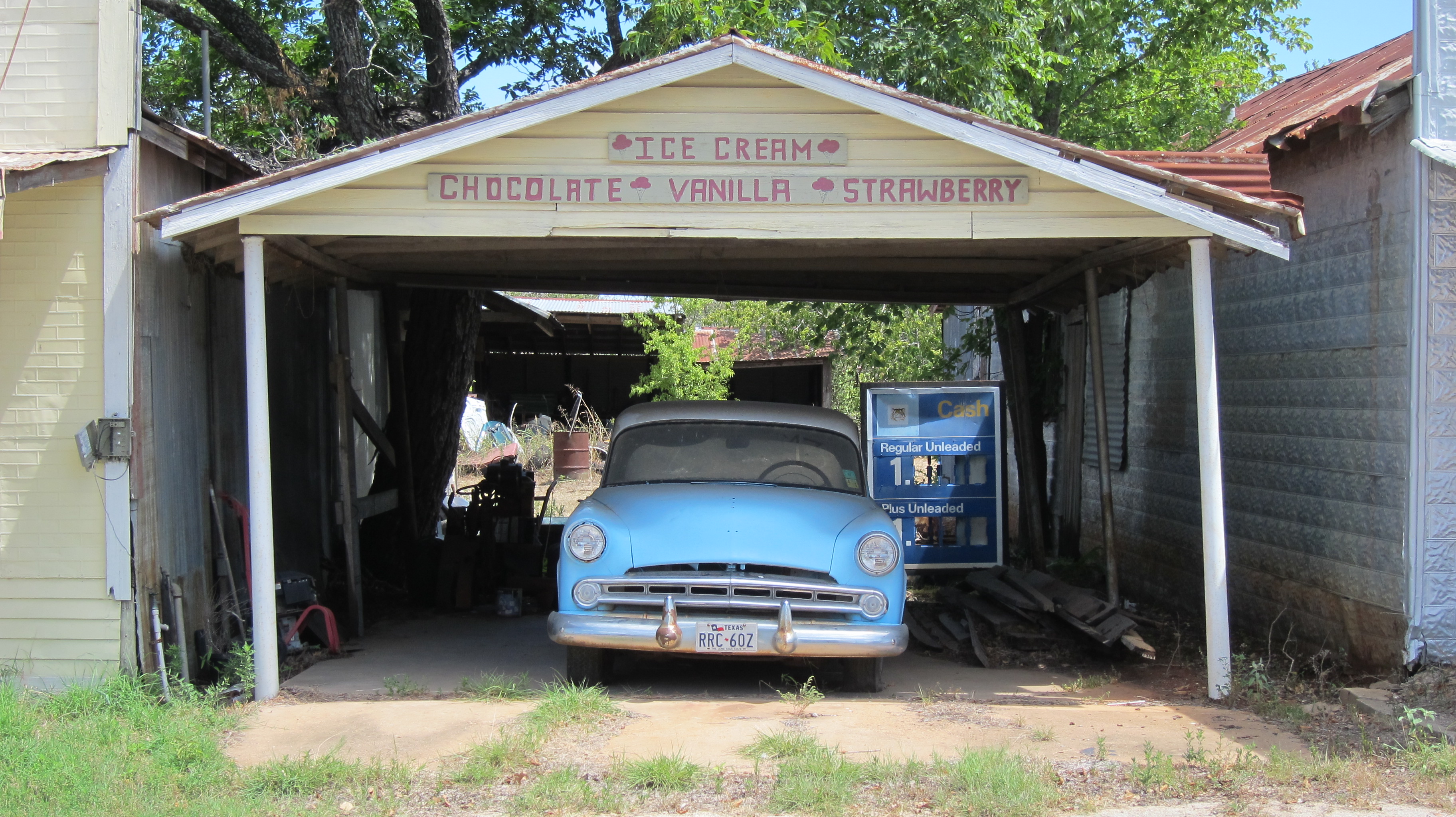
Dime Box Chevy
Dime Box had its fifteen-minutes of fame in the 1940’s when a CBS broadcast kicked off the national March of Dimes drive from Dime Box. Today, Dime Box is a quiet little community. I drove slowly around town and stopped to chat with one fellow who was walking down the street. I enjoyed my brief time in Dime Box but also enjoyed the journey to and from there. I always see the journey as an important part of the adventure. I lost track today of how many times I stopped along the way to take pictures and to explore old abandoned houses.

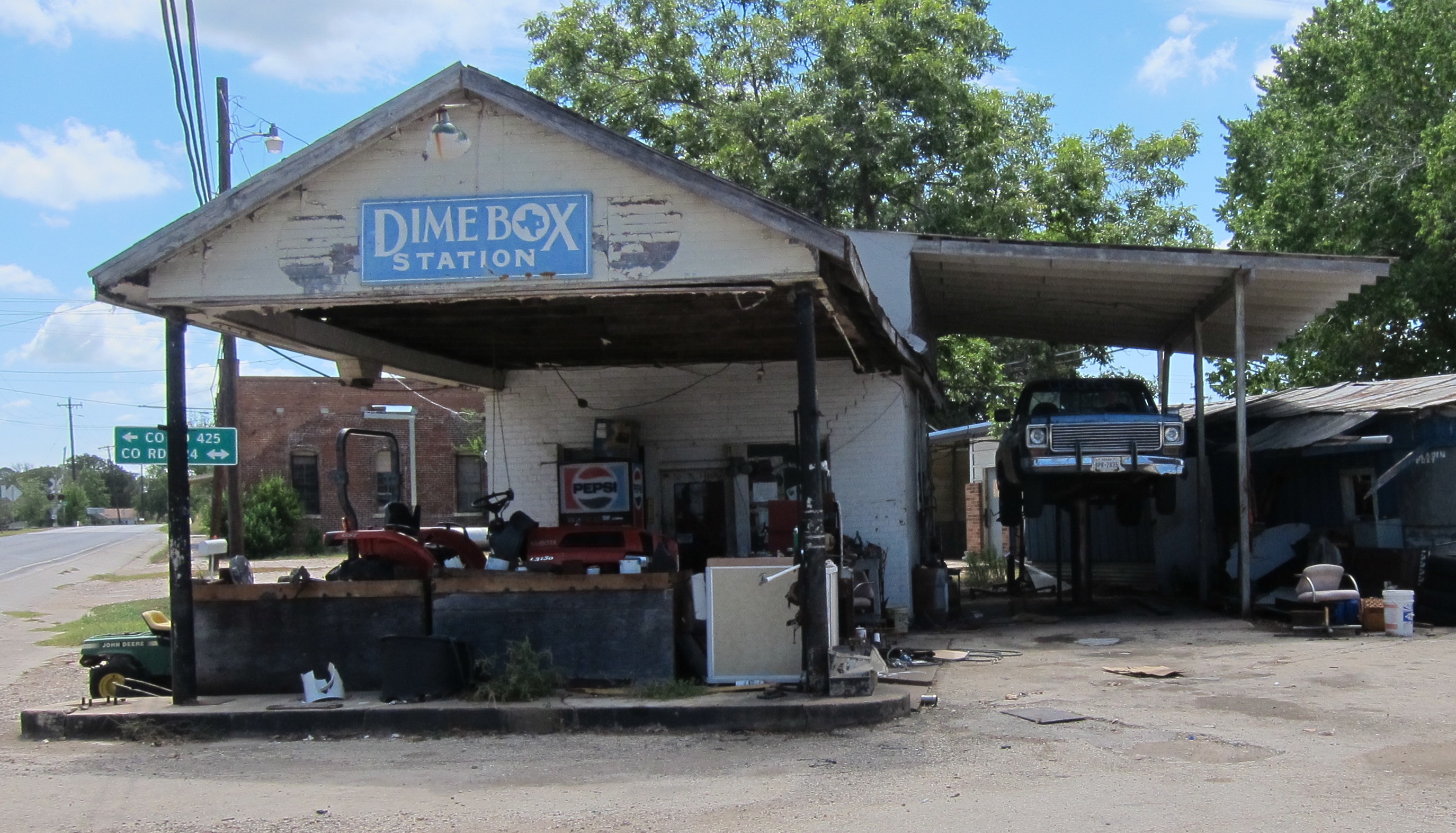
Dime Box Station
While I liked making some new back roads discoveries today, I am especially grateful for the quiet time and the opportunity to reflect on a number of things weighing heavily on my heart. Today, my truck was my prayer closet. God refreshed me with insights from His Word and through some great praise music — all in the context of some lonely and scenic Texas back roads. I’m glad I don’t have to place my concerns in a letter box, pay a dime, and then wait a week for them to be delivered to God. He is always happy to hear from us and works much faster than the postal service.

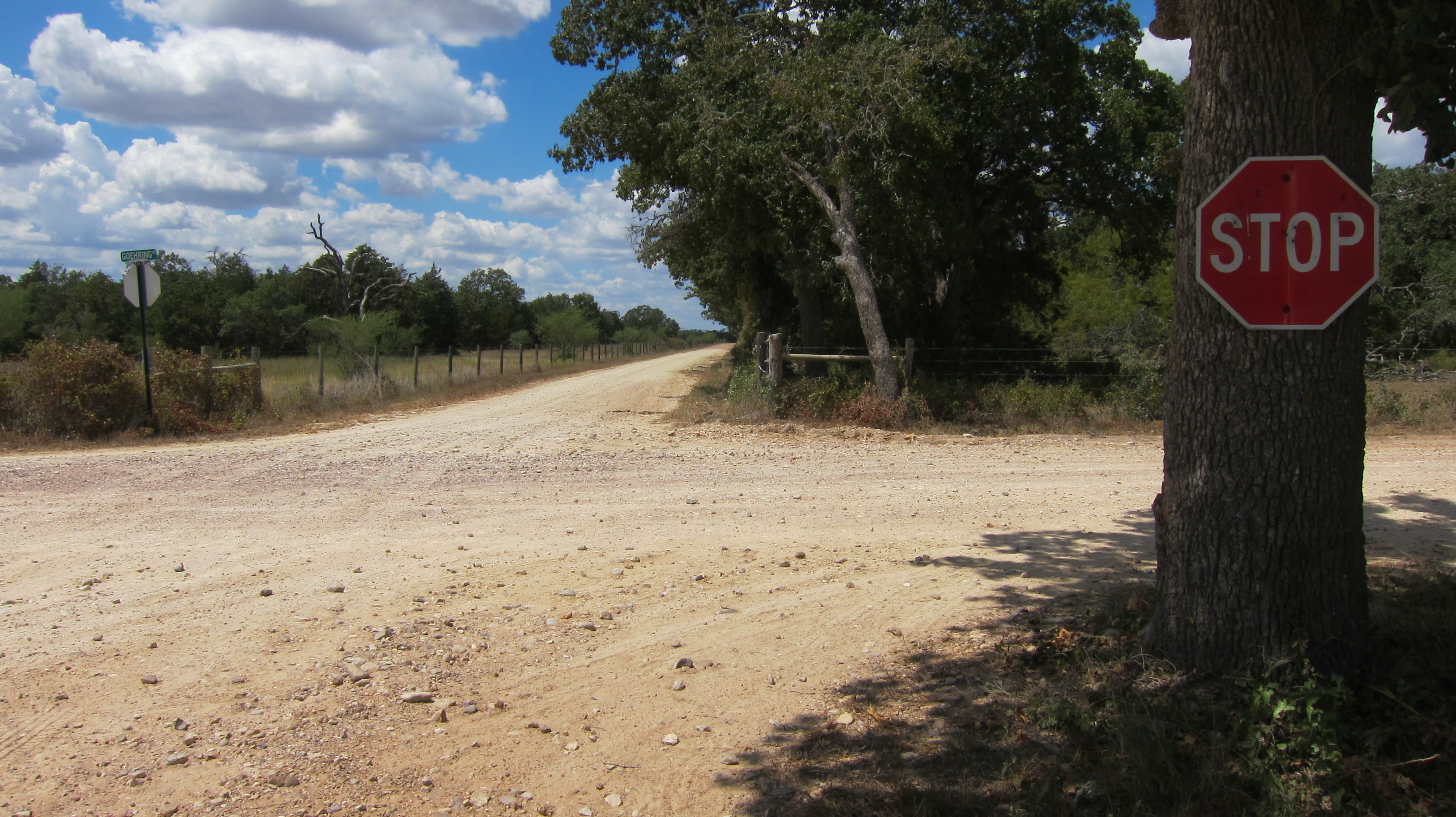
Stop Sign

Posted by: Omar C. Garcia | August 22, 2013

Here Be Dragons

I am a map nerd! I have loved and collected maps since I was a kid. In August of last year, I visited the Greek Orthodox Basilica of Saint George in Madaba, Jordan to see one of the oldest maps in the world. The 6th century map at the church is a mosaic made up of more than a million small square-cut stones carefully laid onto the floor of the church. It is regarded as the oldest surviving original cartographical depiction of the Holy Land.

This week, I was more than excited to learn that an Austrian collector had found what may be the oldest globe to depict the New World. Dated 1504, the globe is engraved in intricate detail on an ostrich egg the size of a grapefruit. Locations on the globe are labeled in Latin. But perhaps the most intriguing notation on the fragile little globe are the Latin words Hic Sunt Dracones, engraved above the coast of Southeast Asia.

Oldest Globe
The words Hic Sunt Dracones are translated “Here Be Dragons.” Thomas Sander of the Washington Map Society said, “In early maps, you would see images of sea monsters; it was a way to say there’s bad stuff out there.” We don’t know who engraved the map on the ostrich egg, but Sanders thinks that it was someone from Leonardo Da Vinci’s time. This unknown cartographer, possibly commissioned by an Italian noble family, consolidated knowledge from travelers of his day and made the globe.

The ostrich egg globe was accurate only for a short time. As explorers continued to go beyond the boundaries of familiar places, they gathered new information that helped cartographers to update their maps. Little by little, intrepid explorers ventured into the habitation of dragons only to discover that there were no sea monsters there, only new lands to explore. And little by little, the depictions of sea monsters began to disappear from our maps.

There is a geography to each of our lives, a map of sorts that defines the farthest we’ve ever been and the most we’ve ever done. Beyond those familiar boundaries lies the habitation of dragons — the uncharted and unfamiliar and frightening places. Fear of encountering dragons can immobilize us and keep us from making new discoveries about ourselves and the world at large. We will, however, never redefine the geography of our lives until we are willing to confront the dragons.

My personal prayer is that I would always have the courage to go beyond — to venture into the habitation of dragons. Only then will the words Hic Sunt Dracones begin to fade from the map of my own life. Only then will I make new discoveries about myself and about the world around me. And only then will those who come after me be inspired to do the same. May we always have the courage to do what it takes to redefine the geography of our lives. Go beyond where you are and venture into the habitation of dragons.

Posted by: Omar C. Garcia | August 21, 2013

Wordless Wednesday

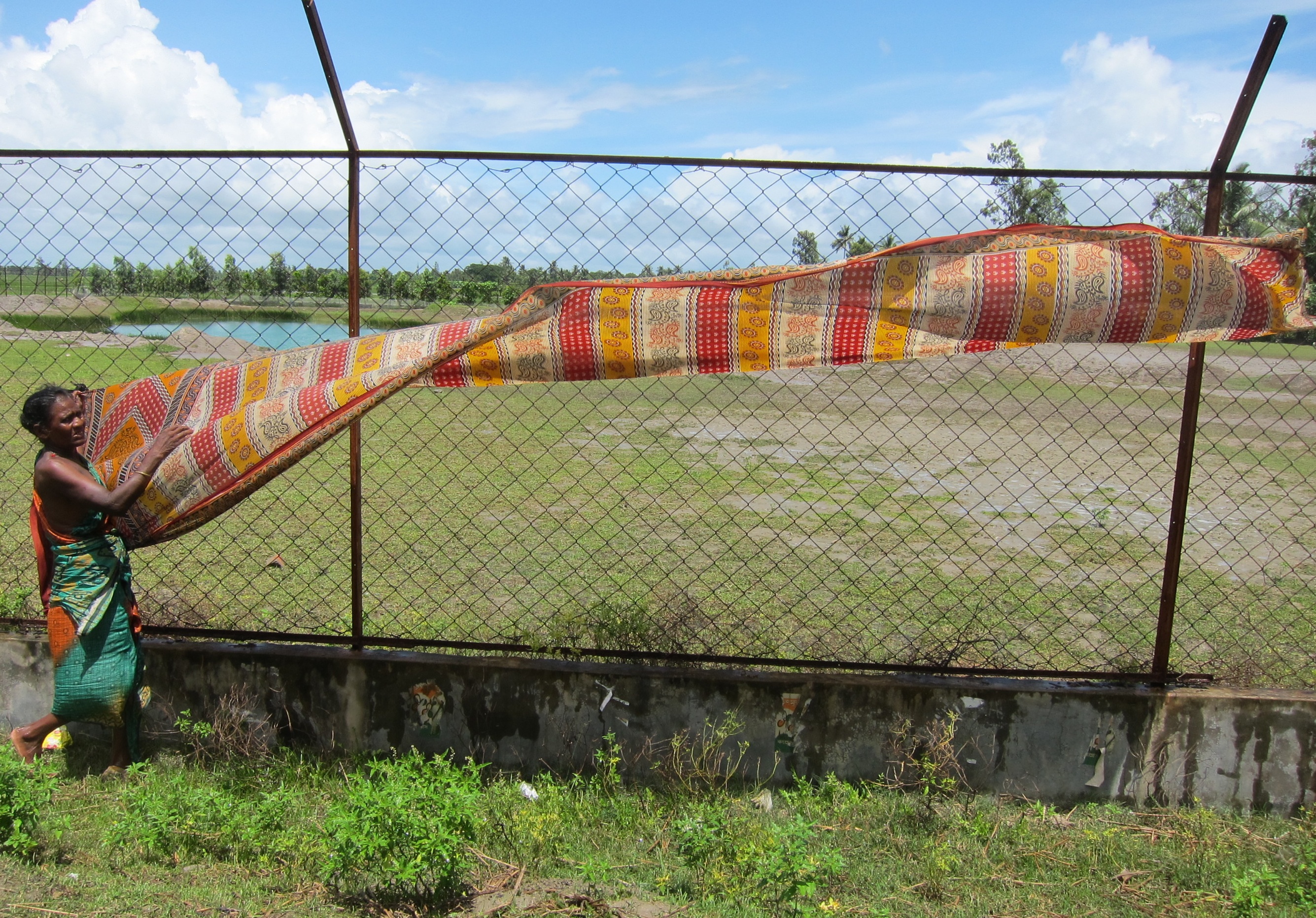
Sari in the Wind

Hanging her sari out to dry on a windy day. | 21 July 2013 | Sundarbans, India

Posted by: Omar C. Garcia | August 19, 2013

Millstones of Justice

GavelYesterday, the Kolkata edition of The Times of India newspaper featured a story about another small victory in the fight against human trafficking. Six years after her arrest, a brothel madam was convicted of human trafficking and sentenced to “seven years rigorous imprisonment” — something that is supposedly akin to hard labor under tough conditions. Although it took a long time, the victim finally had her day in court and justice prevailed.

The news account is instructive because it describes the methods that traffickers use to trap and subdue their victims. The process generally starts with deception. Many of the stories about sex trafficking victims begin with an account of how they were deceived and lured away from their homes by people they trusted.

Jesus said that the devil “is a liar and the father of lies” (John 8:44). And, those in league with the devil know how to cleverly use lies and deception. Isaiah 32:7 states, “As for the scoundrel—his devices are evil; he plans wicked schemes to ruin the poor with lying words, even when the plea of the needy is right.”

According to the victim, the brothel madam “turned up at her home in a poverty-ridden village in North Bengal and promised her a job in Kolkata.” However, once she arrived in Kolkata, the woman forced her young victim to work in Sonagachhi, the largest red-light district in Kolkata. “She forced me to serve customers,” the victim told the judge, “and do bad work.”

In 2007, the Kolkata police, with the assistance of International Justice Mission, raided the brothel where the young woman was forced to work. They rescued her and arrested the brothel’s madam, owner, and manager. The pregnant young victim was placed in an aftercare home where she later gave birth to a boy. She also received counseling and vocational training and now works for a boutique that employs trafficking victims.

In India, where there is such a backlog of cases before the courts, it can take years before a case is brought to trial. But, six years being arrested for forcing a young village girl to work in filthy brothel, the woman responsible was finally held accountable for her deeds. John Gibson (1780-1853), a Pennsylvania Supreme Court justice, said, “The millstones of justice turn exceedingly slow, but grind exceedingly fine.”

I was so happy to read this story because the Kingsland women who have served on our justice initiatives to Kolkata know this young lady and her little boy. She is a reminder to us of why we are engaged in the fight against human trafficking and why we invest in aftercare initiatives in Kolkata and beyond.

We are motivated to do something about the issue of human trafficking because the plight of the oppressed is something that breaks God’s heart. Isaiah 58:6 says, “Is not this the fast that I choose: to loose the bonds of wickedness, to undo the straps of the yoke, to let the oppressed go free, and to break every yoke?”

May we continue to embrace God’s passion to reach the lost, rescue the oppressed, care for the suffering, and to speak on behalf of those who have no voice. And may we continue to work toward the day when “man who is of the earth may cause terror no more” (Ps. 10:18) in the lives of young girls.

Posted by: Omar C. Garcia | August 16, 2013

Kingsland Kids Care

I often tell kids at Kingsland that you don’t have to be an adult to make a difference in the world. You just have to care and then do something to help others. And that is exactly what so many of our kids have learned to do. We take seriously the part of our purpose statement that says we are committed to equipping the next generation one home at a time. We want to raise a generation of kids who love God and love people — who understand the importance of not merely looking out for their own personal interests, but for the interests of others as well.

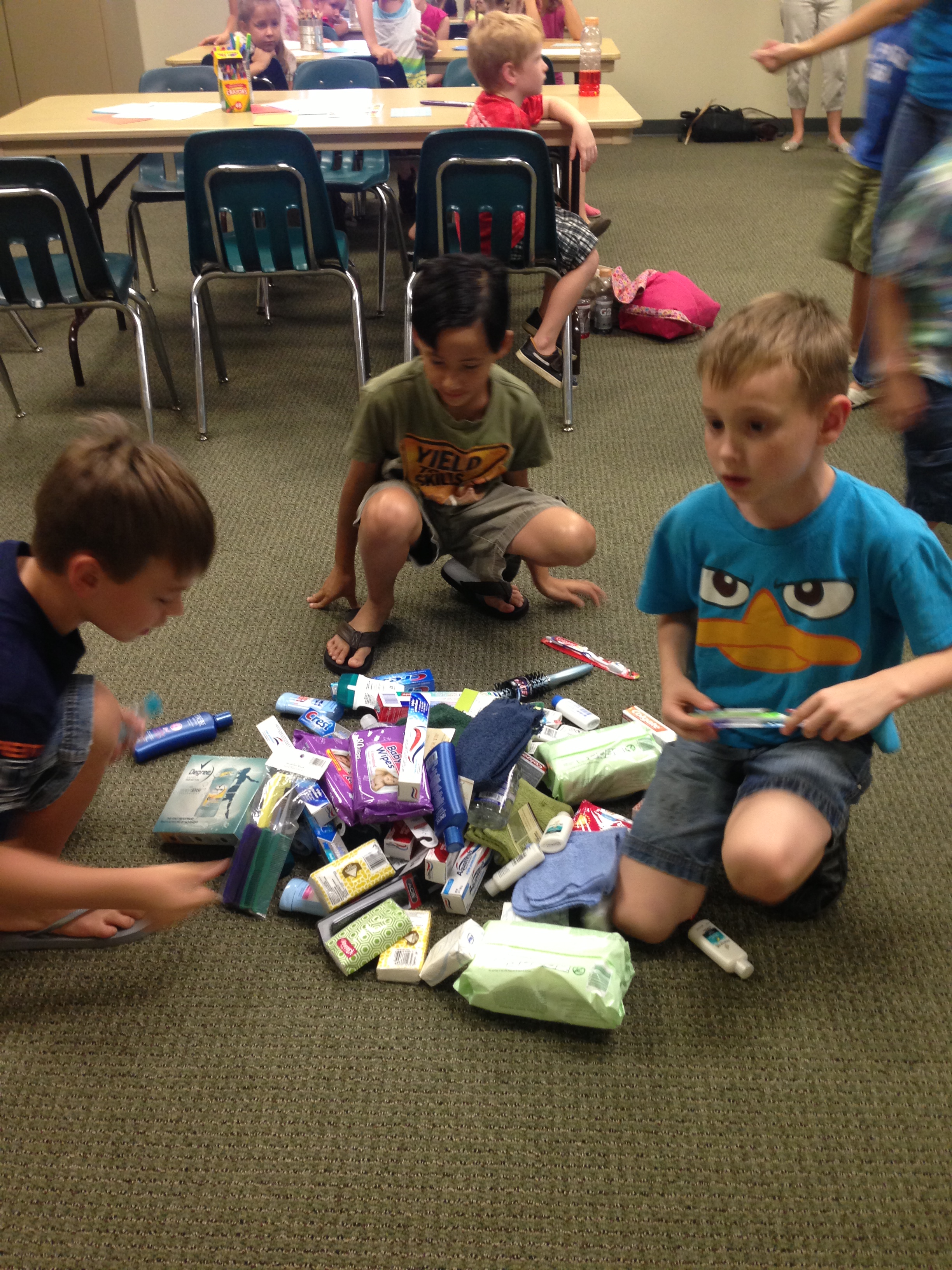
Kids Hygiene Boys
On the night before he was assassinated, Martin Luther King, Jr. preached a sermon in which he challenged his audience to “develop a kind of dangerous unselfishness” — like that demonstrated by the Good Samaritan. King said, “The Levite asked, ‘If I stop to help this man, what will happen to me?’ But the Good Samaritan reversed the question: ‘If I do not stop to help this man, what will happen to him?’ That’s the question before you tonight.” And that’s the kind of question that we want to teach our kids to ask. We want for them to develop a dangerous unselfishness.

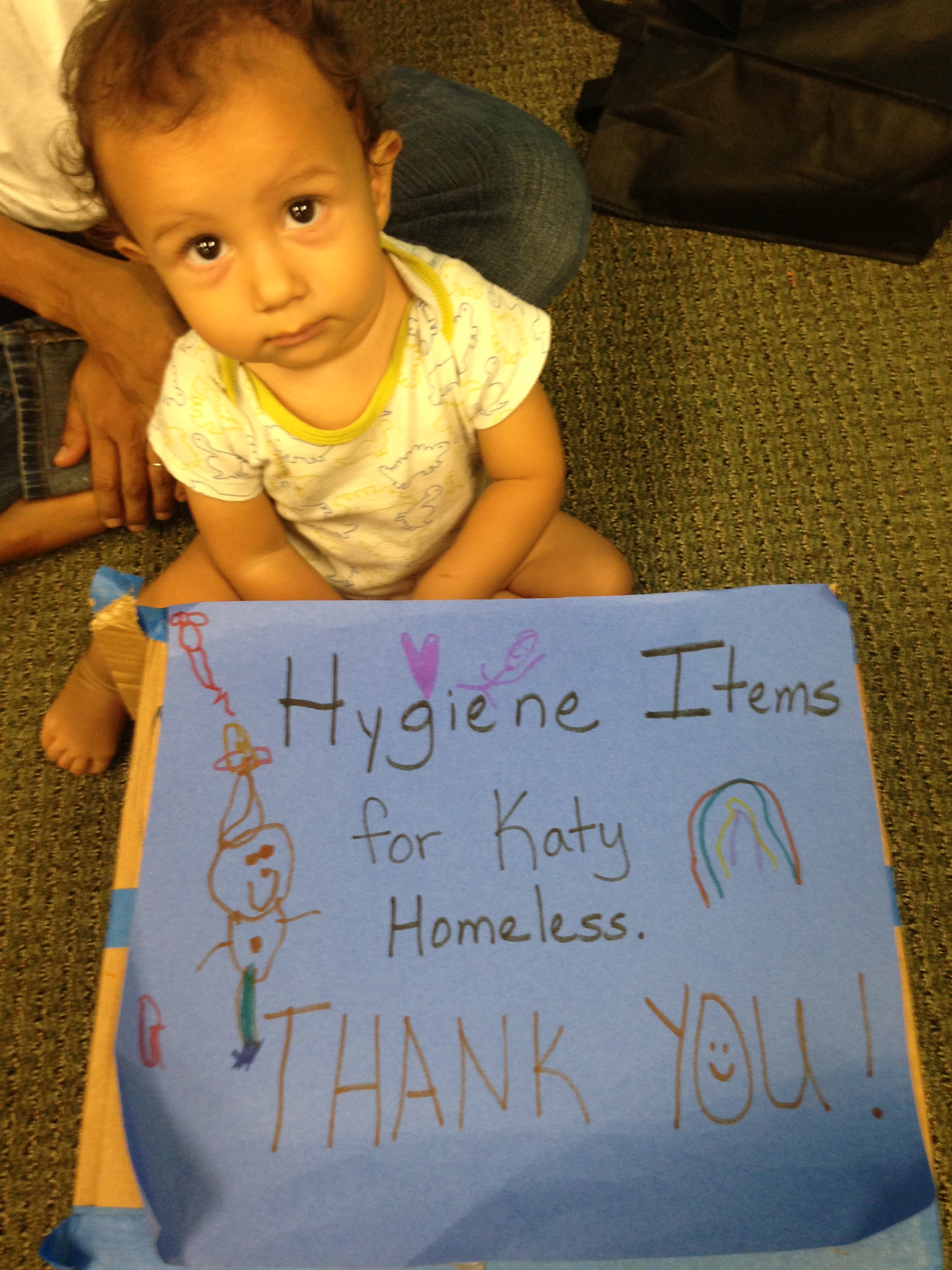
Kids Hygiene Girl
Earlier this week a group of Kingsland kids met at the church to assemble hygiene bags to distribute at the monthly medical clinic for the homeless that we host at Kingsland. I loved the energy in the room. I had the privilege of sharing why we are helping the homeless, how many homeless people live in our area, and the importance of demonstrating God’s love to them in a practical way. And then the kids put together the kits that will be such a blessing to the homeless in Katy. I especially liked that they each wrote personal notes of encouragement to include in the hygiene kits.

Kids Hygiene Group
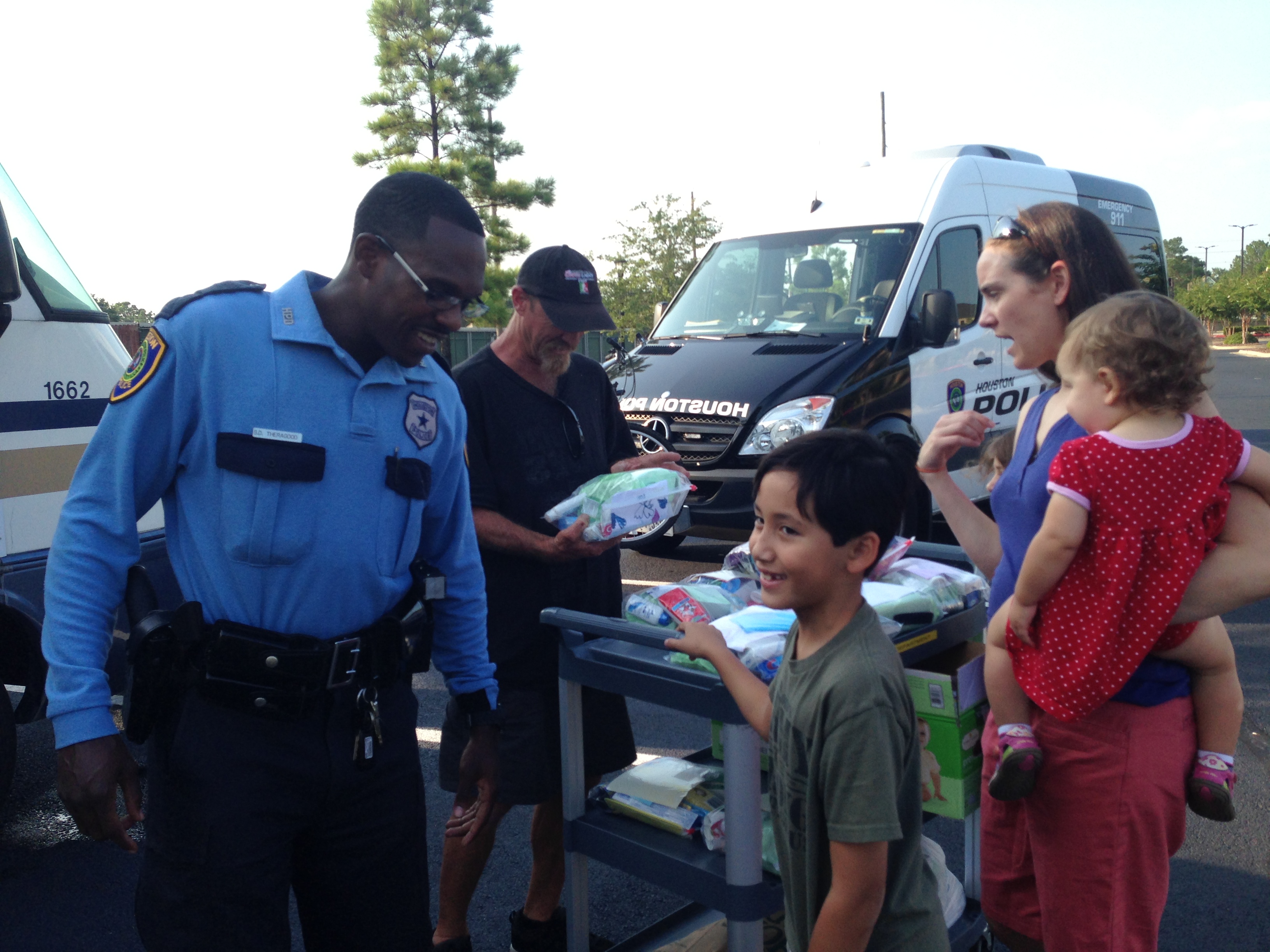
This morning, I met with a few of the kids to hand the hygiene kits off to Houston Police Department’s Homeless Outreach Team and the medical staff at the mobile clinic. Our group also provided breakfast goodies for the homeless. I really appreciate my friend Officer Giraldo and his team for taking time to talk to our kids about what they do and to personally thank them for their kindness. We made some good memories this morning that I pray will continue to inspire our kids to continue to go beyond by caring for others.

Kids Hyiene Bags

Posted by: Omar C. Garcia | August 14, 2013

Wordless Wednesday

Reader Man

Reading good news. | 22 July 2013 | Sundarban Islands


Posted by: Omar C. Garcia | August 11, 2013

Building Sweat Equity

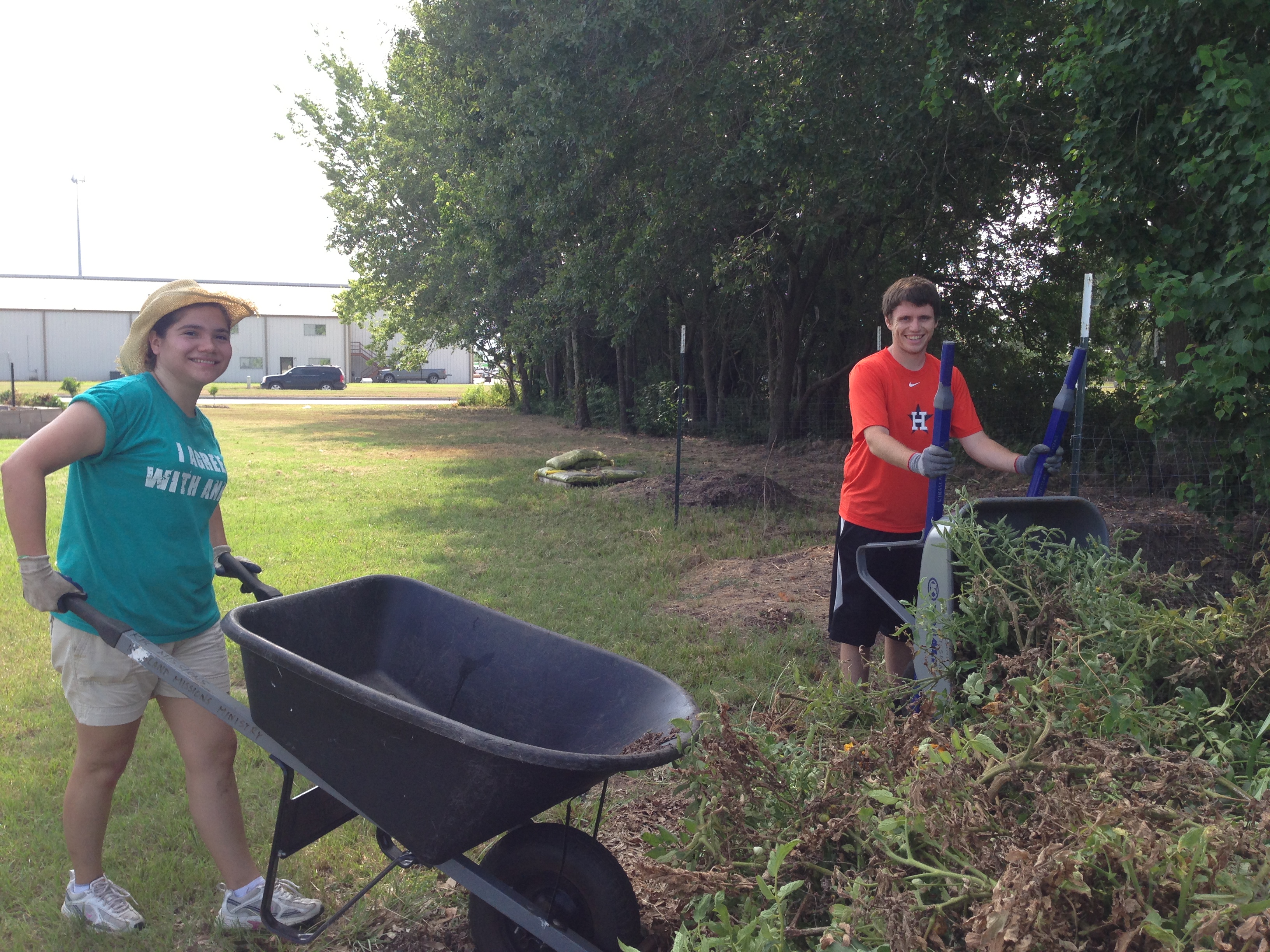
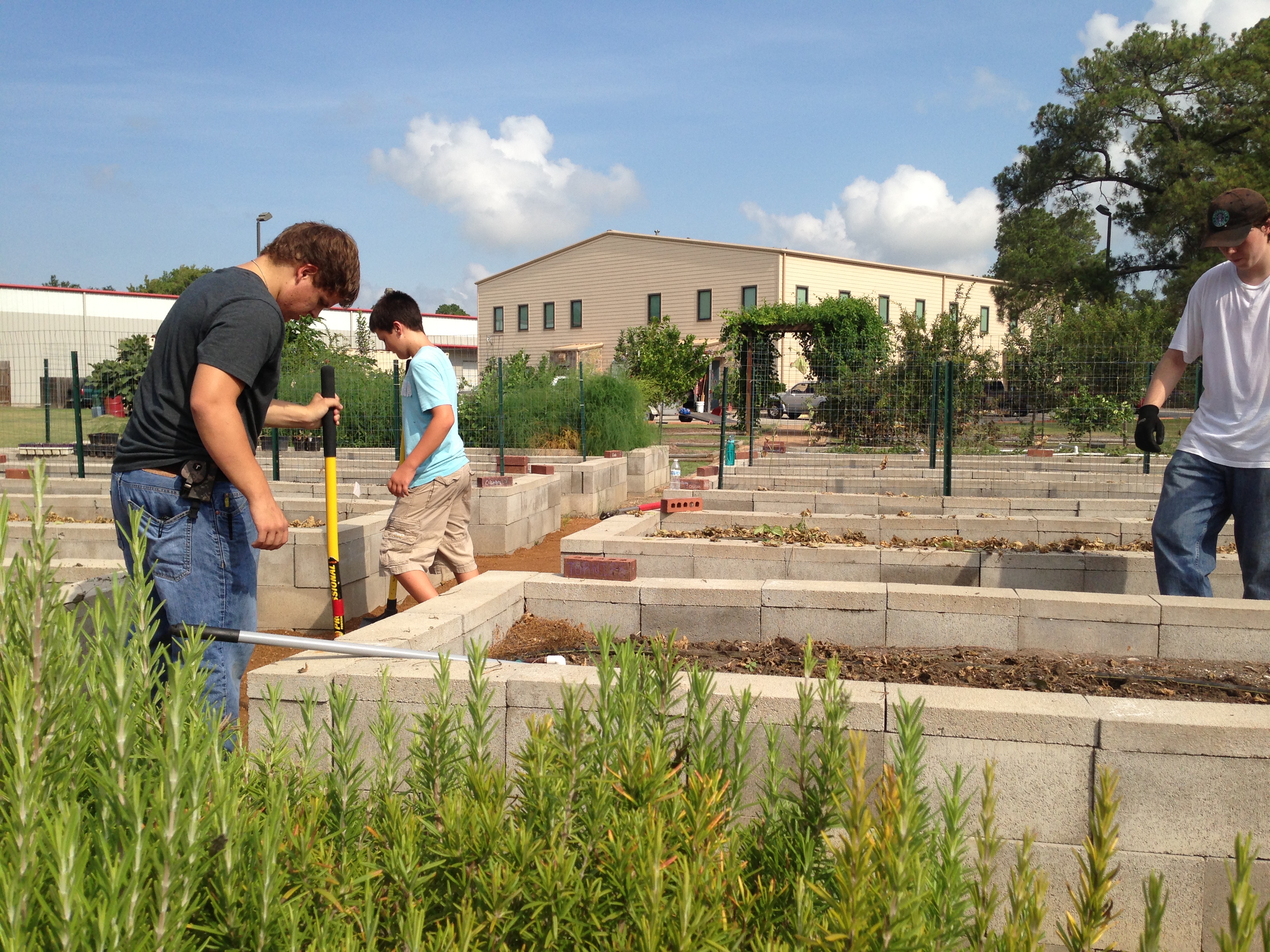
Several years ago, Kingsland invested in a Caring for Katy project that continues to bless people in need — the garden on the back lot of Katy Christian Ministries. Over the years, we have invested thousands of volunteer hours and thousands of dollars to help maintain this garden. The vegetables produced in the organic raised beds go directly into the KCM food pantry where they are distributed to people in our community who are struggling through hard times.

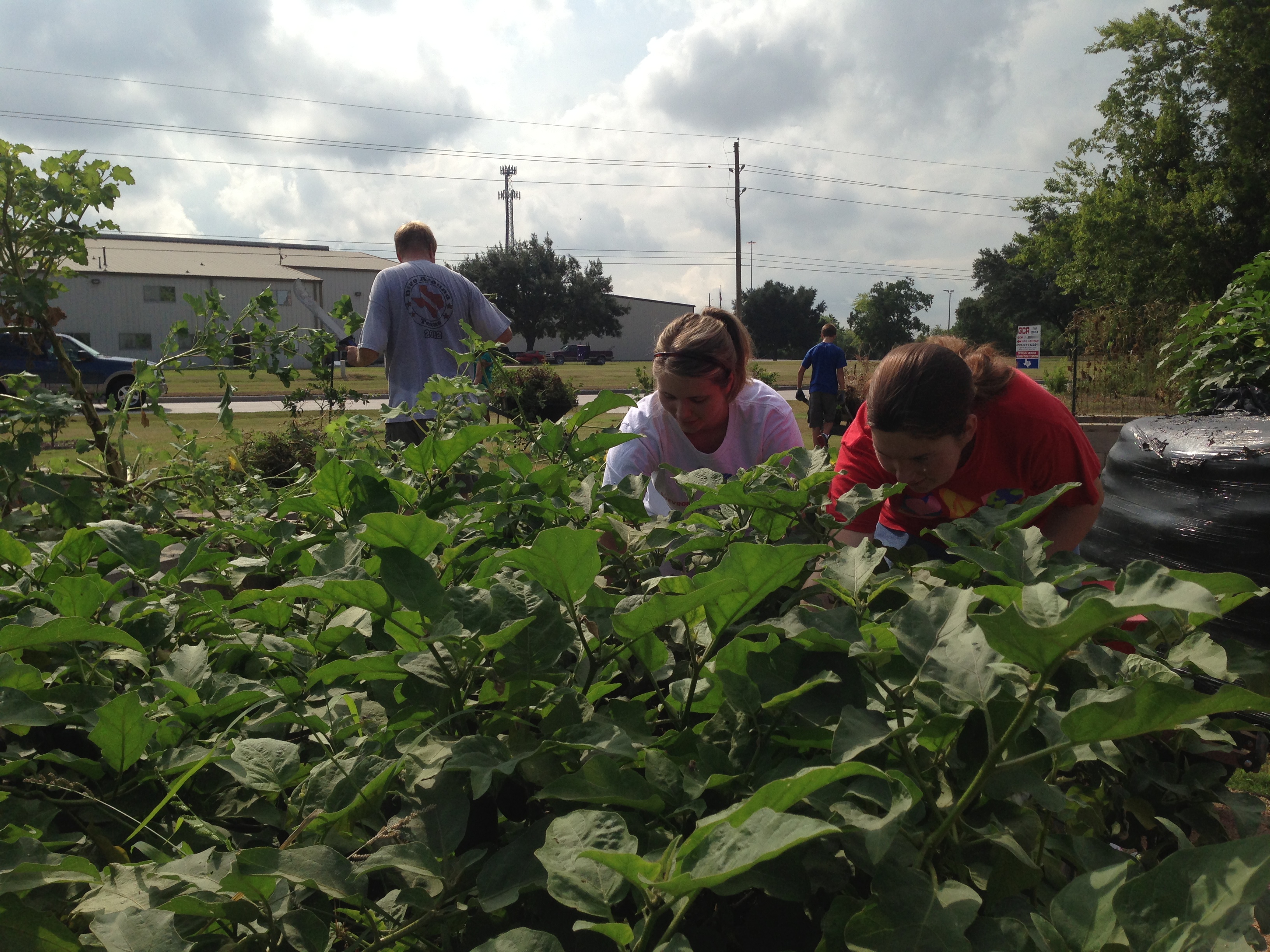
Maintaining the garden takes a lot of work. Thankfully, the people of our community have taken ownership of maintaining the garden. Every month, volunteers from area churches and organizations tend the beds, help to harvest the vegetables, pull weeds, and do various other things to keep the garden productive.

KCM Leah Work
Yesterday morning, several Kingsland volunteers met at the garden to prepare the beds for the next round of vegetables. That meant removing the old plants, adding planting mix and manure to the beds, and tilling the soil. These tasks were made a bit more challenging because of the 100-plus degree temperature. It doesn’t take long working in the intense Texas heat to feel your energy ebbing away with every drop of sweat.

KCM Kimberly Chris
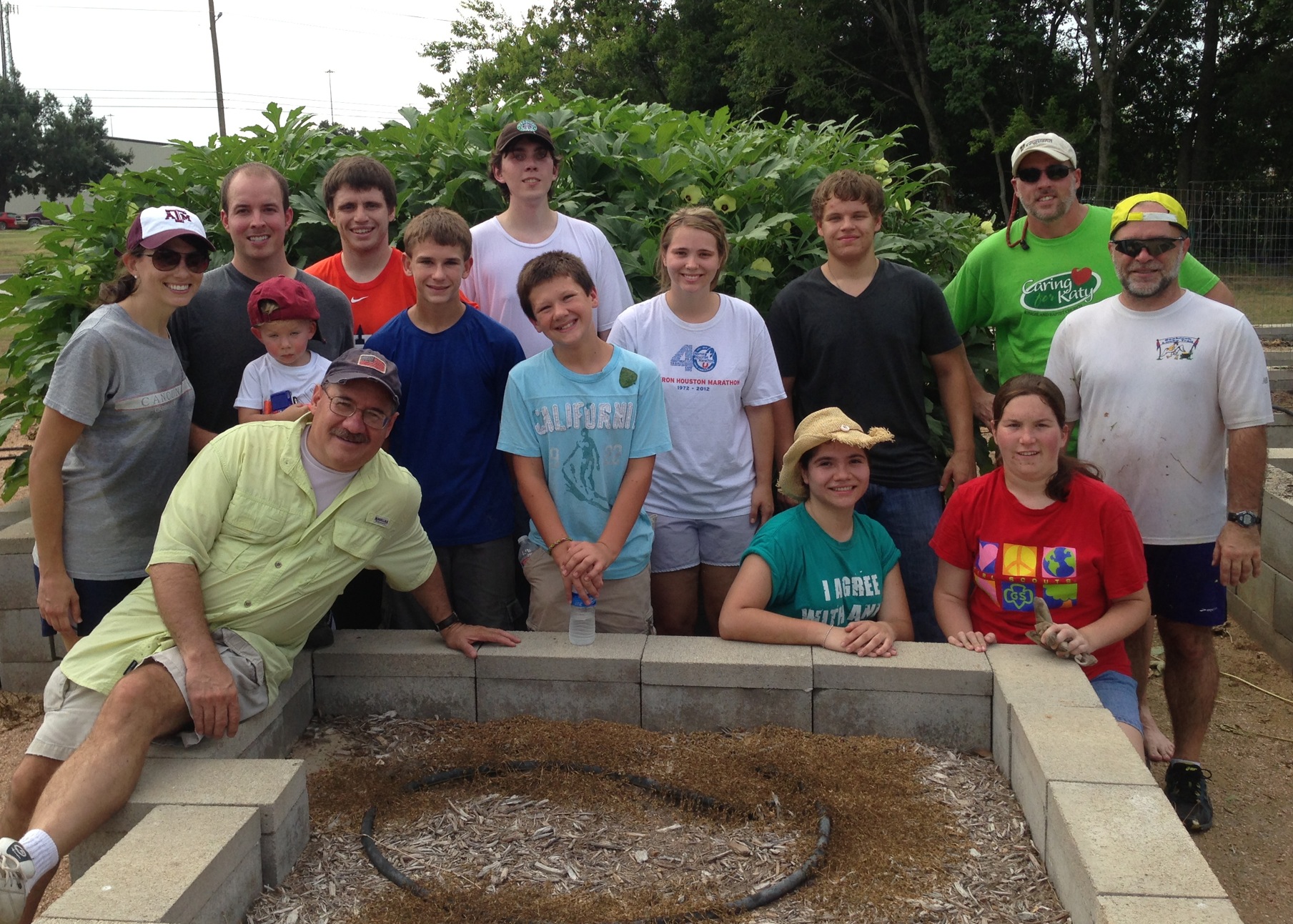
In spite of the heat, our team managed to move four yards of crushed granite to maintain the paths around the planting beds. We also worked hard to prepare a dozen of the large planting beds for the next round of plants. After more than four hours of work, everything was ready for the next step. One of the master gardeners who volunteers at the garden will take it from here.

KCM Tamping
As we worked in the intense heat, I thought about something I had read in Mark Batterson’s book, Primal: A Quest for the Lost Soul of Christianity. Batterson wrote, “God loves the smell of our sweat. It stinks to high heaven, but it’s a sweet aroma. Your sweat is sacred incense. God loves it when we break a sweat serving His purposes. Our energy turns into beautiful melodies, and it’s music in God’s ear. It’s also the way we build sweat equity in His kingdom.”

Working in spite of the weather is important. I am not a big sports fan but I do admire certain athletes, among them NBA great Jerry West who played his entire professional career for the Los Angeles Lakers. His silhouette is featured in the NBA logo. West once said, “You can’t get much done in life if you only work on the days when you feel good.” He was right. And, to turn West’s phrase, “You can’t get much done for the kingdom if you only work on days when the weather is pleasant.”

KCM Team Pic
Those who worked in the heat yesterday are at the front end of the blessing equation. We had a great time of fellowship together. We will, however, likely never see the people at the other end of our labor, those who will come to the food pantry and take home a bag of fresh vegetables to feed their families because we took the time to help maintain the garden that grows those vegetables.

When it comes to kingdom metrics, we can’t always measure the impact of what we do. However, when we serve God’s purposes by caring about people in need and doing something practical to help, He notices. And, He can see the other end of the blessing equation and hear the “Thank you, Lord, for this food” kind of thoughts and prayers that are uttered by the recipients of a bag of groceries and fresh vegetables given in His name. That makes it worth building sweat equity in His kingdom in tough Texas heat.

Posted by: Omar C. Garcia | August 9, 2013

Sharpening Your Edge

“Iron sharpens iron, so one man sharpens another.” | Proverbs 27:17

I have a number of old Bible commentaries in my library. I especially enjoy reading the volumes written by guys who lived in the days before television and radio and the internet. There is a quality in what these guys wrote that I find refreshing. Their words make it hard to escape the conclusion that they meditated deeply on the Scriptures in order to live wisely.

While researching Proverbs 27:17, one of my favorite passages of Scripture, I came across something in “The Preacher’s Homiletic Commentary” written by a man named Rev. W. Harris. Nothing else is included about the author other than his name. But I like what Harris had to say about the passage under consideration.

AxeThe sword that has seen much hard service must come in contact with another steel instrument to restore its edge. The ploughshare that has pushed its way through hard and stony ground must be fitted for more work by friction with a whetstone, and the axe, after it has felled many trees, must be subjected to a similar process. So the intellectual and spiritual nature of man becomes at times in need of a stimulus from without which may fitly be compared with the sharpening of iron by iron. Hard mental toil, contact with uncongenial persons and things, disappointments, and even great spiritual emotions, have a tendency to exhaust our energies and depress our spirits, and render us for a time indisposed to exertion, and perhaps incapable of it. In such a condition a look of sympathy and encouragement from one who understands us is very serviceable indeed, and has power to arouse within us fresh hope, and therefore new life for renewed action.

As Rev. W. Harris points out in his commentary on Proverbs 27:17, there are a number of things that can cause us lose our edge or become dull.

Service can cause us to lose our edge. Just as an axe or pencil must be periodically sharpened in order to continue to be useable, so must we be periodically sharpened. We cannot serve without periods of rest, refreshment, and renewal. If we try, it will surely lead us to less effective service and eventually to burn-out. Service becomes exhausting when we labor in a dulled condition.

Out text tells us that our edge can be restored by coming into contact with others. We need the feedback, encouragement, counsel, and checks and balances of others. But it is important to note that our text says “Iron sharpens iron.” In other words, iron must come into contact with iron in order to be sharpened. In the same way, we cannot be sharpened by just any individual. We can only be sharpened by certain individuals.

If you want to be sharpened mentally, you must come in contact with mentally sharp individuals. If you want to be sharpened spiritually, you must come in contact with spiritually mature individuals. If you want to be sharpened morally, you must come in contact with morally pure and upright individuals. Paul wrote about the importance of coming into contact with the right people in 1 Corinthians 15:33, “Do not be deceived: ‘Bad company corrupts good morals.'”

Sin can cause us to lose our edge. Sin has a corrupting effect on people. It removes the brightness from our countenance, the joy from our service, and the clarity from our vision. It can quickly dull the edge of our life and service. Our edge however, can be restored by confession and maintained by accountability.

One person can sharpen another by holding them accountable for their decisions. Proverbs 27:6 states, “Faithful are the wounds of a friend, But deceitful are the kisses of an enemy.” Our lives can be kept morally and spiritually sharp if we will allow another to hold us accountable and to speak the truth in love to us (Eph. 4:15, 25). We must be willing to allow others to wound us, if necessary, in order to help us keep our edge.

Setbacks can also cause us to lose our edge. As Rev. W. Harris points out in his commentary on Proverbs 27:17, “disappointments, and even great spiritual emotions, have a tendency to exhaust our energies and depress our spirits, and render us for a time indisposed to exertion, and perhaps incapable of it.” Setbacks can drain us emotionally, physically, and spiritually. Setbacks often leave us feeling listless and hopeless.

When we experience setbacks, our edge can be restored through the kind and gentle encouragement of a friend — of someone who will offer a smile or a shoulder to lean on. Again, as Rev. W. Harris points out in his commentary, “In such a condition a look of sympathy and encouragement from one who understands us is very serviceable indeed, and has power to arouse within us fresh hope, and therefore new life for renewed action.”

• From my archives. Written in November 1990.

Posted by: Omar C. Garcia | August 7, 2013

Wordless Wednesday

Sundarbans Rain Boat

Public transportation in the Sundarbans. | 22 July 2013 | India

« Newer Posts - Older Posts »

Categories