Posted by: Omar C. Garcia | July 20, 2014

The Call of the Wild

Walking into my garage can be hazardous, not because there is anything dangerous out there but because that is where I keep all of my outdoor gear. Often all it takes to get me thinking about outdoor adventures is a glance at the gear in my garage — the canoe suspended from the ceiling or my mountain bike or my backpacking and camping gear. One look at this stuff and I can hear the call of the wild as clearly as Buck did in Jack London’s novel by the same name.

While I certainly enjoy big adventures like the Texas Water Safari or hiking the Lone Star Hiking Trail through the Sam Houston National Forest, I also enjoy the not so big adventures. These shorter and affordable adventures are the bread and butter that feed my hunger for getting outdoors. Whether it’s a quick trip to a nearby state park or to the bayou trails in my neighborhood, these little adventures are important and always fun, especially when shared with family and friends.
Processed with MoldivI don’t have a bucket list in the sense that I will be disappointed if I miss the opportunity to do certain things. But I do have a list of outdoor adventures that I would love to do — and perhaps one day may do. I want to do a prayer walk across Bangladesh, border to border. I would love to hike the Inca Trail in Peru, climb Mount Kilimanjaro in Tanzania, and retrace the route of the Bataan Death March in the Philippines. In the next year I want to bike the Caprock Canyons Trailway in the Texas Panhandle and ride The Other Side of Nowhere Trail at Big Bend Ranch State Park. These are a few of many outdoor adventures that I would love to do.

I know that it’s not likely I will do all of the things I want to do, and that’s ok. I think one of the most important things that any of us can and should do is to make sure that our dreams outnumber our memories, that there is always something we are striving toward. Reminiscing about past adventures is ok, but I prefer to dream about the next adventures. I know that at my age I can never be the youngest or the fastest to complete some challenges and that’s ok with me. The important thing for me is to at least try. As I hear the call of the wild, I try to keep a few things in mind.

Bike Team
First, never stop dreaming. The quickest way to get old is by having more memories than dreams. You may not be as quick as you used to be, but as long as you have breath, keep striving forward. In the words of David Livingstone, “I will go anywhere, provided it be forward.”

Second, don’t die with regrets. It is better to have tried to accomplish great things and failed than to never have tried at all. Again, one of my favorite Livingstone quotes sums it up: “If you have men who will only come if they know there is a good road, I don’t want them. I want men who will come if there is no road at all.”

Third, be willing to forsake everything comfortable and familiar in order to pursue your dreams. Those who leave the security of the harbor must do so without guarantees that they will arrive at their destination. Life does not come with guarantees.

Finally, don’t forget that God is always in search of adventurous individuals — those willing to risk it all to advance His purposes and declare His glory among the nations. Make yourself available and live adventurously for Him. Heed the call of the wild and go beyond.

Posted by: Omar C. Garcia | July 15, 2014

The Context of Growth

Those who know me best will tell you that I am a restless soul ever seeking new adventures — new opportunities to place myself in contexts that will stretch and challenge me. You don’t have to go far to have these kinds of experiences but you do have to be willing to go beyond the familiar and manageable stuff in your life. You have to venture into the context between horizons in order to grow.

The context for growth is all around us. If we aspire to spiritual maturity or to make strides in any endeavor, then we must adopt the attitude expressed by the Apostle Paul: “Not that I have already obtained it, or have already become perfect, but, I press on…” (Phil. 3:12). The greatest enemy to progress is contentment with who we are, where we are, and what we’ve done.

Over the past few weeks, I have followed the remaining teams on the Great Pacific Race. This epic 2,400 mile endurance race from California to Hawaii has been billed as “the biggest, baddest human endurance challenge on the planet.” The daily race reports are worth reading because they are chock-full of really great life lessons that the rowers have learned in the vast space between two shores. Some of life’s best lessons can only be learned in this kind of context.

Heather Anderson PCT Hiker
Last Fall, 32 year-old Heather Anderson set two new records for hiking the Pacific Coast Trail. She hiked the PCT in 60 days, becoming the fastest woman to hike this 2,650-mile trail from Mexico to Canada. And, she became the fastest self-supported hiker (male or female), breaking the previous record by 4 days. I enjoyed reading about Heather’s adventure in the latest issue of Backpacker magazine and gleaning insights for living from what she learned on her journey. The PCT became the context in which Heather pushed herself to fulfill a dream.

Jefe Branham
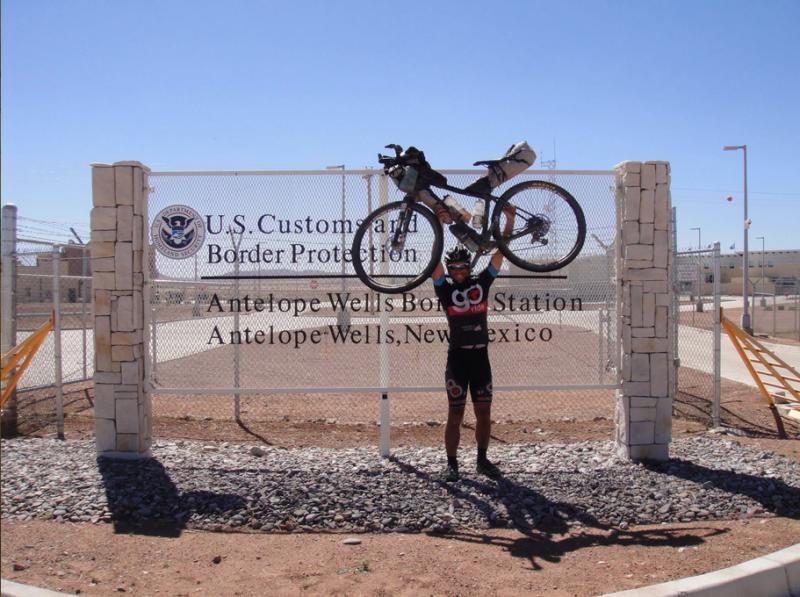
Last month, 41-year-old Jefe Branham rode 170-miles a day, slept an average of four hours a night, endured menacing weather for 16 days straight and won the Tour Divide — the hardest bike race in the world. This 2,745-mile endurance race along the Continental Divide runs from Banff, Canada to Antelope Wells, New Mexico. Branham maintains a blog in which he writes about what he learned in the context between borders and how he pushed himself to go on when every part of his body was racked with pain.

Joseph Locke Swimmer
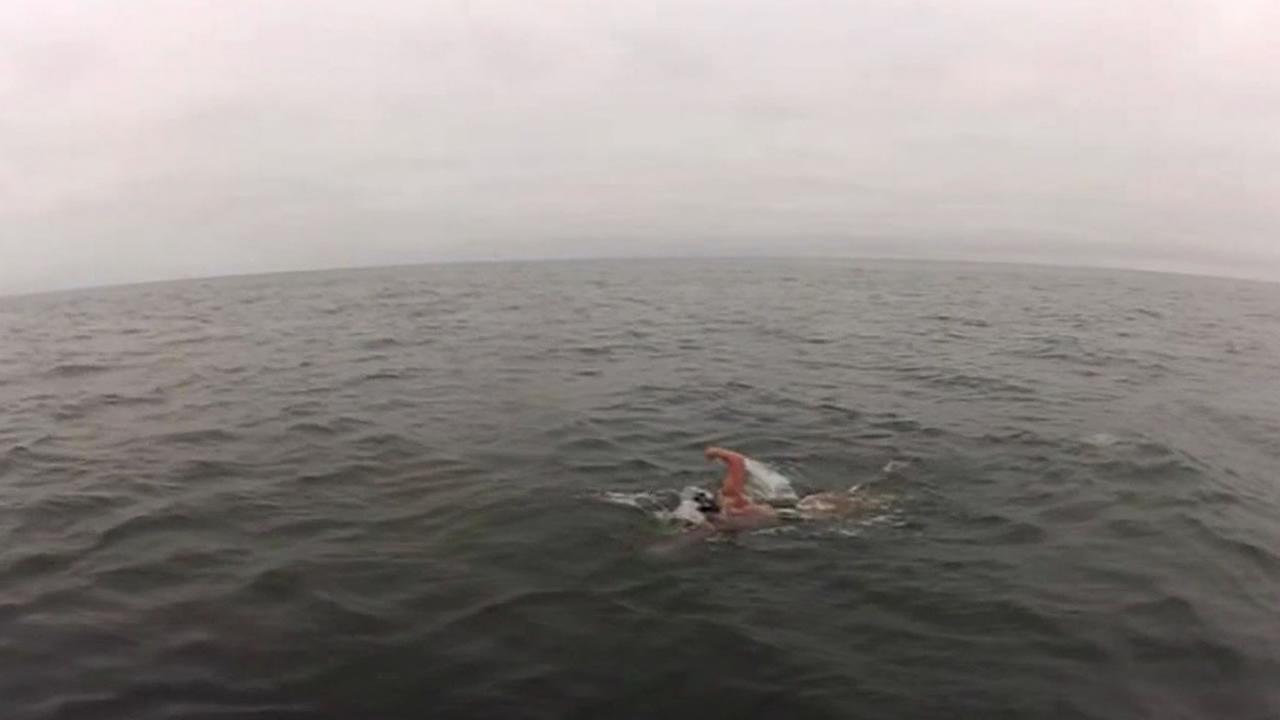
This week, 45-year-old Joseph Locke swam from the South Farallon Islands to the Golden Gate Bridge. Locke completed the 29-mile swim in 13 hours, 58 minutes, 28 seconds — breaking the previous 47-year-old record. This was Locke’s seventh attempt at the crossing. My friend Peggy, who works in our financial office at Kingsland, knows Joe Locke. They were neighbors in Sacramento and were on the school swim team together. Peggy told me that Joseph was the kid who would do the long swim relays and also played water polo. That school swimming pool became the context for growth — the place that prepared him for greater challenges.

Each of us have the capacity to be more and to do more than we ever thought possible. However, in order for us to reach our highest potential we must put ourselves in contexts that will stretch and challenge and even frighten us a bit. Whether that context is between two horizons or just across the street from where you live, push away from the security of the familiar and put yourself in a context where you will grow and make exciting new discoveries about God and the world around you. You’ll be glad you did.

Posted by: Omar C. Garcia | July 10, 2014

Sunset at Wadi Rum

At Petra and the desert of Wadi Rum

The final day of any trip to assist people in need is always filled with mixed emotions for me. On the one hand, I feel the relentless tug of human suffering and need — the kind of need that makes my heart hurt and keeps me up at night. And, on the other hand, I feel the call of home — a place where I can be refreshed and continue to speak on behalf of those who have no voice. My wife will tell you that when I am home for too long I begin to show signs of an inverted homesickness, a longing to be back among the nations.

I am absolutely passionate about guiding others to love God and to go to the nations to serve His purposes in the world today. Occasionally someone will ask me what I enjoy most about travel. My answer has remained unchanged for years. I love leading others to make meaningful connections among the peoples of the world, those for whom Christ died and who deserve an opportunity to hear His story and to see His love in action. A part of that equation involves educating teams about how to build bridges of love by learning about and appreciating the history and culture of those we have come to serve.

Team at Petra
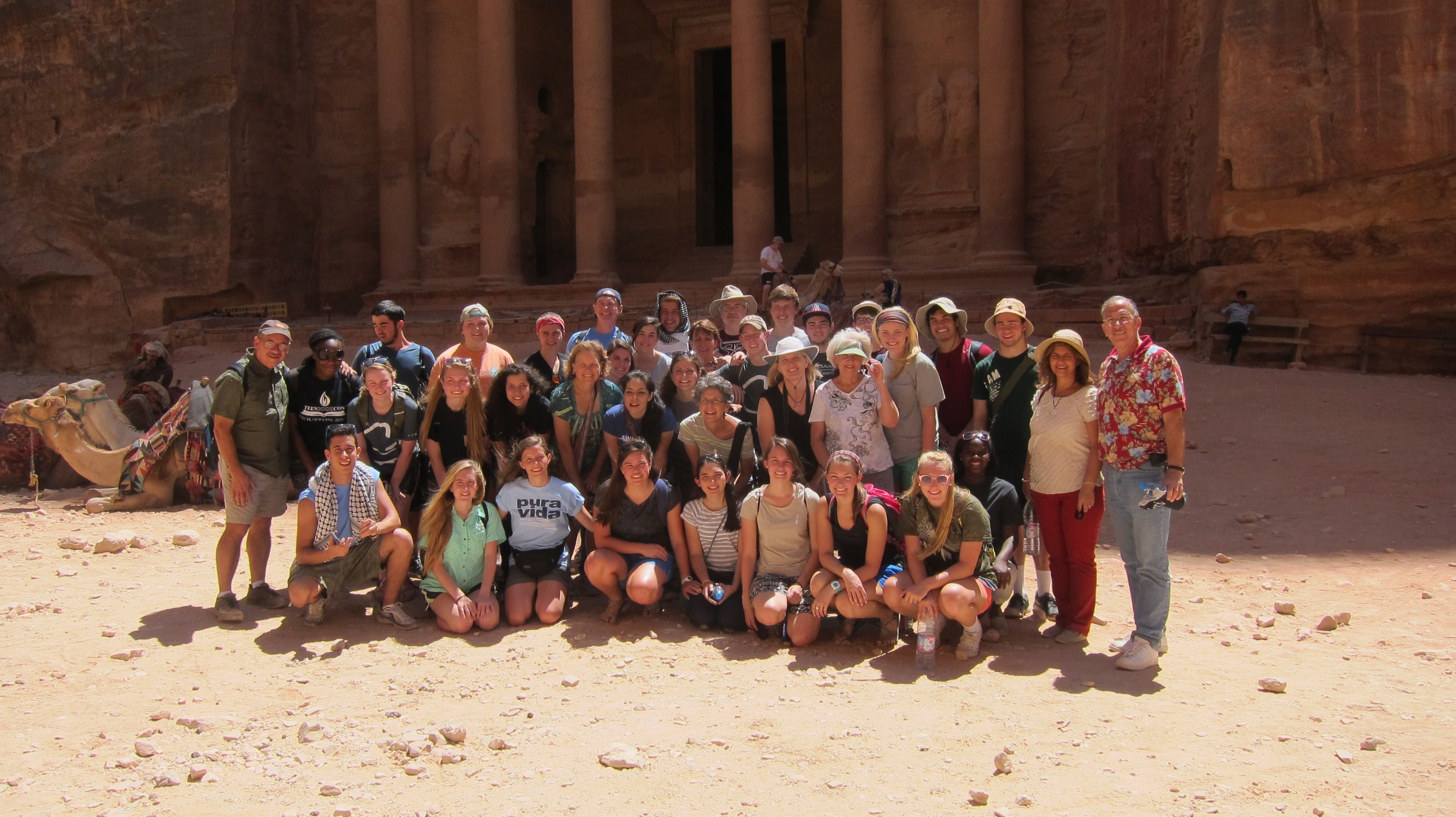
To that end I try to set aside a day, when possible, to immerse teams in local culture and history. This task has been easier in Jordan because we are surrounded by layers of biblical history everywhere we have ventured. Yesterday, we set aside time to visit Petra, Jordan’s most valuable historic treasure hidden away in the southwestern corner of the country. This world heritage site is the legacy of the Nabataeans, an industrious Arab civilization that settled in this area during the time of Christ.

Emily at Petra Treasury
The most refreshing thing for me about introducing students to a place like Petra is seeing it anew through their eyes. The expressions on their faces was priceless when Petra’s Treasury, carved into the face of a sheer sandstone cliff, first came into view through the narrow canyon walls. Their eyes widened and they gasped. Petra will do that to you. It will stir your sense of wonder and imagination. Our students had a really good time learning about this magnificent place and what transpired here in the days when Jesus began His ministry in neighboring Israel.

Omar at Wadi Rum
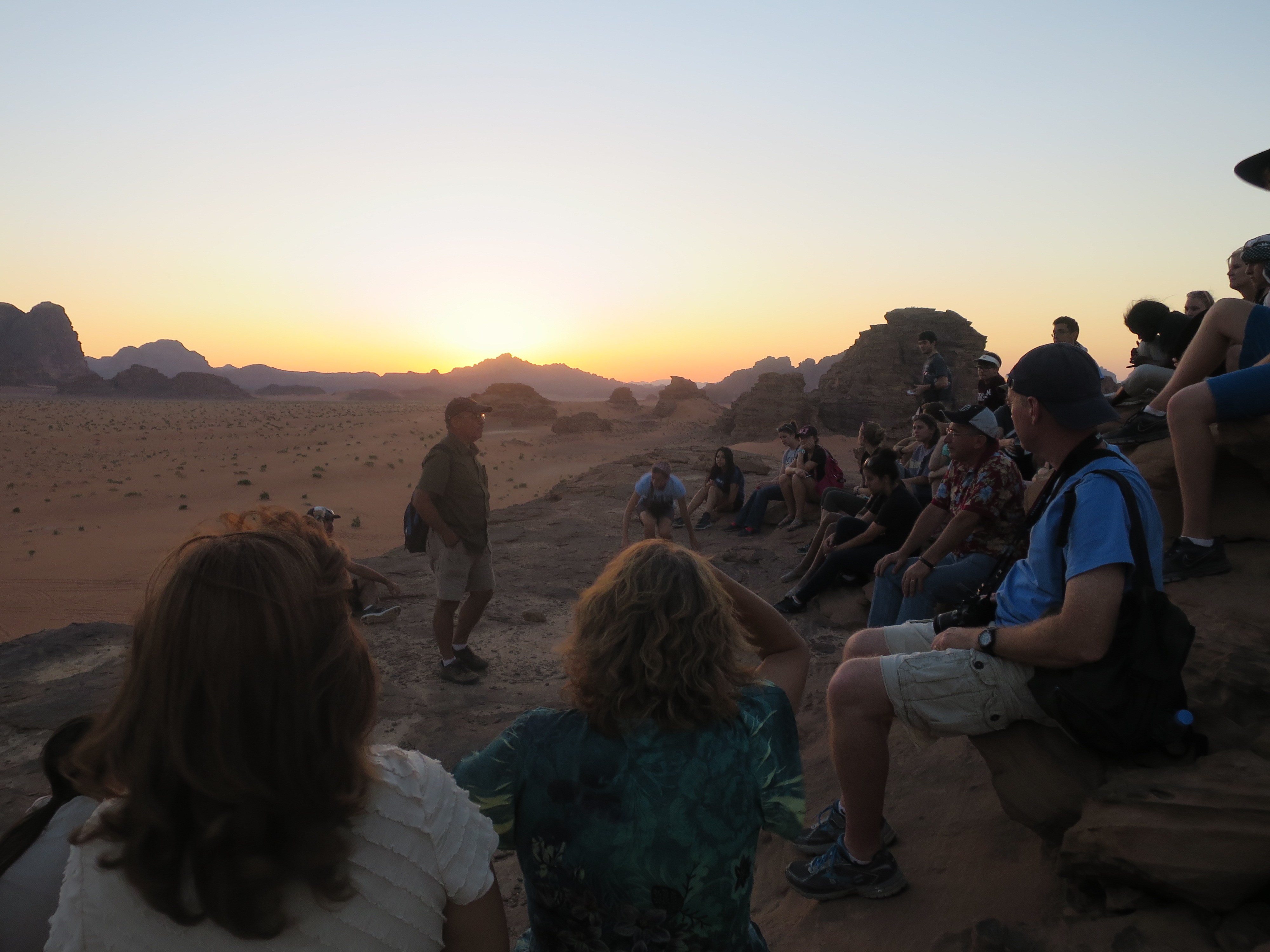
After spending a few hours at Petra, we headed to Wadi Rum, a take-your-breath-away valley sculpted into the sandstone and granite rock of Jordan’s southern desert by centuries of wind and weather. We jumped into the back of Toyota trucks and set off into the desert to watch the sunset. Our guides took us to the place where the movie Lawrence of Arabia was filmed, the story of T.E. Lawrence’s amazing and heroic Arabian adventure. As if on cue, a herd of camels walked by, dwarfed beneath magnificent sandstone cliffs.

Sunset Pic
As evening approached we climbed up to a high place and waited for the sun to set. In those final moments of waning light, we remained completely silent, listening only to the sounds of the gentle breeze. As the sun slowly descended behind the distant hills, it gave us a final gift of beautiful colors and hues splashed ever so briefly against the desert canvas. These final moments of the day reminded me of Zephaniah’s charge to “Be silent before the sovereign Lord” (1:7). Afterward we talked about the importance of cultivating the disciplines of silence and solitude.

Sunset at Wadi Rum
We are now back in Amman, packing and getting ready for our early morning flight to Istanbul and then on to America. Our students will not return home the same. God has done wonderful things through them and also in each of their lives as they have compassionately served Syrian refugees. Just as the sun set in the desert of Wadi Rum, the sun is now setting on this chapter of their lives. There are new days ahead for each of them as they head off to their respective universities and other endeavors. May God bless each of them and continue to use them to bring glory to Him — at college and beyond.

Wadi Rum Pano 1

Posted by: Omar C. Garcia | July 8, 2014

Our Quest to Brighten

Amman, Jordan

My friend Jamal Hashweh, Director of Global Hope Network’s Middle East and North Africa humanitarian initiatives, and I returned to Amman today after a quick trip to the Bekaa Valley in Lebanon. This trip to Lebanon gave me greater insight into the magnitude of the suffering of Syrian refugees. My hope is that we can continue to love these people as Jesus would and by so doing bring glory to God.

I asked Kelly Boldt, one of our adult sponsors, to write about how God used our students today to brighten lives in Jordan. I appreciate Kelly’s help, especially since I have been battling some heavy-duty congestion the past couple of days and need to get a little rest tonight. Thanks, Kelly!

We will spend the day in Petra tomorrow and then spend the night in the desert at Wadi Rum. I will post an update on this final adventure in Jordan on Thursday. Thanks for following our journey.

____________________
By Kelly Boldt

One of the things that we have all found inspiring is how much our visits have brightened the day of the families that we have gone to see. Just that little break in what sometimes seems like hopeless monotony is such a blessing to them. We all agree that we love that feeling.

Rami
Today our quest to brighten lives took us in a different direction. Our main guide, Rami, helps a small church in a neighborhood of refugees from Syria, Palestine, and Iraq. It’s a Christian oasis in an otherwise Muslim neighborhood. At one point, the church was going to close its doors because its members wanted to go to bigger churches where they “have good music and play the drums” — Rami told us using his most animated motions and expressions. Attendance was down to only 4 people in church so its future did not look promising.

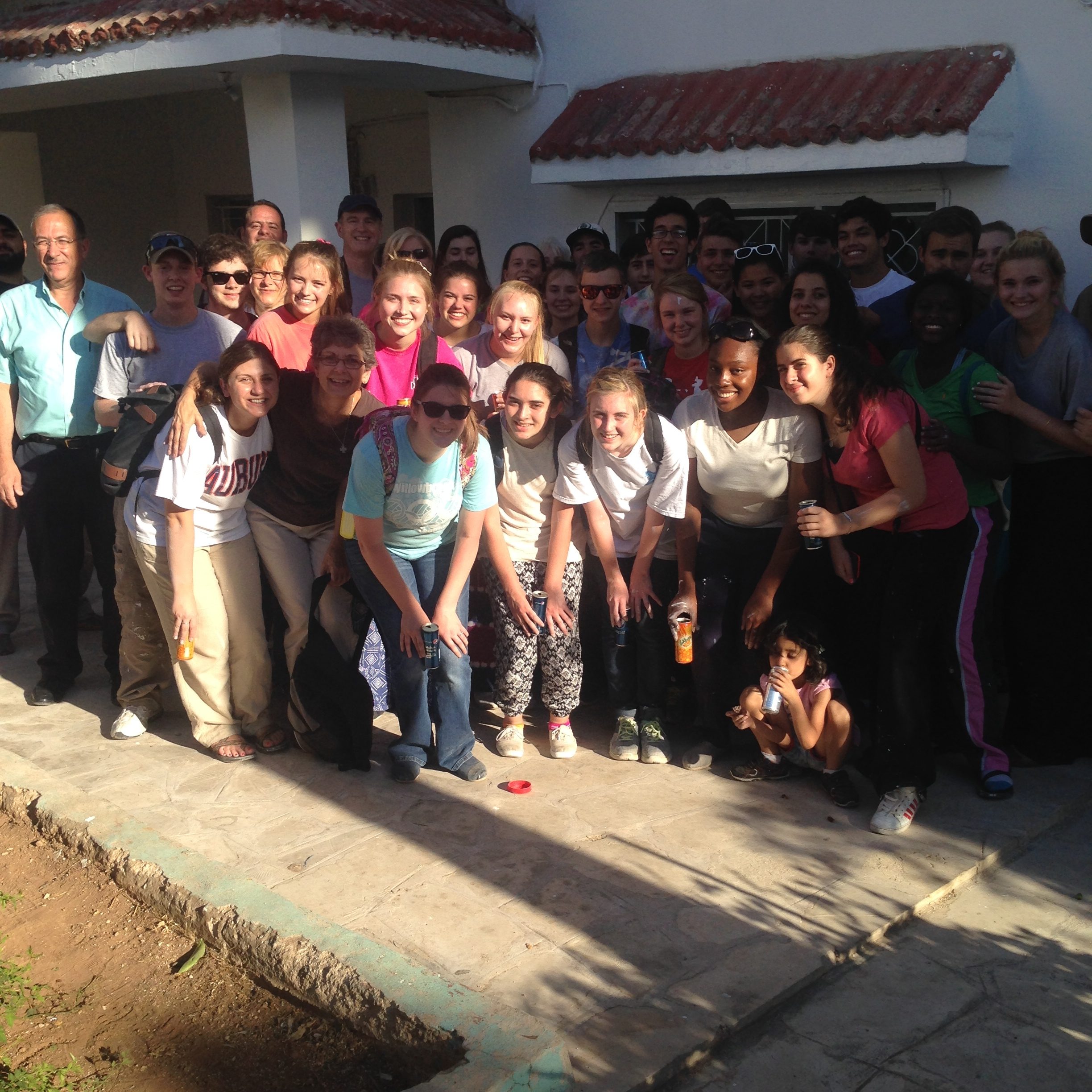
Rami has persevered and spent many hours keeping the church alive. Now the services are filled to capacity, which is about 45 people. The building is very old and run down so we spent the day painting and doing yard work. This was a perfect activity for our last day of serving since we all said this couldn’t be a true Kingsland trip unless we painted something!

By the end of the day, we had painted both inside and out and cleaned up the grounds all around the church. We were in the business of brightening once again. The church is now a beacon of hope shining brightly to guide anyone who’s lost.

Team at Painting Project

Posted by: Omar C. Garcia | July 7, 2014

The Valley of Uncertainty

Among Syrian Refugees in the Bekaa Valley in Lebanon

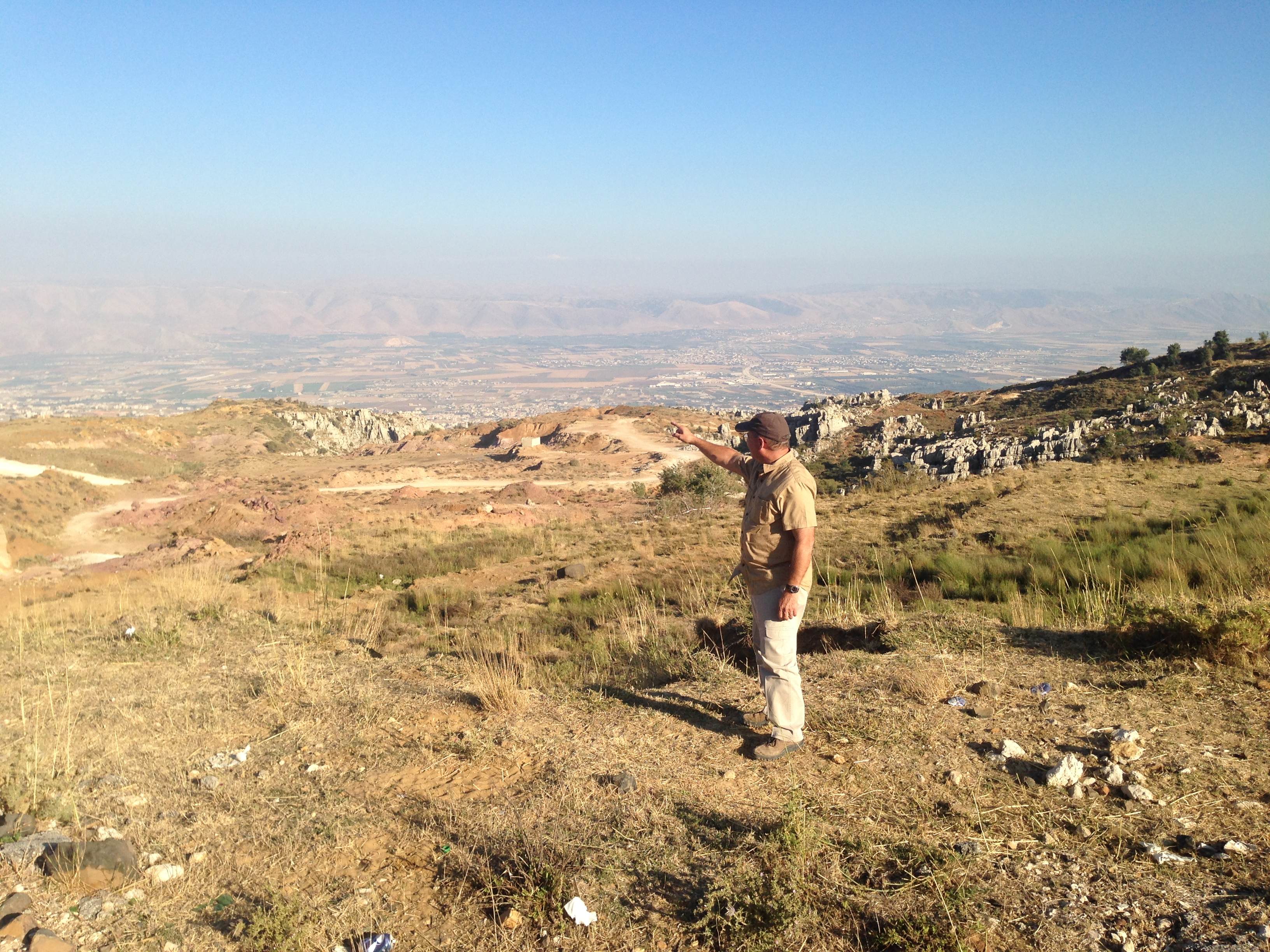
The Bekaa Valley, regarded as Lebanon’s breadbasket, is a beautiful fertile valley located just a short drive east of Beirut. Situated between two mountain ranges, the approach to the Bekaa Valley offers some of the most magnificent vistas I have ever seen. From a distance, it looks idyllic — a patchwork of farmland carpeting the landscape for as far as the eye can see. But life in the Bekaa valley is less than idyllic these days as hundreds of thousands of Syrian refugees have fled there in search of safety from the chaos that has held their country in a death-grip for the past five years.

Early this morning, my friend Jamal Hasweh and I flew to Beirut to visit Syrian refugees in the Bekaa Valley. Jamal is the Director of Global Hope Network’s Middle East and North Africa humanitarian initiatives. Our team has enjoyed working with Jamal and his staff in Jordan over the past week. As I look to the future and how Kingsland can continue to have a presence on the front-lines of the Syrian crisis, I wanted to see what is happening with the hundreds of thousands of Syrian refugees who have fled to neighboring Lebanon for safety.

Pointing to Bekaa Valley
My visit to the Bekaa Valley was overwhelming, not because it happens to be one of the most beautiful places on the planet, but because of the thousands of Syrian families living in tents clustered throughout the region. Who can blame families who have suffered the loss of so much for seeking refuge in neighboring countries, even if they are not always made to feel welcome and unscrupulous landlords charge them insane amounts to rent a place to live.

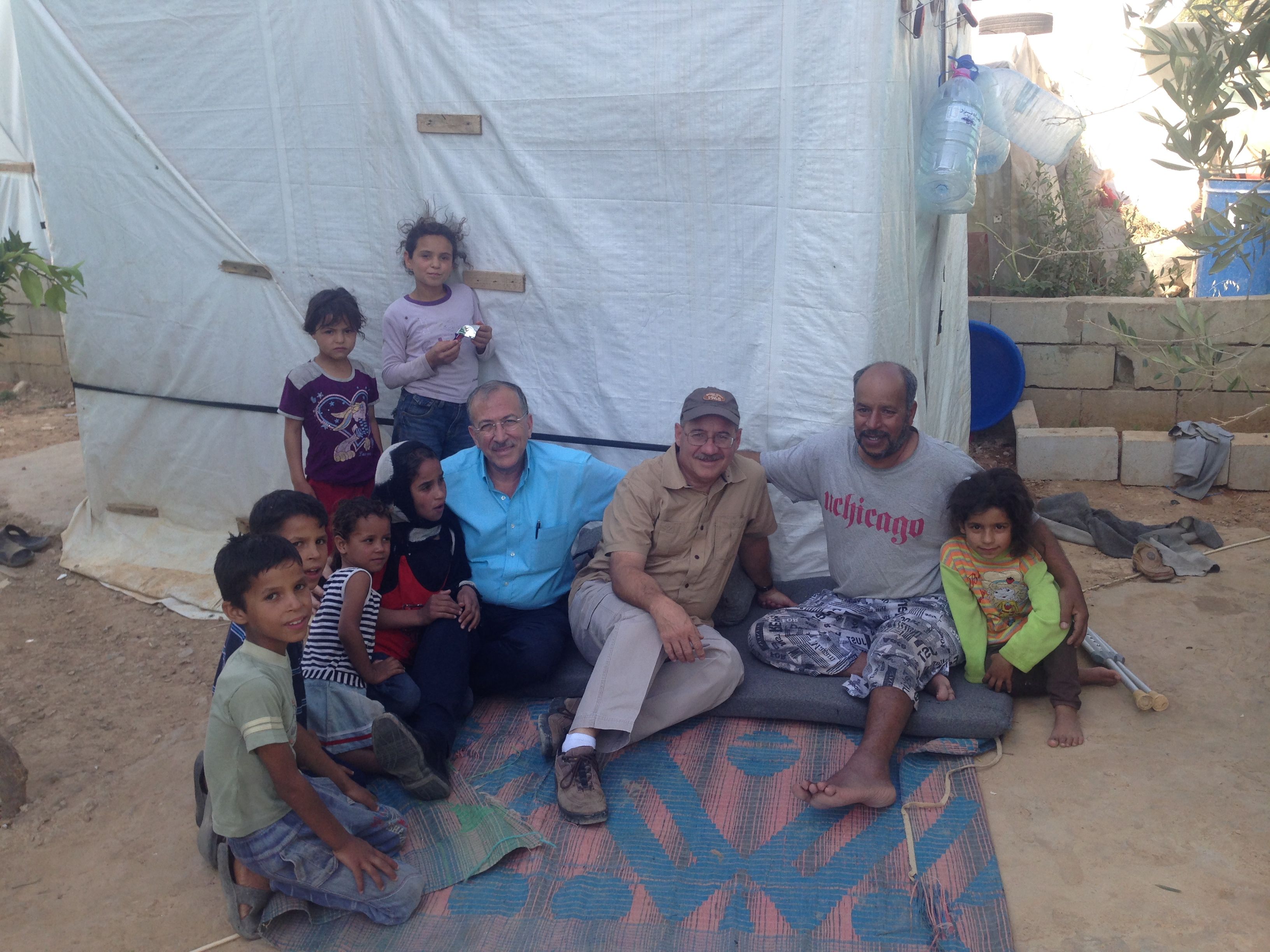
Bekaa Valley Family
There are no more rooms or flats available for rent in this region, only tents. Those renting flats are paying upwards of $500 USD per month for small rooms with running water and electricity. Poorer and less fortunate families pay as much as $600 USD annually to rent a tent and the small space it occupies. These families do not have the benefit of running water. Many families living in tents have managed to rig up electrical lines to their shelters, most of which are a patchwork of UNHCR plastic tarps and other found items.

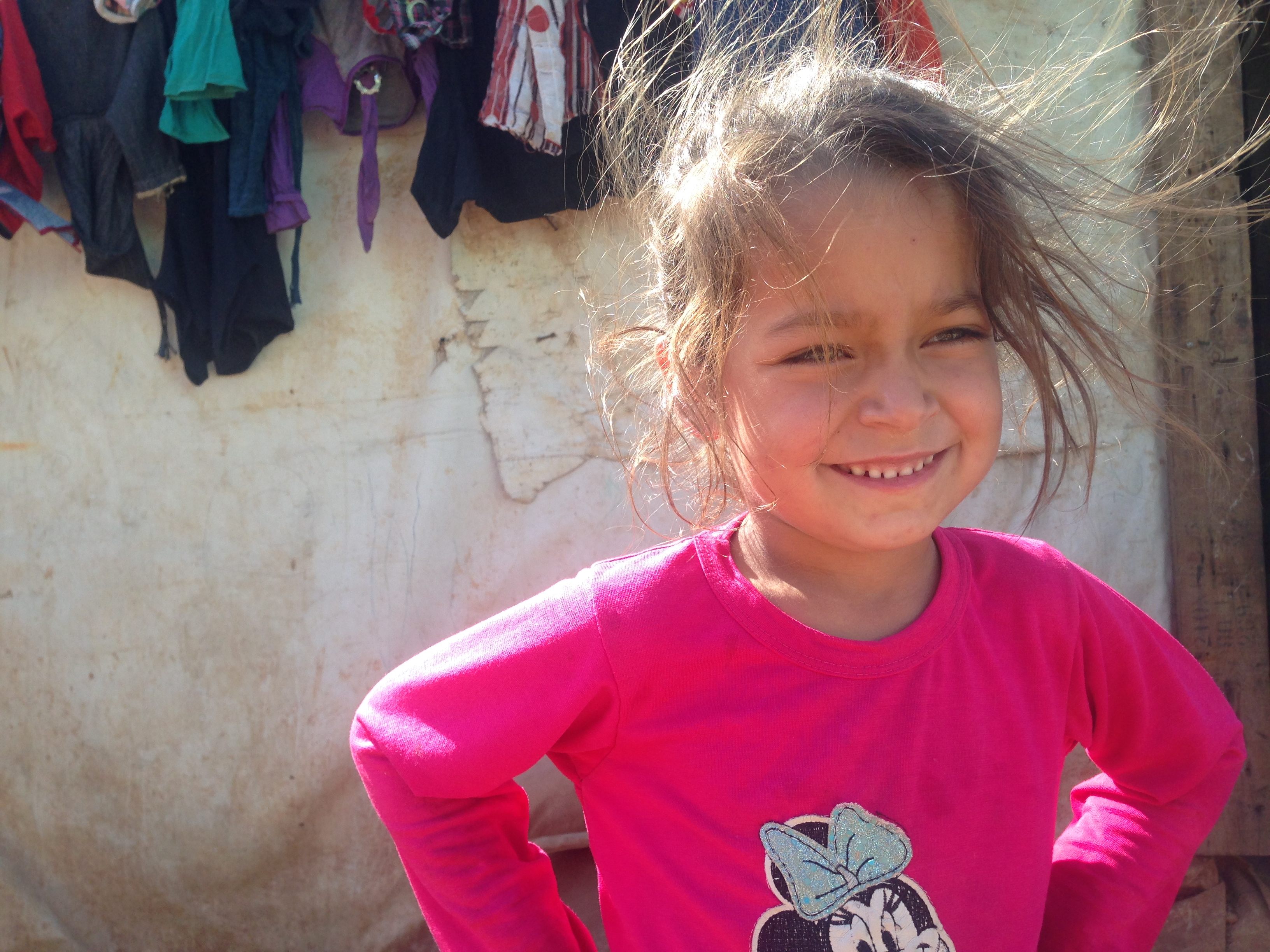
Syrian Girl in Lebanon
Finding work is next to impossible. Men and women who were gainfully employed in Syria now struggle to make ends meet. Some have resorted to selling the food vouchers they receive from the United Nations in order to raise funds to pay their rent. There are few educational opportunities for their children. How sad that Syria’s greatest treasure, her children, do not have access to the kind of education that can one day ensure a brighter future for Syria. As a result of the ongoing fighting in Syria, the country is hemorrhaging its own future.

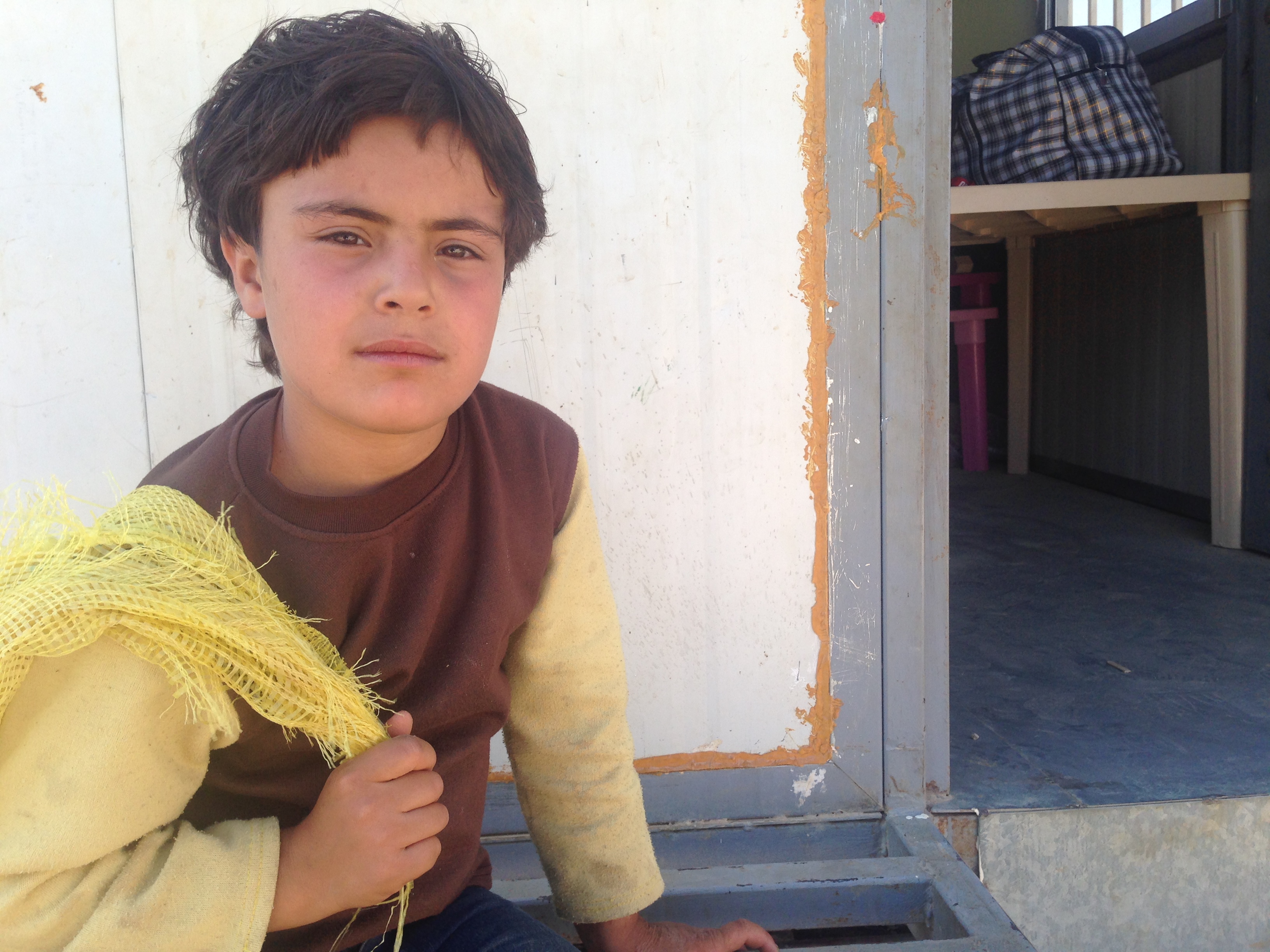
Syrian Refugee Boy in Lebanon
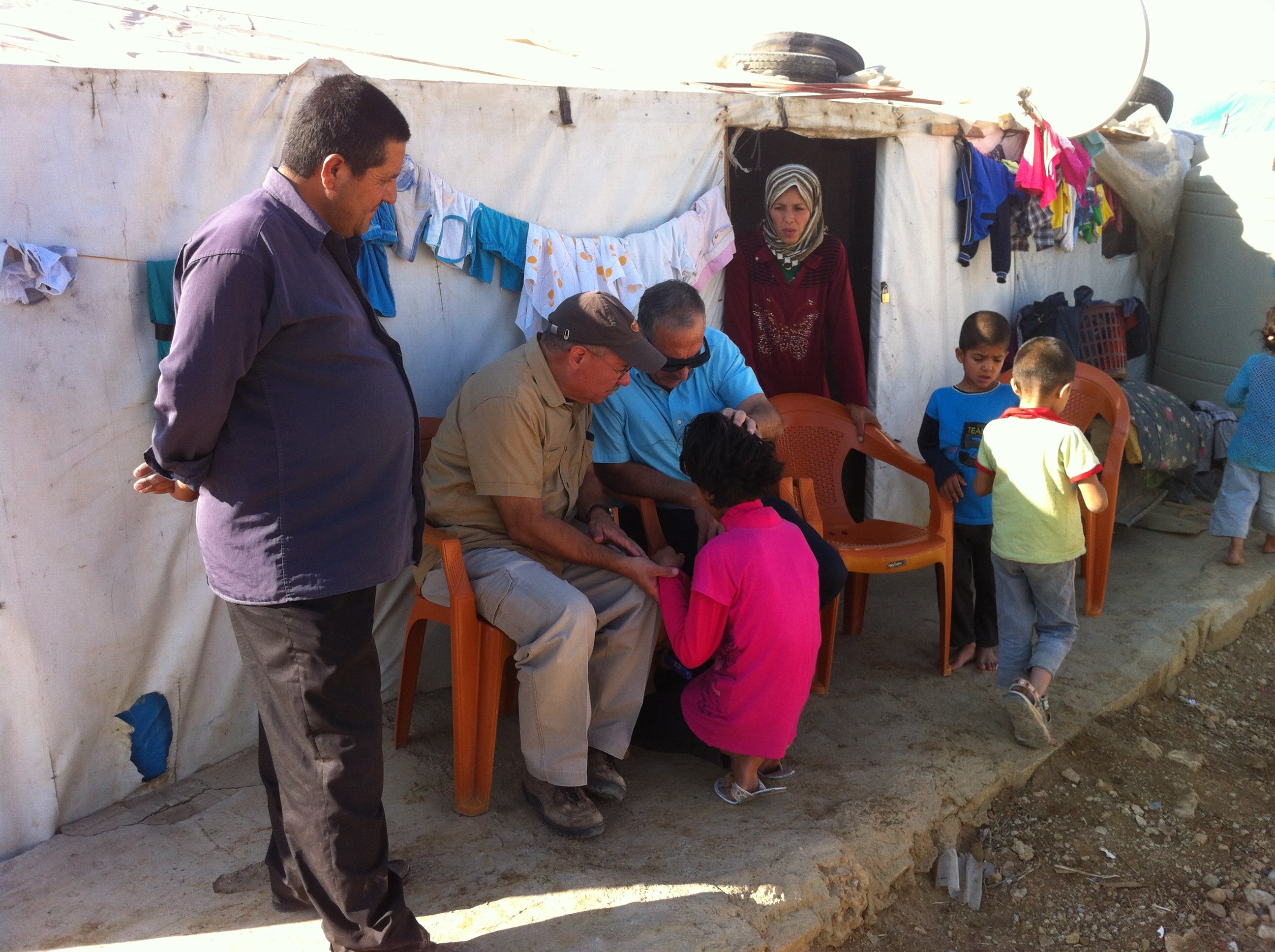
Displaced Syrian families have the same fears and hopes and dreams that any of us living in the security of suburban communities have. They want for their kids to get a good education, to live reasonably free from harm, and to have access to good medical care. One dad we met today invited us to his shelter to pray for his oldest daughter. She was born with heart problems, but now that they do not have access to medical care she is getting progressively worse. He cannot afford her medication or the surgery she will need. So, he simply asked us to pray for her. This is true religion: when you have a sick child and no money or medical plans on which to depend and you are left only with God to turn to.

Omar and Jamal Praying
As I prayed for this young girl, my prayers were accented by the sobs of her father. He just stood and wept even after I had finished praying. We all remained silent for the longest time while he regained his composure. “I can’t lose her,” he said through his tears, and then repeated, “I can’t lose her.” As I looked at him I thought about the hundreds of thousands of other moms and dads in the Bekaa Valley who are facing all sorts of challenges and heartaches. They all live lives of quiet desperation in what has become for them the valley of uncertainty.

Jamal and I were accompanied today by Joseph, a compassionate Lebanese pastor who walks slowly among the refugees, offering hope and encouragement. Joseph told us today that even though he has little to offer the suffering masses, they welcome him with open arms. Many have heard the good news about Jesus for the first time through Joseph. One family told him that the only good thing to come out of the war in Syria is that it drove them to the Bekaa Valley where they met him and heard the truth about Jesus and His love for them. Although the families in the Bekaa Valley live with so many uncertainties, many have come to believe that one thing is certain. A humble man named Joseph has shown them the meaning of compassion and unconditional love.

Posted by: Omar C. Garcia | July 7, 2014

Another Link In The Chain

Amman, Jordan

I am currently in Beirut, Lebanon where my friend Jamal Hashweh, Director of Global Hope Network, and I spent the day visiting Syrian refugee families in the Bekaa Valley. We will fly back to Amman in the morning to join our Kingsland team. I asked Kelly Boldt, one of our adult sponsors, to report on today’s events in Amman. Thanks, Kelly, for taking the time to write this post. Jamal and I had a 16-hour day and just made it to our hotel room but I will post a report on our time in Lebanon before I go to bed.

_______________________________
By Kelly Boldt

One of the things we all struggle with when we go abroad to serve others is that we usually don’t have a tangible measure of our success. We will probably never know what happened to many of the families we have visited during our time here. Today I felt like God told our group to power forward.

Kelly's Team
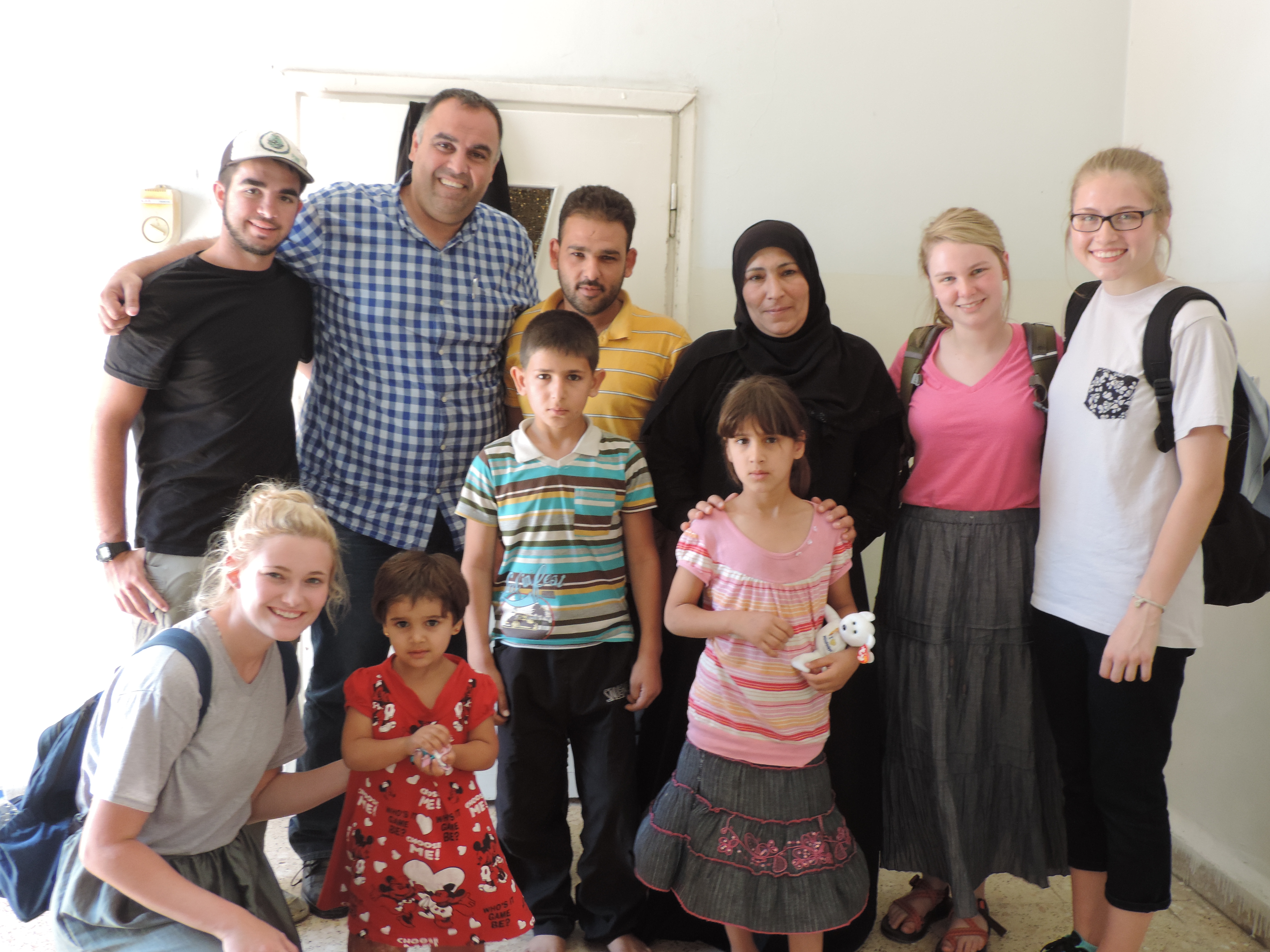
The first family that my group visited this morning is an extended family of 11 people living in one very small flat. They have been in Jordan from Syria for almost 2 years, which is longer than most of the families we’ve talked to. A certain number of families each year are moved to different countries to start a new life. When I say “family” that means immediate family only.

The particular family we visited is struggling with the decision to leave. Should they leave the rest of their family? Should they go to Sweden or Germany or France? They are very afraid that they won’t be accepted in another country because they are different. Then the father told us that he was trying to listen to what God is telling them to do. As soon as he said that, I knew that he was something special — humble. It doesn’t matter whether you’re in Amman, Jordan or Katy, Texas, it takes a special heart to demonstrate humility.

Then we talked to this man’s sister, her children, and their elderly mother. They were all so gracious and hospitable. During our time with them, they served us Turkish coffee (I have to admit I whispered to Kyle Doe that I’d give him $10 if he’d reach over and discreetly drink mine!), tea, and water.

We could tell they are very warm, loving people just from the smiles on their faces. When we talked about God’s love, they nodded their heads in agreement and looked us straight in the eye. We could tell they trusted us. They told us about their beautiful home in Syria before the war and all their neighbors they loved. Their neighbors were several different religions, including Christian, and they all got along fine because they loved each other.

They told us about a man who owned a pharmacy in their community. He was Christian and he would help anyone — Muslim, Christian, anyone. He would tend to their medical needs on the side and everyone depended on him. Then one day he was gone and never came back. They think this kind and compassionate man may have been kidnapped, but nobody knew for sure. They just knew he was a good man and their impression was that Christians will love you, no matter who you were.

So thank you, Mr. Christian pharmacist, whether you’re still on this earth or experiencing His glory in Heaven. Because of you, we were able to put another link in the chain today that will hopefully lead to the salvation of this family.

Posted by: Omar C. Garcia | July 6, 2014

Broadening Horizons

From Amman, Jordan to the Dead Sea

There is value in going beyond distant horizons in order to broaden our understanding of the world. St. Augustine said, “The world is a book. He who does not travel reads only a single page.” However, those who go beyond read another page, broaden their cultural vocabulary, become better informed, see the world through new eyes, and grow in their understanding of the worldviews that shape the lives of others.

Team at Church
This morning our students broadened their understanding of the world by worshiping at my favorite church in Amman. Our team participated in worship by singing Amazing Grace and listening to beautiful Arabic worship songs. I had the privilege of once again preaching to believers that I now count as dear friends. And our team observed the Lord’s Supper with our Jordanian brothers and sisters — a very meaningful and sweet experience.
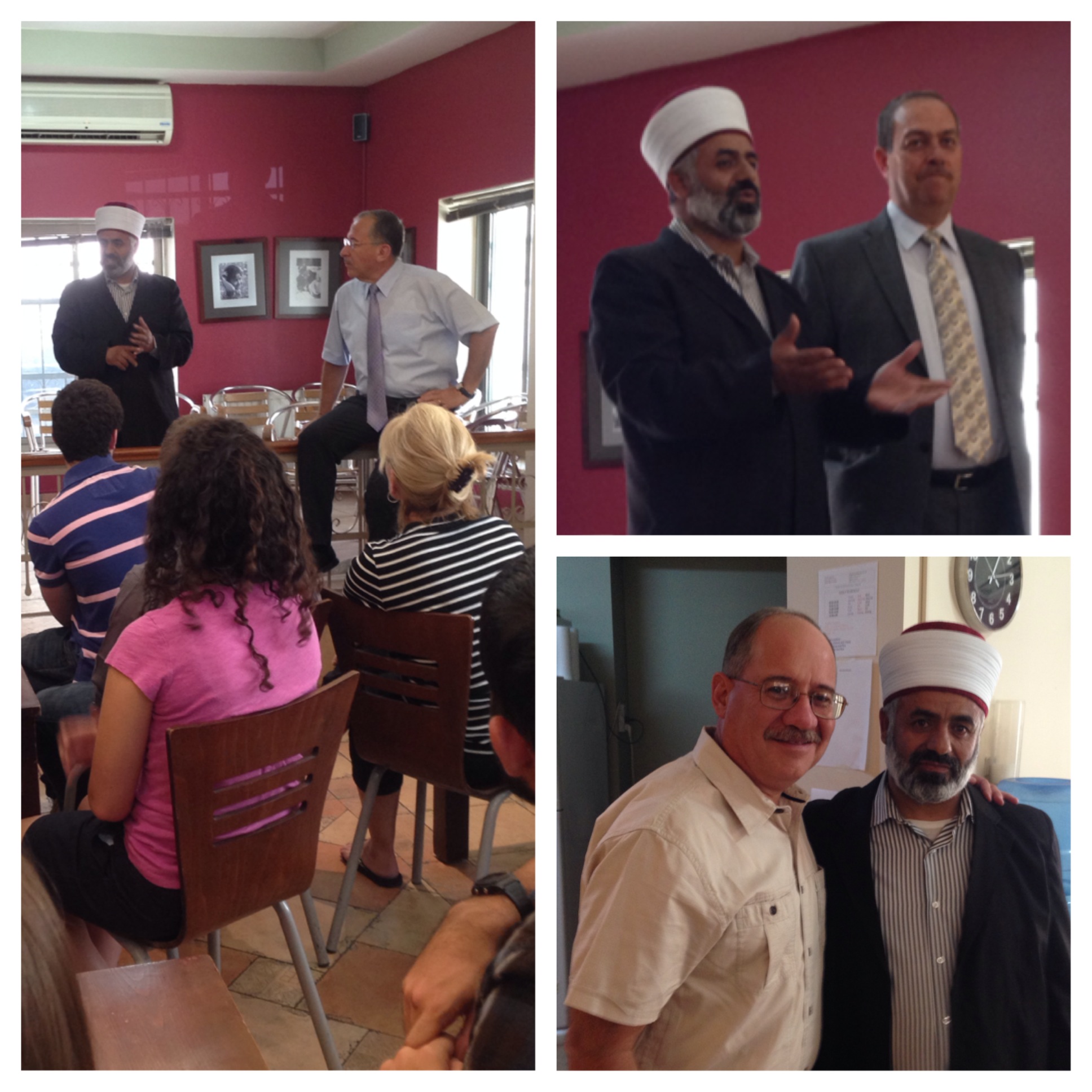
Team w SheikFollowing worship, the Muslim sheik who ministers to the Royal Family paid us a visit. I met this dear man on a previous visit to Jordan. He was so kind to meet with our team and to offer both words of encouragement and thanks for the good work that we are doing to help Syrian refugees. He is indeed a man of peace to our partners at Global Hope Network and was so kind to answer questions that our students had about him and his role with the royal family. This meeting broadened our students understanding of how Muslims and Christians are cooperating to meet needs in Jordan.

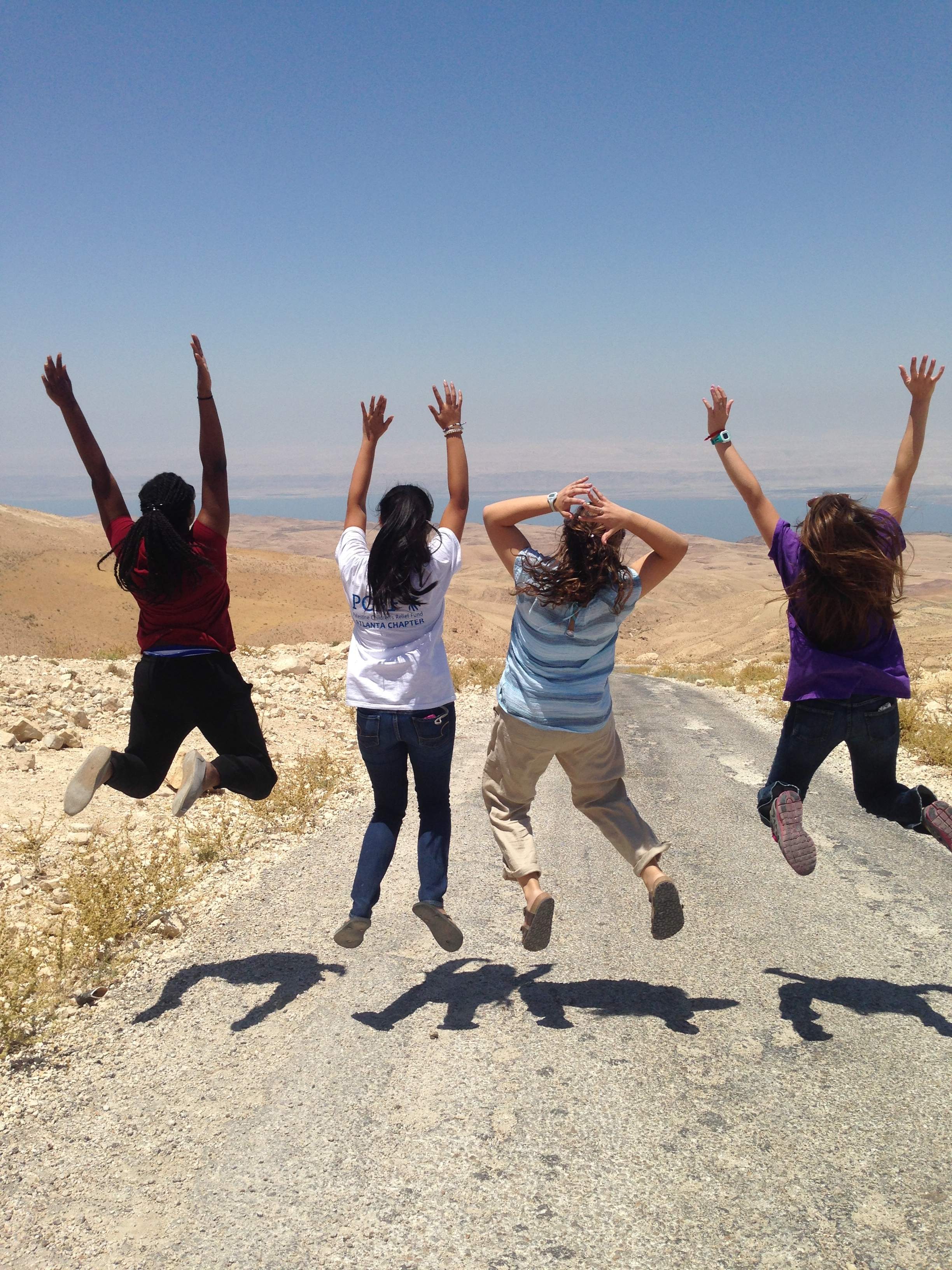
Dead Sea Fun
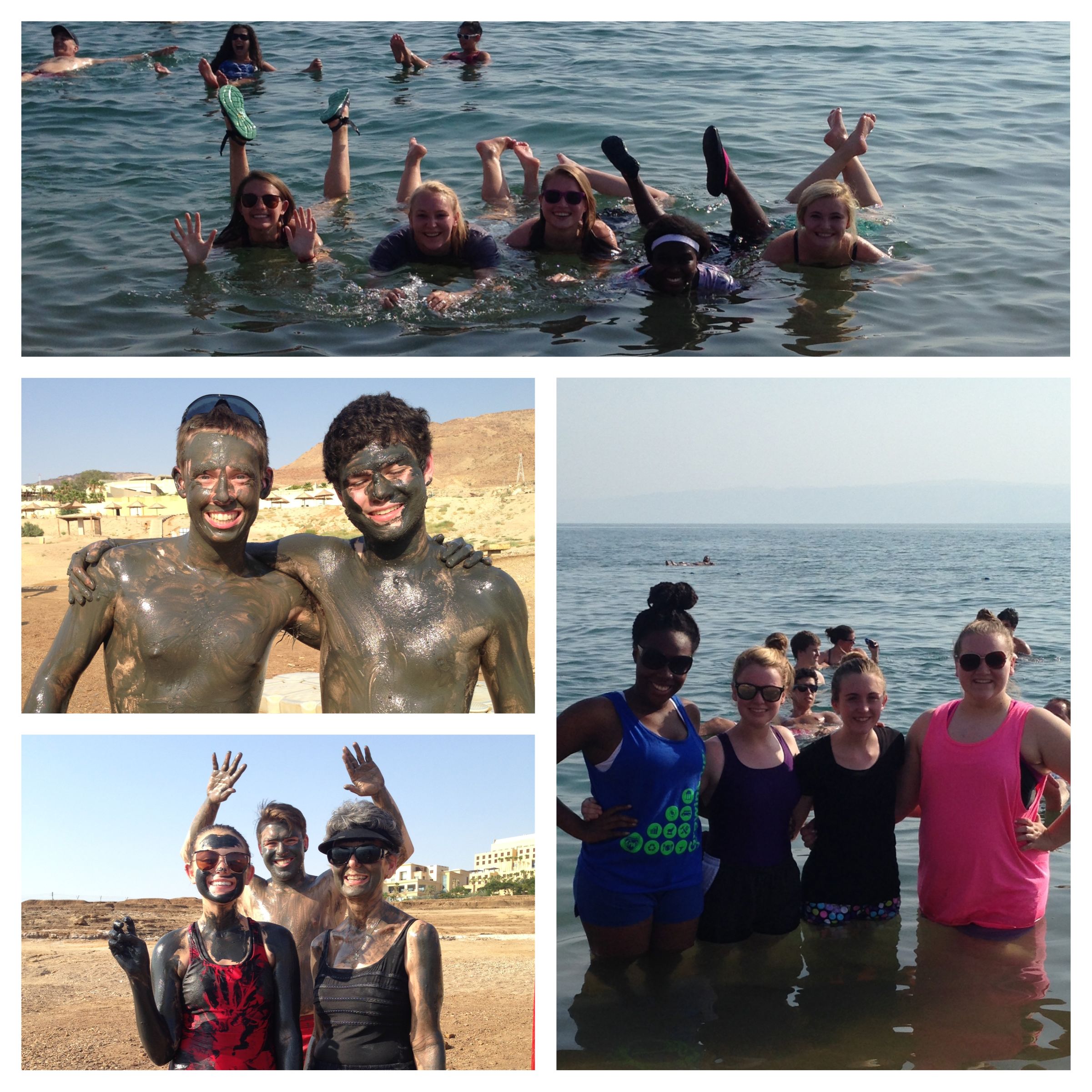
This afternoon we drove half an hour southeast of Amman to the Dead Sea, the lowest point on earth. I have visited the Dead Sea before and was excited to introduce our students to this spectacular natural wonder. We had an absolutely fun afternoon. Our students effortlessly bobbed in the water and giggled like my kids did when I bought them their first plastic swimming pool. The brave of heart slathered themselves with Dead Sea mud and were convinced they had smoother skin after they had washed off the sticky black exfoliant.
Pics at Dead SeaAt the end of the day we enjoyed a delicious Middle Eastern buffet. As I sat at the table I especially enjoyed listening to the conversations. They were not talking about typical teenage stuff. Instead the conversations were about participating in a prayer walk yesterday morning in Gilead, being with Palestinian orphans last night as they received Operation Christmas Child shoeboxes, what they enjoyed about worship this morning, how nice the sheik was, what has touched them about visiting Syrian refugees, and how cool it was to float in the Dead Sea across the way from Jerusalem.

Dead Sea at Sunset
Gretchen, one of the young ladies on our team, said the blessing before we ate at my table. I could hear such gratitude in her voice for the opportunity to be in Jordan and to have so many wonderful experiences. “We will never forget this trip and these experiences,” she said. Her words warmed my heart. Our students have indeed embraced every opportunity to read another page and broaden their understanding of the nations. They will return home a little wiser and much more in tune to the purposes of God in the world and the role that they can play in glorifying Him and growing His kingdom.

Posted by: Omar C. Garcia | July 5, 2014

You Entered Our Hearts

Among Syrian Refugees in Amman, Jordan

“There Is a Balm in Gilead” is one of my favorite hymns. I especially like the refrain of this old African-American Spiritual: “There is a balm in Gilead to make the wounded whole; There is a balm in Gilead to heal the sin sick soul.” Gilead figures prominently in Old Testament history. Among other things, it was the place where King David fled during Absalom’s rebellion and also the birthplace of the prophet Elijah. The Bible also mentions a particular balm of Gilead, an ointment made from the resin of a tree and widely used for medicine, perfume, and body ointment.

Our team at Gilead.

Our team at Gilead.

This morning, our team ventured to the region of Gilead to symbolically break ground for a Christian conference center and to prayer walk the grounds. From our high vantage point we could see the Jordan River in the distance and look over into the ancient land of Samaria beyond the Jordan. I reminded our students that this is where the famous balm of Gilead was produced. This was the same balm that Jacob encouraged his sons to take to Egypt along with other gifts to use in their negotiations with Pharaoh’s second in command, their brother Joseph (Gen. 43:11).

As I mentioned in a previous post, I encouraged our students to take “a little balm and a little honey” (Gen. 43:11) with them as they visit Syrian refugees. Emotions among the refugees we have visited are tender and raw. Many are faltering from exhaustion and grief. Several have told us about the hardships they face as strangers in another land. “Many people spit on us and curse us and tell us to go home,” one woman told me today. Little did the people who have mistreated this poor woman realize the hell she has been through over the past couple of years.

A grieving mother holding the only photo of her deceased son.

A grieving mother holding the only photo of her deceased son.

This mother told me that she and her kids arrived in Amman only three months ago. They spent a brief time in the Zaatari refugee camp before finally finding their way to a two-hundred square foot room that they are renting at a usurious rate. She had a faraway and pained expression on her face as she told us about how her 22 year-old son was killed in Syria. Soon afterward her home was destroyed, leaving her no option but to seek refuge in Jordan. As she talked she stared at her phone. On her small phone is the only remaining photo she has of her son.

A mother's only remaining photo of her dead son.

A mother’s only remaining photo of her dead son.

My heart sank when she handed us the phone to look at the tiny digital image of her son. We offered our condolences and prayed with her. We assured her that we would continue to pray for her and her beloved country. She thanked us and told us that we had done more than enter her home. “You entered our hearts,” she said. Our presence was indeed a soothing balm to this woman.

As Christ-followers we must be prepared to offer a prayer, to shed some tears, to listen to a story, to help carry a burden, and to walk beside weary travelers — all essential ingredients in dispensing balm. The woman has been through enough heartache without having to endure the hatred of others just because she is trying to survive in a strange land. Shame on those who spit on her and cursed her. May we, as Christ-followers, never miss an opportunity to liberally dispense the balm that can make the wounded whole and heal the sin sick soul.

Posted by: Omar C. Garcia | July 4, 2014

The Dust of History

In the ancient land of Moab in Jordan

Jordan is a country that is bulging at the seams with biblical history — one of those places that can make you feel like a kid who has wandered onto a world-famous stage like Carnegie Hall. Everywhere we go we find ourselves in locations where so many amazing biblical dramas unfolded. From the heights of Mount Nebo to the muddy banks of the Jordan River to the salty shores of the Dead Sea, you simply cannot escape the past when you visit Jordan.

Today, new dramas are unfolding across this ancient stage. Since March 2009, Syrian refugees have come to Jordan seeking safety from the madness that has gripped their nation. These nameless actors have unwittingly made it onto the pages of the Jordan’s playbill. They are engaged in a daily life and death drama filled with intense emotions. Their presence on this stage became the cue that prompted us to play our part to bring them measures of hope and encouragement.

This morning, we headed to the ancient land of Moab to serve at a place called the House of Ruth, so named because this is the place where Ruth, the woman in the lineage of Jesus, once lived. Our friends at Global Hope Network started this home as a place where women learn to speak English as a second language while receiving vocational training, where children can get their first exposure to the biblical stories that are a part of their own history, and where visiting teams can stage initiatives to assist refugees and the poor.

At Mount Nebo with the Dead Sea in the background.

At Mount Nebo with the Dead Sea in the background.

On the way to the House of Ruth, we took a quick detour to the area around Mount Nebo, the last stop for Moses on the way to the Promised Land. Concerned about the welfare of a people he would not be privileged to lead into the Promised Land, Moses delivered his final three sermons to the Israelites. These sermons are the heart of the Old Testament book of Deuteronomy — his final words of exhortation, encouragement, warning, instruction, and guidance.

Students kicking up the dust of history near the Dead Sea.

Students kicking up the dust of history near the Dead Sea.

Our students enjoyed the opportunity to wander the rocky ground around Mount Nebo and gaze at the Dead Sea in the hazy distance. Just being here for a brief time has given our students a little more clarity and context to stories they have heard since their earliest days in Sunday School. They were visibly excited to kick up a little of the dust of history that has settled here.

At the Greek Orthodox Basilica of St. George in Madaba.

At the Greek Orthodox Basilica of Saint George in Madaba.

We also took a some time to stop in Madaba, known as the City of Mosaics, to visit the Greek Orthodox Basilica of Saint George. This old basilica houses the oldest cartographical depiction of the Holy Land, a mosaic map made up of 1.6 million tiles carefully laid onto the floor of the church. As we stood around the map we sang a worship song together to the delight of other visitors in the basilica.

Serving at the House of Ruth.

Serving at the House of Ruth.

At the House of Ruth our team worked on several projects. One team built an impressive stone wall at the entrance to the small campus while another team repaired breaks in the wall at the back of the property. This exercise prompted our students to lead us in a devotional at the end of the day from the book of Nehemiah, the wall-builder. Another team scraped and painted some of the outside walls of the center. And all of our teams engaged in teaching a Bible lesson to neighborhood kids.

Our team at the House of Ruth in the ancient land of Moab.

Our team at the House of Ruth in the ancient land of Moab.

To say that I am impressed with our students would be an understatement. They are serving hurting people with deep compassion and cheerfully embracing every task assigned to them. I am grateful to have this opportunity to guide them on this shared mission and shared adventure to this ancient place. They will come home with a deeper appreciation for current world events and the role they have played in serving those whose lives have been dramatically impacted by those events. They will return home with a little of the dust of history on their feet.

Posted by: Omar C. Garcia | July 3, 2014

Finding Harry Feversham

Among Syrian Refugees in Amman, Jordan

“The Four Feathers” is among my favorite novels. Written by Alfred Mason in 1902, it is a fascinating story about a British officer named Harry Feversham who resigned his post just before his unit was sent to protect British interests in Sudan in 1884. As a result of his decision, Feversham received four white feathers, a symbol of cowardice, from his friends and fiancé. The rest of the story is about Feversham’s attempt to redeem his honor by traveling to Sudan in disguise.

At a critical point, Feversham was near death in the desert when an African man named Abou Fatma found him, nursed him back to health, and protected him. This unexpected act of kindness prompted Feversham to ask Abou, “Why are you protecting me?” Abou replied, “Because God put you in my way. I have no choice.” Near the end of the story, when these two men parted company, Feversham asked Abou where he was going. Abou simply said, “To see who else God puts in my way.”

"Soldiers arrested my neighbors. These friends were not heard from again."

“Soldiers arrested my neighbors. These friends were not heard from again.”

Over the past couple of days, our lives have intersected with many Syrian refugee families in desperate need. More than once as we have visited these families, I have reflected on Abou’s words to Feversham. Abou was a simple man who behaved in the spirit of the good Samaritan. Our students have also played the role of the good Samaritan. They have helped people who have shared heartbreaking stories of escaping certain death in Syria only to find themselves living lives of quiet desperation in neighboring Jordan. As if suffering unimaginable losses were not enough, these families are now struggling to survive from day-to-day.

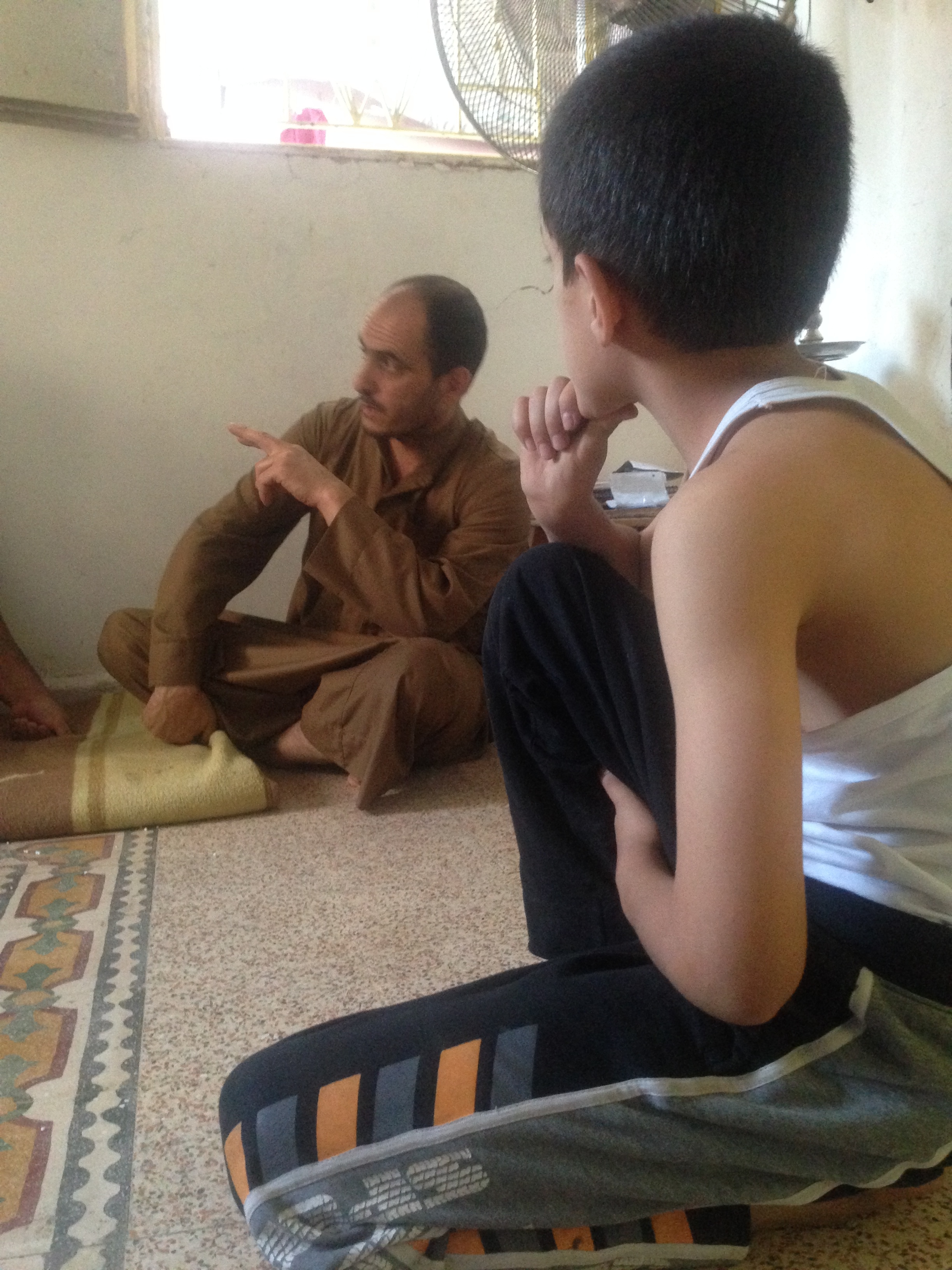
One team visited a 52 year-old man who lost his eyesight in a bomb blast. He and his young teenage son escaped together — the son leading his injured father the entire way. Another team met a family that arrived in Syria two months ago. They live in one small windowless room and have only the clothes they were wearing when they escaped. Another man shared how Assad’s soldiers had tortured him by pulling his teeth. Still another 32 year-old woman and mother of eight lost her 47 year-old husband to a heart attack two months ago. When our team arrived they learned that she was to be evicted the following day. We paid her rent.

These are just a few of many of the stories that we heard today as we canvassed the city to visit Syrian refugees. There are hundreds of thousands of more stories just like these that are waiting to be told. While every family we visited appreciated the humanitarian aid we provided, they were even more grateful that we had traveled so far just to reach out to them. They desperately needed the hope and encouragement we offered, perhaps more than the groceries we delivered. Many expressed that just knowing that they are not forgotten and that someone is praying for them has made all the difference.

The members of this family live in a single room and own only what they are wearing.

The members of this family live in a single room and own only what they are wearing.

Sooner or later, we all find ourselves living the role of either Harry Feversham or Abou Fatma. When we find ourselves in dire straits like Feversham, the thing we need most is a good Samaritan like Fatma, someone who is willing to do whatever it takes to help another. More often, most of us are in the position of Abou Fatma. We can do something to help those whom God puts in our way. And, we should do something, even it it means altering plans or digging a little deeper into our wallets.

Because Feversham’s life was saved by Fatma, he was able to go on his way and ultimately saved the lives of others. You’ll have to read the book or see the movie to find out how. You just never know what the next chapter will hold for those we help because God put them in our way. As you go about your day, look for Harry Feversham and when you find him, give him a hand. Your act of kindness will have a reach farther than you can imagine.

« Newer Posts - Older Posts »

Categories