Amman, Jordan
The writers of the psalms understood what it meant to be in trouble. “How long, O Lord, will you look on?” David cried out. “Rescue me from their destruction, my precious life from the lions!” (Psalm 35:17). I love the Book of Psalms. There are times when the psalms speak to us. And there are times when the psalms speak for us — times when we are in such utter distress that we must borrow the language of the psalms to cry out to God.
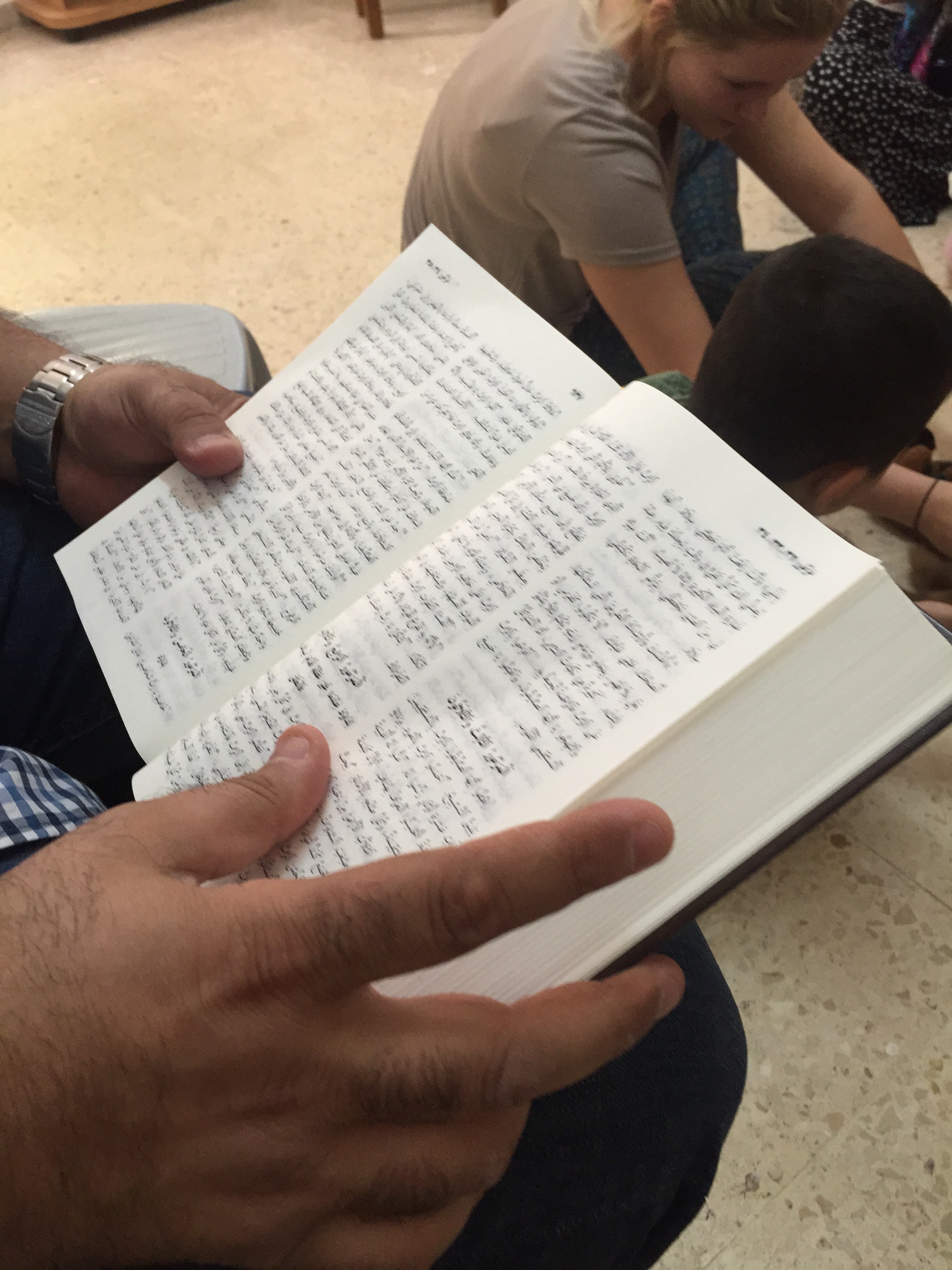
Many of the displaced Iraqi Christian refugees have adopted the language of the psalms. I can hear the ancient voice of the psalmist every time I sit to listen to their stories. These distressed individuals understandably have questions about the evil they have experienced, the loss they have suffered, and why the wicked seem to triumph at their expense. And so these troubled waters that lie deep in the well of their hearts eventually surface in the bucket of speech.
Who can fault these distressed refugees for their questions, confusions, and complaints? We do the same thing when we are in trouble. There is something about us that wants to know why we experience troubles and when we will be delivered from those troubles. There is something about us that longs to make sense out of it all, wondering how the dark threads of our lives can possibly make sense in the tapestry God is weaving.
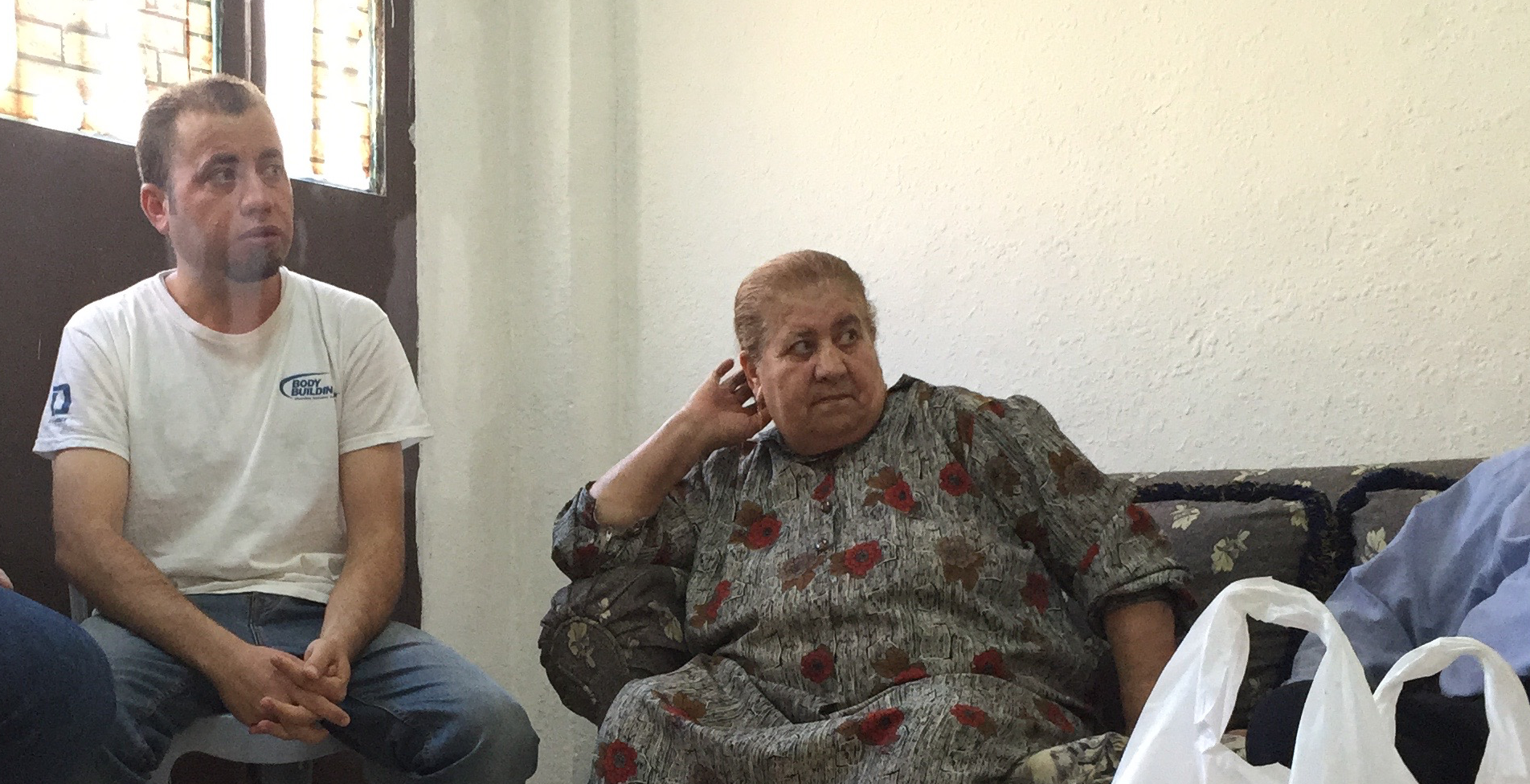
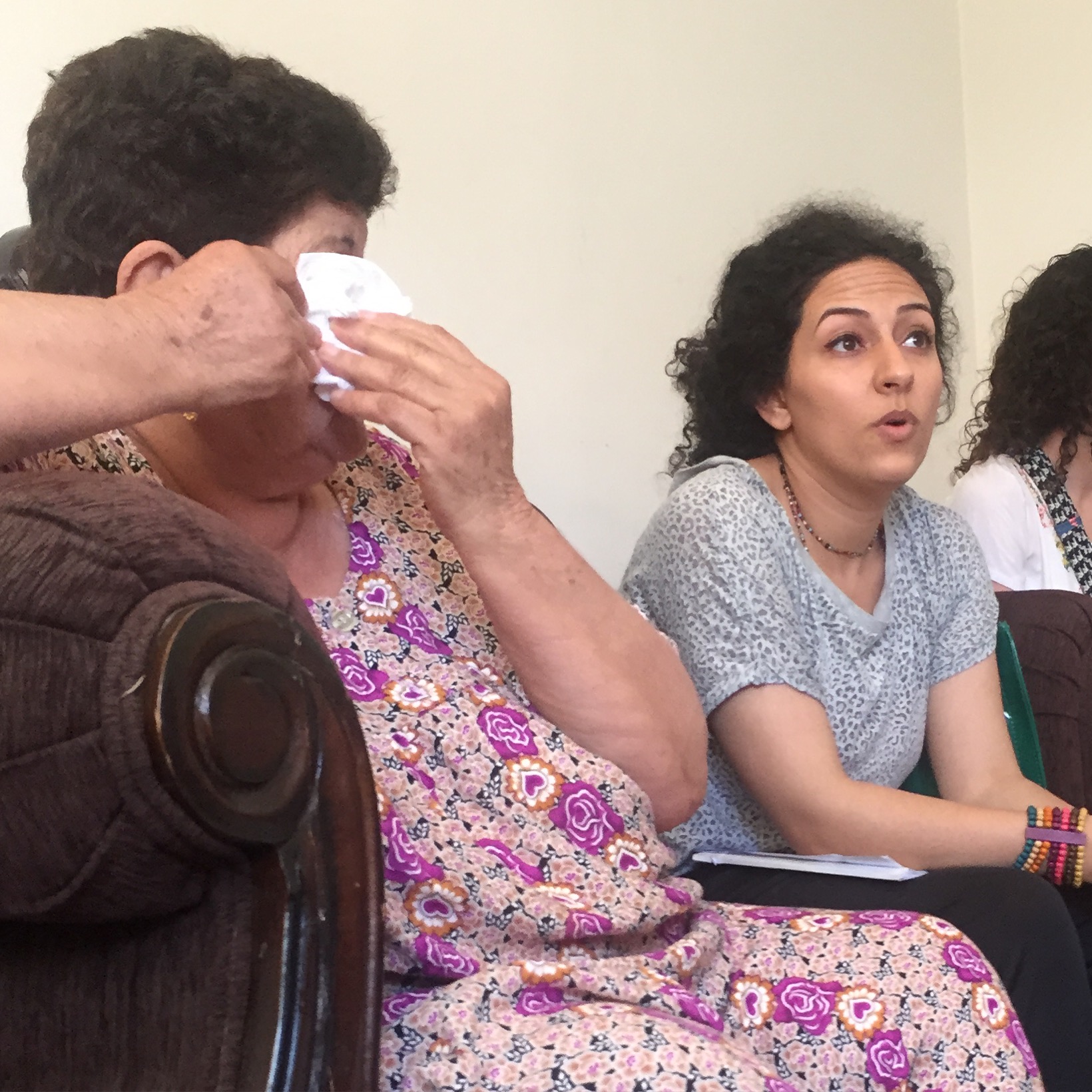
As I listened to one elderly woman complain this week I affirmed that it was ok for her to do so. After all, in the words of the psalmist, God remembers that we are fragile creatures of dust (Psalm 103:14). He can handle our complaints while He works out His purposes in our lives. One thing is certain, that although we may never fully know the “why” of our troubles on this side of heaven, we will ultimately understand the “why” when we finally get to heaven.
I told this troubled woman about my visit to the home of Corrie ten Boom in 1996. I explained that Corrie and her family had provided a hiding place for Jews during the Second World War — something that eventually resulted in the loss of her entire family in concentration camps. Our guide showed us a needlepoint that Corrie had stitched and later framed. “It was her favorite piece,” he said as he pointed to what appeared to be a chaos of threads behind the glass of the frame.
But then, he turned the frame over to reveal what, to my surprise, were the words to “The Weaver,” a poem I had memorized years earlier. No wonder Corrie eventually forgave those who had killed her family. The words of this little poem make a lot of sense.
My life is but a weaving,
Between my Lord and me.
I cannot choose the colors
He worketh steadily.
Oft times He weaveth sorrow
And I, in foolish pride,
Forget He sees the upper,
And I the underside.
Not till the loom is silent
And the shuttles cease to fly,
Shall God unroll the canvas
And explain the reasons why
The dark threads are as needful
In the Weaver’s skillful hands,
As the threads of gold and silver
In the pattern He has planned.

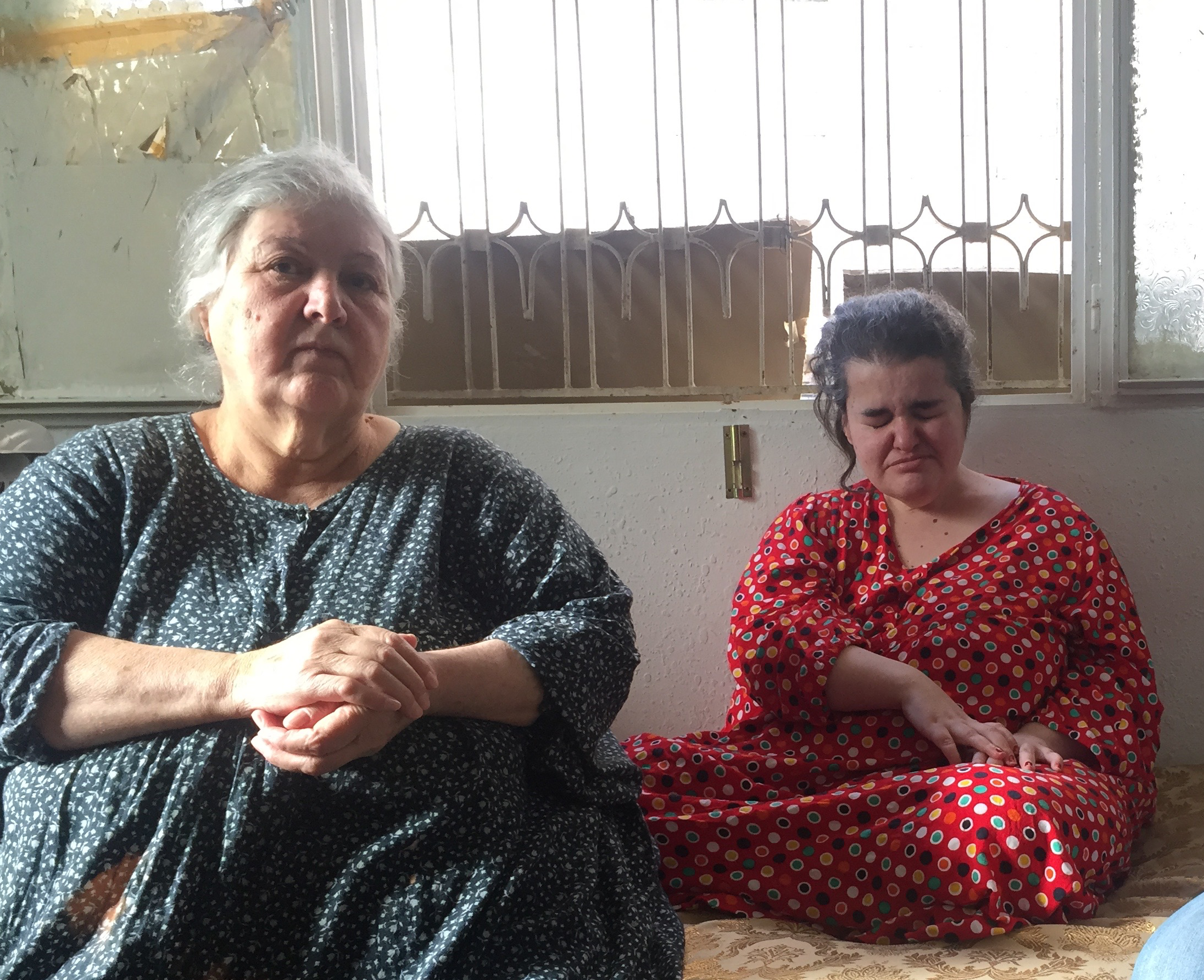
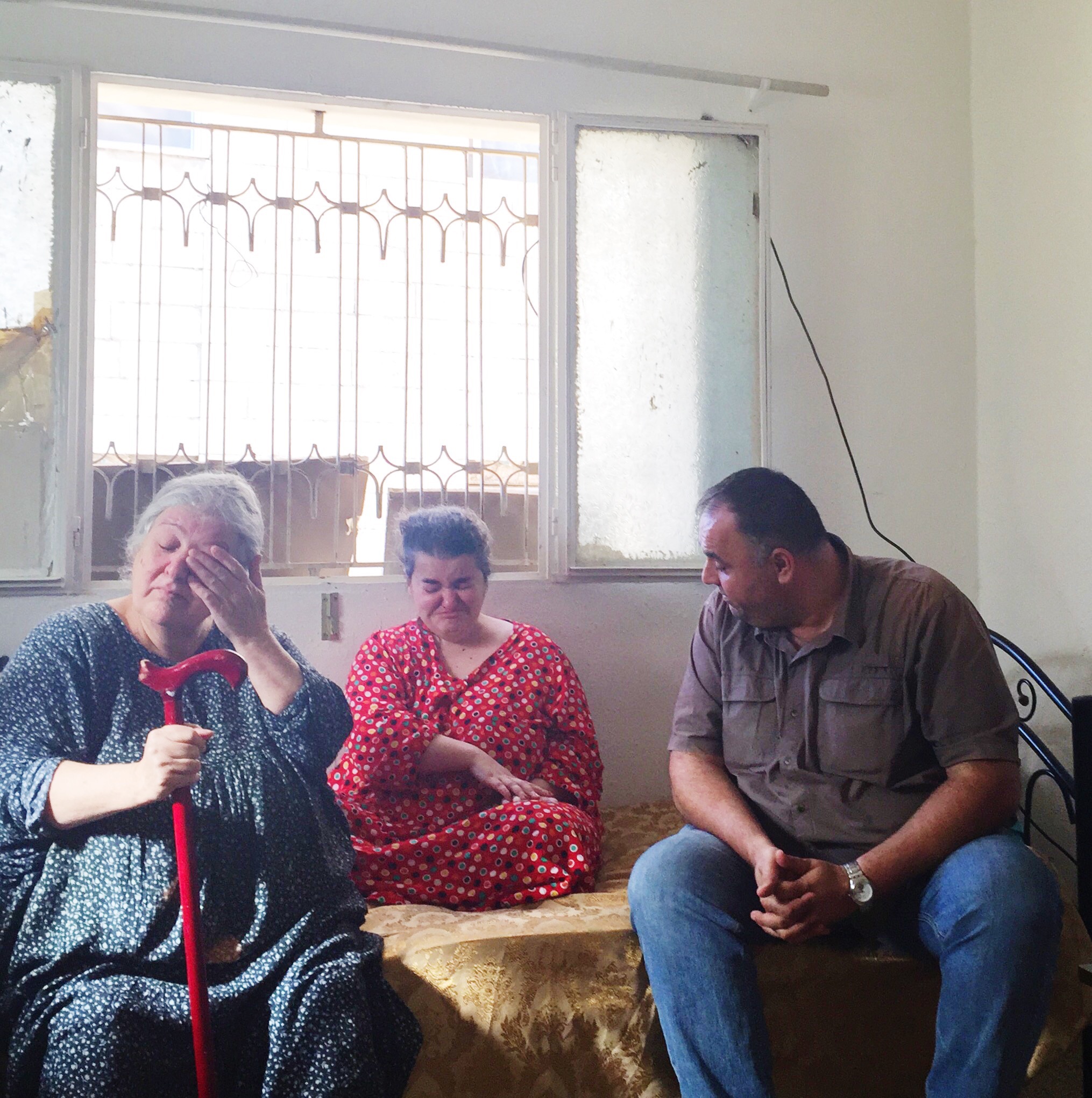
This has indeed been an emotional week for those of us who have visited in the homes of Iraqi Christians displaced from their homes by ISIS, the very embodiment of evil. One woman sighed as she asked, “What can we do? What can we do?” She understood that she was powerless to retaliate or to make things as they were before ISIS disrupted her life. And then she answered her own question, “We can trust in God.” And indeed we should. He alone can take the dark threads of our lives and use them to make something beautiful.














 Go Beyond