Posted by: Omar C. Garcia | July 28, 2015

Hashtag Texas Road Trip

Texas has no shortage of interesting places to visit and fascinating people to meet. That’s why Cheryl and I enjoy our wish-we-could-do-them-more-often Texas road trip adventures. We are excited to be in the Texas Panhandle this week, wandering highways and byways in the vast expanse of the high plains.

Processed with Moldiv

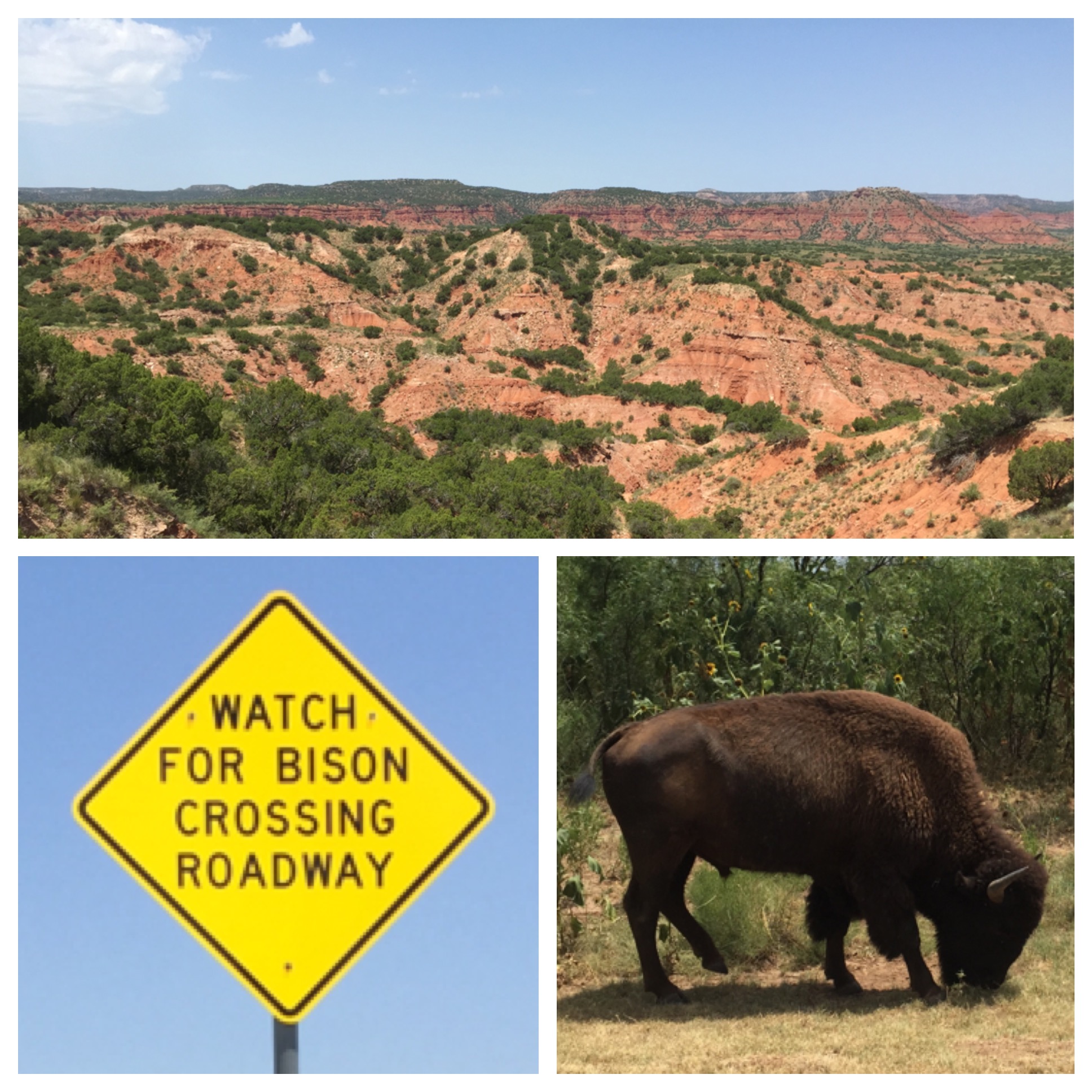
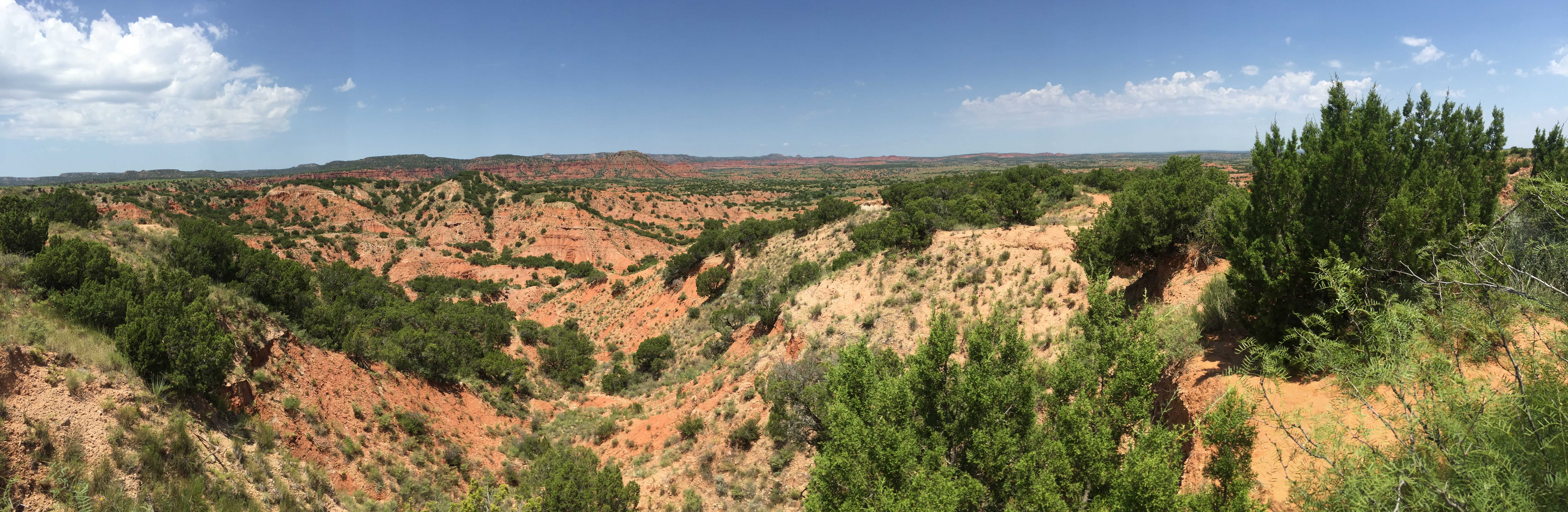
We spent much of the day exploring the majestic Palo Duro Canyon, the second largest canyon in the country. This canyon is indeed a Texas treasure and certainly worth the drive from anywhere in the Lone Star State. Palo Duro is Spanish for “hard wood” — a reference to the Rocky Mountain Juniper trees found in the canyon. Shaped by centuries of erosion, the canyon offers amazing vistas in every direction. We enjoyed a little bit of walking, mostly to take photos. We definitely want to return again to camp, hike, and bike.

Processed with Moldiv

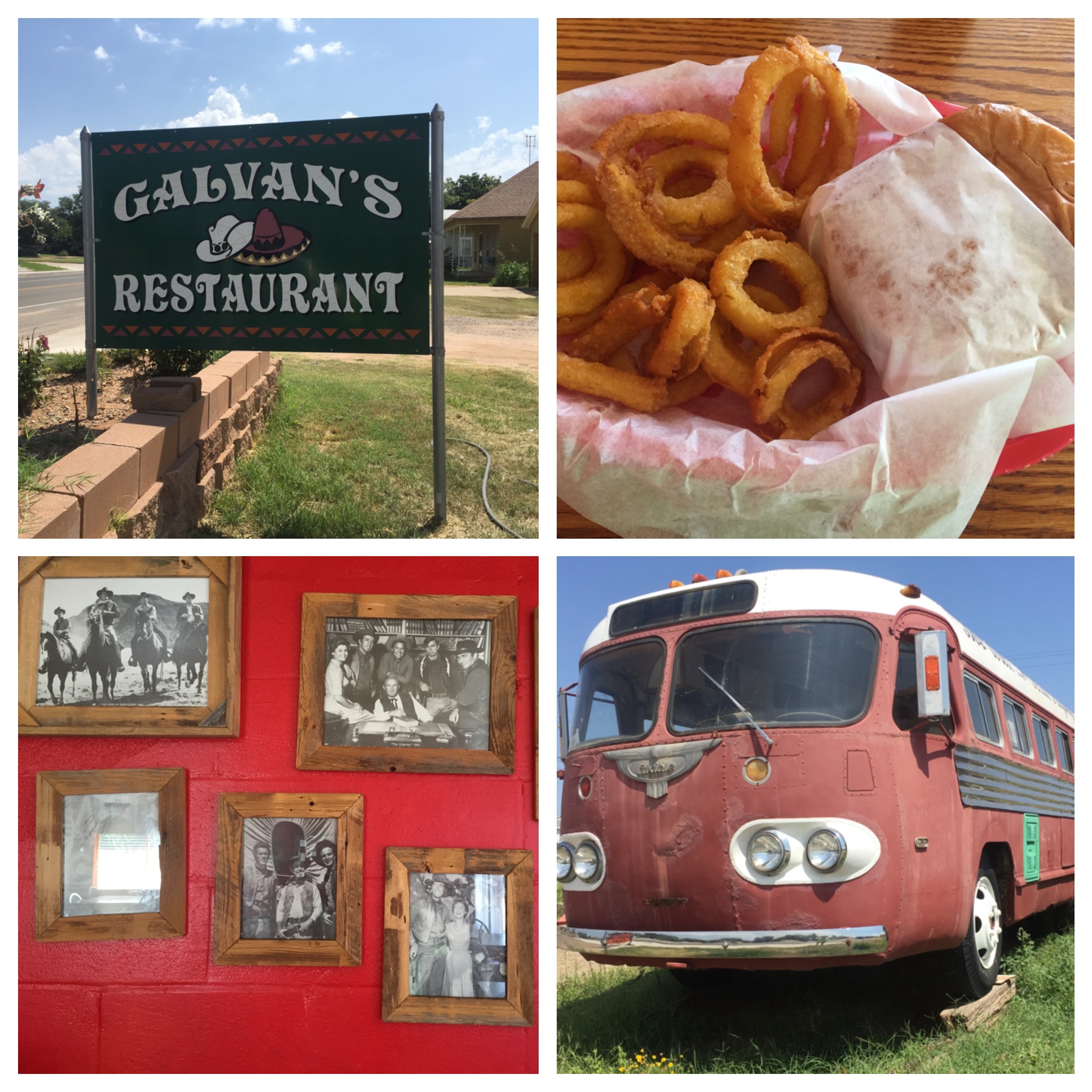
From Palo Duro Canyon we ventured to the Golden Light Cafe along old Route 66 in Amarillo. This cafe was established in 1946 and is the oldest restaurant in Amarillo and perhaps the oldest restaurant continuously operating in the same location anywhere on Old Route 66. We first learned about this cafe and their famous hamburgers on a recent episode of “The Texas Bucket List” television show. We knew we had to visit to enjoy a burger. And we are certainly glad we did. One of the best hamburgers I have ever eaten!

Cadillac Ranch Pics
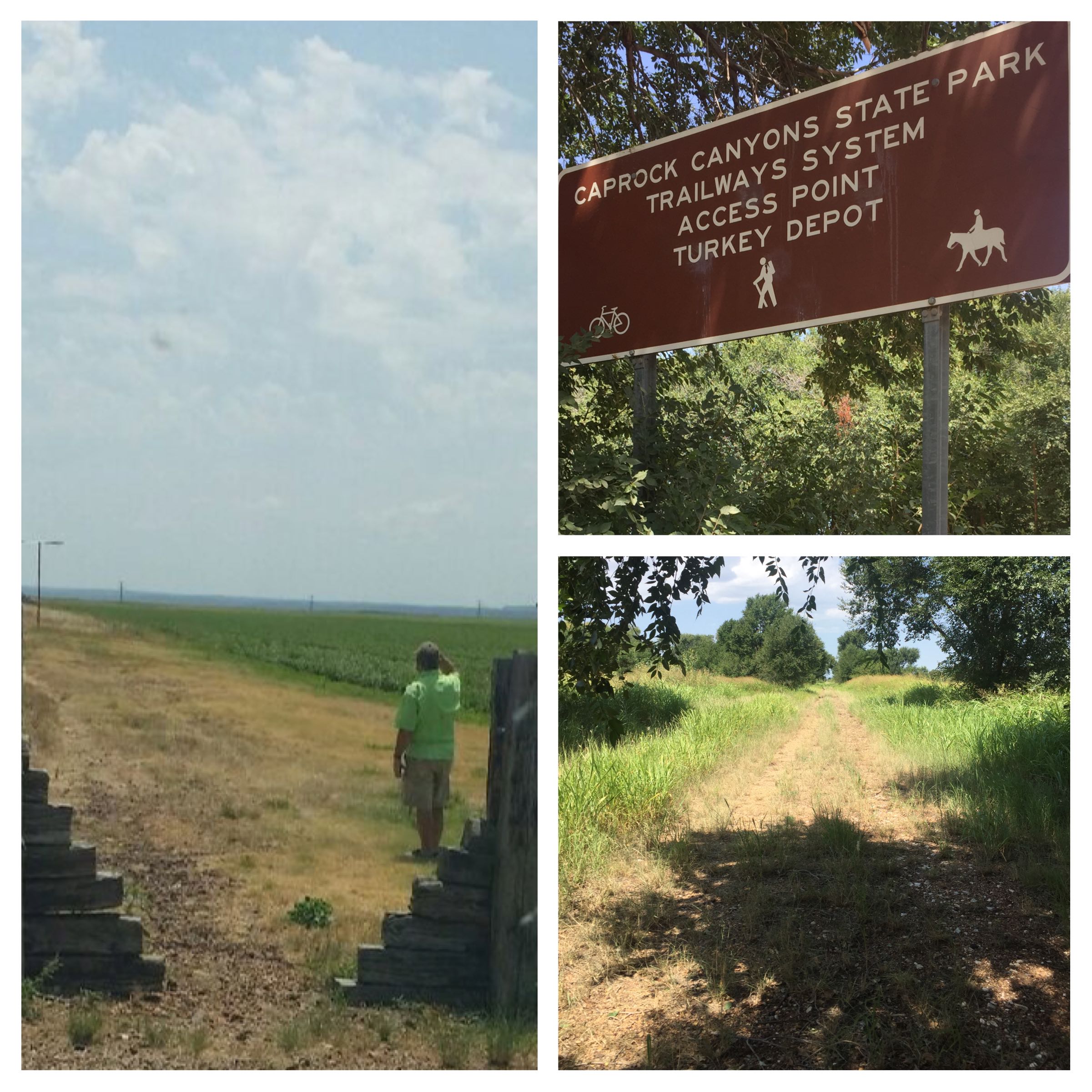
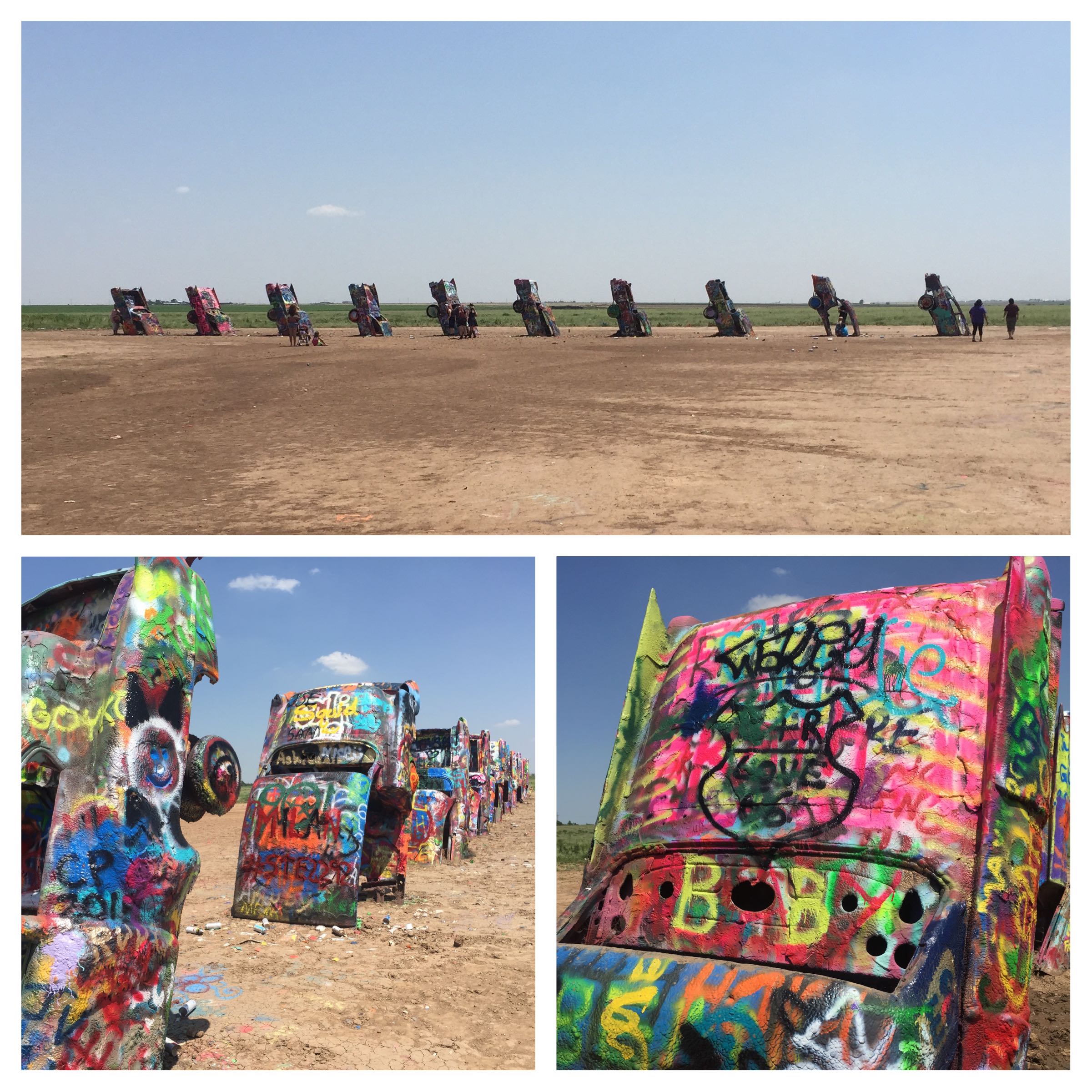
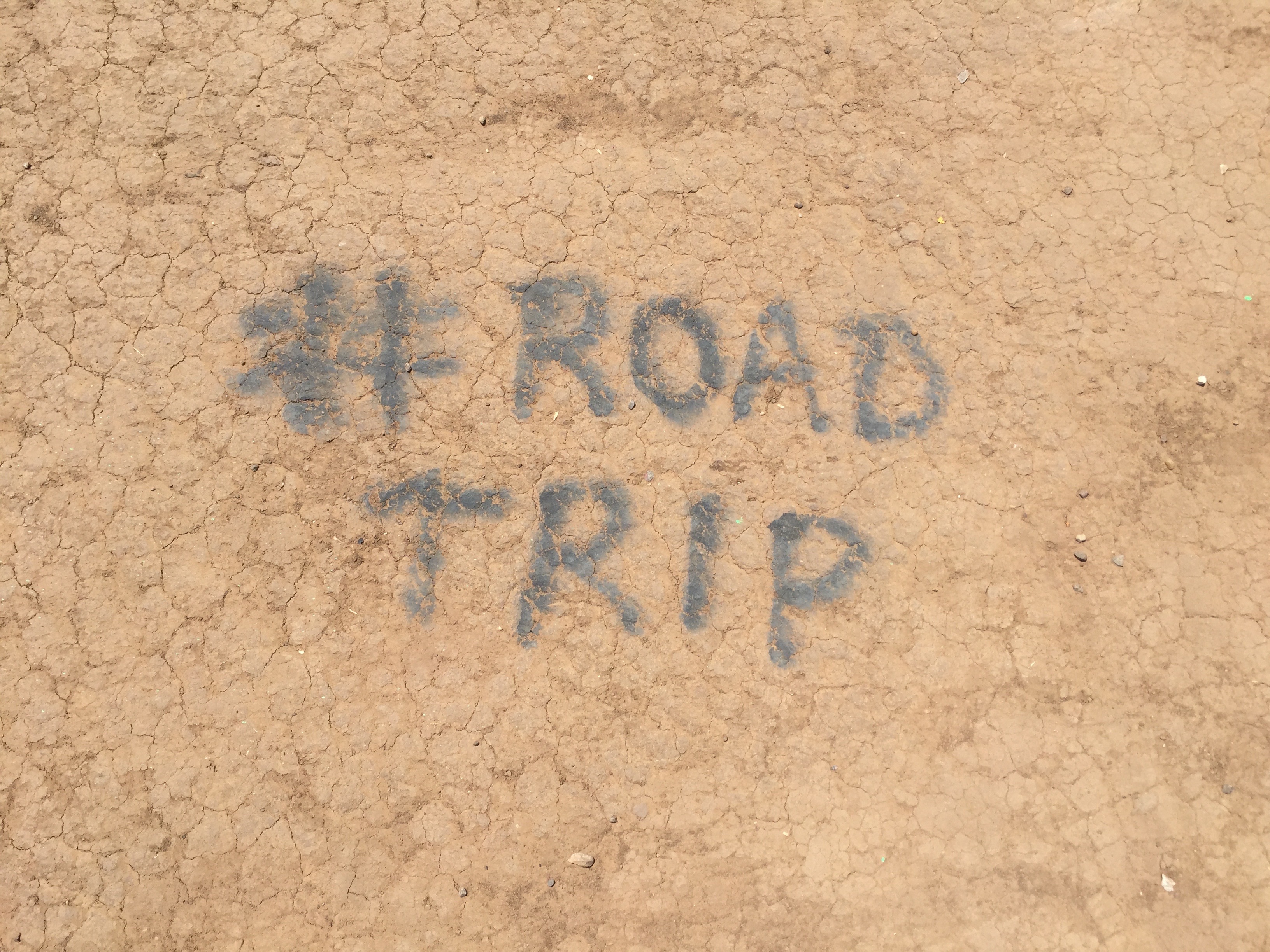
Of course, since we were in the neighborhood, we had to make a visit to Cadillac Ranch to see what may be one of the quirkiest tourist attractions in the Lone Star State. Folks up here know it as one of the world’s first roadside sculptures — featuring 10 Cadillacs buried nose down in a field. Today, tourist are encouraged to bring their own spray paint to add their personal tag to the roadside oddity. One guy even spray painted the words #RoadTrip on the hard-packed ground leading to the cars in the field. You never know what interesting things you might see on a Texas Road Trip.

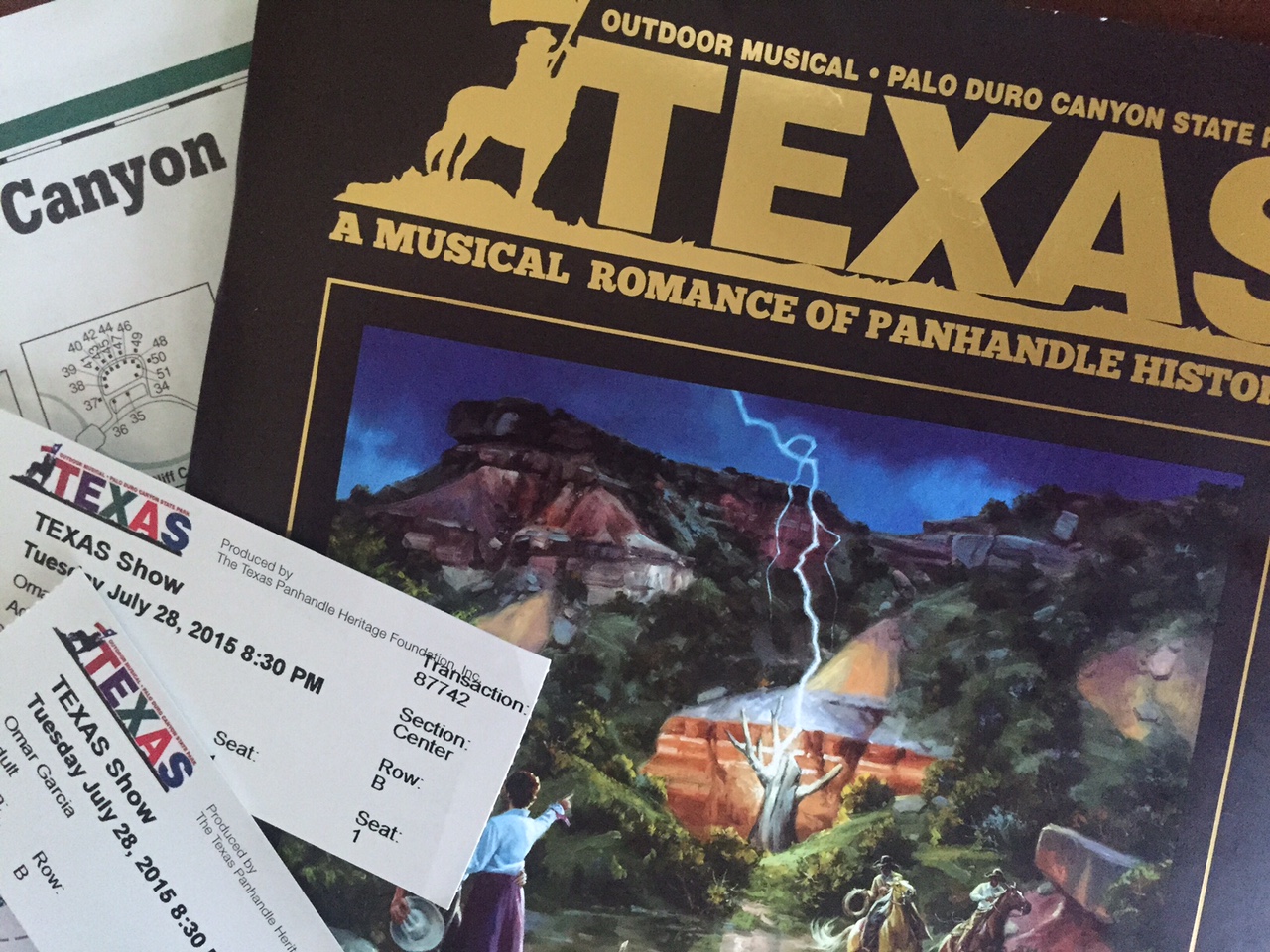
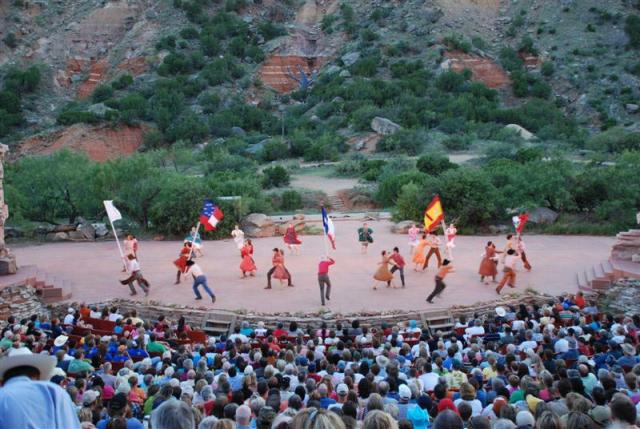
This evening, we are headed back to Palo Duro Canyon to see the renowned “Texas” musical. This outdoor musical drama has been performed each summer for the past 50 years in Palo Duro Canyon State Park. Hard to believe that I first enjoyed this musical in its fifth season. We can hardly wait for tonight’s performance in Palo Duro’s outdoor amphitheater under the stars.
# Road Trip
Any Texas road trip offers plenty of attractions to satisfy almost every taste. Whether you are attracted to the great outdoors, by the promise of a tasty meal along a historic highway, or to a quirky oddity in a rancher’s field, Texas has plenty to offer those whose wanderlust leads them down our highways and byways. Cheryl and I are happy to be spending these days together enjoying the great state of Texas.

Posted by: Omar C. Garcia | July 27, 2015

The Road to Canyon

I first visited Canyon, Texas forty-five years ago and fell in love with the wide-open spaces of the Texas Panhandle. For a boy from the Rio Grande Valley, the uninterrupted vistas of the Panhandle were absolutely mesmerizing. As I traveled by bus, I imagined cowboys driving their herds to market, enjoying a hot meal in the shadow of their chuck wagon, and sleeping under a blanket of stars. This, I thought to myself, was Texas! I would return to the Panhandle two additional times before graduating from high school.

Texas Musical
My Panhandle adventures also introduced me to Palo Duro Canyon, the second largest canyon in the country. I visited the canyon to see the outdoor musical named for the Lone Star State. When Cheryl and I married almost thirty-five years ago, I promised to one day take her to see the musical. Well, tomorrow I will finally make good on that promise. We have our reservations to see “Texas” at the outdoor Pioneer Amphitheater in the canyon. More on that in my next blog on our Texas summer road trip.

IMG_5013
The road to Canyon took us through Lewisville where we stopped to visit our son Jonathan and daughter-in-law Aubrey. We are blessed to have Aubrey in the family. Of course, I had a thousand questions for Jonathan about his recent fourth Texas Water Safari finish. Cheryl and I also had an opportunity to visit the Texas A&M AgriLife Research and Extension Center in Dallas where Jonathan is doing an internship. Pretty cool stuff going on there.

The Tubbs and Omar
From Lewisville we traveled to McKinney to visit our dear friends Joe and Nadine Tubb. This sweet couple knew me before I was a Christ-follower, nurtured me when I came to faith in Christ, opened the door for me to serve in full-time ministry, and helped me to meet Cheryl. I will forever be grateful for how God used them to love and guide me into a lifetime of service to Christ. I am a part of their spiritual legacy and they share in everything that God has allowed me to do for the kingdom over the past thirty-seven years of ministry.

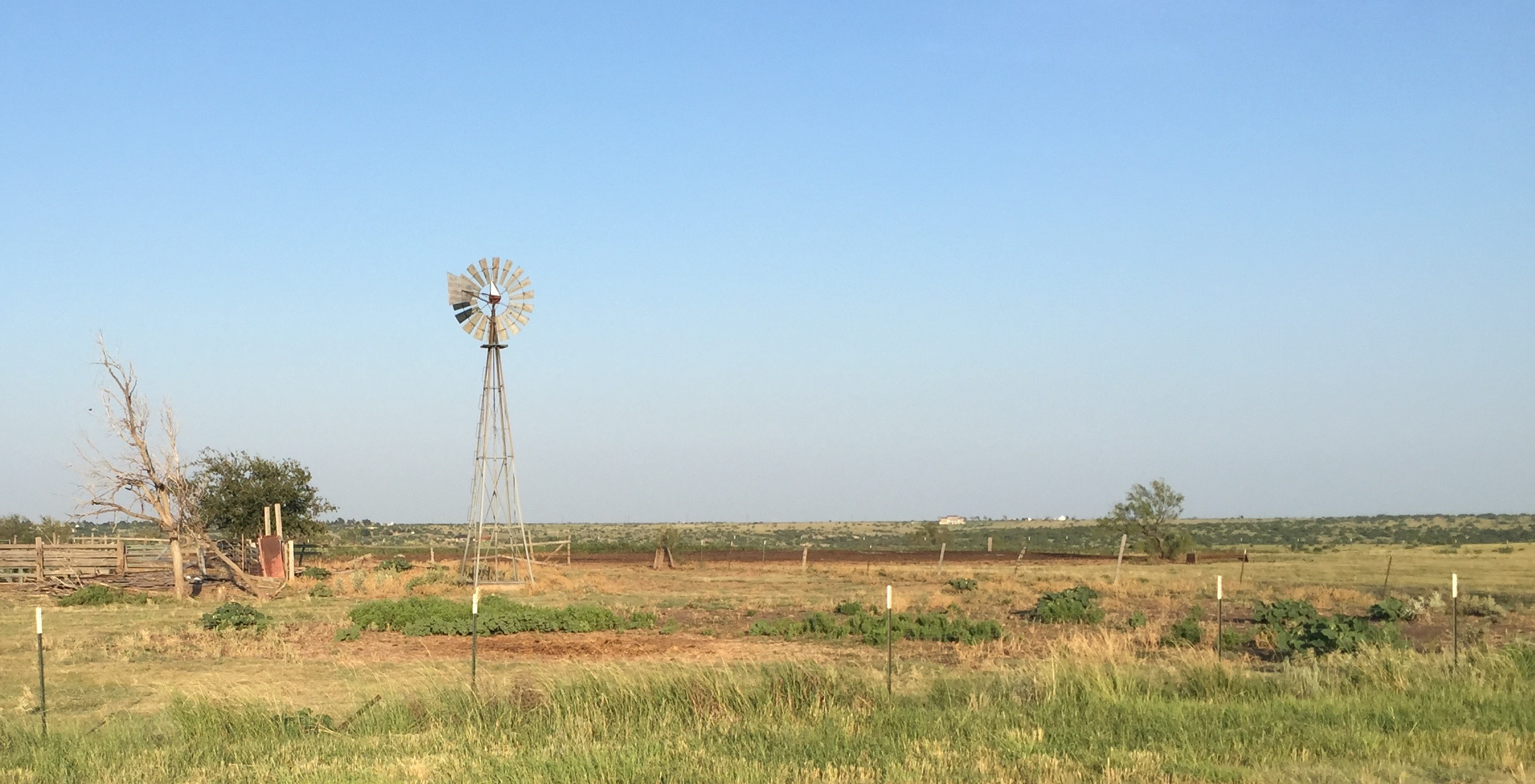
Panhandle Windmill
From McKinney, Cheryl and I continued our journey to the Texas Panhandle. We are both easy to please. Just having windshield time together on the road to Canyon was a huge blessing. We have needed this white space on our calendar and time to recharge. Tomorrow we will visit an old hamburger joint in Amarillo that has been around since the 1940’s and then head to Palo Duro to do a little exploring before the musical. Looking forward to the coming week as we enjoy this part of the Lone Star State on our Texas summer road trip.

Posted by: Omar C. Garcia | July 22, 2015

What I Learned From Iraqis

Reflections on Serving Iraqi Christians Displaced by ISIS

Almost a week has passed since I returned from Jordan where my team and I served Iraqi Christians displaced by ISIS. Every person we met chose to stand firm for Christ even though doing so cost them everything they owned. Over the past few days I have reflected on what I learned or was reminded of by the families I met. I offer these reflections here for your consideration.

1. Evil is real. | The displaced Iraqi Christians I met in Jordan all attested to the same thing — evil is real! They know this for a fact. Every family had a story to tell about the darkness that descended upon their neighborhoods when ISIS came near. The presence of evil changed everything.

2. God is sovereign. | Regardless of what evil may touch our lives, God is in control. And, regardless of appearances to the contrary, God is still in control. Never doubt that, even if you don’t understand why or how or when!

3. God’s ways are beyond ours. | God’s wisdom is infinite. He is moved by considerations far beyond the scope of our human comprehension. Whenever we do not understand why God is allowing us to be afflicted, we must trust Him fully and give Him the benefit of the doubt!

Processed with VSCOcam with s3 preset

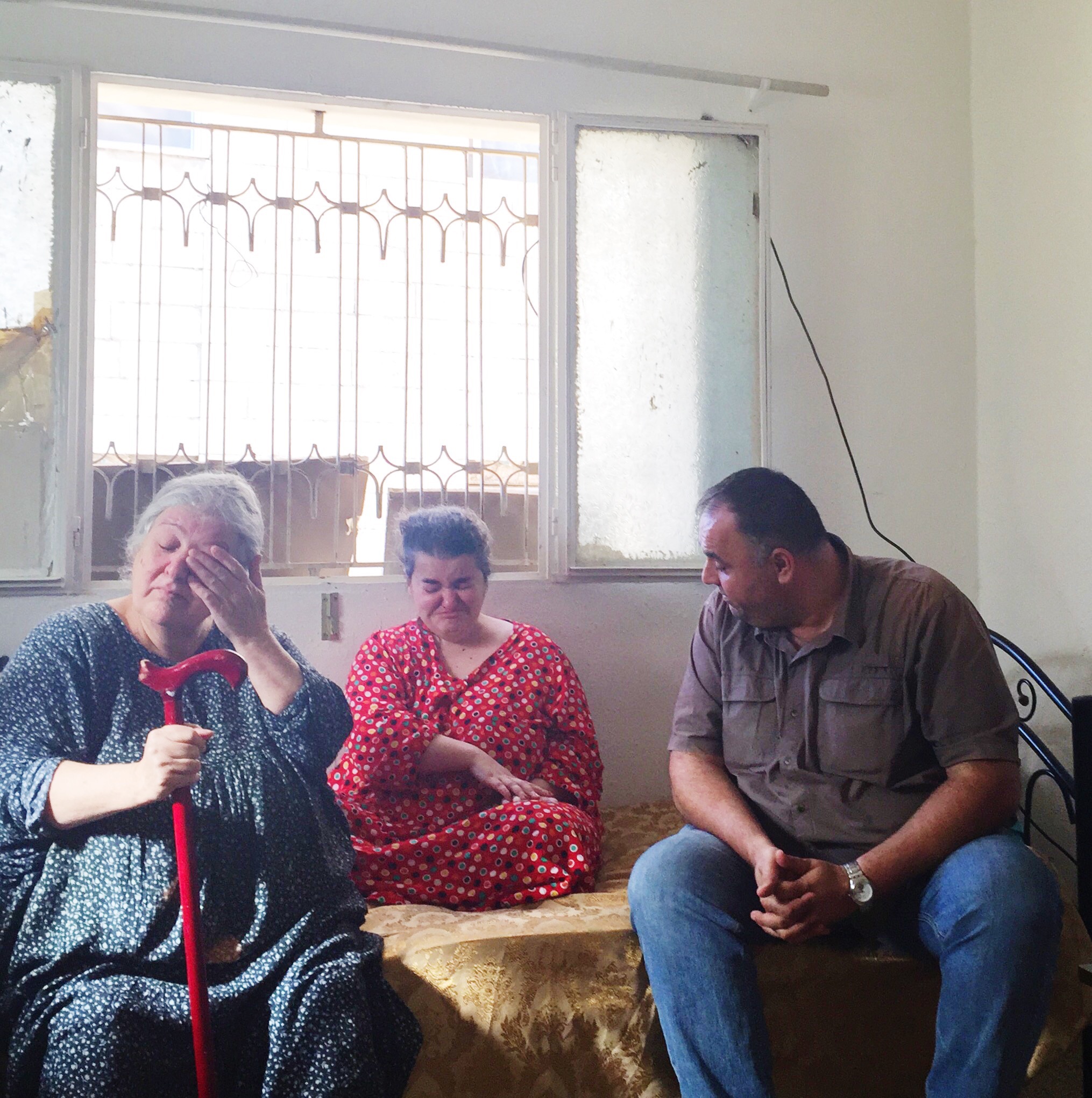
4. Allow yourself to grieve. | The Bible never instructs us to be stoic when our lives are touched by afflictions. In every home we visited, the tears flowed freely. It’s ok to cry when our lives are turned upside down by circumstances beyond our control. God understands our tears.

5. Don’t allow your circumstances to obscure your view of God. | The clouds of affliction can easily obscure our view of God. When our lives are torn apart by things we do not understand, we should believe what we know about God rather than what we feel about God. He will never leave us nor forsake us.

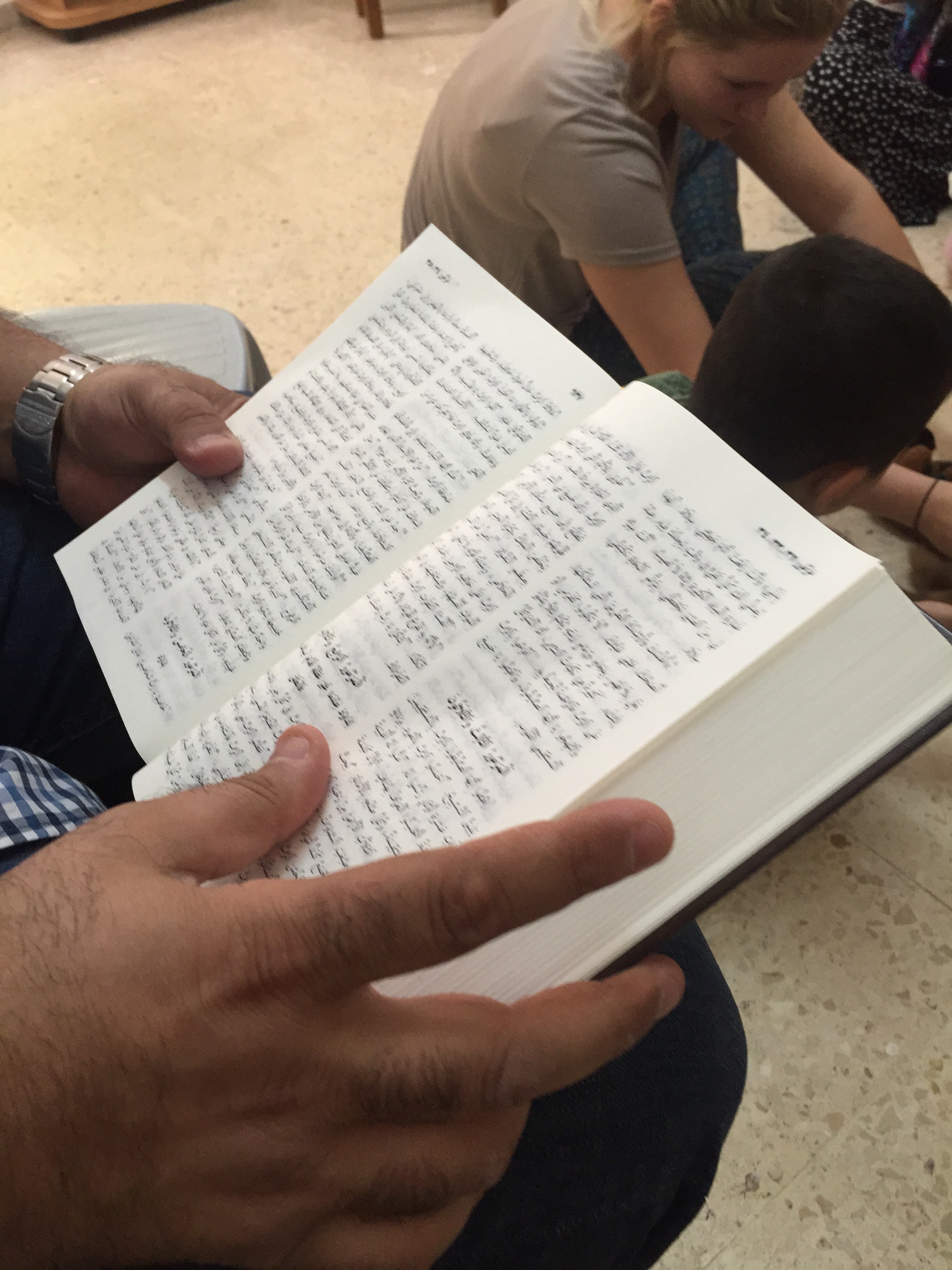
Rami and Bible
6. Look to God for wisdom.
| Human wisdom is never enough. However God’s wisdom, contained in His Word, can give us the hope and perspective we need in order to hang in, hang on, and come through.

7. God is able. | There is absolutely nothing that can touch our lives apart from God’s knowledge. God is never surprised or baffled by anything that troubles us. And, He knows exactly what to do with everything that touches our lives. God is able!

8. Forgive, even when it’s hard to do so. | Forgiveness is a distinctive of the Christian faith. Forgiving those who have harmed us releases us from the pain of the past and allows us to move toward a brighter future. Forgiveness is not always easy, but it is absolutely essential to our spiritual and emotional well-being.

9. We will understand it better by and by. | We will not always understand why God has allowed certain things to touch our lives. But, one day God will make it all clear. “For now we see in a mirror dimly, but then face to face; now I know in part,” wrote Paul, “but then I shall know fully just as I also have been fully known” (1 Corinthians 13:12). In the words of the old Gospel song, “We will understand it better by and by.”

10. Love and serve God, anyway. | In the book of Job, Satan said that people tend to serve God only because of the personal benefits they receive. “Remove those blessings,” said Satan, “and the fabric of people’s devotion will quickly unravel.” God is worthy of our love and devotion, even apart from His blessings to us.

Posted by: Omar C. Garcia | July 16, 2015

In Desert Places

Petra and Wadi Rum in Southern Jordan

The past week has been beyond emotionally intense as our team has met with more than a hundred Iraqi families who had to leave their homes under threat from ISIS. We have been on the front lines of a war waged by a demonic worldview lacking even an ounce of regard for the sanctity of human life — a worldview that ushers in darkness and death wherever its toxic presence appears.

Our students have had a front row seat to the unfolding history of the Middle East. Never again will they casually listen to news reports about what is happening in this part of the world without reflecting on the refugees they have met here in Jordan. They have seen the depths of the pain inflicted on individual families by those whose agenda is to steal, kill, and destroy those who hold a contrary worldview to theirs. They now know people who have lost everything for the sake of Christ.

Team at Wadi Rum
When possible, I try to schedule time to give team members an opportunity to learn about the history of the places where they have served. I believe that we gain some of the best insight about people and places by being onsite. An important component in building cultural bridges of love is to understand how people have been shaped by what has happened in their own geographical context.

IMG_4627
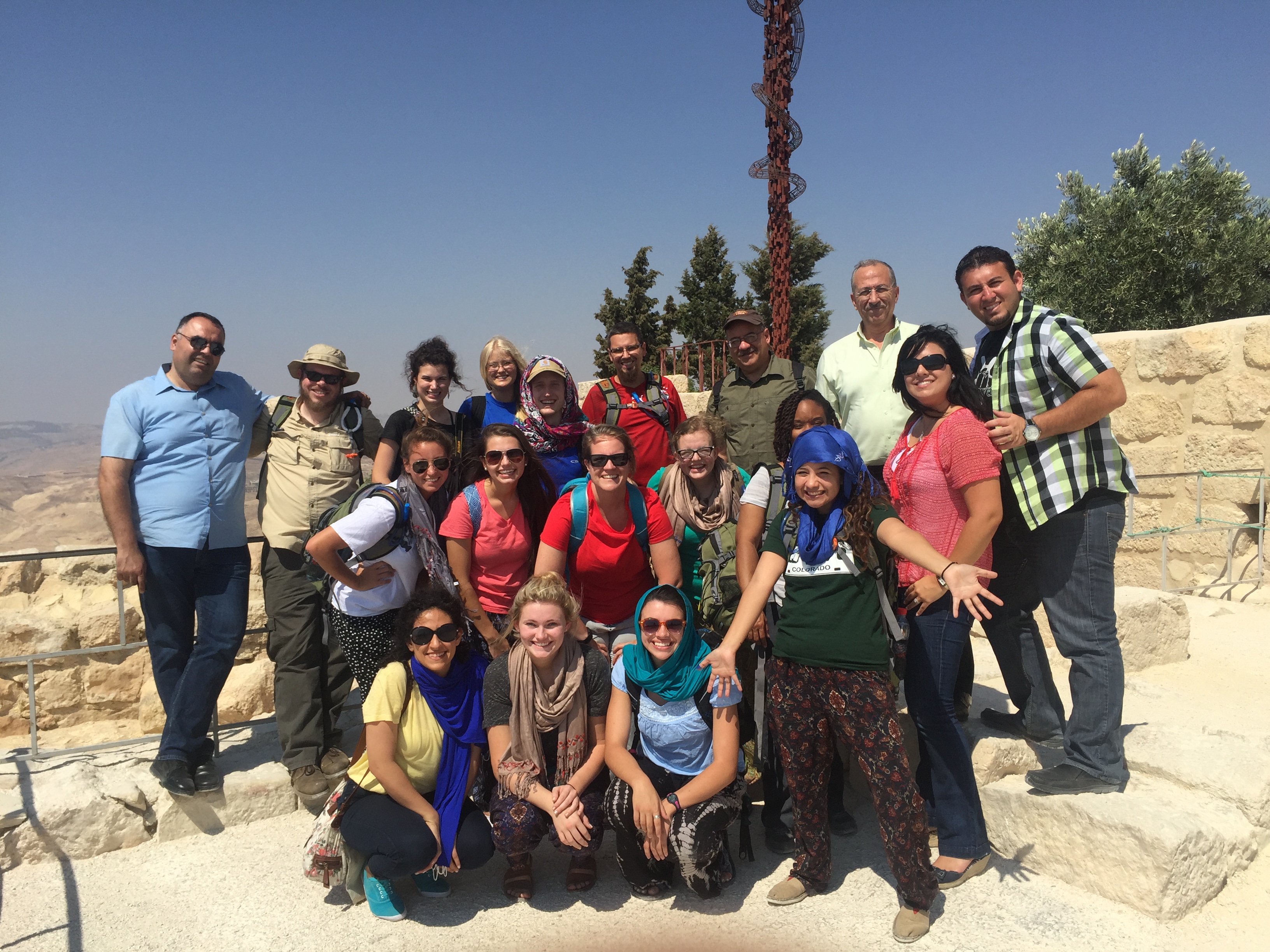
To that end, I planned some intentional detours this week — quick stops between here and there when we could take an hour to learn about the history of Jordan. Last week we visited the Dead Sea, one of the oldest churches in Jordan, and Mount Nebo, the place where God allowed Moses to survey the Promised Land. Those who are biblically literate know that Mount Nebo figured into the sermon entitled “I’ve Been to the Mountaintop” that Martin Luther King Jr. preached only 10 hours before he was assassinated.

IMG_4751
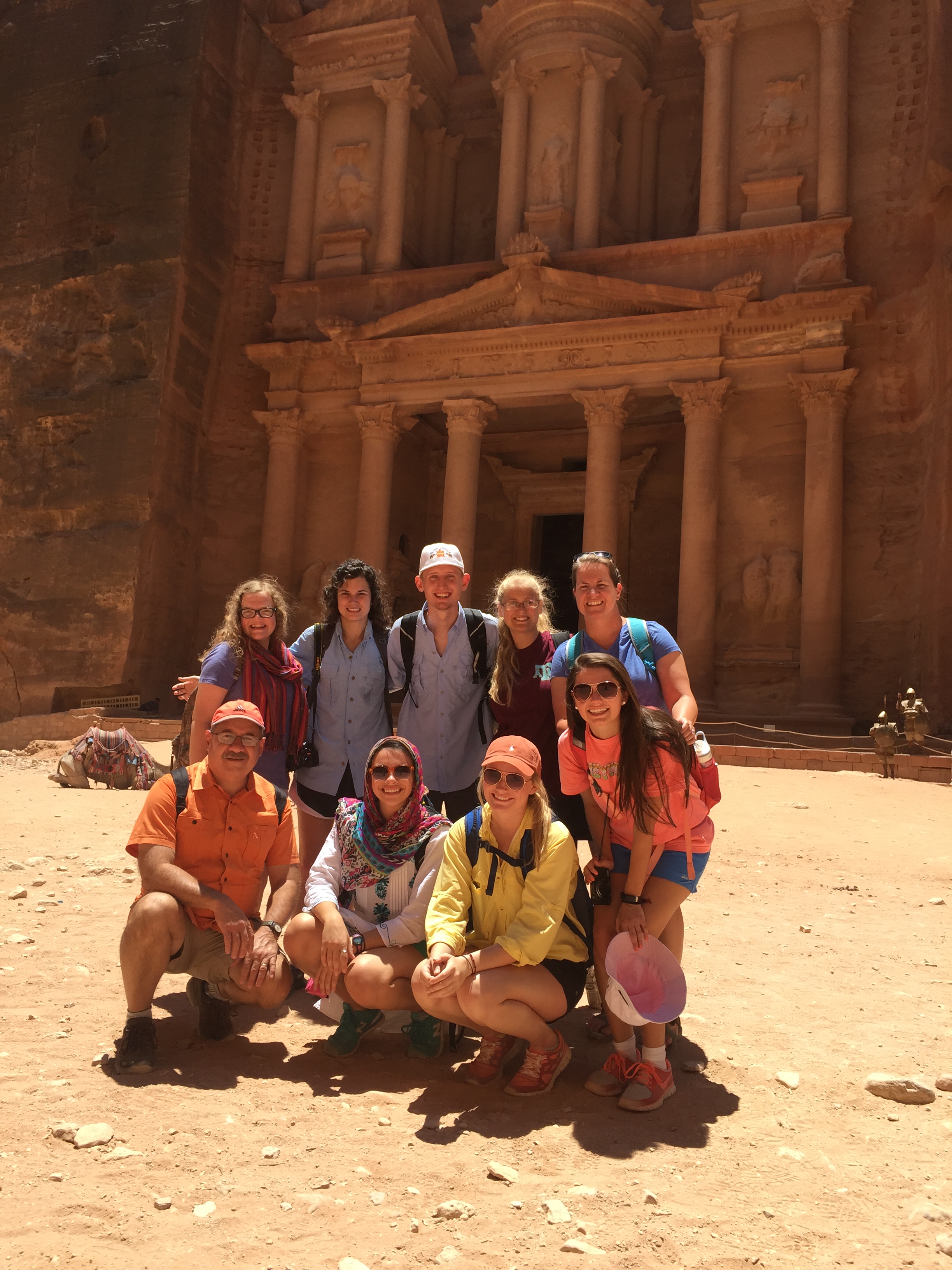
Yesterday, we visited Petra, Jordan’s most valuable historic treasure hidden away in the southwestern corner of the country. This world heritage site is the legacy of the Nabataeans, an industrious Arab civilization that settled in this area during the time of Christ. Petra was a thriving place until trade routes changed and it was eventually forgotten. Today it is one of Jordan’s most visited historical attractions.

IMG_4880
Yesterday afternoon, we drove from Petra to Wadi Rum, a piece of geography so magnificent that it will take your breath away. Our team enjoyed a fun desert safari and tea in a Bedouin camp. We ended the day by climbing a craggy sandstone formation to watch the sun set in the desert. Later that night, we gazed at billions of stars bisected by a very milky Milky Way as we reflected on David’s words in Psalm 8.

Desert places figure prominently in many Bible stories. God used lonely and difficult places as the context to prepare individuals for leadership and His people for facing greater challenges. In the context of desert places, God helped His people understand their smallness, His bigness, and the need to always depend on Him.

In some ways, the Iraqi Christians we met this week are living in a desert place. Like desert wanderers, they are in a vulnerable position with limited resources and dependent on the hospitality and kindness of others in order to help them survive. I’m thankful that we had the opportunity to show kindness to them and for all that we have learned from them. And I am confident that God will eventually lead them through their desert of pain and loss to a better place.

Posted by: Omar C. Garcia | July 14, 2015

A Strong Finish

The 2015 Texas Water Safari

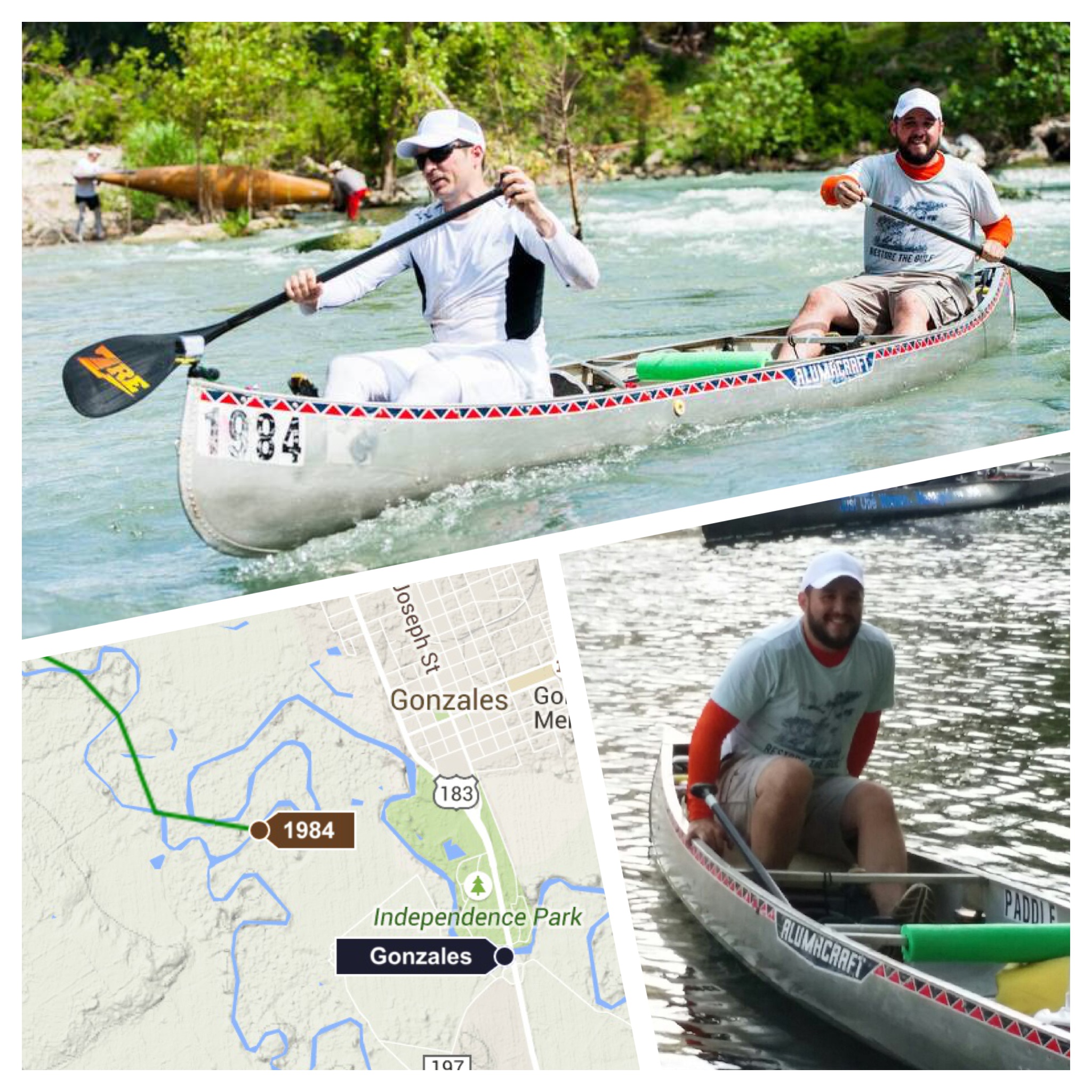
For those of you who are following my journey to serve Christian Iraqi refugees in Jordan, please allow me to depart from my field reports for one night. I have just returned from speaking to hundreds of Iraqi believers and had to write a quick post to congratulate my son on his fourth Texas Water Safari finish.

As those of you who follow my blog know, I was bummed about missing this year’s Texas Water Safari. The grueling 260-mile ultra-marathon canoe race was postponed twice because sections of the race course were at or above flood stage. Because the second postponement pushed the start date into July, my race partner Doyle and I had to withdraw. I was already scheduled to be in Jordan and Doyle had plans to be on another adventure in West Texas.

Processed with Moldiv

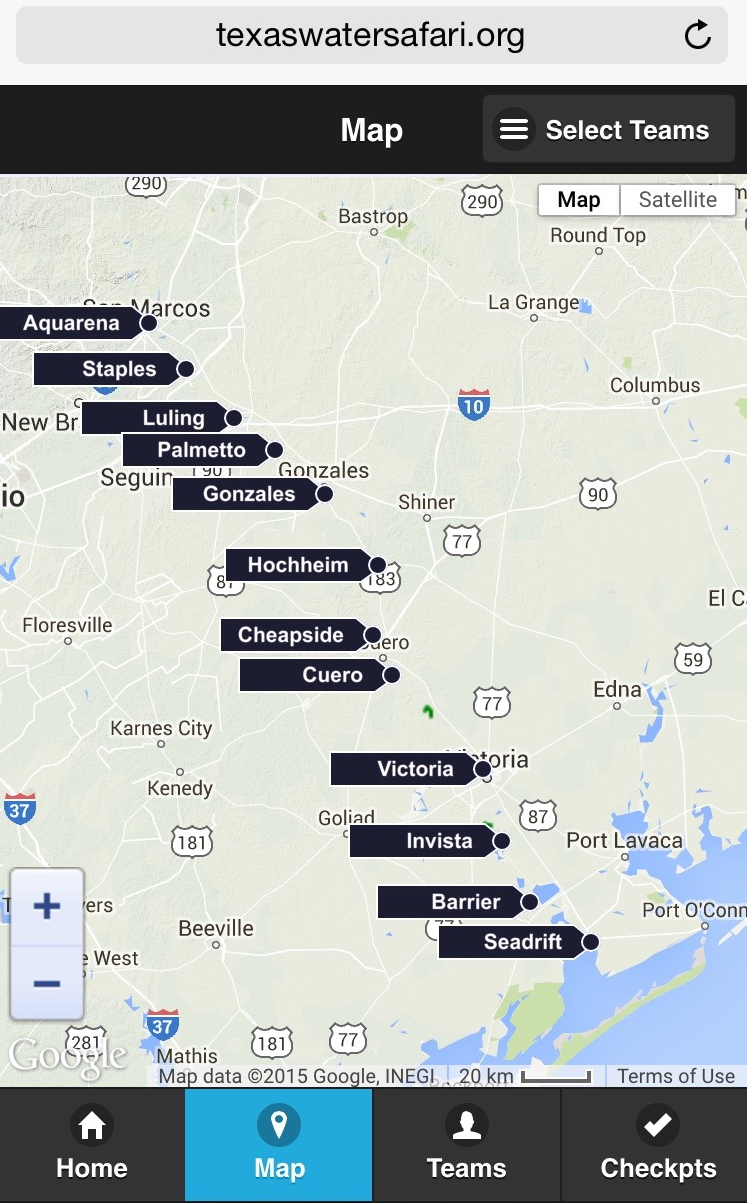
I was especially disappointed to miss the race because I was looking forward to sharing this adventure with my son Jonathan and other friends in the paddling community. But, thanks to SpotTracker technology, I was able to follow the race in real time all the way from Jordan. The SpotTracker device that all teams are required to have sends a signal to a satellite that transmits it back to a map accessible by smart phones, giving ground crews valuable info on the location of their respective teams.

TWS Checkpoints
I confess that I have hardly slept the last three nights. I have stayed up to follow Jonathan and Ben and other friends on the SpotTracker map. I found myself growing more and more excited as I watched Jonathan and Ben beat their estimated split times and move faster than expected. While the faster current may account for some of their speed, it can’t account for all of it. As Doyle said in a phone conversation, “Jonathan and Ben are two young and determined guys who paddled hard because they had their eyes on the finish line.”

Processed with Moldiv

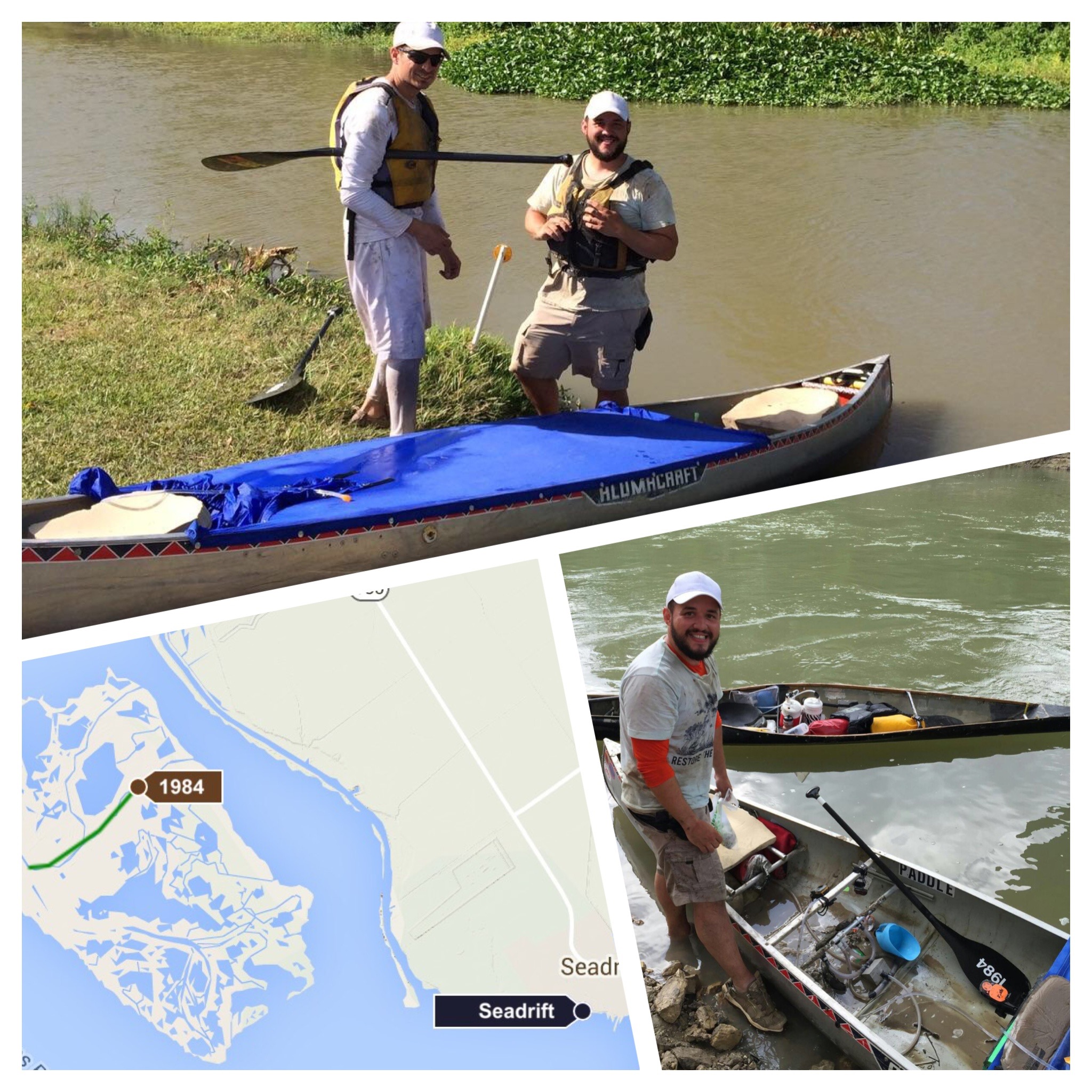
Racers are required to finish the course in one-hundred hours or less. They are also required to arrive at the ten checkpoints between the start and finish lines on or before the cut-off times. Jonathan and Ben reached each checkpoint far ahead of schedule. Early this morning (Tuesday in Jordan and Monday evening at home) Jonathan and Ben reached the finish line. They logged a time of 59 hours and 30 minutes and slept only ten minutes the entire time.

2015 TWS Finish
I was able to call and talk to Jonathan at the finish line and later at the awards ceremony where he found out he and Ben had placed 32nd overall and 3rd in their class. Jonathan and Ben both beat their best times. Jonathan beat his previous race time by about 23 hours. And, he beat the time he and I raced together in 2012 by almost 36 hours. That is impressive.

I am proud of my son and thankful that he and Ben, the multi-safari finisher who introduced him to the safari years ago, did so well in this year’s race. Congratulations guys. And special thanks to Constance, Ben’s mom, for doing a fabulous job as team captain. Hope to share this adventure with you again in the future. I want a third finish!

———-

Photo Credits | Ashley Landis, Patty Geisinger, Constance Harris

Posted by: Omar C. Garcia | July 13, 2015

We Forgive ISIS

Amman, Jordan

To say that we have met some remarkable families this week would be an understatement. After a week of visiting Christian families from Iraq who suffered unimaginable losses at the hands of ISIS, we are all a bit emotionally exhausted. And yet, we are also encouraged because of the resilience and determination of these families to move on with their lives. They know that their homeland will never be what it was before ISIS moved in their direction. “ISIS,” one man said, “has set my country back hundreds of years.”

IMG_4616
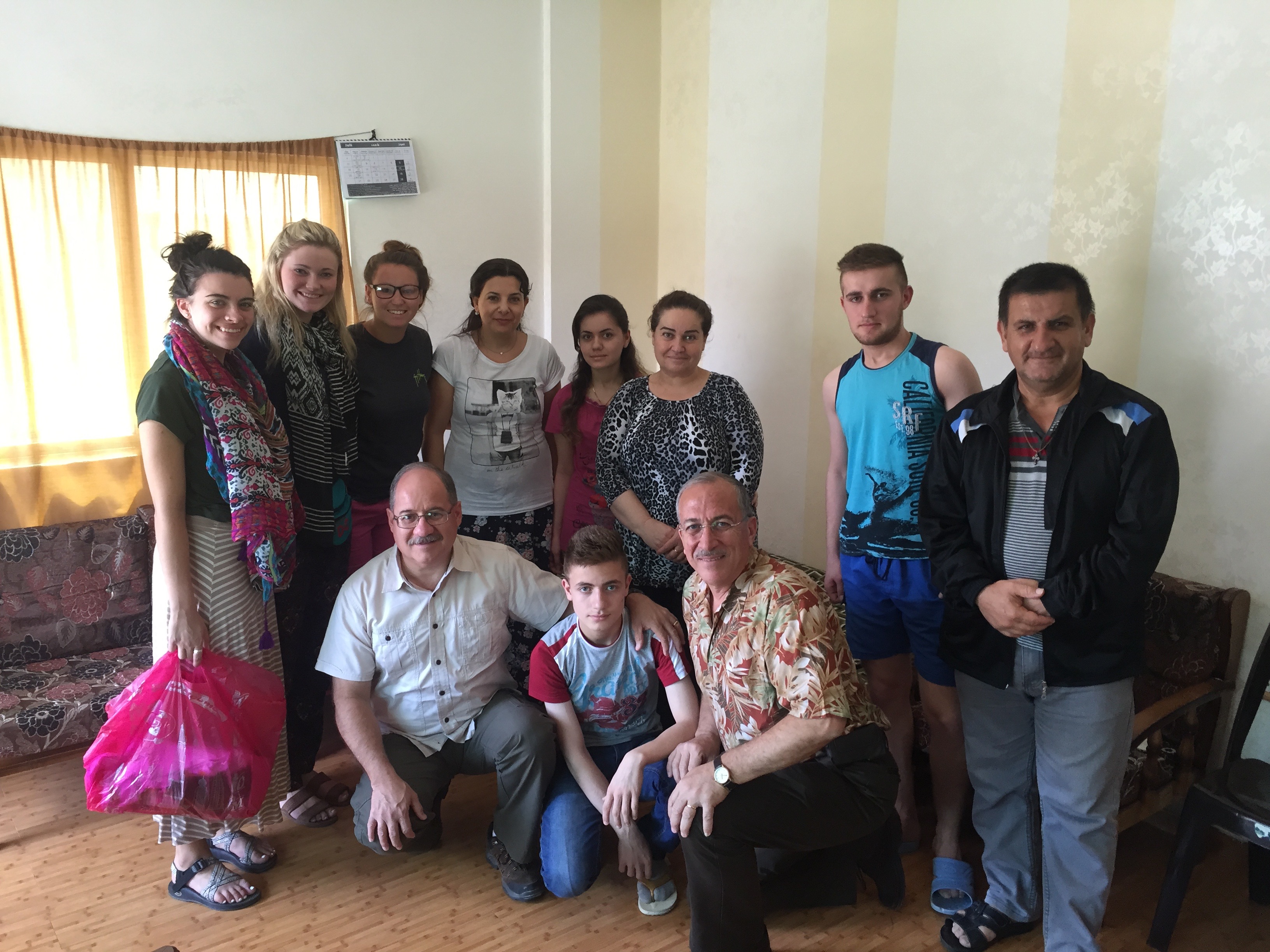
This morning we visited with a family that is happy to be in a safe place in spite of all they lost. In Iraq, they owned a grocery store, some land, and had just completed construction of their dream home. They had just moved in to their new home, the dad told us, when ISIS moved in to their town. As with so many other Christian families, they chose to lose everything rather than deny their faith in Christ. They walked away from all of their material possessions taking with them only the clothes on their backs and the faith in their hearts.

As we sipped on small cups of strong coffee, the dad related another version of the same terrible stories we have heard all week. He talked about the violent persecution of Yazidis, one of Iraq’s oldest minorities, by ISIS. Thousands of Yazidi women and girls have been kidnapped by ISIS and sold as slaves for as little twenty-five US dollars. He told us that he especially feared what might happen to his own wife and daughter at the hands of these heartless thugs.

And then this strong man with a soft-spoken voice said something that caused all of us to lean forward. “We forgive ISIS,” he said, “and we pray for them daily.” He said that he knows that his family will never recover any of the material riches they lost but that they will never lose their faith. “When we left our home,” he continued, “we carried high the cross of Christ.” Although they are starting again with nothing, he is not worried and knows that the Christ they love will care and provide for them.

As we continued our conversation, the man’s words — “We forgive ISIS” — echoed through every chamber of my heart. I leaned over to my friend Jamal and whispered, “This man has graduate level faith.” When you listen to a man like this say words like those you are forced to examine your own heart. I want to have that kind of faith.

As I thought about this man’s sincere confession of forgiving those who had turned the life of his family upside down, I reflected on how often people who have suffered petty-by-comparison-kind-of-stuff are unwilling to forgive. Some prefer to hold on to their hurts rather than forgive and experience healing. Graduate level faith is not easy to come by. We can never hope to reach that level of maturity if we refuse to forgive those who trespass against us. Jesus, after all, instructed us to forgive even when doing so is difficult.

We Forgive ISIS
Our team came to Jordan to bless and encourage Iraqi Christians displaced by ISIS. In reality, what has happened is that these families have blessed us. They have taught us so much about a deeper faith in Christ — one that has been tested and refined in the crucible of persecution. They have certainly given us all much to think about, especially the next time we stubbornly hold on to stuff that should be forgiven, forsaken, and forgotten.

Posted by: Omar C. Garcia | July 12, 2015

Taking Nothing for Granted

Amman, Jordan

Taking things for granted — it’s something we all do. The reality is that we often fail to appreciate what we have until it’s gone. The minute we no longer have access to the smallest of the things that make our lives easier, we tend to become nervous and perhaps even a bit frightened. Think back to the last time your home was without power or water and you will understand.

IMG_4573
Every displaced Iraqi family that we have visited over the past week has their own painful story of loss. Every one of these families fled their homes in northern Iraq in order to escape the violence of ISIS. And because these families took only a few personal possessions with them, they arrived in the host country of Jordan with very little to their name. Those fortunate enough to find an affordable flat to rent are having to live with very little and on very little.

IMG_4565
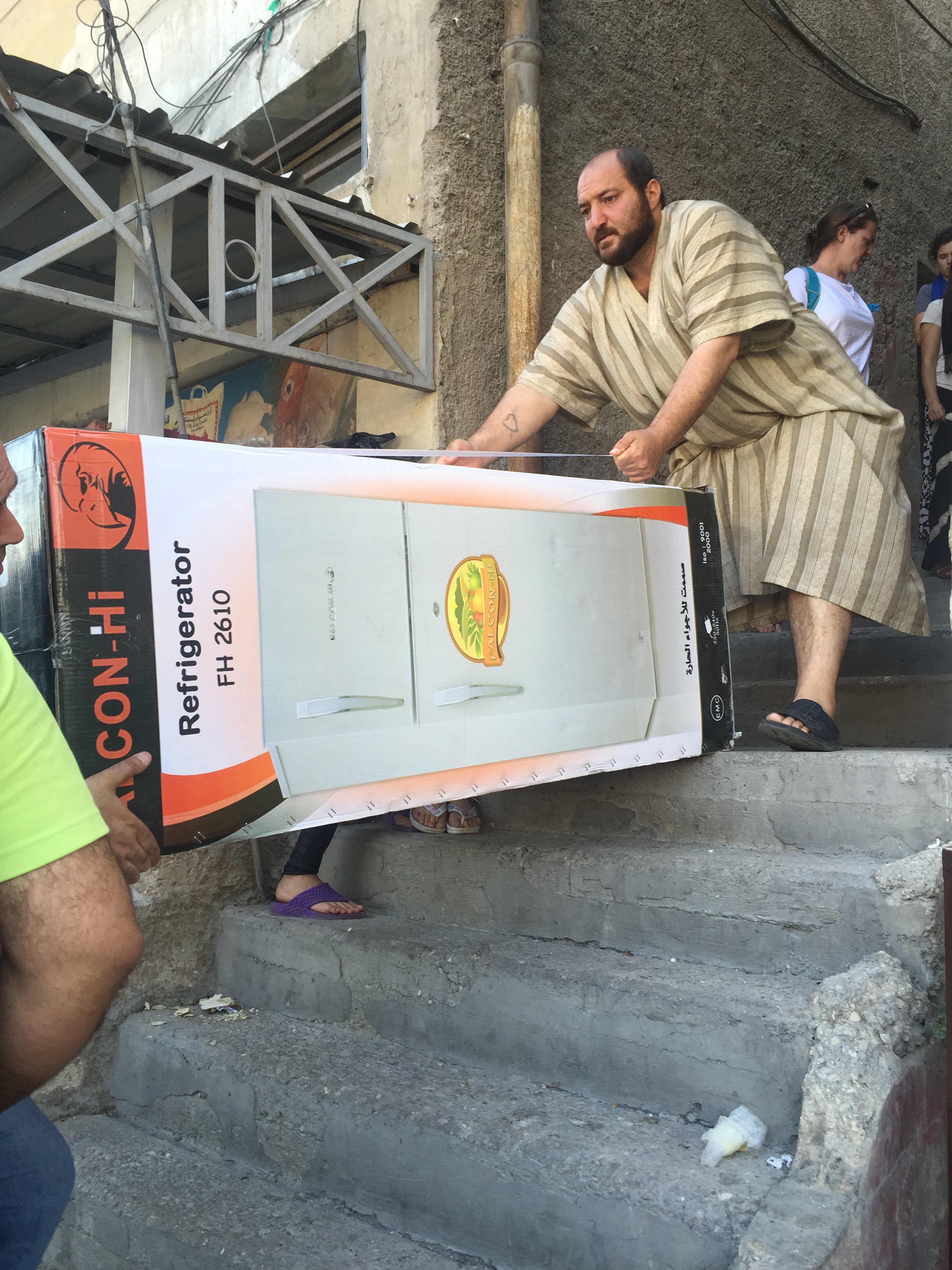
Yesterday afternoon we visited a family of five living in three small rooms with a combined square footage no bigger than my two-car garage. They have lived in this tiny hovel for almost ten months without a stick of furniture, not even a bed. The family has been sleeping on the floor. To make things even more unbearable they have suffered in the heat without a fan or a refrigerator to cool their water and keep their small supply of food from spoiling.

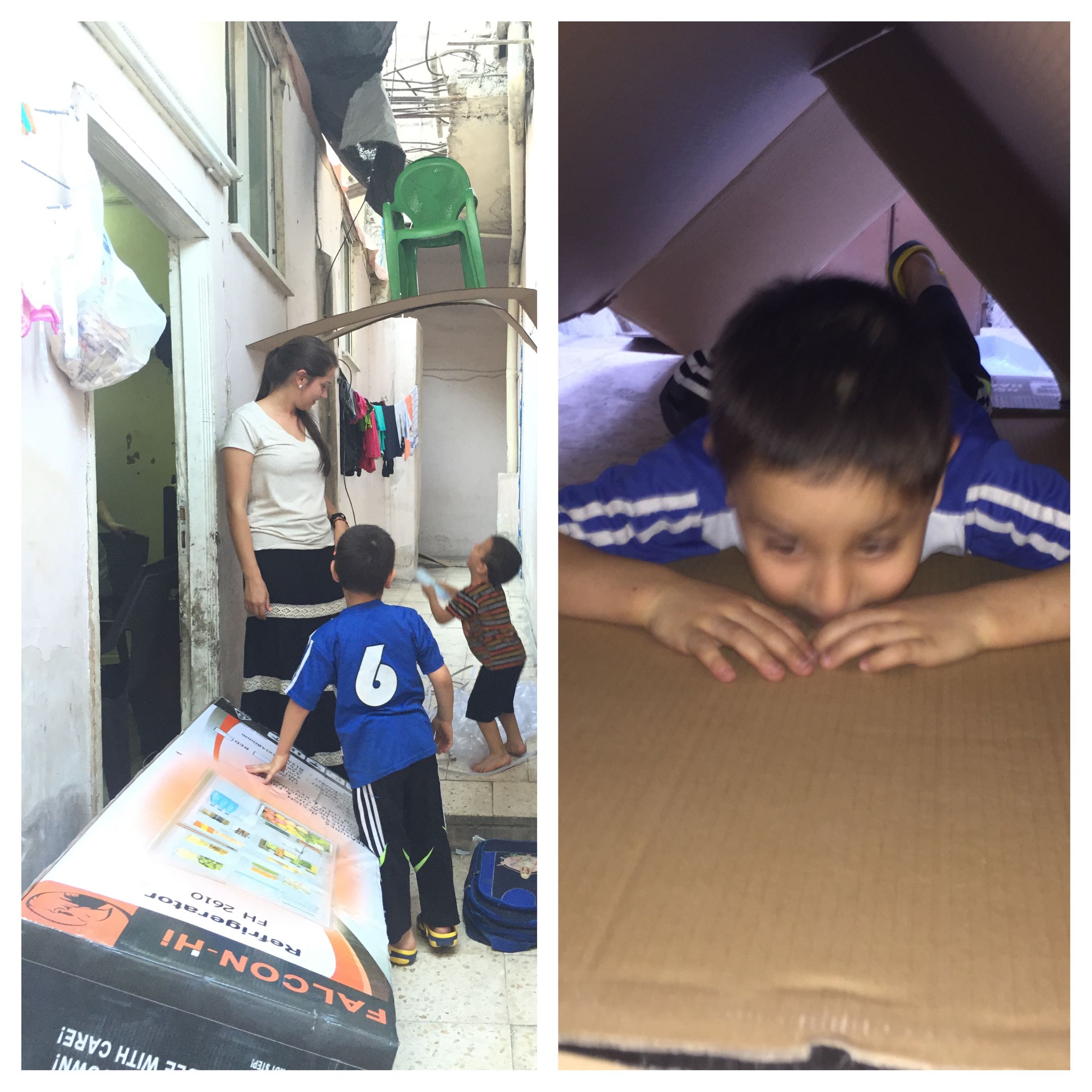
Jordan Box FortWith a little less than four-hundred dollars, we were able to buy the family four plastic chairs for adults and two for kids, two mattresses, two small plastic tables, two fans, and a refrigerator. These are the first-fruits of what we pray will be the start of their new life outside of Iraq. And, as an added bonus, the kids used the refrigerator box to make a play fort. Cool stuff for kids!

IMG_4583
For ten months this family has slept on the floor, depended on the kindness of a shop keeper to cool bottles of water for them, suffered in the heat, and subsisted on foods that require no refrigeration. Today, their quality of life inched forward just a bit — just enough to restore some hope that things will indeed get better as they struggle to rebuild their lives.

IMG_4571
This family faces a few additional challenges like getting a roof over their heads — literally. I failed to mention that the small space they rent has no roof, only large scraps of plastic to keep out the elements. But today, that mountain does not look as high as it did a few days ago. They are trusting God to help them put their home together while He heals their hearts and restores their hope. Today, they are taking nothing for granted.

Posted by: Omar C. Garcia | July 11, 2015

A Higher Vantage Point

Madaba and Mount Nebo in Jordan

Syrian and Iraqi refugees continue to suffer in silence throughout Jordan — from the Zaatari Refugee Camp along the Jordanian-Syrian border to cities like Amman and Madaba. Most were forced to flee their homes with little warning and arrived in this host country with nothing more than what they were wearing. With scant resources, they have few options for housing. And, as refugees they are not allowed to work and their children do not have access to education, making life even that much harder.

IMG_4426
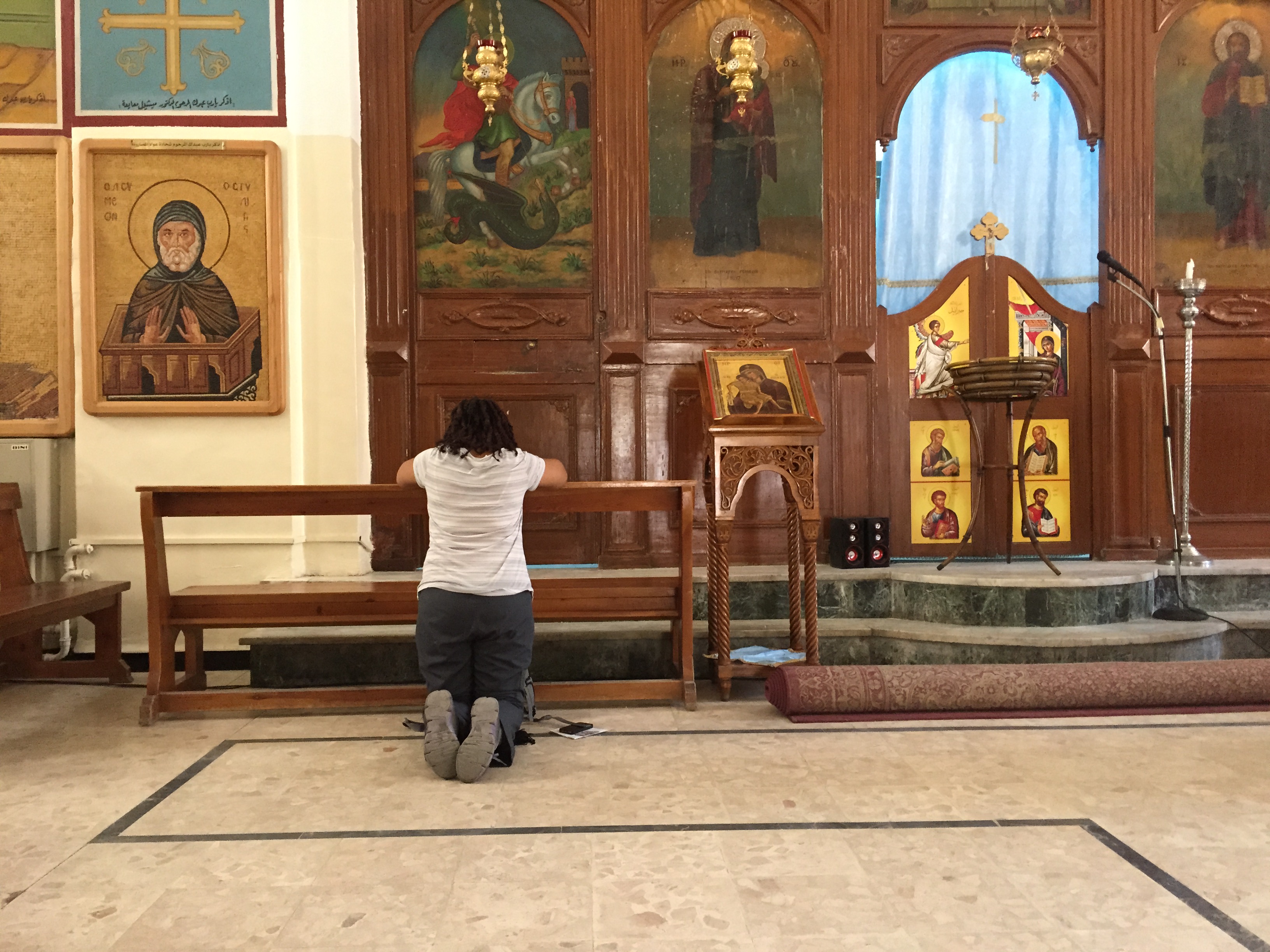
Today, our team headed southwest from Amman to Madaba, the City of Mosaics, to connect with both Syrian and Iraqi refugees. Madaba is in the region of Moab, the ancient land of Ruth. I arranged for our team to make a quick visit to the Greek Orthodox Church of Saint George, a church that dates back to the 6th Century and boasts the oldest cartographic depiction of the Holy Land — an impressive map on the floor of the church made up of more than 1.5 million mosaic tiles.

IMG_4447
I’m glad we stopped at this old church that has survived the centuries. The inside of the church is decorated with amazing mosaics that depict some of the great stories of the Bible. Although regional conflicts have raged outside the church through the years, the mosaics inside the church depict Biblical scenes of Jesus and His disciples loving and serving others — something that stands in stark contrast to the worldview of ISIS.

IMG_4289
Jesus never took a life and He never instructed His followers to do so. If a Christ-follower takes the life of another, he does so in violation of the commands and example of Jesus. Not so with ISIS whose followers have shown the world nothing but a blatant disregard for the value of human life. The civil conflict in Syria is no different. Life is cheap there as well. Over the past few days families we have visited have shown me photos of dead family members, some of which were extremely graphic. These gruesome portraits of death are evidence of what happens when power and bad theology are mixed together. The result is disastrous!

IMG_4465
While in Madaba, we took a quick detour to visit Mount Nebo, the most revered holy site in Jordan. It was at this place that God had allowed Moses to see the Promised Land that he would not be permitted to enter. As I silently surveyed the magnificent panorama, I thought about the message that Martin Luther King, Jr. preached on April 3, 1968, the night before he was assassinated. His message was entitled “I’ve Been to the Mountaintop.”

King said something in that speech that I thought about as we left Mount Nebo to visit Syrian and Iraqi refugees living in the immediate vicinity of this historic site. He challenged his listeners to “develop a kind of dangerous unselfishness” — like that demonstrated by the Good Samaritan. “The Levite asked, ‘If I stop to help this man, what will happen to me?’ But the Good Samaritan reversed the question: ‘If I do not stop to help this man, what will happen to him?’ That’s the question before you tonight.”

The mosaics that adorn the walls of the Greek Orthodox Basilica of Saint George and the history of Mount Nebo remind me of a higher vantage point — one that challenges me to see the worth, dignity, and value of other human beings. This higher vantage point motivates me to serve others as Jesus did and spurs me on to develop a dangerous unselfishness, one that regards others as more important than myself. That’s a worldview that can make our world a better and safer place for every member of the human race.

Posted by: Omar C. Garcia | July 10, 2015

The Dark Threads

Amman, Jordan

The writers of the psalms understood what it meant to be in trouble. “How long, O Lord, will you look on?” David cried out. “Rescue me from their destruction, my precious life from the lions!” (Psalm 35:17). I love the Book of Psalms. There are times when the psalms speak to us. And there are times when the psalms speak for us — times when we are in such utter distress that we must borrow the language of the psalms to cry out to God.

Rami and Bible
Many of the displaced Iraqi Christian refugees have adopted the language of the psalms. I can hear the ancient voice of the psalmist every time I sit to listen to their stories. These distressed individuals understandably have questions about the evil they have experienced, the loss they have suffered, and why the wicked seem to triumph at their expense. And so these troubled waters that lie deep in the well of their hearts eventually surface in the bucket of speech.

Who can fault these distressed refugees for their questions, confusions, and complaints? We do the same thing when we are in trouble. There is something about us that wants to know why we experience troubles and when we will be delivered from those troubles. There is something about us that longs to make sense out of it all, wondering how the dark threads of our lives can possibly make sense in the tapestry God is weaving.

Aziz and Mother
As I listened to one elderly woman complain this week I affirmed that it was ok for her to do so. After all, in the words of the psalmist, God remembers that we are fragile creatures of dust (Psalm 103:14). He can handle our complaints while He works out His purposes in our lives. One thing is certain, that although we may never fully know the “why” of our troubles on this side of heaven, we will ultimately understand the “why” when we finally get to heaven.

I told this troubled woman about my visit to the home of Corrie ten Boom in 1996. I explained that Corrie and her family had provided a hiding place for Jews during the Second World War — something that eventually resulted in the loss of her entire family in concentration camps. Our guide showed us a needlepoint that Corrie had stitched and later framed. “It was her favorite piece,” he said as he pointed to what appeared to be a chaos of threads behind the glass of the frame.

But then, he turned the frame over to reveal what, to my surprise, were the words to “The Weaver,” a poem I had memorized years earlier. No wonder Corrie eventually forgave those who had killed her family. The words of this little poem make a lot of sense.

My life is but a weaving,
Between my Lord and me.
I cannot choose the colors
He worketh steadily.

Oft times He weaveth sorrow
And I, in foolish pride,
Forget He sees the upper,
And I the underside.

Not till the loom is silent
And the shuttles cease to fly,
Shall God unroll the canvas
And explain the reasons why

The dark threads are as needful
In the Weaver’s skillful hands,
As the threads of gold and silver
In the pattern He has planned.

Praying for Mother
This has indeed been an emotional week for those of us who have visited in the homes of Iraqi Christians displaced from their homes by ISIS, the very embodiment of evil. One woman sighed as she asked, “What can we do? What can we do?” She understood that she was powerless to retaliate or to make things as they were before ISIS disrupted her life. And then she answered her own question, “We can trust in God.” And indeed we should. He alone can take the dark threads of our lives and use them to make something beautiful.

Posted by: Omar C. Garcia | July 9, 2015

ISIS Will Never Understand

Amman, Jordan

The violent history of ISIS goes much deeper than the selected reports we hear on the evening news. For every person that these über-violent terrorists have publicly beheaded, thousands of others continue to suffer in silence — their lives forever damaged when ISIS came near. ISIS has shown the world the ultimate end of a worldview that has absolutely no regard for the sanctity of all human life. Their impoverished worldview has wreaked havoc and left a trail of wrecked lives.

Miriam and Janan
This afternoon my team and I visited an elderly widow named Miriam and her 45 year-old daughter, Janan. As ISIS approached their little home in Mosul, they were forced to flee along with thousands of other Christian families. This task was made even more difficult for Miriam because her daughter is blind and disabled and they had no one to help them. Miriam and her wheelchair-bound daughter soon found themselves alone on the streets of Mosul.

Miriam and Janan were beyond frightened. Thankfully, a man driving a big truck spotted them and offered to transport them to Erbil. He struggled to get the women into the back of his truck. “We felt like goats,” said Miriam with tears in her eyes, “but were thankful for a way out of Mosul.” When they arrived in Erbil, they could find no place to stay in this city made even more crowded by the influx of people from Mosul. Things looked hopeless.

Finally, the truck driver said he knew of only one remaining option — a shady brush arbor at the local cemetery. So, he drove the women there and dropped them off. Miriam and Janan would spend the next month living alone among the dead. Eventually a priest happened by the cemetery and arranged for the women to travel to Amman. Today, these two women live in a small flat with no source of income. Our local partners arranged to help them with their rent and groceries.

Processed with VSCOcam with s3 preset

Our time with Miriam and Janan was very emotional. They both wept the entire time we were with them. Miriam recently broke her foot trying to help her daughter to the toilet. Janan, who lost her eyesight at age 5, just cried and said all she wanted was to be able to see and to walk again. She understands how difficult it has become for her mother to care for her. And she knows her own future will become even more difficult should anything happen to her mother. The only thing that sustains them is their faith in God.

IMG_4338
One of my Jordanian friends has developed a strong bond with Miriam and Janan. He arranged for us to deliver a small refrigerator and food to their flat. This dear friend knows that their situation is more difficult than that of other refugees because neither of these women are capable of working. I told him that our missions ministry would pay the next six months of their rent to give him time to come up with some longer term solutions.

After praying with these women, we left their flat with heavy hearts. We had once again witnessed the destructive legacy of ISIS. As followers of Jesus, we are compelled to care for all who are in need regardless of their religious background. Earlier in the day we had provided for the needs of a Muslim couple still grieving the death of their 5 year-old daughter. We demonstrated the same love and concern for them as we had shown Miriam and Janan. Jesus would expect nothing less of us — something that ISIS will never understand.

« Newer Posts - Older Posts »

Categories