Posted by: Omar C. Garcia | November 5, 2015

The Worst Place to Be Sick

Democratic Republic of the Congo | 25 October 2015

One of the toughest things about living in a remote geographical context is the lack of access to good medical care. Spending this past week in Kivubwe, a village on the shores of Lake Tanganyika in the Democratic Republic of the Congo, has again reminded me of the intense suffering of those who live far from medical care.

The DRC is often referred to as the worst place in the world to be a woman. In remote places like Kivubwe, maternity can mean mortality because of pregnancy related conditions. The maternal and infant mortality rate here is among the highest in the world. Additionally, the problem of fistulas as a result of pregnancies gone bad is a huge problem for women.

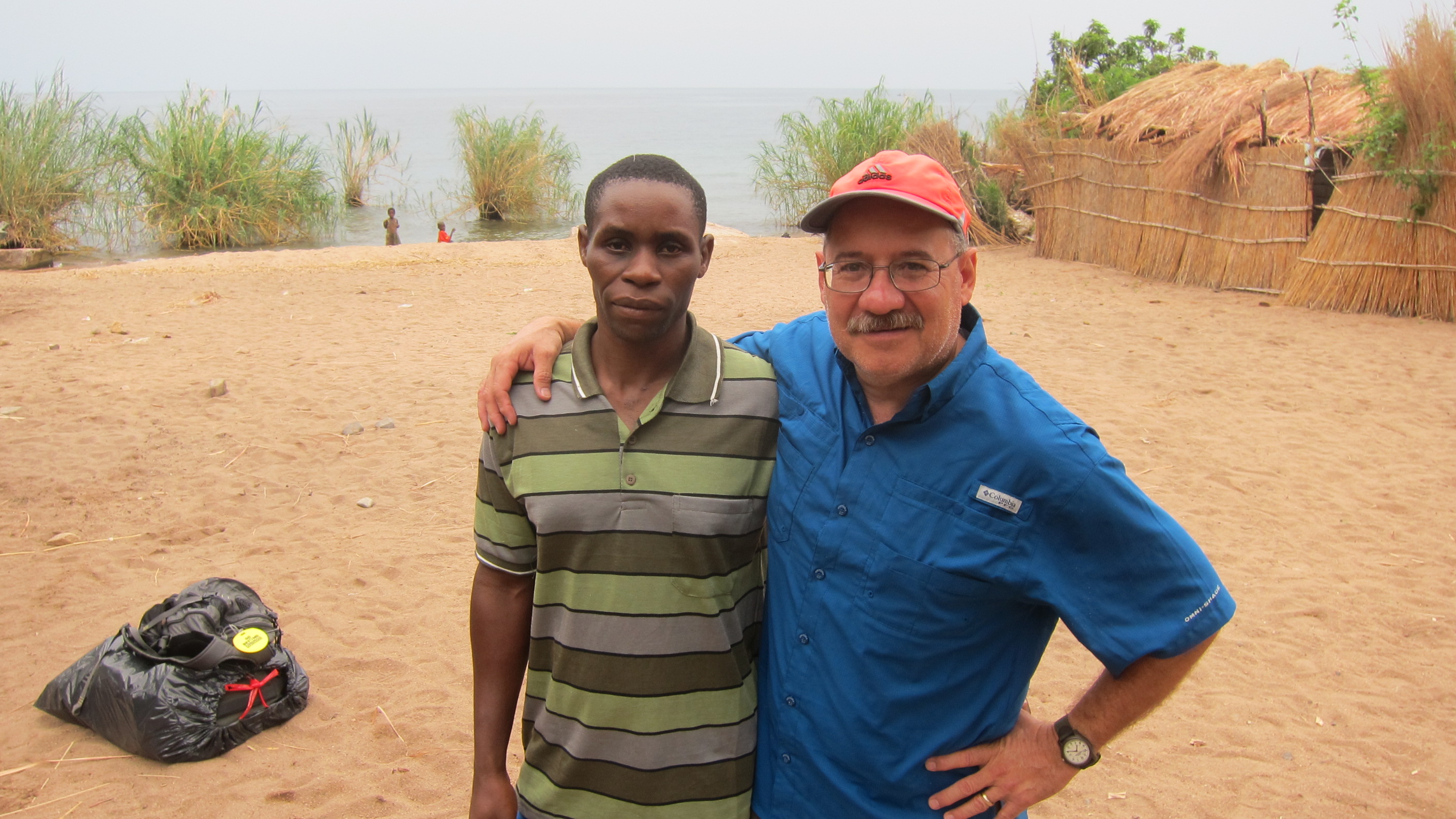
This past week I met two teenagers who have been suffering in silence in Kivubwe. Hemmed in against the shores of Lake Tanganyika by mountains, these kids have limited options for getting the specialized care they need. And, because their families are on the lowest end of the poverty scale, these families cannot afford to access the care their children require.

Boy With Leprosy
On the day that I accompanied one of our ex-pat partners, a surgeon, to a village clinic an hour’s boat ride from Kivubwe, a fifteen-year-old teenager joined us. My doctor friend explained that this young man was dealing with the initial stages of leprosy — already visible in his fingers and toes. The DRC, it turns out, has one of the highest number of new cases of leprosy in the world.

Leprosy — I am familiar with this dread disease and what it can do to a human body. I have met many people with leprosy on my travels to India. In this day and age leprosy is a preventable disease, unless you live far from medical care. My doctor friend introduced the boy to the folks who run the small village clinic we visited and arranged for him to get medical care. We will help to underwrite the medical costs of this boy’s care.

IMG_0015
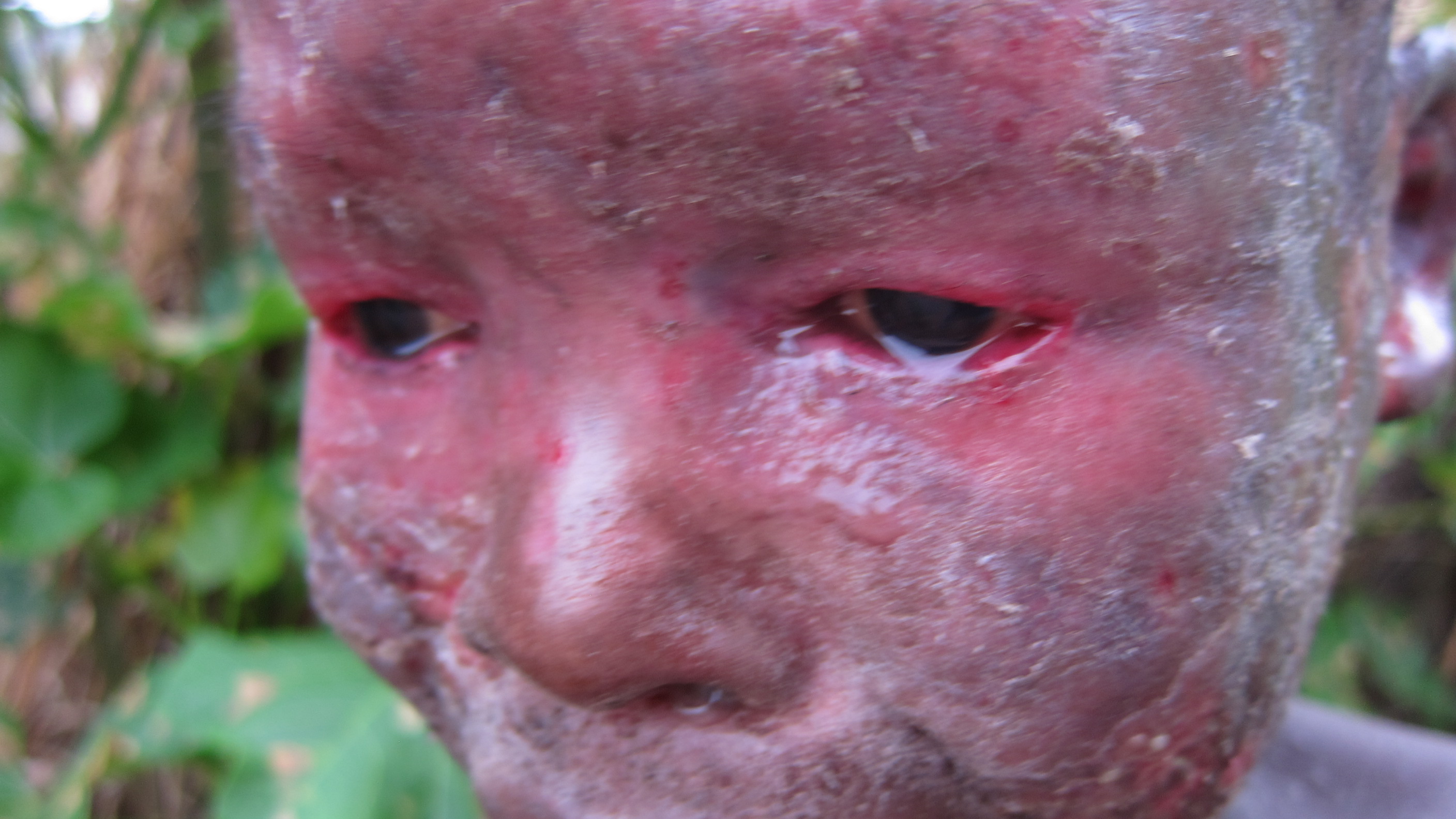
Later in the week I met a thirteen-year-old girl who had a horrible skin disease. I sent photos back home so that a dermatologist could help with the diagnosis. The doctor looked at the pics and identified the skin disease as a congenital condition called Ichthyosis Vulgaris. He also prescribed a plan to help mitigate the condition. Again, we will help underwrite the cost of the medical care that this young girl needs.

Although I have seen all sorts of terrible diseases and physical ailments on my travels, nothing bothers me more than to see children suffer — especially from things that are preventable. Certainly the worst place to be sick is any place that is far from good medical care. Remote villages like Kivubwe are indeed among the worst places in the world to be sick.

Every summer, the children of Kingsland raise funds during our Vacation Bible School to help kids in other parts of the world. Next year, we will invest our VBS offering in the DRC to help build three operating rooms in three remote villages. Our partner and his wife, both doctors, will make their rounds at these three locations. This initiative will result in many lives being saved. In the meantime, our missions ministry will continue to assist by helping to underwrite the cost of medical care and the sharing of the gospel in the DRC — one of the worst places in the world to be sick.

Posted by: Omar C. Garcia | November 3, 2015

The Day of Trouble

Democratic Republic of the Congo | 24 October 2015

Trouble often lurks in the shadows, waiting for the right moment to strike. After five days of fruitful work among the Congolese Taabwa, trouble came looking for us. We had just finished lunch when I noticed a man walking in our direction. Something about him bothered me — the look on his face, his walk. Whatever it was, I had an uneasy feeling about this guy.

I have had uneasy feelings like this before. Over the years of taking the gospel to hard places I have met too many guys like him. I have been questioned by authorities, followed by police, surrounded by angry people, run out of more than one village, physically pushed by a Muslim imam, and had my stuff confiscated. This guy, I thought to myself, had the unmistakable markings and swagger of trouble.

His first order of business was to identify himself as a person of authority. He was, it turned out, a low-level official who was despised by locals because he is a bully. Although we had all of our documents in order and had permission to be in the village, he insisted that we did not and threatened jail numerous times over the course of what became hours of back and forth.

Over the years I have learned that you cannot reason with bullies whose only agenda is to flex their scrawny muscles and cause unnecessary trouble. When the woman who had prepared our meal asked him why he was causing trouble for us, the guy flexed again. He warned her that she did not know who she was talking to and should be careful lest she and her husband end up dead in the jungle.

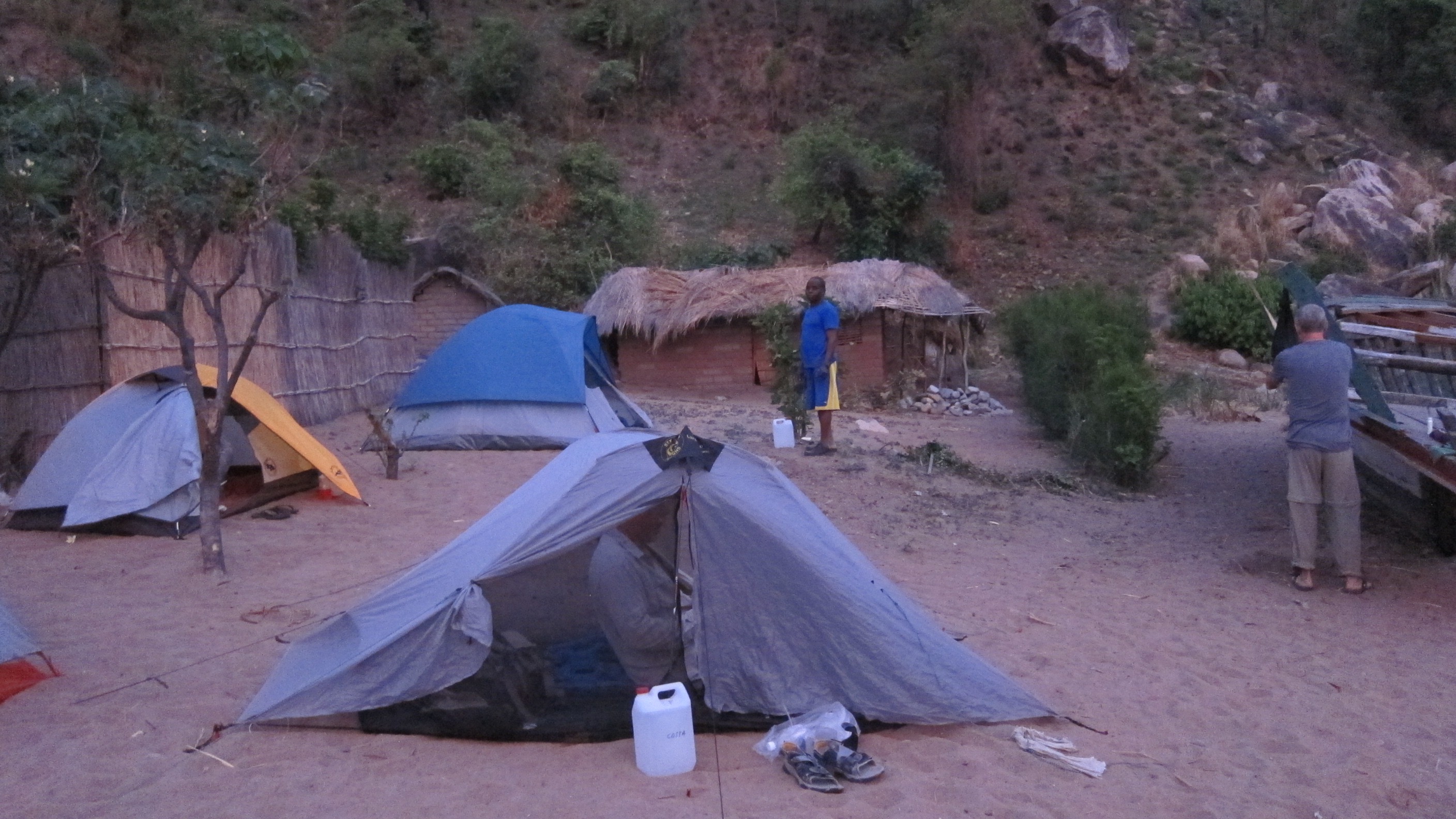
Tents
By now the tension was so thick you could cut it with a knife. Our partner motioned to us to break camp and to be prepared to leave at a moment’s notice. Meanwhile, a military official showed up and got into a back and forth with bully boy. He told him to back off and that bullies like him are the reason people are afraid to come and bring much needed help to their village.

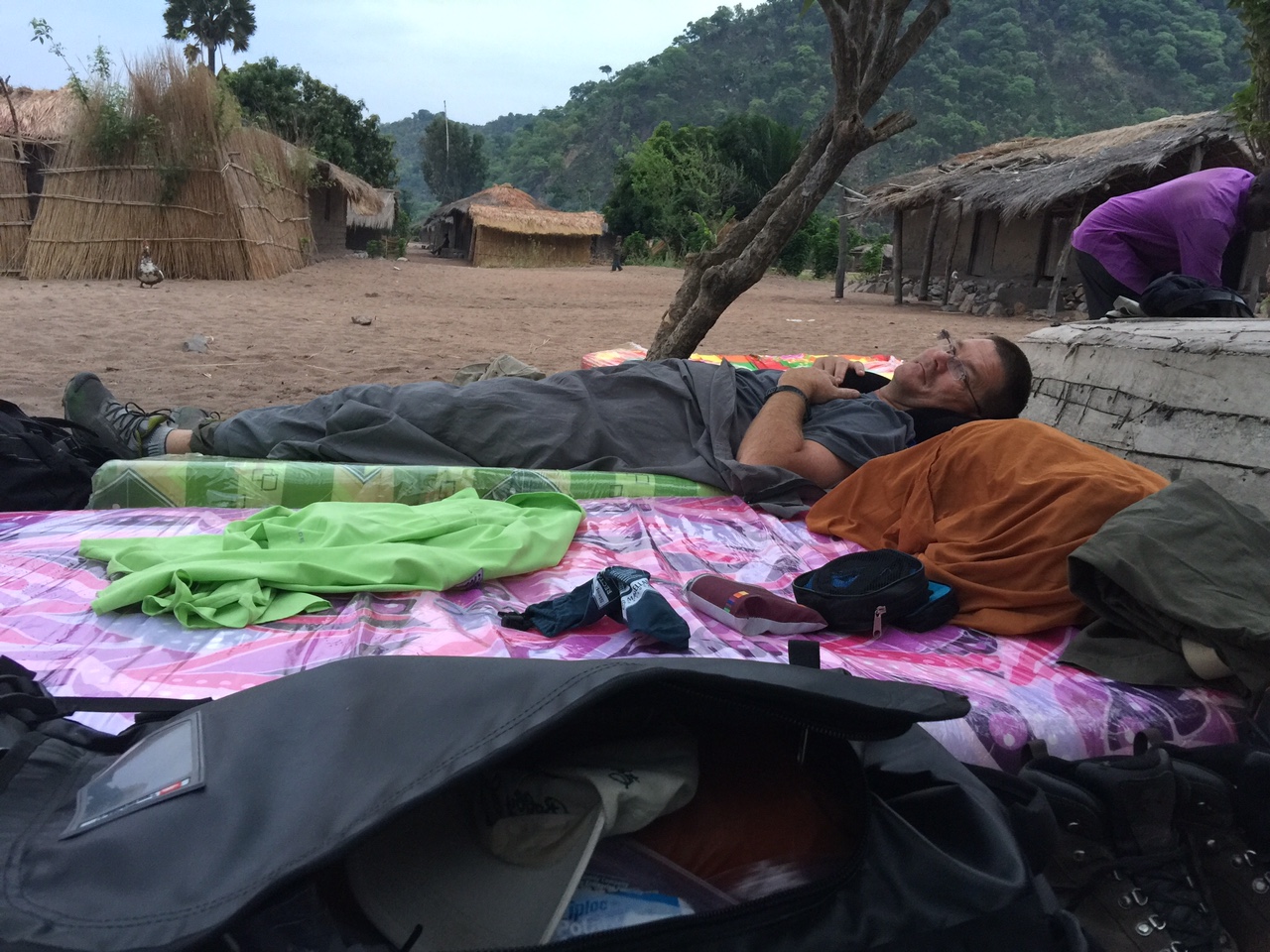
Bill Under Stars
By nightfall things finally quieted down. We made preparation to sleep under the stars since we had already taken down our tents. We had a sleepless night and stayed on watch lest trouble return in the night. When the sun came up, the bully was back for yet another muscle-flexing round. And then the military guy came to our rescue once again, giving us time to load our gear onto our boat. This time our military ally threatened the bully with arrest and told him to stand down in no uncertain terms. Bully boy finally slithered away.

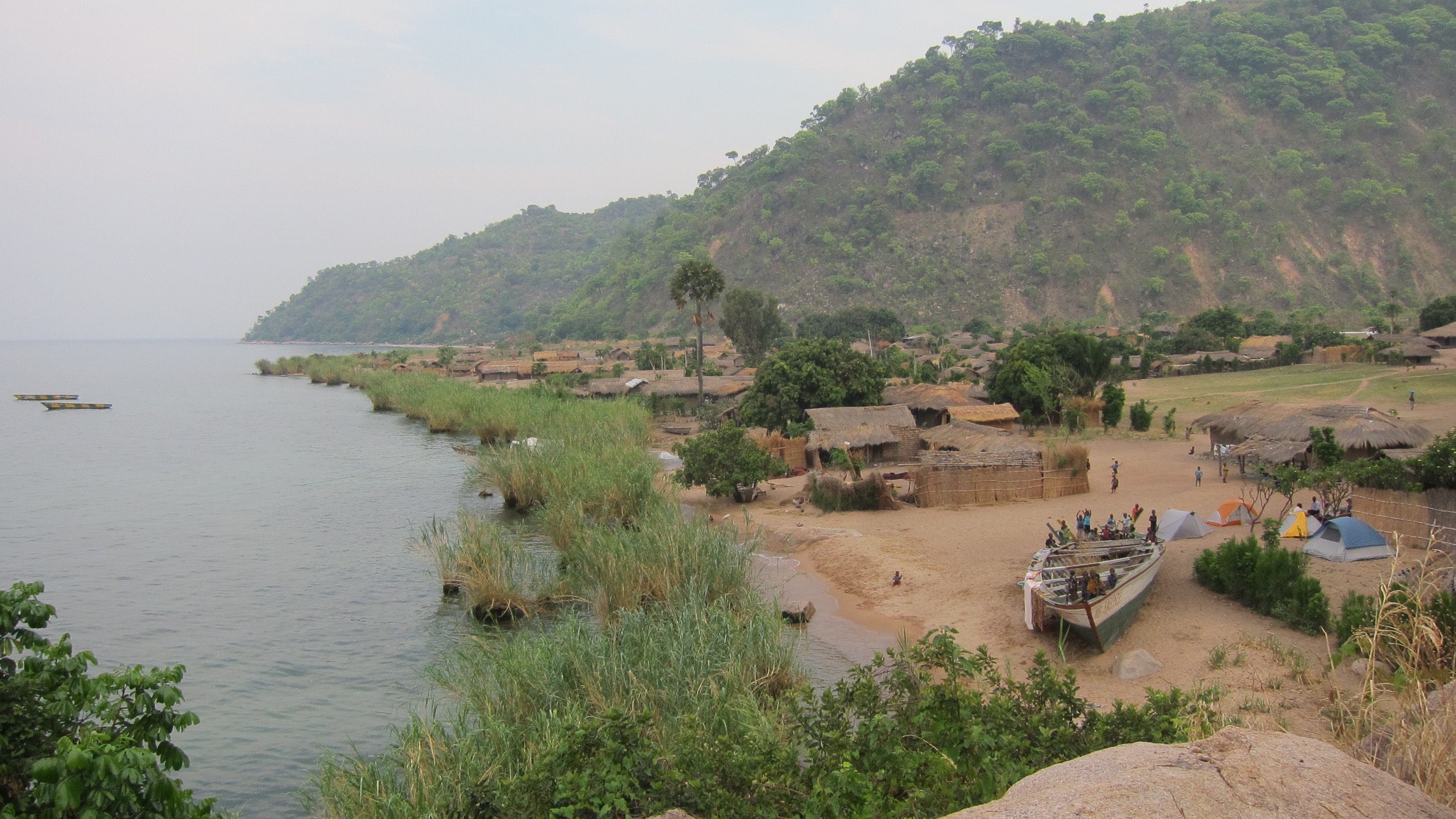
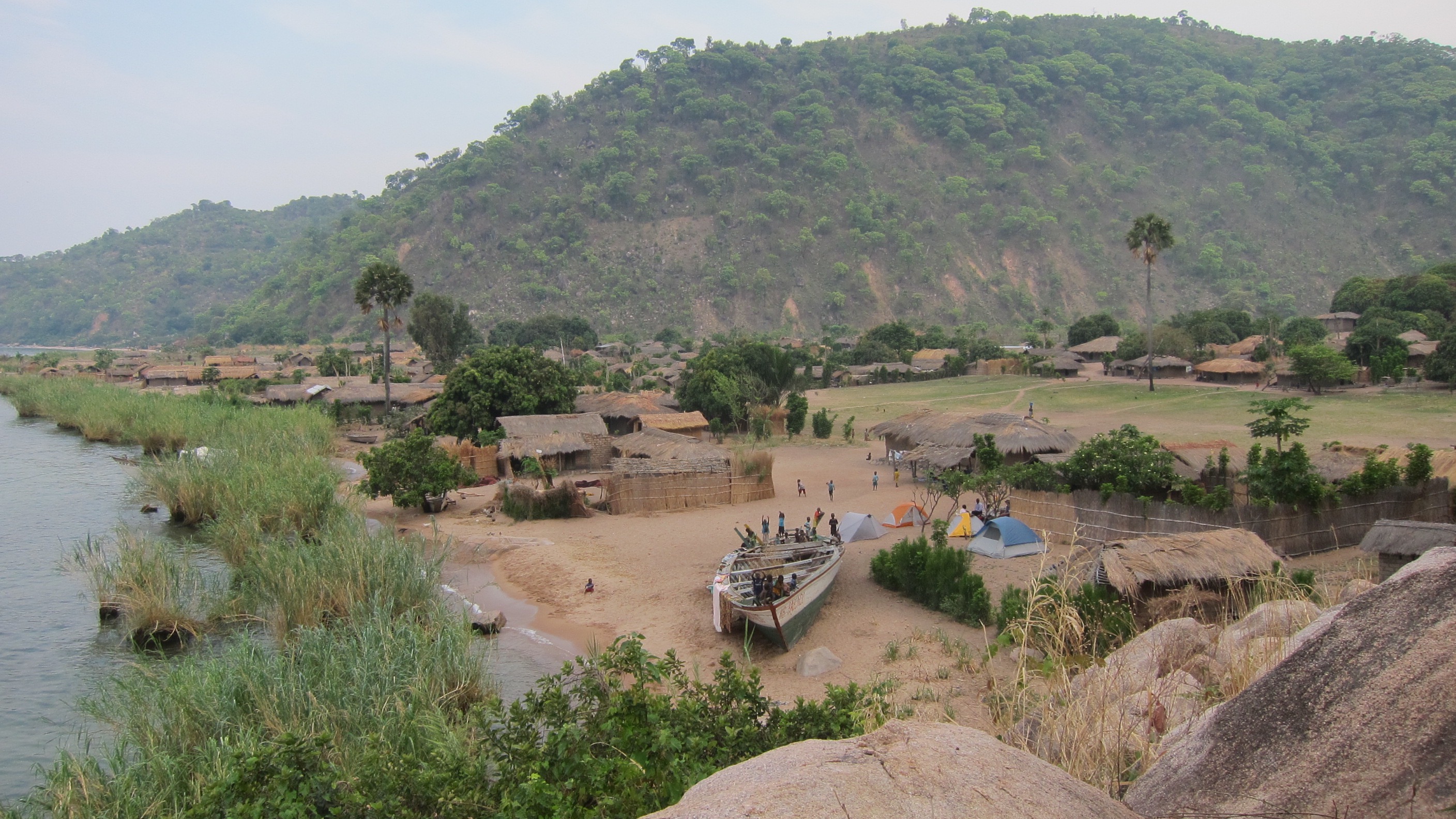
Scenic View of Village
Going to hard places requires that we do so with the awareness that the enemy is always looking for ways to push back and to extinguish the light. And although we had to leave the DRC a day earlier than planned, two more young men came to faith in Christ the morning we left — a reminder that no matter how hard the enemy tries, he will not frustrate the purposes of God. Ultimately God will prevail in spite of any bullies or any troubles that may come our way.

Posted by: Omar C. Garcia | November 1, 2015

Small Beginnings

Democratic Republic of the Congo | 22 October 2015

The rainy season is still weeks away in the Democratic Republic of the Congo — but it has rained anyway over the past two days. Although the rain was refreshing, it did complicate things a bit for us as we slept in tents along the shores of Lake Tanganyika. Just as we were getting accustomed to the searing heat in the daytime, we had to adjust to keeping ourselves and our gear dry.

Rainy Day Boy
The rain also slowed us down a bit — in fact, it slowed everything down in the village. People waited until the rain lightened up before starting their day. During the heaviest rain we hunkered down in a dark hut adjacent to our campsite and kept dry under its thatched roof. This wait-time turned into a prayer time.

Rainy Day
As soon as the rain started to let up, we ventured out to engage with the people of the villages near our base camp. On one rainy day, my friend Terry and I and our translator decided to hike the narrow trail that followed the rugged shoreline from our base camp to the next village. The hike was nothing short of spectacular and afforded us amazing vistas of Lake Tanganyika.

Omar & Terry Hike
We stopped to share Bible stories with a young family at the first village we came to. Like everyone else we met, they had never heard anything about the creation of the world nor how God had made the first man and woman. So, we started there. Chronological Bible storying is tedious work but important because it sets the context for understanding Jesus and why He came.

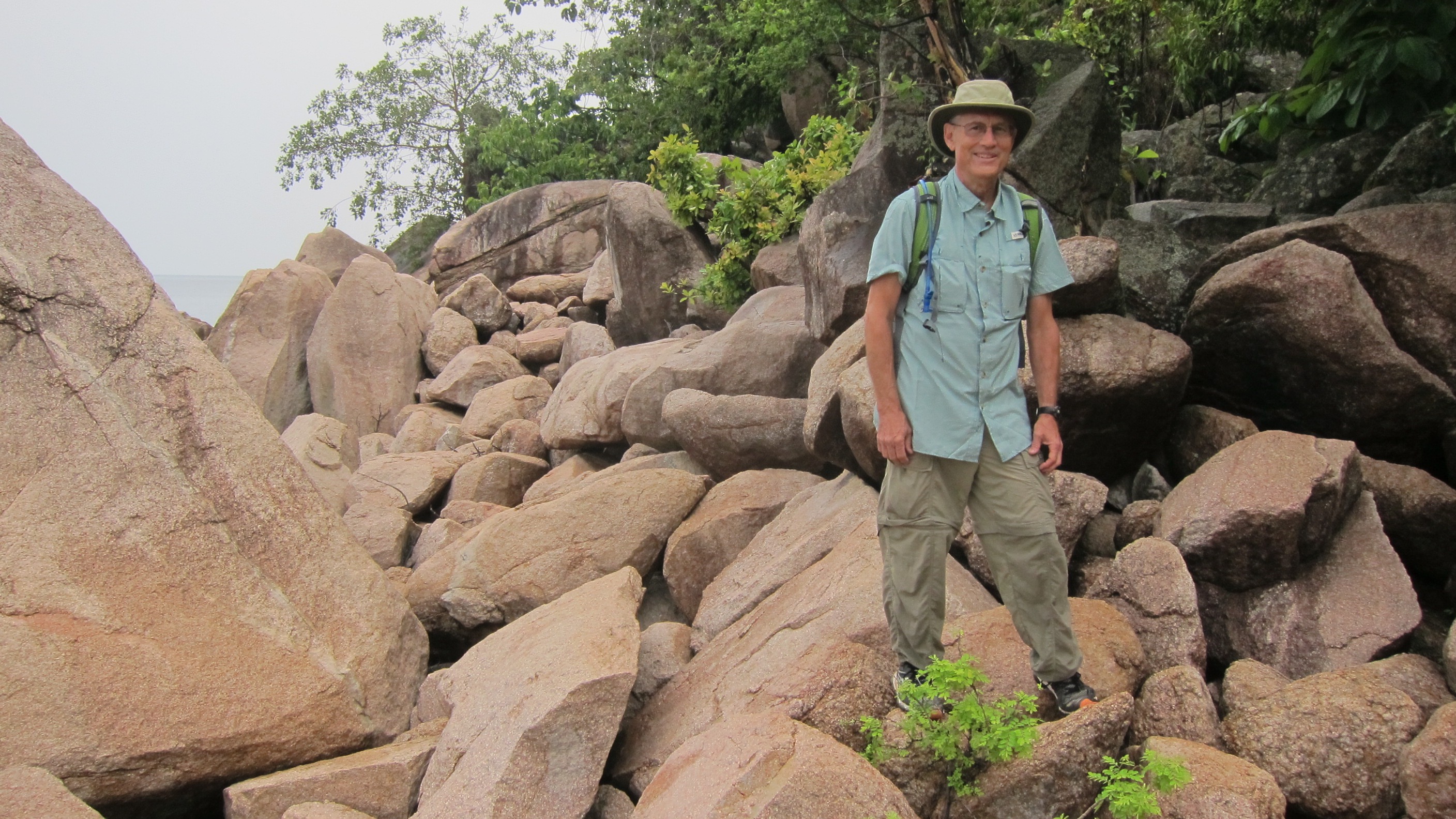
Terry Hike Rocks
After a pleasant visit we ventured farther down the trail toward the next village. The last quarter-mile of the trail disappeared into a chaotic jumble of slick boulders. It looked intimidating until a mother with a baby wrapped in a sling came by, hopping from boulder to boulder in flip-flops. Folks here walk this rugged trail every day and do so with mountain goat agility. As for us flat-landers, not so much but we did enjoy the challenge of picking a good line from rock to rock.

Edwardi Arrives Village
The final turn into the village was National-Geographic-picturesque. Absolutely beautiful. As we walked past wooden fishing boats and a jumble of nets on the sandy shore, we met an 80-year old man from Zambia. He was sitting on the porch of his granddaughter’s home situated within a stone’s throw from the shoreline. He welcomed us with enthusiasm and invited us to sit with them.

Terry & Edwardi
After listening to his story and asking him lots of questions about his life, we learned that he had heard about Jesus. So, we talked about Jesus. As we sat and faced the lake, we shared stories about how Jesus had called His first disciples along the Sea of Galilee and demonstrated His power over nature on this lake that figures so prominently in all four Gospels. Both he and his granddaughter listened with great interest as we talked about Jesus and why He had come.

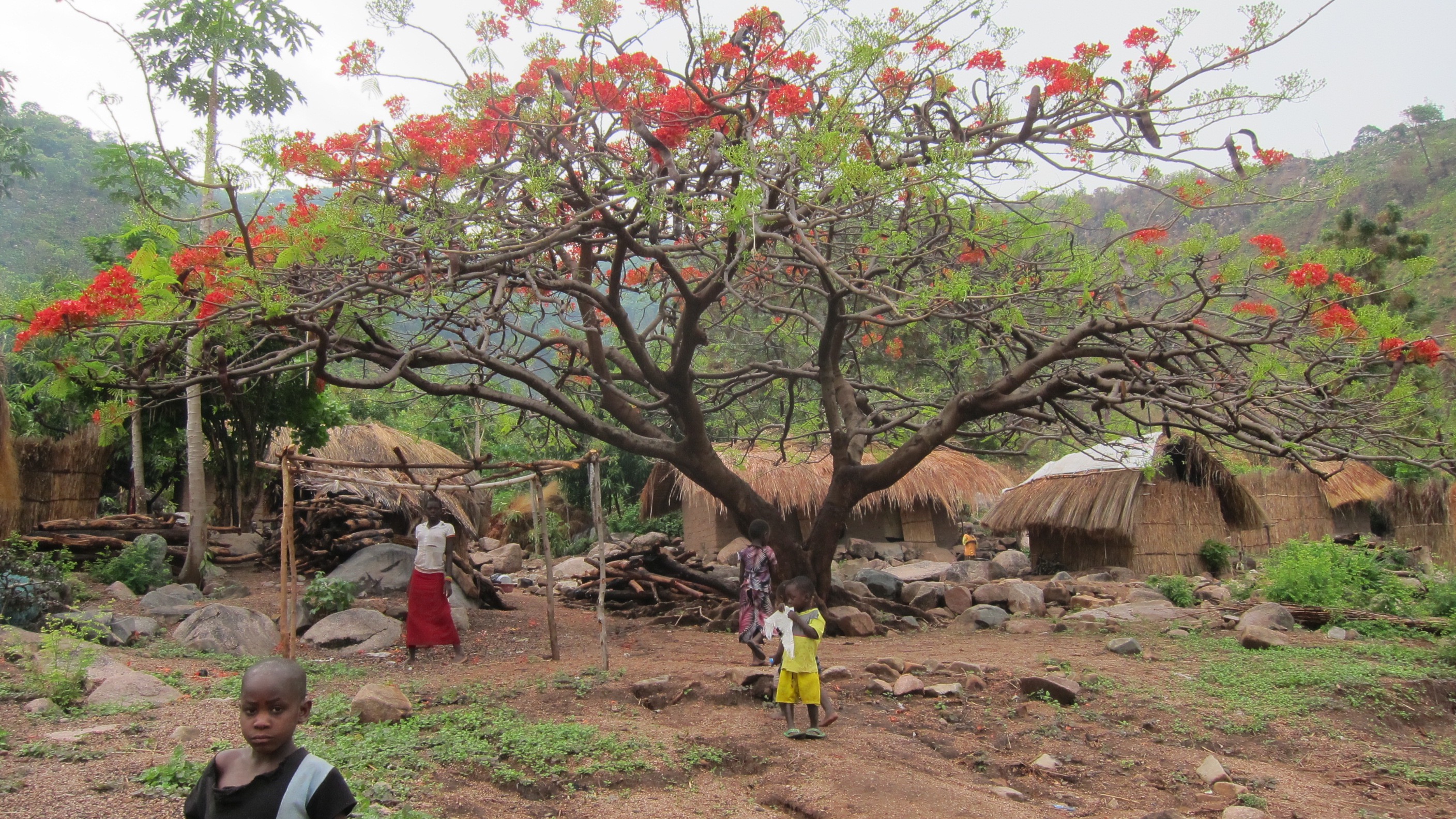
Red Tree Kids
One thing is certain when visiting with people who have little or no understanding of the Scripture — you have to be patient and build their understanding about God one story at a time. Over the course of our time of storying in the villages, a dozen people came to faith in Christ, some with grateful tears in their eyes. Our Safwa partners started and will continue the discipleship process to prepare these new believers to take ownership of their remote slice of geography.

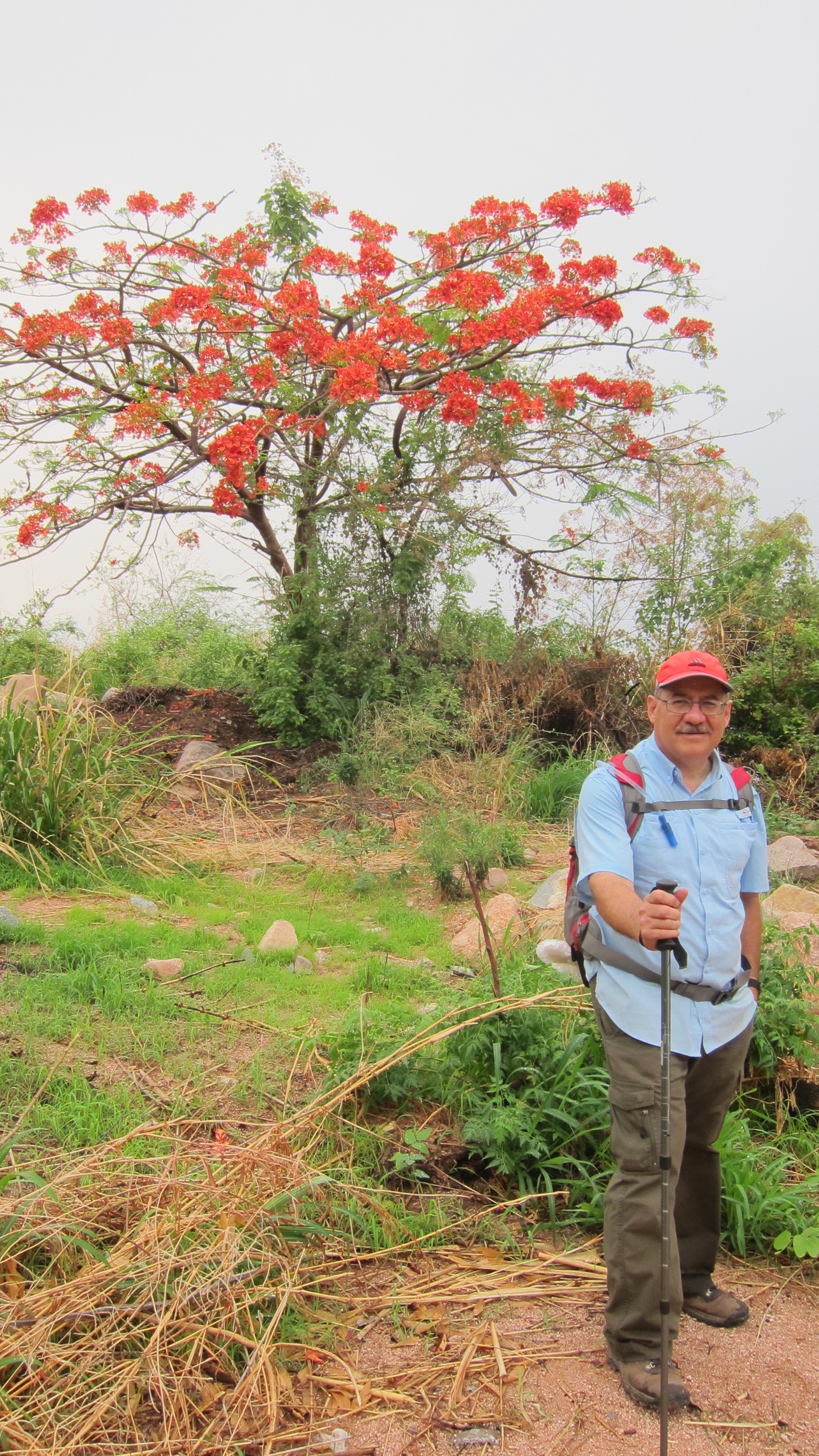
Omar & Red Tree
In the parables of the kingdom in Matthew 13, Jesus likened the kingdom of God to things that start small but then become big — like a tiny mustard seed that grows to become the largest tree in the garden or a small amount of leaven that a woman worked into a large amount of flour. We rejoice that the kingdom of God has now come to a small fishing village in a remote part of the Democratic Republic of the Congo.

Pensive Edwardi
We are confident that the small beginnings of the kingdom in this remote place on the planet will indeed grow over the coming years and spread from home to home and on to neighboring villages as one transformed life touches another. That, after all, is how the gospel came to us — and that is the leavening power of the kingdom!

Posted by: Omar C. Garcia | October 30, 2015

Pushing Back the Darkness

Democratic Republic of the Congo | 20 October 2015


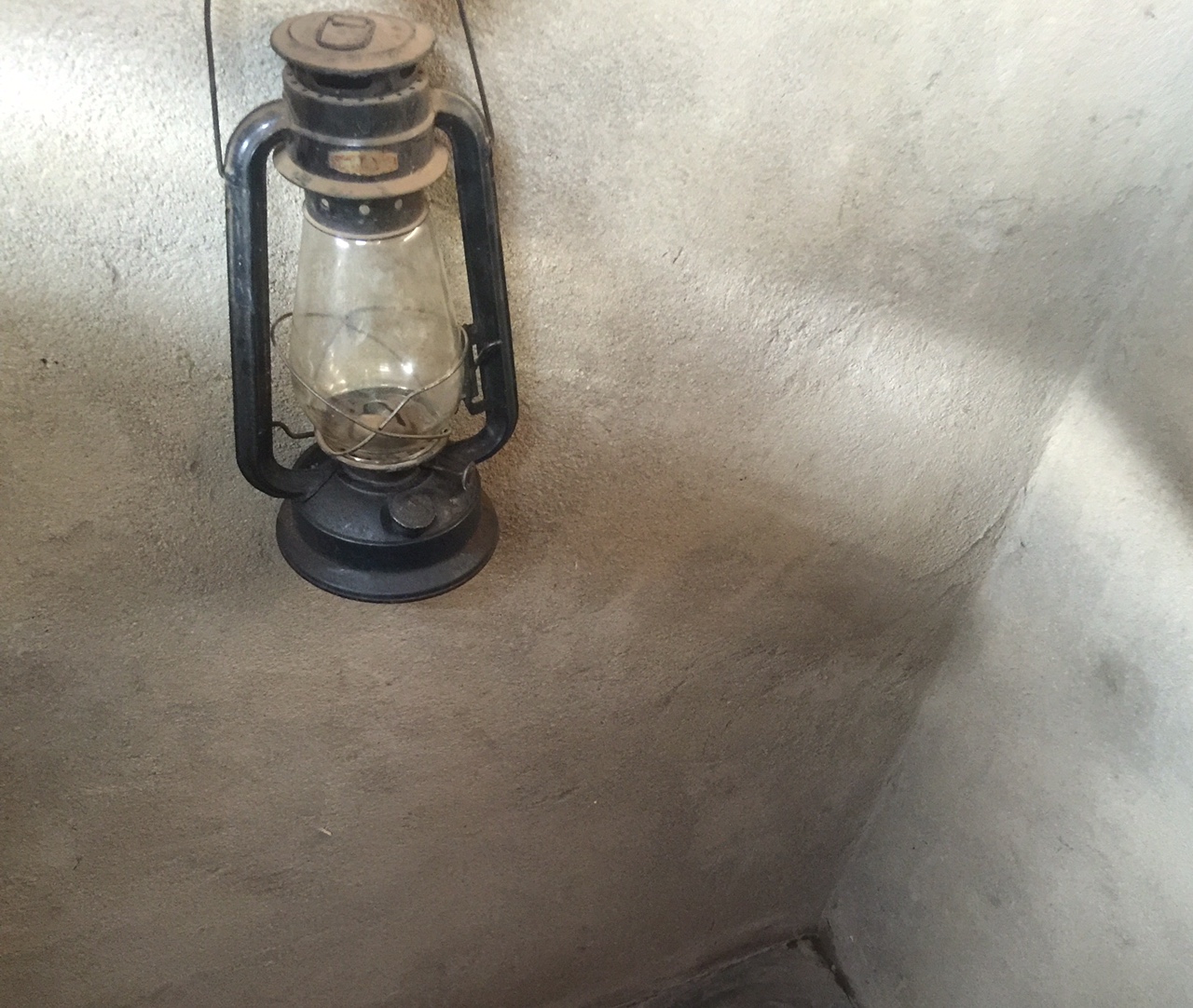
I once heard a story about a blind old man who carried a lantern in the dark. A young passerby who saw him laughed at the sight of this blind man carrying a lantern at night. “Are you afraid that you are going to stumble over something,” he mockingly asked the old man. “No,” the old man replied, “I just want to make certain that no one stumbles over me.”

Lantern
The blind man was right about one thing — it’s easy to stumble over things in the dark. That’s why we need light. Light enables us to see what we otherwise would be unable to see. When Jesus wanted His disciples to understand the significance of His incarnation, He explained that He had come into the world as light, so that whoever believes in Him would not remain in darkness (John 12:46).

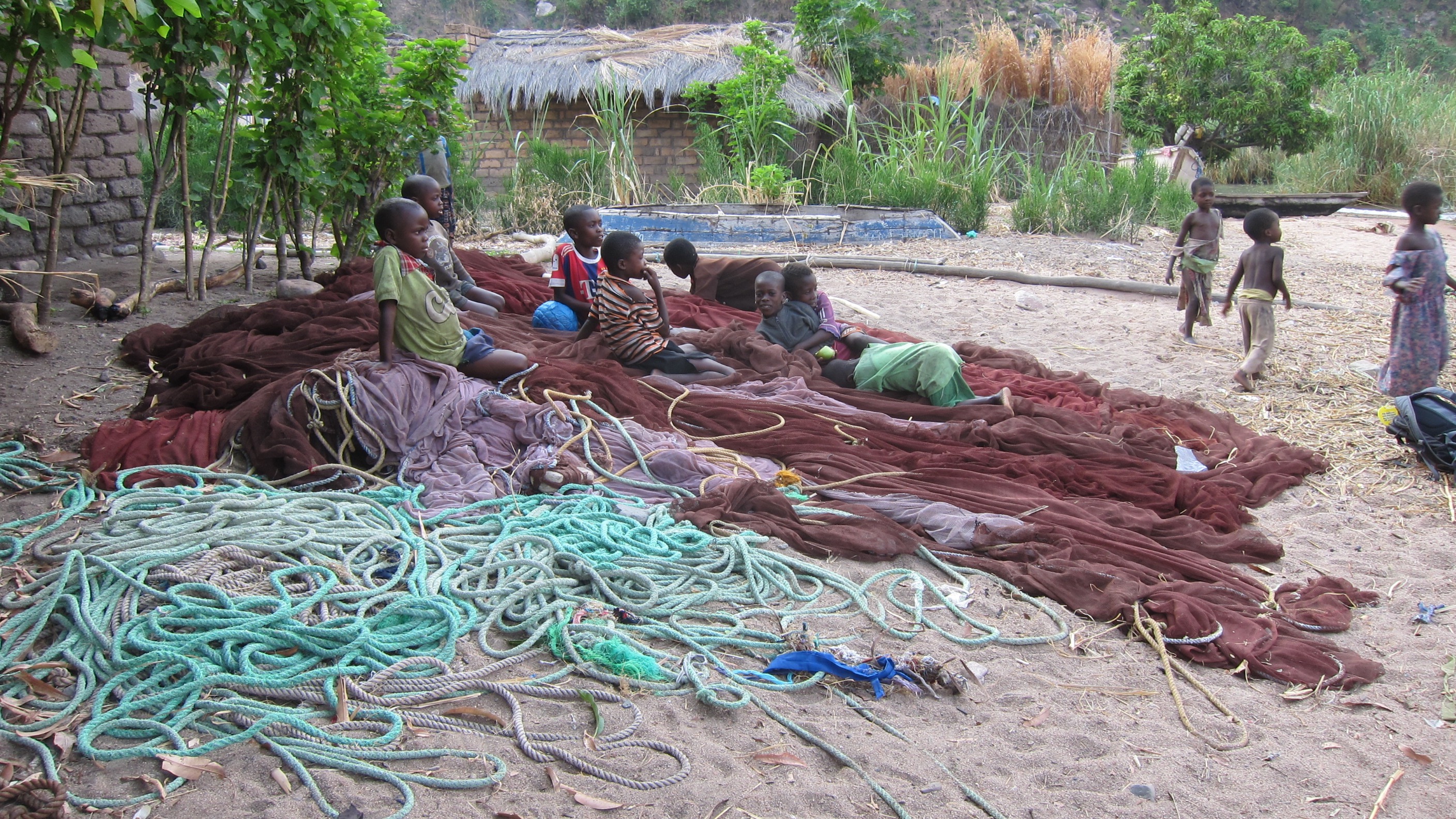
Kids on Net
I have thought a lot about darkness the past few days as we have walked slowly among the people of the village we are visiting in the Democratic Republic of the Congo. This war-ravaged nation witnessed incredible loss of human life. During the years of war, missionary efforts in the country were severely hampered. Throughout those years the country was steeped in darkness and unspeakable evils. The Congolese know what it means to “sit in darkness and in the shadow of death” (Luke 1:79).

Bill Pitching Tent
When we arrived at this village on the shore of Lake Tanganyika, the tribal leader gave us permission to set up camp among them. Village kids watched with great interest as we pitched our tents. People of the village walked over to see what was going on and welcomed us with open arms. Our base camp became a hub of fellowship and the laughter of children and some deep conversations with the people about spiritual matters.

Water Carriers
Every morning before venturing into the village, we spent time in prayer as a team. On our first morning, our partner reminded us of why we had come so far. “We are here to push back the darkness,” he said — a sobering reminder that we were indeed in a dark place and among people who had not heard about the light of the world. And so we ventured daily into the village, carrying our lanterns.

IMG_0033
Where do you begin a spiritual conversation with people who have not heard about Jesus? We began by laying out a basic infrastructure of the story of redemption using chronological Bible stories. Beginning with the story of creation, we explained God’s interest in and love for the people of the world. We talked about why God eventually had to send His only Son to illuminate our dark world. We had conversations under trees, in the village market and local school, and anywhere we met people who wanted to listen.

Village School
As we shared Bible stories and answered questions, I thought about the words of Psalm 119:130 — “The unfolding of your words gives light; it imparts understanding to the simple.” We are grateful for every opportunity we had to share about the hope that is found in Jesus. We were even given permission to share in the village school. Our deepest prayer is that the things people heard will indeed enable them to see and understand what they previously had been unable to see. Every person we spoke with thanked us for coming and for helping them to learn about God.

Praying w New Believers
We are also grateful for the dozen men and women who embraced Jesus as their personal Lord and Savior. Our Safwa partners will mentor these individuals who will remain in this remote place. This is their mission field — they must reach their own neighbors. These new ambassadors of light must now carry their lanterns of God’s light and push back the darkness in this hard place.

Posted by: Omar C. Garcia | October 28, 2015

Regardless of Difficulties

Tanzania and the Democratic Republic of the Congo | 19 October 2015


Jesus shared a profound truth about the purpose of His incarnation while visiting in the home of Zacchaeus, a despised tax collector — “For the Son of Man came to seek and to save the lost.” (Luke 19:10). Concern for the welfare of those who were separated from God compelled Jesus to empty Himself, take on the form of a servant, and leave the indescribable beauty of His home in order to enter into the dark realities of our homes (Phil. 2:7).

Team Pic at Dar
Before He ascended into heaven, Jesus charged His followers to take His message to all peoples, regardless of any hardships or difficulties associated with doing so. His plan was simple. His kingdom would grow at the speed of one transformed life touching another, like a small amount of leaven worked into a large amount of flour (Matthew 13:33).

IMG_6085
The last command of Christ has not been repealed — it is still in effect. There are still thousands of people groups waiting to hear the good news about Jesus. Many of these peoples live in places that are difficult to reach, even in our day of high-speed everything. The hard reality is that many people have yet to hear the gospel because they happened to be born in tough geographical contexts.

Campsite View
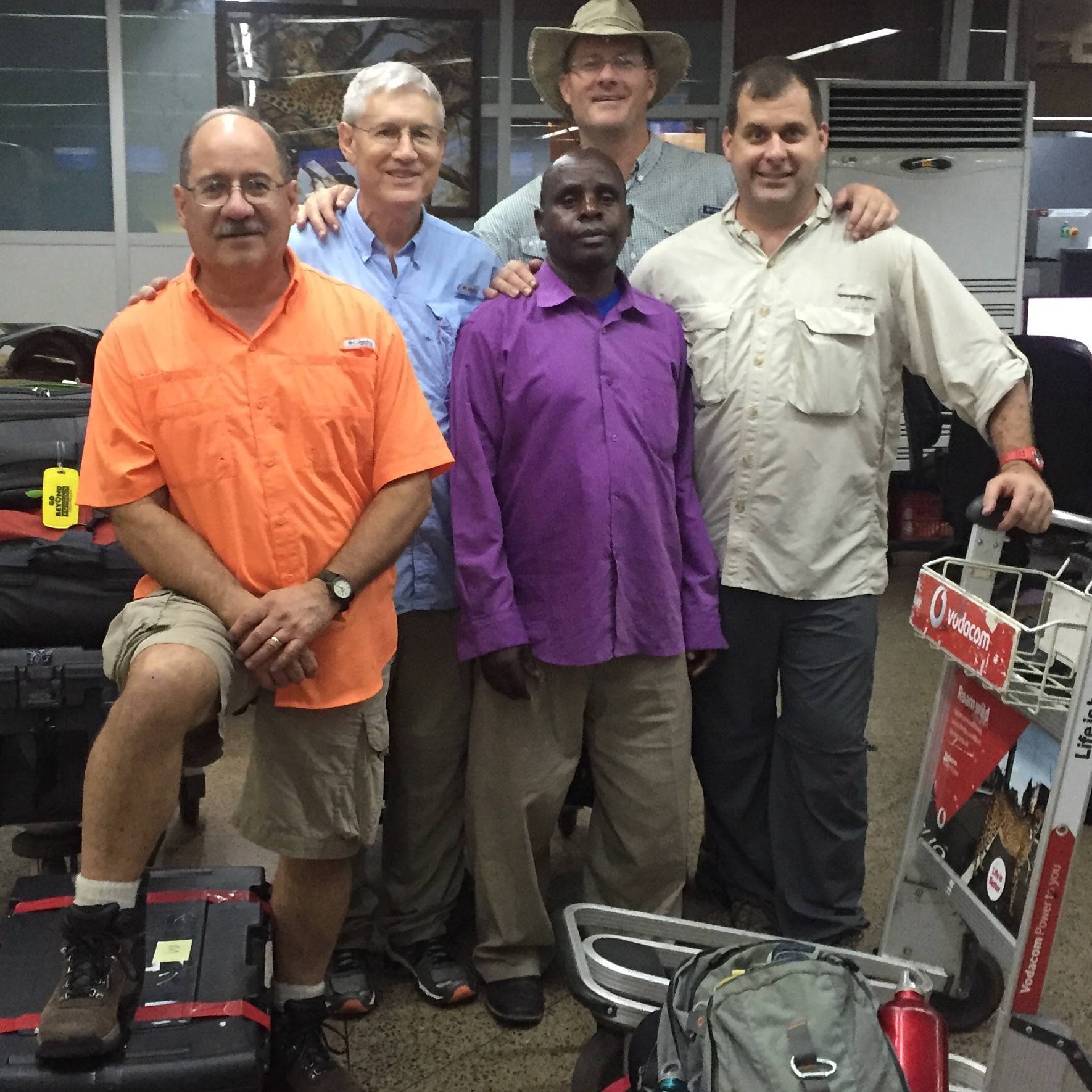
Early this morning, a team of men from Kingsland and I ventured to one of the more difficult geographical contexts on the planet — a village on the shores of Lake Tanganyika in the Democratic Republic of the Congo. Moving in the direction of the Taabwa tribe in this region was far from easy. Two-plus days of non-stop travel took us as far as the shores on the Tanzanian side of the vast lake that separates Tanzania from the DRC.

TZ Boat Driver
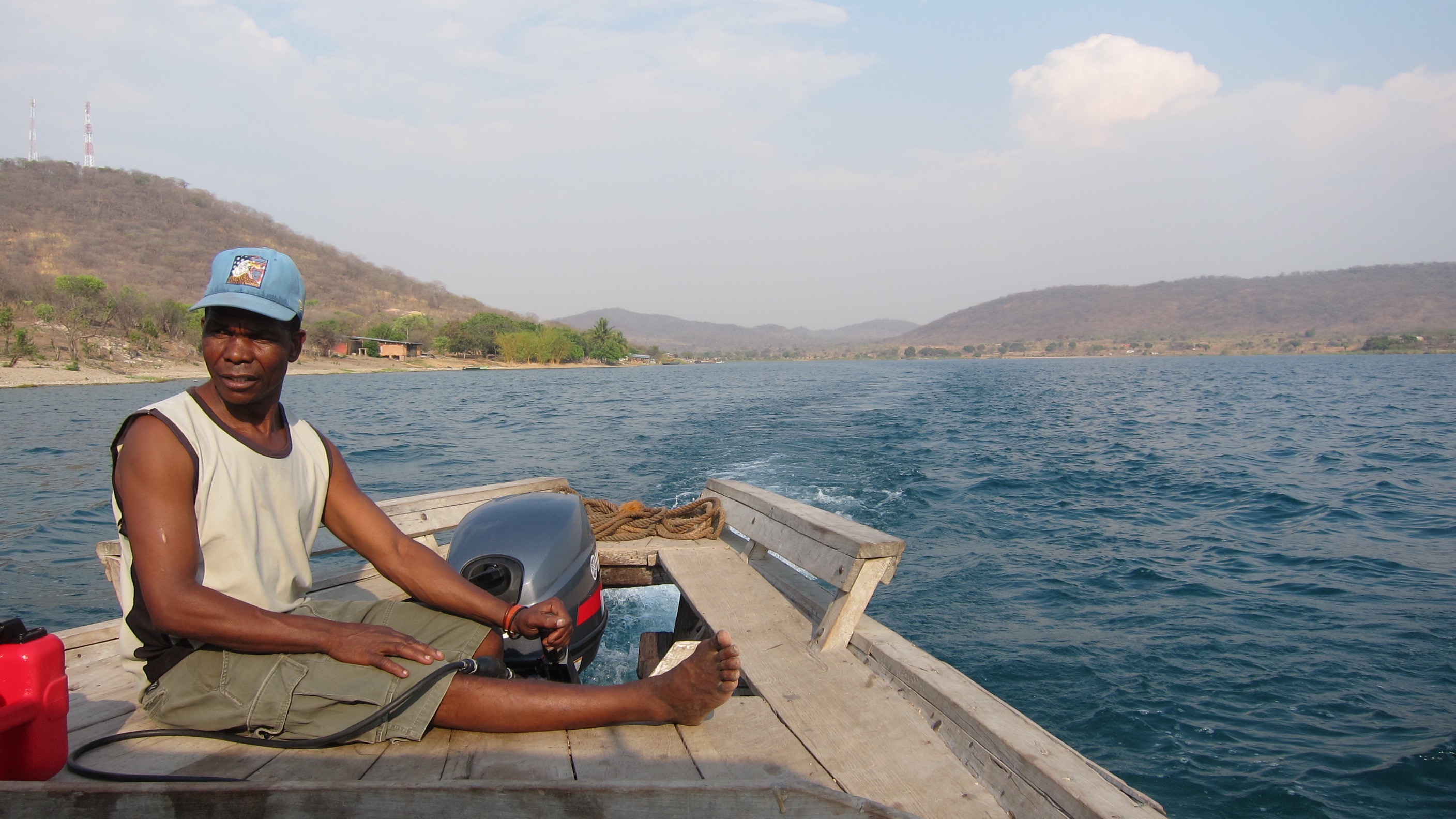
Once we reached our launching point, we slept for a few hours before loading our gear onto an old wooden boat. The twenty-plus mile journey across the narrowest part of the lake was hard. Five-foot waves tossed our boat and our stomachs for the four hours it took us to cross the lake. Along the way we stopped to clear immigration and waited an additional four hours for permission to continue our journey into the DRC.

IMG_8457

Our final two-hour push took us along the shores of the now-calm lake where we could see the villages at the foot of the mountains along to shoreline — villages that can only reached by boat, adding yet one more layer of difficulty in reaching these people with the gospel. When we made the final turn to the village we had come so far to visit, we were greeted with great excitement. Very few, literally count-them-on-one-hand, foreigners have visited these villages.

Terry Arriving in DRC
After meeting the village leaders and receiving permission to camp among them, we headed back to the boat to off-load our gear. Surrounded by a crowd, I drew a map of the world in the sand and illustrated the distance we had travelled to come to their village. And then I asked if any of them had heard of Jesus. Not a single person said yes.

DRC Kids Welcome
We journeyed far to share the good news with the people of this remote village — and we did so in obedience to the last command of Jesus. As I looked at all of the faces in the crowd I thought about something else — the danger of being lost with no one looking for you. I was glad that we had come so far to visit the people who live in this very remote place. After all, that is exactly what Jesus would want us to do, regardless of the difficulties.

Posted by: Omar C. Garcia | October 28, 2015

Wordless Wednesday

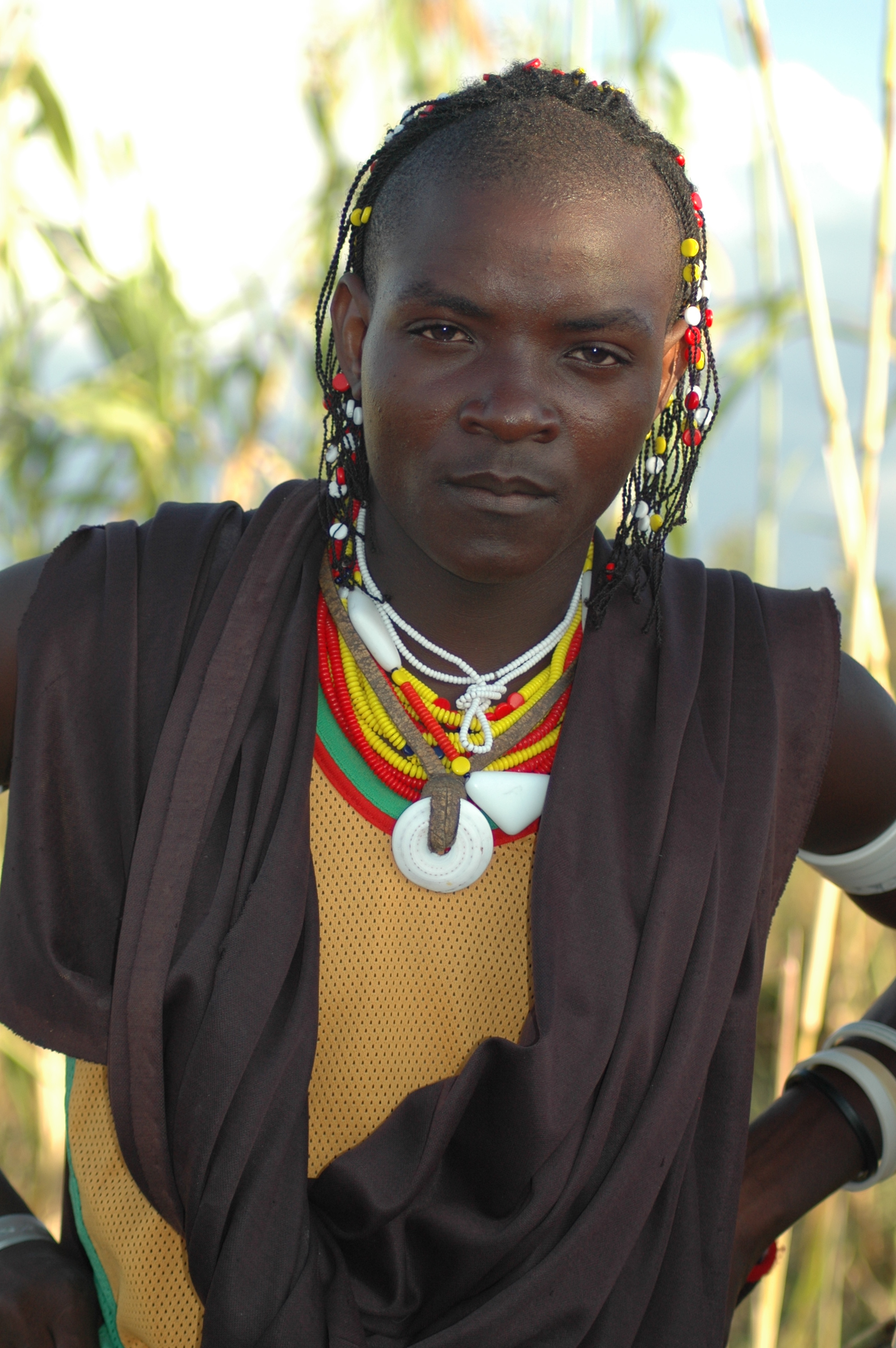
Sukuma Tribesman | 2007 | Tanzania

Sukuma Tribesman | 2007 | Tanzania

Posted by: Omar C. Garcia | October 21, 2015

Wordless Wednesday

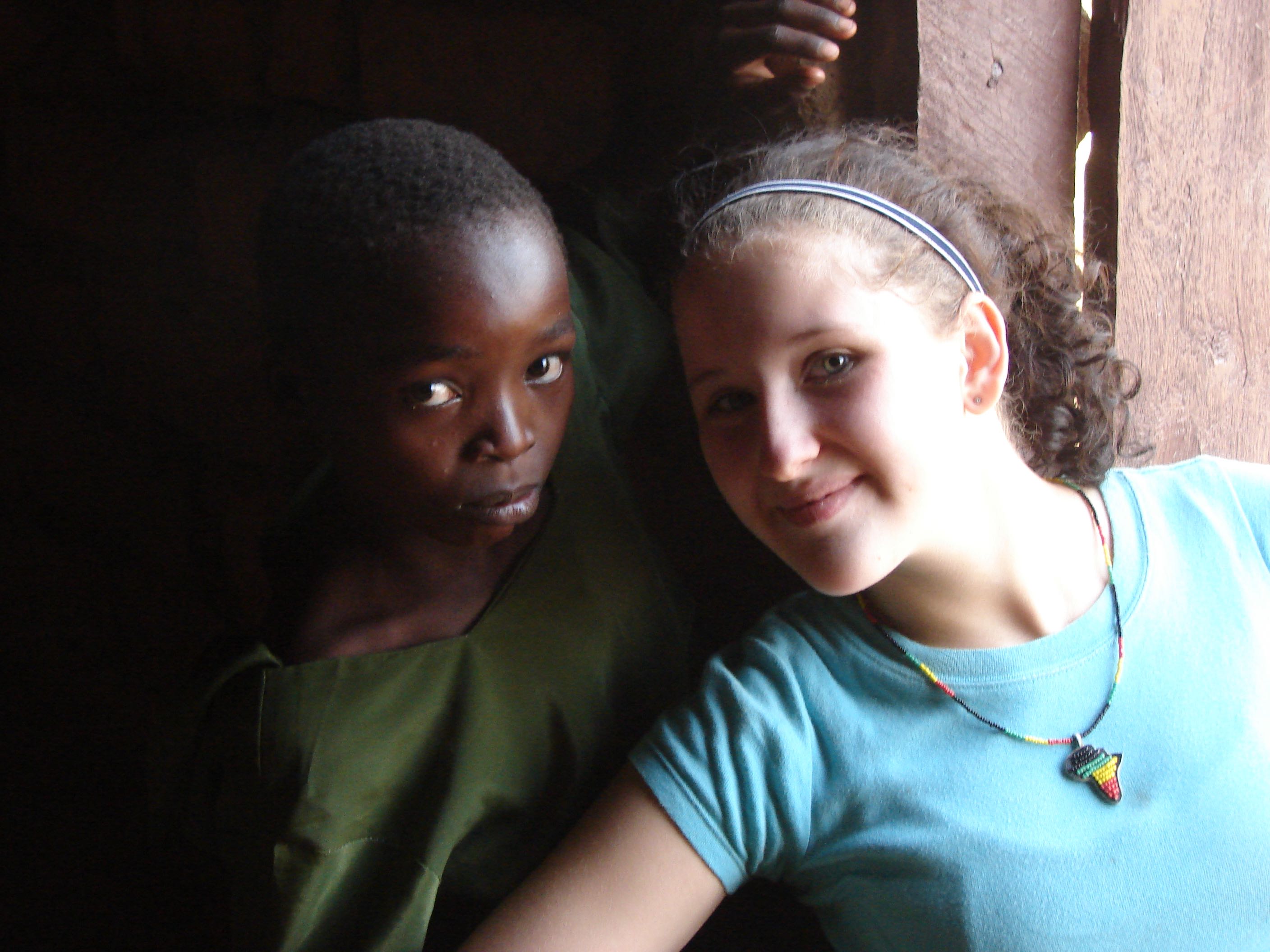
My daughter Gina and friend. | 2008 | Tanzania

My daughter Gina and friend. | 2008 | Tanzania

Photo Credit: Mary Quin

Posted by: Omar C. Garcia | October 19, 2015

The Unoccupied Fields

The challenge of unoccupied fields remains before us. Even today, with all of our advances in technology and transportation, there are people in the world who have yet to hear the gospel of Jesus Christ. Somehow, Coca-Cola products have managed to find their way into places where there are no Christian laborers and where Christ has not been preached. The Church should certainly strive to do no less than this beverage behemoth.

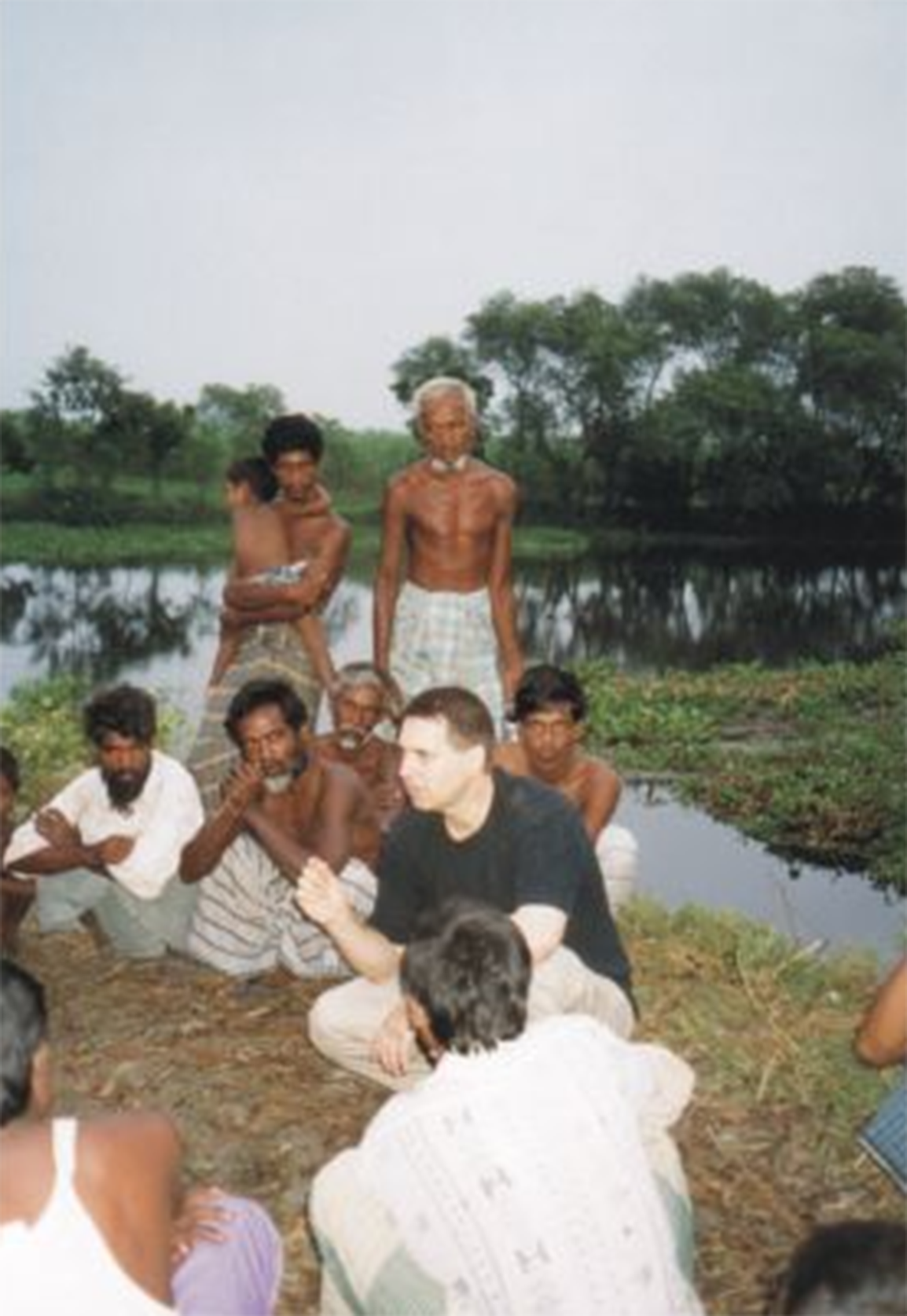
KG in Bangladesh
Samuel Zwemer, known as the Apostle to Islam, expected that his generation would complete the challenge of sending laborers to every unoccupied field on the planet. In a paper Zwemer wrote in 1911, he said, “In this twentieth century of Christian history, there should be no unoccupied fields. The Church is bound to remedy the lamentable condition with the least possible delay.” Sadly, there remain fields unoccupied by Christ’s laborers.

The gospels record an occasion when Jesus saw the multitudes, “distressed and downcast like sheep without a shepherd” (Matt. 9:36). The language in this verse is strong. It describes people who were weary, troubled, despondent, bewildered, and downcast or thrown to the ground — language that describes people’s helplessness without God. And, He was moved with compassion for them.

Jesus told His disciples “the harvest truly is plentiful, but the laborers are few” (Matt. 9:37). Even with the vast number of Christian laborers working in fields around the globe today, there is still an urgent need for more laborers. God still seeks those who are willing to leave the comforts and conveniences of the familiar in order to venture into unfamiliar places — into unoccupied fields.

Those who venture to unoccupied mission fields around the world ultimately encounter what Zwemer called “baffling difficulties and their glorious impossibilities.” He understood that personal sacrifices on the part of God’s laborers always preceded great victories. “The unoccupied fields of the world,” Zwemer believed, “must have their Calvary before they can have their Pentecost.”

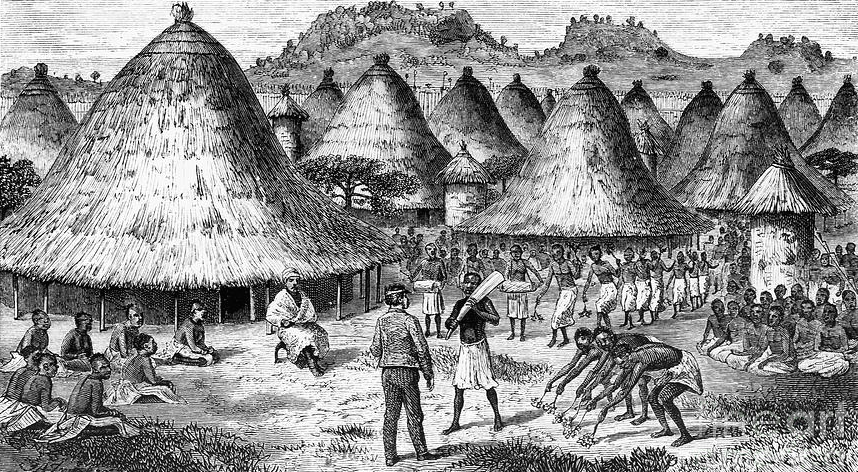
David Livingstone in Chitapangwa
David Livingstone understood the challenges of going to unoccupied fields. He ventured to Africa when the entire continent was then almost entirely an unoccupied field. Livingstone’s example was compelling. However, he personally refused to accept the talk of the day that said he had made a great sacrifice. On December 4, 1857, Livingstone visited Cambridge University to appeal for more laborers to go to Africa. In his address, the respected missionary said this:


“For my own part, I have never ceased to rejoice that God has appointed me to such an office. People talk of the sacrifice I have made in spending so much of my life in Africa. Can that be called a sacrifice which is simply paid back as a small part of a great debt owing to our God, which we can never repay? … It is emphatically no sacrifice. Say rather it is a privilege.”

I love Livingstone’s attitude. It is indeed a privilege to take part in the task of taking the good news to those “from every nation, from all tribes and peoples and languages” (Rev. 7:9). The task of  global evangelization is still far from finished. We must, therefore, continue to move in the direction of the world’s unoccupied fields. And we must heed the words of Jesus to “beseech the Lord of the harvest to send out workers into His harvest” (Matt. 9:38).

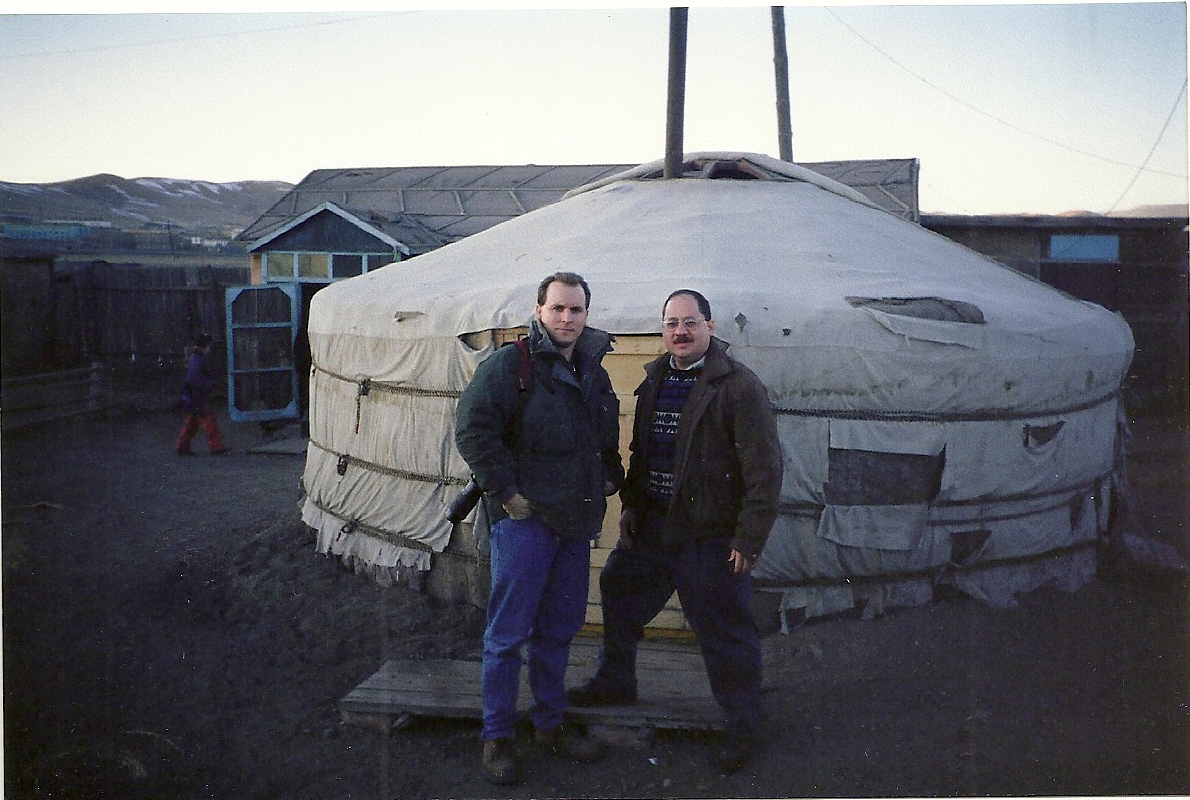
Mongolia 1998
In the words of John R. Mott, may ours be the “generation which shall have the requisite faith and courage, and audacity and the purpose of heart to do their duty to the whole world.” May we take ownership of the world’s remaining unoccupied fields.

Posted by: Omar C. Garcia | October 16, 2015

I Am Debtor

Debt is a term that is not unfamiliar to us. Our nation has a staggering debt that we will likely never pay off. The accessibility of credit cards coupled with most people’s inability to postpone gratification has resulted in American households drowning in a tumultuous sea of debt. Delinquent debt has spawned collection agencies that badger debtors at all hours of the day and night with “pay your debt or else” threats. Debt in America is indeed a problem.

Omar with Child
As a Christ-follower, I have a different kind of debt. Like the Apostle Paul, I feel the weight of my obligation to all peoples. “I am debtor,” Paul wrote in Romans 1:14, “both to the Greeks, and to the Barbarians; both to the wise, and to the unwise.” A debt is an obligation. So, to whom was Paul obligated? Paul was certainly obligated to Christ for his salvation. But, he was also obligated to all who do not know Christ.

The terms Greeks and Barbarians refer the Gentiles, among whom Paul hoped to have a harvest. However, Paul also desired to reach the wise, those who were lost because of their worldly wisdom, and the unwise or those considered unworthy to receive the gospel. These terms define the broad scope of Paul’s personal mission field.

Paul understood that Christ had already “broken down the dividing wall” (Ephesians 2:14) between Jews and Gentiles. And he believed that God had called him to carry the message of reconciliation through Christ to all peoples. He owed it to them. Those who know Christ are indeed in debt or obligated to take the gospel to those who do not know Christ. In other words, those who know Christ owe Christ to all people.

Man reading Gospel tract
John R. Mott, a leader of the Student Volunteer Movement at the turn of the twentieth century, understood what it meant to be a debtor. In a speech that he gave in April 1901, Mott challenged his audience to come to grips with the fact that not only do all people need Christ, but that we owe Christ to all people. “To have a knowledge of Christ,” Mott said, “is to incur a tremendous responsibility to those that have it not.”

Unless we understand that the gospel concerns all people, we will likely never feel the weight of our obligation to the nations. Mott reminded his audience, “You and I have received this great heritage, not to appropriate it to our exclusive use, but to pass it on to others. … What a colossal crime against two-thirds of the human race to withhold this surpassing knowledge!” Withholding the gospel from others is indeed a colossal crime, one with eternal ramifications.

Reindeer People family
When considering our debt to all peoples, we must think and act strategically. Today, more than 6,600 people groups are still waiting to hear the good news. We have the resources and the capability to take the gospel to all peoples. In Mott’s words, “God forbid that we should lack vision in these days to take advantage of the tide that is rising to sweep multitudes into the all-embracing kingdom of Jesus Christ.” May we be dominated by the conviction that we must stop at nothing until we have paid our debt.

Posted by: Omar C. Garcia | October 13, 2015

Living Selfless Influence

At Kingsland, we value the joy of going beyond — cultivating a spirit of generosity and service that benefits the Kingdom rather than our own agendas. In the context of church life, we acknowledge that every member has been uniquely gifted to serve the Body, and we value opportunities to discover and use those gifts to serve others. We call this “selfless influence” (service) — one of our core values. We further believe that the scope of this high calling begins in our homes and extends to the ends of the earth.

CityGates Arrival in ES
This week we are living out our core value of selfless influence in El Salvador where a team of Kingsland men are drilling our 15th water well in Central America in partnership with Living Water International. We understand the world water crisis and are committed to drilling two water wells per year in places where people do not have access to a reliable source of clean water. And, this act of kindness always opens doors for us to share with folks about the Living Water — the kind that quenches a much deeper thirst. You can follow the adventures of our team at our Go Beyond Water blog.

Later this week, another Kingsland team will head for Africa where we will take the good news about Jesus to unreached tribes that live deep in the bush. This will not be an easy trip, and that’s ok. Our team understands that the kingdom of God never advances at our convenience, but instead only at our inconvenience. We also understand that living out our core value of selfless influence requires that we always be willing to be inconvenienced.

KBC Staff at Manna House
Today, however, we lived out our core value of selfless influence just a few miles down the road from Kingsland in the community of Brookshire. Our missions ministry has a strategic partnership with the Manna House — a residential home for men recovering from addiction. This morning, our Senior Pastor and forty of our staff members engaged in a variety of hands-on projects at the Manna House campus. We got really dirty, we sweated, we laughed, we engaged with residents of Manna House, and we enjoyed a delicious lunch together.

Selfless influence is a core value that requires movement toward those in need. Whether we move in the direction of others through our prayers or our presence, we must move in their direction in order to live out this core value. The Good Samaritan exercised selfless influence by moving toward a man in desperate need and made a difference in that man’s life. We must do no less. I am grateful to serve with men and women on our staff who live out our core value of selfless influence and who lead by example.

« Newer Posts - Older Posts »

Categories