Last August, I made a promise to someone I have never met — to a woman whose personal history is forever lost and who is buried in an unmarked grave. A woman with a vacant look in her eyes holding a sleeping baby in her arms. A single photograph is all that remains to document her existence. Her photograph is not on display in a family album or in the home of a loved one. Her photograph is one of hundreds on display at the Tuol Sleng Genocide Museum in Phnom Penh, Cambodia. Once known as S-21, or Security Office 21, this terrible place was part of Pol Pot’s network of death. In 1975, Pol Pot’s Khmer Rouge transformed a high school campus into a center for the detention, interrogation, torture, and murder of those deemed to be a threat to their cause. The Khmer Rouge kept meticulous records of every person who was brought to this center. They photographed each prisoner and, in many cases, photographed them again after torturing and killing them. The Khmer Rouge unwittingly left the world their photographic fingerprints at the scene of their crime.
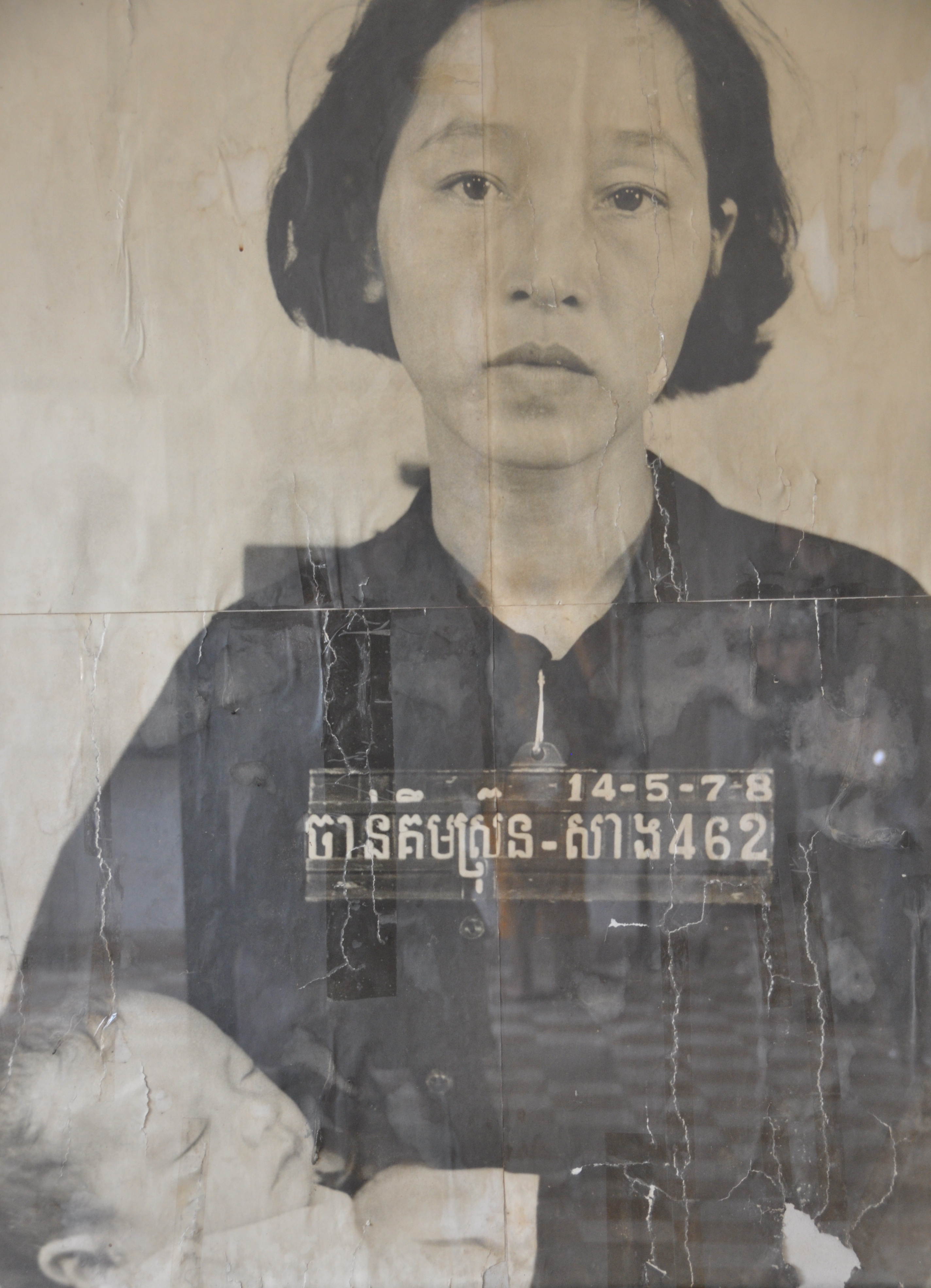 I walked slowly through each of the rooms at S-21. I looked into the cells, at the chains, at the locks, at the barbed wire, and at the photographs. For some reason, I felt compelled to walk slowly and to look at each of the faces in the hundreds of photographs on display. These were the unfortunate alumni who suffered unspeakable horrors at Pol Pot’s death campus. I say unspeakable because the barbarous torture methods employed by the Khmer Rouge are also documented at S-21. Each of the photographs on display bears the date when the particular individual was brought to the center. When I saw the photograph of the mother holding her sleeping baby, I lingered and stared, struck by the irony that she had arrived at S-21 on May 14 which was Mother’s Day in 1978. That was the last Mother’s Day that I lived in my hometown. While I was expressing appreciation to my beautiful Mother, this woman was taken from her home and transported to Security Office 21.
Many, like this mother and child, were brought to S-21 for interrogation and later transported to one of the Khmer Rouge’s killing fields. She is very likely buried with her child at the nearby Choeung Ek Genocidal Center, located south of Phnom Penh. There is a mass grave there where mothers and babies were killed and dumped. This grave is located next to the killing tree. The sign in front of this tree says, “Killing Tree against Which Executioners Beat Children.” The Khmer Rouge saved ammunition by taking small children from their mothers, swinging them by their feet and smashing them against the killing tree. The lifeless remains of these children were then tossed into the adjacent mass grave. This was the fate of the mother and child in the photo that captured my attention.
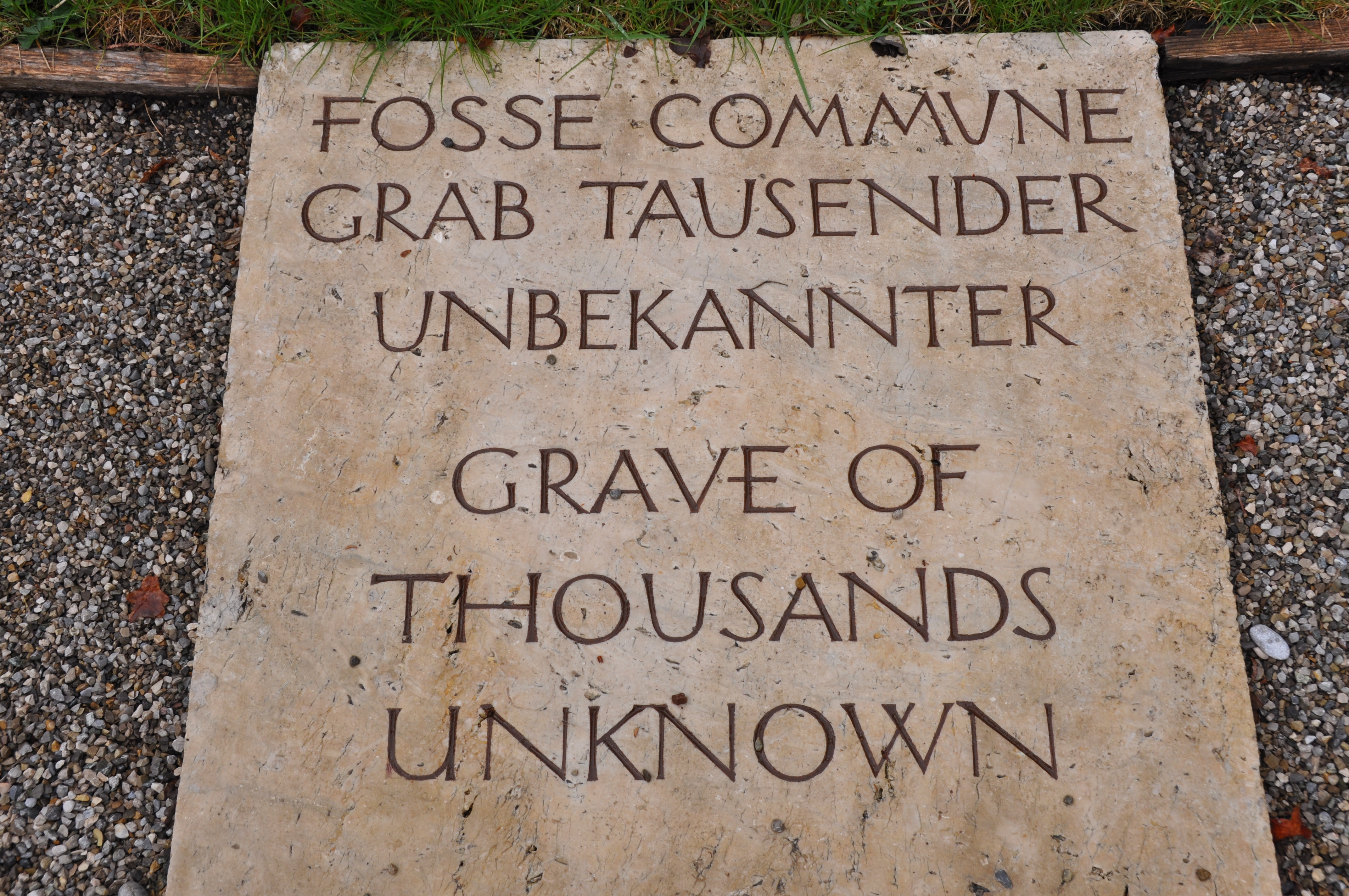 Earlier this month I visited the Dachau Concentration Camp outside of Munich, Germany. I walked a path near the crematorium where thousands of unknown individuals were murdered and tossed into mass graves. I wrote in my May 2 post that the only thing we seem to learn from atrocities is that we never learn from atrocities. The Dachau Concentration Camp was liberated by US Army troops on April 29, 1945. As other concentration camps were liberated, the world began to learn the sickening details of Hitler’s genocidal campaign. Thirty-years later, Pol Pot and the Khmer Rouge unleashed a murderous campaign against their own people, killing upwards of two-million. Unless we learn from all that remains at the sites where terrible atrocities have occurred we are destined to do more of the same.
Those suffering oppression matter to God and they should matter to us. Approximately 27 million people on the planet are trapped in some kind of slavery and are longing for deliverance. They live daily in fear and suffer abuses that no one should have to endure. That’s why I am committed to keeping my promise to the woman in the photo at S-21 — a promise to tell her story and to speak “for the rights of all the unfortunate” (Prov. 31:8), a promise to fight for and “to defend the rights of the afflicted and needy” (Prov. 31:9), a promise to work toward the day when “man who is of the earth may cause terror no more” (Ps. 10:17-18). By doing so I can help to ensure that all that remains of this woman’s life and death is more than a photo.
 Go Beyond
Leave a comment